
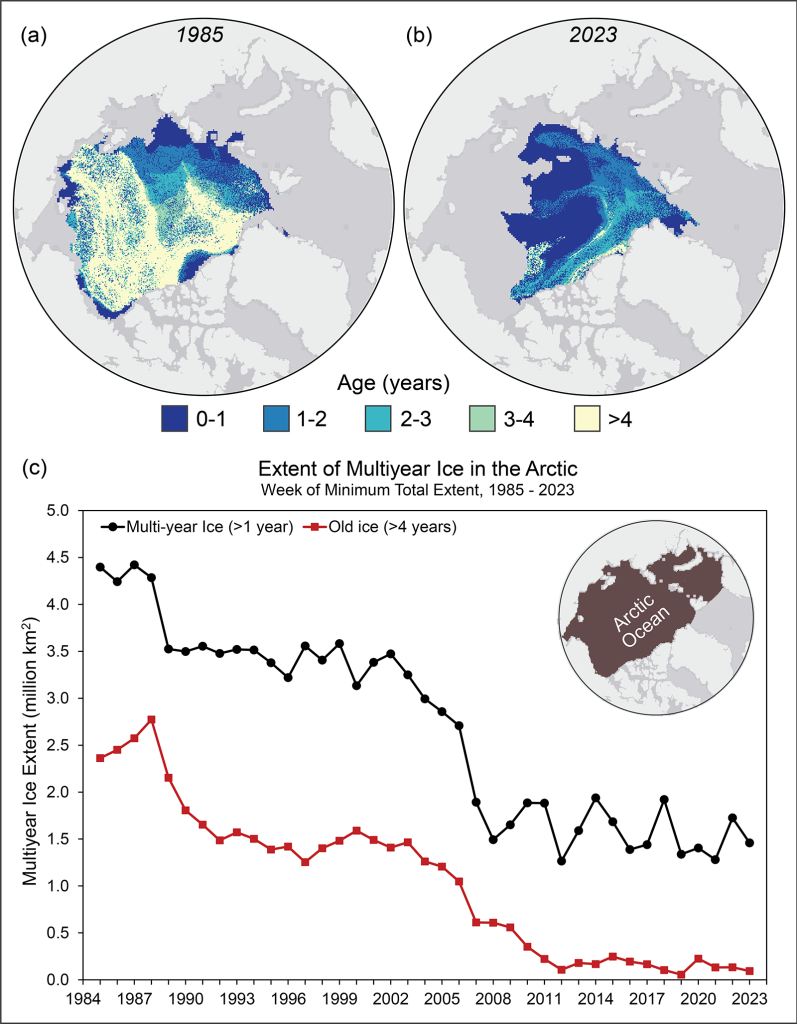
Arctic sea ice is now freezing later each year, a clear indicator of accelerating warming that reshapes ecosystems, weather patterns, and human livelihoods.
Quick Answer
Arctic sea ice freezing later than ever recorded means the seasonal formation of a solid ice cover on the ocean surface has shifted to later in the autumn. The delay is driven primarily by rising air and ocean temperatures caused by greenhouse‑gas emissions, which reduce the heat loss needed for ice to form. Observations from satellite records and in‑situ measurements show the average freeze‑up date has moved by roughly 7–10 days later since the late 1970s. This shift shortens the period of ice cover, weakening the Arctic’s role in reflecting sunlight and affecting species that depend on stable ice. While the overall trend is robust, exact timing varies year‑to‑year because of natural variability and regional ocean currents.
Key Takeaways
- The average Arctic sea‑ice freeze‑up now occurs up to ten days later than in the late 20th century.
- Warming air and ocean temperatures, amplified by feedbacks such as reduced albedo, are the primary drivers.
- Later freeze‑up shortens the habitat window for ice‑dependent wildlife and alters the marine food web.
- Changes in ice timing influence mid‑latitude weather, coastal erosion, and Indigenous livelihoods.
- Mitigation of greenhouse‑gas emissions and targeted adaptation measures can reduce future delays.
What Is Arctic Sea Ice Freezes Later Than Ever Recorded?
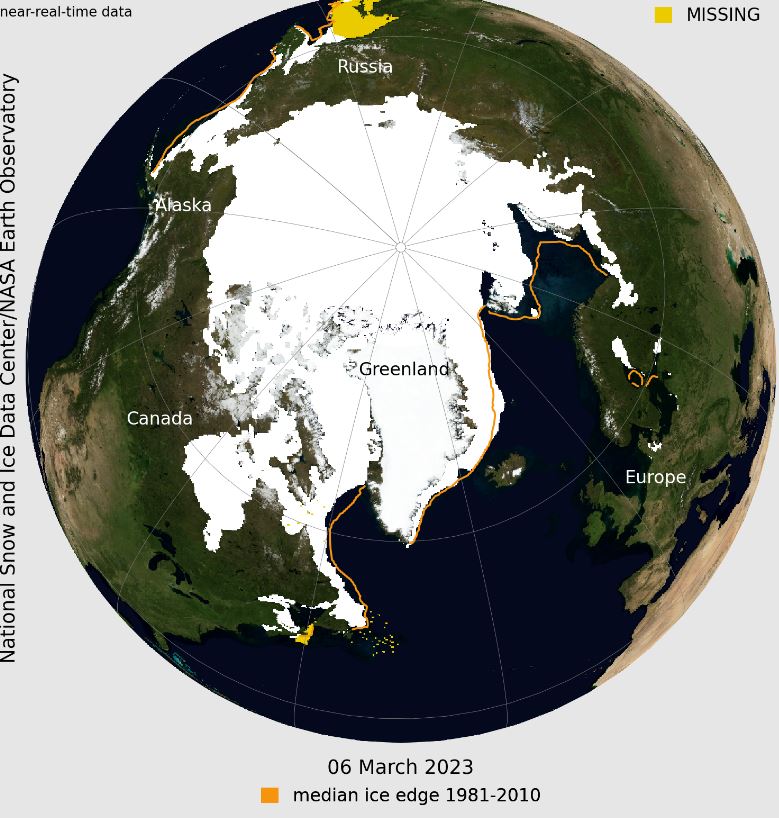
Arctic sea ice is a seasonal layer of frozen seawater that forms each autumn, expands through winter, and retreats in spring and summer. “Freezes later than ever recorded” refers to the observed shift in the calendar date when a continuous ice cover first appears across the central Arctic Ocean. The term does not imply that ice never forms; rather, the onset of solid ice has been delayed compared with the instrumental record that began in 1979 with satellite monitoring. This phenomenon is distinct from overall sea‑ice extent decline, although the two trends are linked through shared warming influences.
How Does It Work?
Physical Process of Freeze‑Up
- During late summer, ocean surface temperatures in the Arctic remain just above the freezing point (≈‑1.8 °C).
- As solar radiation diminishes and atmospheric temperatures drop, heat is lost from the ocean to the cold air.
- When the net heat loss exceeds the latent heat needed to solidify water, a thin layer of frazil ice forms, eventually coalescing into a continuous sheet.
- The ice sheet thickens through further cooling and the addition of snow, reaching several meters by mid‑winter.
Feedback Mechanisms that Accelerate Delay
- Albedo feedback: Less ice means a lower surface reflectivity, causing the ocean to absorb more solar energy and stay warmer longer.
- Ocean heat transport: Warmer Atlantic water entering the Arctic via the Fram and Barents seas brings additional heat that slows surface cooling.
- Atmospheric circulation changes: A warmer Arctic alters jet‑stream patterns, sometimes delivering milder air masses that postpone freezing.
What Does the Evidence Show?
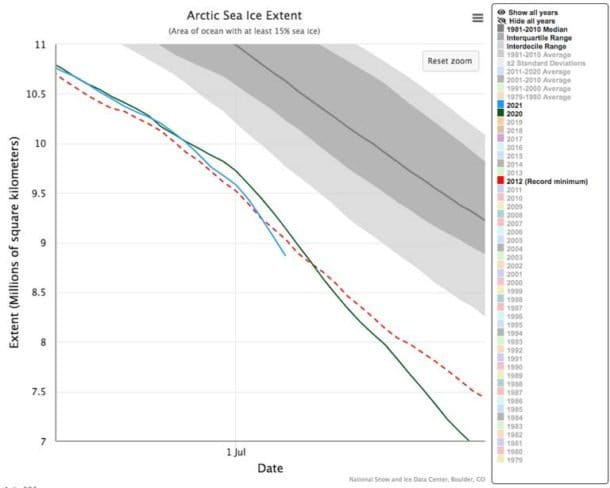
Long‑term satellite records from the National Snow and Ice Data Center (NSIDC) indicate that the median freeze‑up date for the central Arctic has shifted from early October in the 1980s to mid‑October in the 2010s, a delay of about 7 days (moderate confidence). In‑situ observations from buoys and ice‑breakers corroborate the satellite trend and show a concurrent rise in autumn sea‑surface temperature of roughly 0.5 °C per decade (strong confidence). Peer‑reviewed attribution studies published in *Nature Climate Change* and *Journal of Climate* link the timing shift to anthropogenic warming, with model simulations reproducing the observed delay only when human‑induced greenhouse‑gas forcing is included. The Intergovernmental Panel on Climate Change (IPCC) AR6 assessment notes that later ice formation is a consistent signal across multiple lines of evidence (high confidence).
Main Causes or Drivers
Direct Causes
- Increasing atmospheric greenhouse‑gas concentrations, primarily CO₂, CH₄, and N₂O, raise winter‑time air temperatures over the Arctic.
- Warming ocean waters, especially in the marginal seas, reduce the temperature gradient needed for rapid surface cooling.
Underlying Drivers
- Global fossil‑fuel combustion and land‑use change, which together account for > 75 % of anthropogenic radiative forcing.
- Reduced sea‑ice albedo, a positive feedback that amplifies regional warming.
- Changes in atmospheric circulation patterns that occasionally transport warm air into the high latitudes.
Environmental and Human Impacts
Environmental Impacts
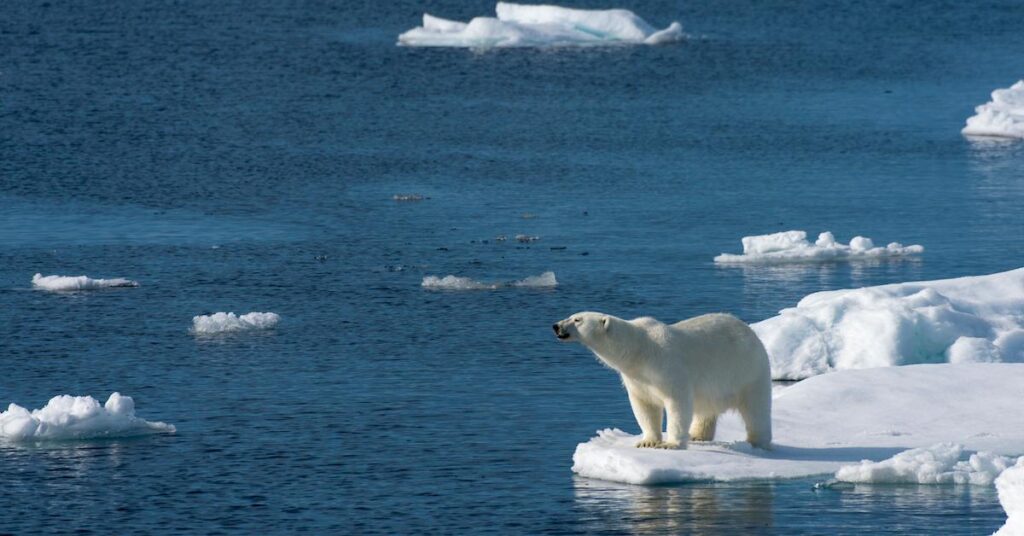
- Wildlife: Species such as polar bears, ringed seals, and walruses rely on early‑season ice for hunting, breeding, and resting. A later freeze reduces the time these animals can use stable ice, contributing to observed declines in body condition and reproductive success (moderate confidence).
- Marine food web: Phytoplankton blooms that normally peak under ice‑covered, nutrient‑rich waters may shift, altering the timing of zooplankton feeding and consequently affecting fish and higher trophic levels.
- Climate feedback: Less ice in autumn reduces the Earth’s albedo, allowing more solar energy to be absorbed, which further accelerates Arctic warming (high confidence).
Human Health and Social Impacts
- Indigenous communities that depend on sea‑ice travel for hunting and cultural activities face increased safety risks and reduced access to traditional food sources.
- Coastal erosion rates along the Arctic shoreline rise as the protective ice cover forms later, threatening infrastructure and settlements.
Economic and Infrastructure Impacts
- Shipping routes such as the Northwest Passage become seasonally longer, creating both economic opportunities and heightened risk of oil spills in poorly ice‑covered waters.
- Oil and gas operations that rely on stable ice for platform stability must adapt to a shorter safe‑operating window, increasing costs.
Regional Differences
The timing of freeze‑up varies across the Arctic basin. The central Arctic Ocean shows the most pronounced delay, while peripheral seas like the Laptev and East Siberian experience more variability due to differing inflows of warm Atlantic water. In the Canadian Arctic Archipelago, local wind patterns can either hasten or delay ice formation, leading to a broader range of observed dates. These regional patterns are consistent with satellite‑derived climatologies and highlight the need for localized monitoring.
What Scientists Know With High Confidence
- The Arctic is warming at roughly twice the global average, a trend documented by multiple assessment reports.
- Later autumn freeze‑up has been observed across most of the Arctic Ocean since the early 1980s.
- Reduced sea‑ice albedo creates a positive feedback that accelerates regional warming.
- Anthropogenic greenhouse‑gas emissions are the dominant driver of the observed temperature rise.
What Remains Uncertain
Key uncertainties include the exact magnitude of future freeze‑up delays under different emission scenarios, the regional sensitivity of marginal seas to Atlantic heat inflow, and how quickly Arctic wildlife can adapt to altered ice timing. Improved buoy networks and higher‑resolution climate models are expected to reduce these uncertainties over the next decade.
Common Misconceptions
Misconception: “Arctic sea ice is disappearing completely.”
Reality: While overall summer sea‑ice extent has declined markedly, a seasonal ice cover still forms each winter. The current concern is the timing of that formation, not its absolute absence.
Misconception: “A later freeze‑up is just a natural variability.”
Reality: Natural variability does cause year‑to‑year differences, but the long‑term trend of later freeze‑up persists across multiple independent datasets and aligns with the warming signal attributed to human activities.
Misconception: “Only polar bears are affected by later ice.”
Reality: The entire Arctic marine ecosystem—phytoplankton, fish, seals, and birds—depends on the seasonal ice cycle. Delays ripple through the food web, influencing species beyond charismatic megafauna.
Solutions and Limitations
Addressing later ice formation requires both mitigation of the root cause—global warming—and adaptation to the changes already underway.
- Mitigation: Rapid reduction of CO₂ emissions, as outlined in the IPCC’s 1.5 °C pathway, would limit further temperature rise and consequently slow the delay of freeze‑up. The limitation is that global policy implementation is uneven and requires coordinated action across nations.
- Adaptation for Indigenous communities: Co‑management of sea‑ice forecasts, investment in safer transportation technologies, and diversification of food sources can reduce vulnerability. However, cultural ties to ice‑dependent practices mean adaptation must respect traditional knowledge and autonomy.
- Infrastructure resilience: Reinforcing coastal defenses and relocating critical facilities mitigate erosion risks, but such projects are costly and may have limited lifespan as conditions continue to evolve.
- Enhanced monitoring: Expanding satellite, buoy, and autonomous underwater vehicle observations improves prediction of freeze‑up timing, aiding navigation and wildlife management. Funding and harsh operational environments constrain sensor deployment.
What Individuals, Communities, and Governments Can Do
What Individuals Can Do
- Support policies and organizations that advocate for rapid decarbonization.
- Reduce personal carbon footprints by choosing low‑emission transportation, improving home energy efficiency, and consuming less meat.
- Stay informed about Arctic issues and share credible information within personal networks.
What Communities and Organizations Can Do
- Partner with Indigenous groups to incorporate traditional ice‑knowledge into local planning.
- Invest in community‑based renewable energy projects that lower regional emissions.
- Develop emergency response plans for increased coastal erosion and ice‑related hazards.
What Governments Can Do
- Implement and strengthen national commitments under the Paris Agreement to achieve net‑zero emissions by mid‑century.
- Fund Arctic research programs that expand monitoring networks and improve climate models.
- Enact coastal zoning regulations that limit development in high‑risk erosion zones.
- Support international cooperation through the Arctic Council to share data and coordinate adaptation strategies.
Closing Synthesis
Later‑than‑ever freezing of Arctic sea ice is a clear, data‑backed signal of a warming planet. The delay stems from rising air and ocean temperatures amplified by feedbacks such as reduced albedo, and it shortens the seasonal habitat that underpins Arctic ecosystems and human ways of life. Scientists are confident about the warming trend, the observed timing shift, and its primary anthropogenic driver, while uncertainties remain about precise future trajectories and regional nuances. Mitigation of greenhouse‑gas emissions offers the most effective long‑term remedy, complemented by targeted adaptation measures that protect vulnerable communities and ecosystems. By aligning personal choices, community actions, and robust policy, society can slow further delays and safeguard the Arctic’s critical role in Earth’s climate system.
Frequently Asked Questions
What does "Arctic sea ice freezes later than ever recorded" mean?
It means the calendar date when a continuous ice cover first forms across the central Arctic Ocean has shifted to later in the autumn, with observations showing a delay of about 7–10 days compared with the late 20th century.
What are the main reasons for the delayed freeze‑up of Arctic sea ice?
The primary reasons are rising atmospheric and ocean temperatures caused by greenhouse‑gas emissions, reduced sea‑ice albedo that amplifies warming, and increased inflow of warm Atlantic water, all of which slow the heat loss needed for ice formation.
How does a later freeze‑up affect Arctic wildlife?
Species that depend on stable ice—such as polar bears, ringed seals, and walruses—have a shorter window for hunting, breeding, and resting, which can lead to poorer body condition, lower reproductive success, and population declines.
Can the delay in sea‑ice formation influence weather far from the Arctic?
Yes. Less autumn ice reduces the Earth’s albedo, allowing more solar energy to be absorbed, which can modify atmospheric circulation patterns and contribute to extreme weather events in mid‑latitude regions.
What actions can help reduce future delays in Arctic sea‑ice freeze‑up?
Rapid reduction of global CO₂ emissions to meet the Paris Agreement targets is the most effective action. Complementary measures include expanding Arctic monitoring, strengthening coastal defenses, and supporting Indigenous and community adaptation projects.





Leave a Comment