
Antibiotic overuse in food‑producing animals creates a reservoir of resistant bacteria that can spread to humans, threatening public health and destabilising ecosystems worldwide.
\n\n
Quick Answer
\n
Antibiotic overuse in food production refers to the routine administration of medically important antibiotics to livestock for growth promotion, disease prevention, or treatment in crowded conditions. The practice selects for bacteria that survive drug exposure, allowing resistant strains to multiply and eventually enter the human food chain, water supplies, or the environment. Strong scientific consensus indicates that this pathway contributes to rising rates of antimicrobial‑resistant infections, which increase treatment costs, hospital stays, and mortality risk. While the exact contribution varies by region, the overall trend is clear: reducing agricultural antibiotic use is essential for preserving drug efficacy.
\n
\n\n
Key Takeaways
\n
- \n
- Approximately 70% of medically important antibiotics in the United States are used in animal agriculture, according to the FDA (2021).
- Resistant bacteria can spread from farms to humans through meat, water, soil, and direct contact with animals.
- The World Health Organization warns that antimicrobial resistance could cause 10 million deaths annually by 2050 if unchecked.
- Environmental pathways—runoff, manure application, and wildlife—amplify the spread of resistance genes across ecosystems.
- Evidence‑based solutions include stricter regulations, improved animal husbandry, and consumer demand for antibiotic‑free products.
\n
\n
\n
\n
\n
\n
\n\n
What Is Antibiotic Overuse in Food Production?
\n
Antibiotic overuse in food production describes the non‑therapeutic or excessive therapeutic use of antibiotics that are also critical for human medicine. It includes two main practices: (1) using sub‑therapeutic doses to promote faster growth or improve feed efficiency, and (2) prophylactic treatment of entire herds to prevent disease in high‑density housing. The scope covers poultry, swine, cattle, and aquaculture worldwide. This differs from responsible veterinary treatment, which targets diagnosed infections at appropriate doses and durations.
\n\n
How Does It Work?
\n
Selection of Resistant Bacteria
\n
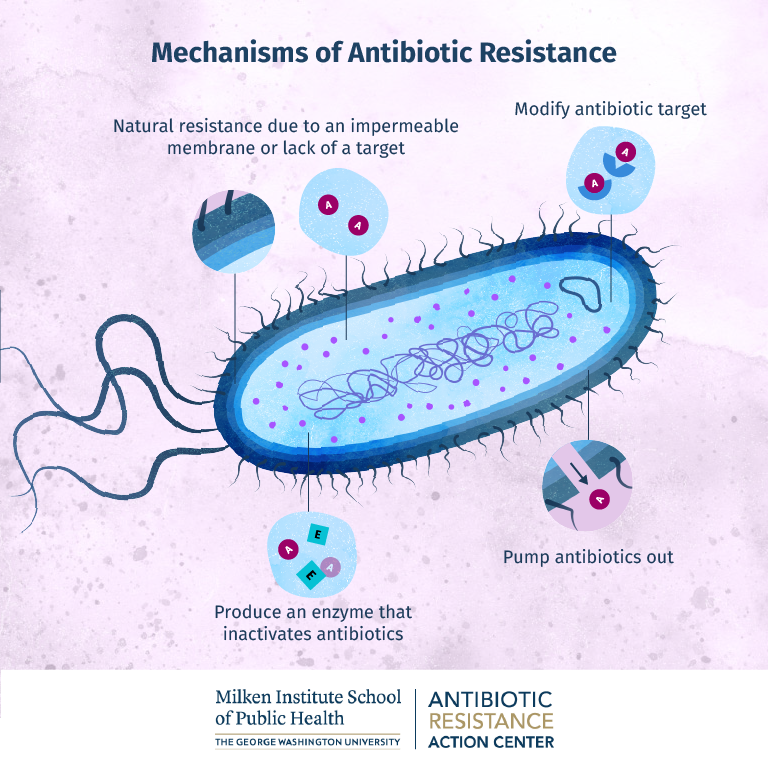
When antibiotics are present in an animal’s gut, susceptible microbes die while those with resistance mechanisms survive. These survivors multiply, creating a resistant population that can exchange resistance genes with other bacteria via plasmids.
\n
Environmental Dissemination
\n
Manure containing resistant bacteria and residual drug compounds is often spread on fields as fertilizer. Rainfall can carry these microbes into surface water, groundwater, and downstream ecosystems. Wildlife that feed on contaminated sites can further transport resistance genes across regions.
\n
Human Exposure Pathways
\n
- \n
- Consumption of meat or animal products that are insufficiently cooked.
- Contact with farm workers, veterinarians, or slaughter‑house personnel.
- Ingestion of contaminated water or produce grown on manure‑fertilized soil.
\n
\n
\n
\n
Each pathway provides an opportunity for resistant bacteria to colonize the human gut microbiome, where they may cause infection or transfer resistance genes to pathogenic species.
\n\n
What Does the Evidence Show?
\n
Multiple lines of evidence converge on the link between agricultural antibiotic use and human antimicrobial resistance:
\n
- \n
- Long‑term monitoring: The U.S. FDA’s 2021 report documented a 30 % decline in sales of medically important antibiotics for animals after voluntary reductions, accompanied by modest decreases in resistant Salmonella isolates from retail meat.
- Systematic reviews: A 2020 meta‑analysis in The Lancet Planetary Health found that farms restricting non‑therapeutic antibiotics had 40 % lower prevalence of resistant Escherichia coli in animal feces compared with conventional operations.
- Global assessments: The WHO’s 2019 Global Antimicrobial Resistance Surveillance System (GLASS) identified higher rates of resistant infections in countries with higher per‑capita livestock antibiotic consumption.
- Environmental studies: Research in the European Union reported detectable concentrations of tetracycline and resistant genes in river sediments downstream of intensive livestock regions, persisting for months after manure application.
\n
\n
\n
\n
\n
These findings, drawn from observational studies, controlled trials, and international surveillance, consistently indicate that reducing antibiotic use in agriculture lowers the burden of resistance in both animals and humans.
\n\n
Main Causes or Drivers
\n
Economic Incentives
\n
Growth‑promotion antibiotics increase feed conversion efficiency, lowering production costs and boosting profit margins, especially in large‑scale operations.
\n
Intensive Farming Systems
\n
High animal densities and limited ventilation create environments where disease spreads rapidly, prompting prophylactic drug use.
\n
Regulatory Gaps
\n
In many low‑ and middle‑income countries, veterinary antibiotics are available over‑the‑counter, and enforcement of usage guidelines is weak.
\n
Consumer Demand for Cheap Meat
\n
Price pressure drives producers to adopt practices that minimise losses, including routine antibiotic administration.
\n\n
Environmental and Human Impacts
\n
Environmental Impacts
\n
Antibiotic residues alter microbial community composition in soil and water, potentially reducing nutrient cycling efficiency. Resistant genes can become part of the environmental resistome, making future mitigation more difficult.
\n
Human Health and Social Impacts
\n
Infections caused by resistant bacteria require more expensive, often intravenous, drugs and lead to longer hospital stays. Vulnerable groups—such as the elderly, children, and immunocompromised patients—are disproportionately affected. The economic burden is estimated at $100 billion annually in the United States alone (CDC, 2022).
\n\n
Regional Differences
\n
Antibiotic use patterns vary widely:
\n
- \n
- North America and Europe have seen recent declines due to stricter regulations, yet still account for a large share of total usage because of high meat consumption.
- China and India together represent over 50 % of global livestock antibiotic sales, driven by rapid expansion of intensive farms.
- African nations often lack systematic surveillance, making the true scale of resistance uncertain, but localized studies report high levels of resistant Enterobacteriaceae in markets.
\n
\n
\n
\n\n
What Scientists Know With High Confidence
\n
- \n
- Antibiotic use in animals selects for resistant bacteria that can be transmitted to humans.
- Reducing non‑therapeutic antibiotic use leads to measurable declines in resistance prevalence in both farms and retail meat.
- Environmental pathways—manure runoff and water contamination—are significant routes for resistance gene dissemination.
\n
\n
\n
\n
\n\n
What Remains Uncertain
\n
Key knowledge gaps include the quantitative contribution of agricultural use to the overall global burden of resistance, the long‑term fate of antibiotic residues in soils, and the effectiveness of alternative practices (e.g., probiotics, improved ventilation) across diverse production systems. Better longitudinal data and standardized monitoring would reduce these uncertainties.
\n
\n\n
Common Misconceptions
\n\n
Misconception: Antibiotic residues are destroyed by cooking.
\n
Reality: While heat can degrade some drug molecules, resistant bacteria may already be present on the meat surface or in the surrounding environment, and cooking does not eliminate the resistance genes they carry.
\n\n
Misconception: Only “big‑farm” operations use antibiotics.
\n
Reality: Small‑scale and backyard producers also use antibiotics, often without veterinary oversight, contributing to the same resistance risks.
\n\n
Misconception: Antibiotic‑free labels guarantee safety.
\n
Reality: Labels indicate that animals were not given growth‑promoting antibiotics, but they may still receive therapeutic drugs when sick; resistance can still arise from other sources.
\n
\n\n
Solutions and Limitations
\n
Evidence‑based strategies fall into three categories:
\n
- \n
- Regulatory measures: Banning growth‑promotion uses (as the EU did in 2006) has reduced overall sales, but enforcement costs and industry push‑back can limit speed of adoption.
- Improved husbandry: Enhancing biosecurity, reducing stocking density, and providing better nutrition lower disease pressure, yet require capital investment and may increase production costs.
- Alternative therapeutics: Probiotics, phage therapy, and selective‑breeding for disease‑resistant traits show promise, but large‑scale efficacy data remain limited.
\n
\n
\n
\n
Each approach carries trade‑offs: stricter regulations may raise meat prices; better husbandry can be financially challenging for smallholders; alternatives may need regulatory approval and market acceptance.
\n\n
What Individuals, Communities, and Governments Can Do
\n\n
What Individuals Can Do
\n
Choose certified antibiotic‑free or organic animal products, reduce overall meat consumption, and support policies that promote responsible antibiotic use.
\n\n
What Communities and Organizations Can Do
\n
Implement local surveillance of resistance in food markets, educate farmers about biosecurity, and create cooperative buying groups that reward low‑antibiotic practices.
\n\n
What Governments Can Do
\n
Enact mandatory reporting of veterinary antibiotic sales, phase out non‑therapeutic uses, fund research into sustainable animal health alternatives, and harmonise standards across trade partners.
\n\n
Closing Synthesis
\n
Antibiotic overuse in food production creates a persistent reservoir of resistant microbes that can travel through ecosystems and into human populations. Robust evidence confirms that curbing non‑therapeutic use reduces resistance levels, yet uncertainties about exact contribution and optimal alternatives remain. Coordinated action—combining regulation, improved farm management, and consumer awareness—offers the most viable path to safeguard both public health and environmental integrity.
Frequently Asked Questions
What is antibiotic overuse in food production?
Antibiotic overuse in food production means giving livestock medically important antibiotics for growth promotion, disease prevention, or in doses higher than needed for treating a diagnosed infection. This practice creates a selective pressure that encourages resistant bacteria to develop and spread.
How can antibiotic use on farms lead to resistant infections in people?
When animals receive antibiotics, resistant bacteria can multiply in their gut. These microbes may be present on meat, enter water through runoff, or be carried by farm workers. Humans who eat contaminated food, drink polluted water, or have direct contact can acquire the resistant bacteria, which may cause infections that are harder to treat.
Which regions use the most antibiotics in livestock production?
China and India together account for over half of global livestock antibiotic sales, driven by rapid expansion of intensive farms. The United States also has high usage, with about 70 % of its medically important antibiotics sold for animal agriculture. Europe has reduced use after regulatory bans, but still consumes a sizable share.
What evidence shows that reducing agricultural antibiotic use lowers resistance?
A 2020 meta‑analysis in The Lancet Planetary Health found a 40 % drop in resistant E. coli on farms that stopped non‑therapeutic antibiotics. The U.S. FDA reported a 30 % decline in animal antibiotic sales after voluntary cuts, accompanied by fewer resistant Salmonella isolates in retail meat. Global surveillance by WHO links higher livestock antibiotic consumption with higher rates of resistant infections.
What actions can consumers take to help combat antibiotic resistance?
Consumers can choose products labeled antibiotic‑free or organic, reduce overall meat consumption, and support retailers that require responsible antibiotic practices from their suppliers. By demanding transparent labeling and purchasing lower‑risk foods, shoppers create market pressure for producers to adopt safer, antibiotic‑responsible methods.








Leave a Comment