
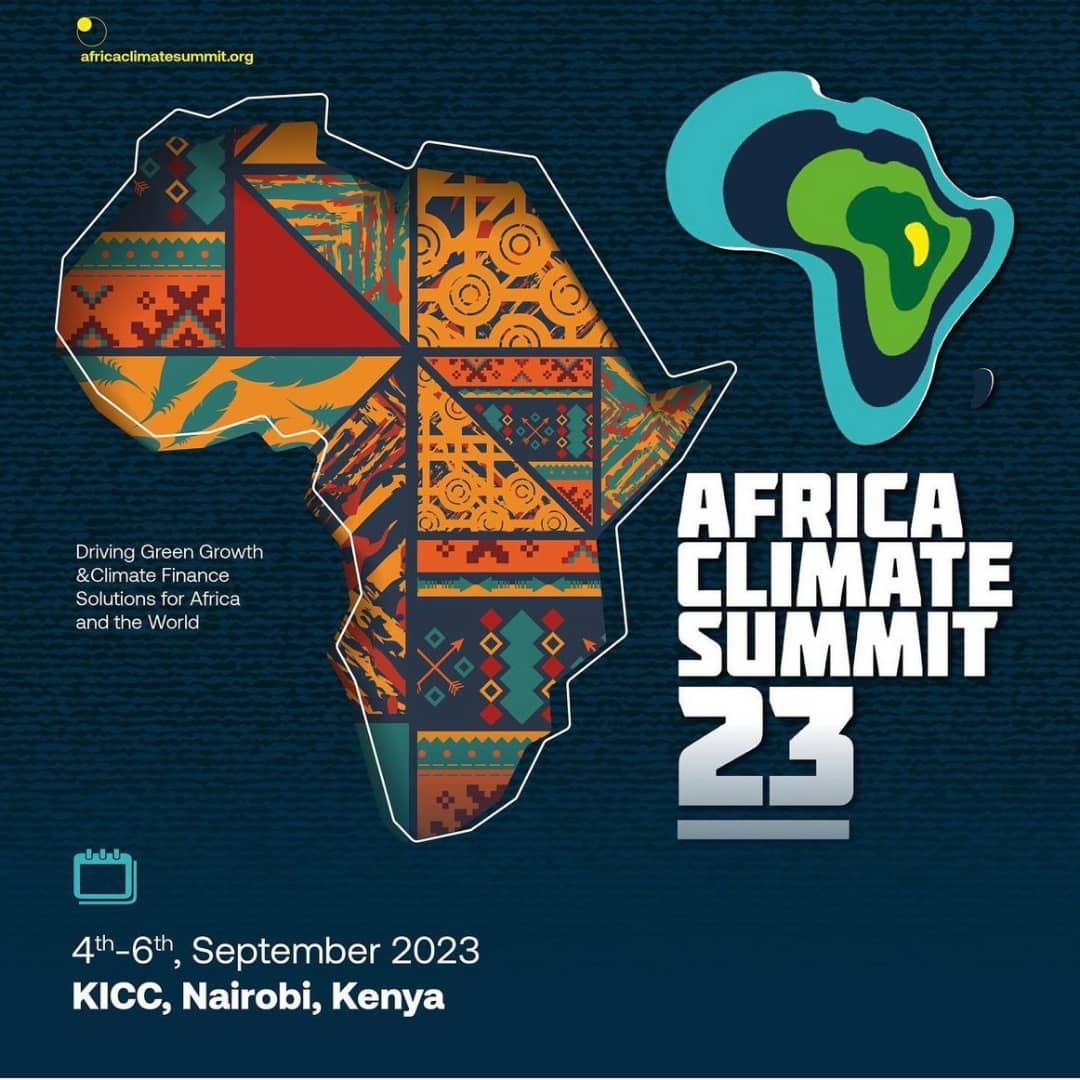
The Africa Climate Summit 2025 aims to forge continent‑wide climate action, but its success hinges on coordinated policies, financing, and implementation, raising the question of breakthrough or missed opportunity.
\n
Quick Answer
\n
The Africa Climate Summit 2025 is a high‑level diplomatic gathering intended to align African nations around common mitigation and adaptation pathways. It seeks to mobilise renewable‑energy investment, climate‑finance mechanisms, and policy frameworks that address drought, flood, and desertification risks. Scientific assessments confirm that coordinated action can reduce exposure to climate hazards, yet the summit’s impact remains uncertain because financing gaps, divergent national priorities, and implementation capacity vary across the continent.
\n
\n
Key Takeaways
\n
- \n
- Strong scientific consensus links climate‑related losses in Africa to insufficient mitigation and adaptation.
- The summit can catalyse renewable‑energy deployment, especially solar and wind, across sub‑Saharan regions.
- Effective climate finance—public, private, and blended—remains the biggest hurdle to turning pledges into projects.
- National policy coherence and cross‑border cooperation are essential to avoid fragmented outcomes.
- Monitoring, reporting, and verification mechanisms are needed to close the “implementation gap.”
\n
\n
\n
\n
\n
\n
\n
What Is Africa Climate Summit 2025: Breakthrough Moment or Missed Opportunity?
\n
The Africa Climate Summit 2025 is a biennial conference convened by the African Union, United Nations Framework Convention on Climate Change (UNFCCC), and regional development banks. Its purpose is to produce a continent‑wide climate action plan that integrates mitigation (reducing greenhouse‑gas emissions) and adaptation (building resilience to climate impacts). Unlike ad‑hoc meetings, this summit attempts to create a binding “African Climate Charter” that aligns national climate‑change strategies, financing roadmaps, and technology‑transfer agreements. The term differs from generic climate conferences because it focuses exclusively on African climatic vulnerabilities—such as Sahelian drought, East African floods, and Southern African heatwaves—and on leveraging Africa’s renewable‑energy potential.
\n
How Does It Work?
\n
1. Agenda Setting and Negotiation
\n
Member states submit national climate‑action plans (NDCs) to the summit secretariat. Technical experts compare these plans against the Intergovernmental Panel on Climate Change (IPCC) pathways for limiting warming to 1.5 °C. Negotiators then draft a collective charter that identifies common targets for renewable‑energy capacity, reforestation, and climate‑finance mobilization.
\n
2. Financing Coordination
\n
International donors, African Development Bank, and private investors convene a financing pavilion. They evaluate project pipelines, assess bankability, and negotiate blended‑finance structures that combine grants, concessional loans, and market‑rate debt.
\n
3. Implementation Framework
\n
After the summit, each country adopts the charter into national law, establishing ministries or agencies responsible for monitoring. A continental observatory, hosted by the African Climate Policy Center, publishes annual progress reports.
\n
What Does the Evidence Show?
\n
Long‑term climate monitoring by the World Meteorological Organization (WMO) indicates that Africa’s average temperature has risen by about 1.0 °C since 1970, with precipitation trends becoming more erratic (WMO, 2023). A systematic review of adaptation projects across sub‑Saharan Africa (Journal of Climate Adaptation, 2022) found that integrated water‑resource management reduced crop‑failure risk by 15 % on average when combined with early‑warning systems. Renewable‑energy studies show that solar PV capacity grew from 2 GW in 2015 to 12 GW in 2022, yet the continent still accounts for less than 2 % of global renewable generation (International Renewable Energy Agency, 2023). These lines of evidence suggest that scaling up clean energy and robust adaptation can materially lower climate‑related losses, but financing and policy coherence remain limiting factors.
\n
Main Causes or Drivers
\n
Direct Human Drivers
\n
Rapid urbanisation, fossil‑fuel‑based power generation, and deforestation for agriculture release roughly 1.2 GtCO₂ yr⁻¹ from Africa (IEA, 2022). These emissions contribute to regional warming and altered rainfall patterns.
\n
Underlying Socio‑Economic Drivers
\n
Poverty, limited access to modern energy, and reliance on climate‑sensitive livelihoods amplify vulnerability. Low‑carbon development pathways are often perceived as costly, leading to policy trade‑offs.
\n
Natural Amplifiers
\n
Land‑surface feedbacks, such as reduced vegetation cover, can intensify heatwaves, while the Atlantic Multi‑decadal Oscillation influences West African monsoon variability.
\n
Environmental and Human Impacts
\n
Environmental Impacts
\n
Increased temperature and altered precipitation exacerbate desertification in the Sahel, cause coral bleaching in the Indian Ocean, and raise the risk of forest fires in the Congo Basin. Biodiversity loss is projected to accelerate, with an estimated 10 % of endemic species facing heightened extinction risk by 2050 (IUCN, 2023).
\n
Human Health and Social Impacts
\n
Heat stress contributes to higher mortality among outdoor workers, while flood‑related water contamination raises diarrheal disease incidence. Climate‑induced migration is already observable in the Horn of Africa, where drought has displaced over 2 million people since 2019 (UNHCR, 2023).
\n
Economic and Infrastructure Impacts
\n
Infrastructure damage from extreme events cost African economies an estimated US$30 billion annually (World Bank, 2022). Agricultural productivity losses in East Africa amount to roughly US$1.5 billion per year during severe drought cycles.
\n
Regional Differences
\n
North Africa’s climate risk is dominated by water scarcity and heat, prompting investments in solar‑thermal desalination. West Africa faces coastal erosion and sea‑level rise, making mangrove restoration a priority. The Great Lakes region experiences intense rainfall variability, requiring improved watershed management. These examples illustrate that a single policy cannot address the continent’s diverse climatic challenges; tailored approaches are essential.
\n
What Scientists Know With High Confidence
\n
- \n
- Human activities are the dominant cause of observed warming in Africa since the mid‑20th century (IPCC, 2021).
- Renewable‑energy technologies can be deployed at scale and have already reduced electricity costs in several African markets.
- Climate‑related losses disproportionately affect low‑income and rural populations.
- Effective climate finance requires transparent governance and risk‑sharing mechanisms.
\n
\n
\n
\n
\n
\n
What Remains Uncertain
\n
Key uncertainties include the precise magnitude of climate‑induced migration under different socioeconomic scenarios, the long‑term performance of large‑scale solar farms in desert environments, and the effectiveness of emerging carbon‑credit schemes in delivering additionality for African projects. Improved ground‑based monitoring networks and longitudinal social‑science studies are needed to reduce these gaps.
\n
\n
Common Misconceptions
\n
Misconception: Africa contributes the most to global emissions.
\n
Reality: Africa accounts for roughly 4 % of global CO₂ emissions, far below the contributions of North America and Europe, but it bears a disproportionate share of climate impacts.
\n
Misconception: Renewable energy is too expensive for African economies.
\n
Reality: Levelized cost of electricity for utility‑scale solar has fallen below US$0.04 kWh in many African countries, making it competitive with fossil‑fuel generation when financing barriers are addressed.
\n
Misconception: Climate finance is guaranteed once a country signs the summit charter.
\n
Reality: Pledges often require detailed project pipelines, bankability assessments, and compliance with fiduciary standards before funds are disbursed.
\n
\n
Solutions and Limitations
\n
Effective responses combine mitigation, adaptation, and resilience‑building:
\n
- \n
- Renewable‑energy expansion: Solar and wind can meet up to 30 % of Africa’s electricity demand by 2040, but transmission infrastructure and grid stability remain constraints.
- Climate‑smart agriculture: Conservation tillage and drought‑tolerant crops improve yields, yet adoption is limited by knowledge gaps and input costs.
- Nature‑based solutions: Reforestation and mangrove restoration store carbon and protect coastlines, but land‑tenure insecurity can hinder implementation.
- Carbon‑pricing mechanisms: Emissions trading can generate revenue for adaptation, but market depth and regulatory capacity are still developing.
\n
\n
\n
\n
\n
What Individuals, Communities, and Governments Can Do
\n
What Individuals Can Do
\n
Adopt energy‑efficient appliances, support community solar projects, and engage in local climate‑action groups that lobby for transparent climate‑finance allocation.
\n
What Communities and Organizations Can Do
\n
Develop localized climate‑risk maps, implement water‑harvesting techniques, and create cooperative models for financing small‑scale renewable installations.
\n
What Governments Can Do
\n
Enact clear renewable‑energy targets, streamline permitting for green infrastructure, and establish robust monitoring, reporting, and verification (MRV) systems aligned with the summit charter.
\n
What Businesses and Industries Can Do
\n
Invest in low‑carbon technologies, disclose climate‑related financial risks, and partner with governments to pilot scalable adaptation solutions.
\n
Closing Synthesis
\n
The Africa Climate Summit 2025 presents both a potential breakthrough and a risk of missed opportunity. Scientific evidence confirms that coordinated mitigation and adaptation can reduce climate‑related losses, but success depends on overcoming financing gaps, ensuring policy coherence, and building robust implementation frameworks. While uncertainties remain—particularly around migration projections and technology performance—targeted actions across renewable energy, climate‑smart agriculture, and nature‑based solutions offer a pragmatic path forward. The summit’s legacy will ultimately be measured by the concrete projects that materialize and the resilience built into Africa’s ecosystems and societies.
Frequently Asked Questions
What is the main purpose of the Africa Climate Summit 2025?
The summit aims to create a continent‑wide climate‑action plan that aligns mitigation and adaptation strategies, mobilises finance, and establishes policy frameworks for African nations.
How does the summit plan to finance climate projects?
It convenes international donors, development banks, and private investors to negotiate blended‑finance structures that combine grants, concessional loans, and market‑rate debt for renewable‑energy and adaptation initiatives.
Which climate impacts affect Africa the most?
The continent faces rising temperatures, more frequent droughts in the Sahel, intensified floods in East Africa, coastal erosion in West Africa, and accelerating biodiversity loss in the Congo Basin.
What high‑confidence findings exist about renewable energy in Africa?
Renewable‑energy technologies such as solar and wind can be deployed at scale, have already lowered electricity costs, and are projected to supply a substantial share of Africa’s power demand by 2040.
What actions can ordinary citizens take to support the summit’s goals?
Individuals can improve home energy efficiency, support community solar projects, join local climate‑action groups, and advocate for transparent allocation of climate‑finance resources.








Leave a Comment