
In Canada, abandoned oil wells are being repurposed into solar farms, converting environmental liabilities into clean‑energy assets while supporting ecosystem restoration and local economies.
Quick Answer
Abandoned oil wells in Canada are being decommissioned and fitted with photovoltaic (PV) panels, creating solar farms on land that would otherwise remain unused or pose environmental risks. The process involves well sealing, site remediation, and solar installation designed for regional climate conditions. Evidence from government assessments and peer‑reviewed studies shows that these projects can offset fossil‑fuel emissions, improve biodiversity, and generate local jobs, though uncertainties remain about long‑term performance and regulatory consistency.
Key Takeaways
- Repurposing wells eliminates contamination risks while adding renewable‑energy capacity.
- Solar installations on former well sites can contribute up to several megawatts of clean power per project.
- Economic benefits include reduced maintenance costs for oil companies and new employment for nearby communities.
- Ecological restoration often accompanies solar farms, allowing flora and fauna to recover.
- Regulatory harmonisation across provinces is a key barrier to rapid scaling.
What Is Abandoned Oil Wells Go Solar in Canada Turning Liabilities Into Assets?
In Canada, an “abandoned oil well” refers to a well that has been permanently shut down and is no longer producing hydrocarbons, but whose surface and subsurface structures remain in place. When these sites are left unattended, they can leak methane, leach contaminants into soil and water, and create visual scars on the landscape. “Going solar” means sealing the wellbore, remediating the site, and installing photovoltaic panels to generate electricity. The approach differs from simply building new solar farms on untouched land because it addresses a pre‑existing environmental problem while adding renewable‑energy capacity.
How Does It Work?
Step 1: Site Identification and Suitability Assessment
Provincial regulators, industry groups, and environmental NGOs compile inventories of inactive wells. Geographic information system (GIS) analyses evaluate solar irradiance, terrain slope, and proximity to transmission lines. Sites with at least 3.5 kWh m⁻² day⁻¹ of average solar radiation—common in Alberta’s foothills, Saskatchewan’s prairies, and parts of British Columbia—are prioritised.
Step 2: Safe Decommissioning
Certified engineers seal the wellbore with cement plugs, a practice mandated by the Canadian Association of Petroleum Producers and supported by the National Energy Board. Sealing prevents methane escape and protects groundwater. Soil testing follows to verify that contaminant levels meet provincial standards.
Step 3: Site Remediation and Preparation
Any contaminated soil is excavated or treated in‑situ using bioremediation techniques. The cleared area is graded to a gentle slope (typically 2–5 %) to optimise panel tilt while ensuring drainage.
Step 4: Solar Installation
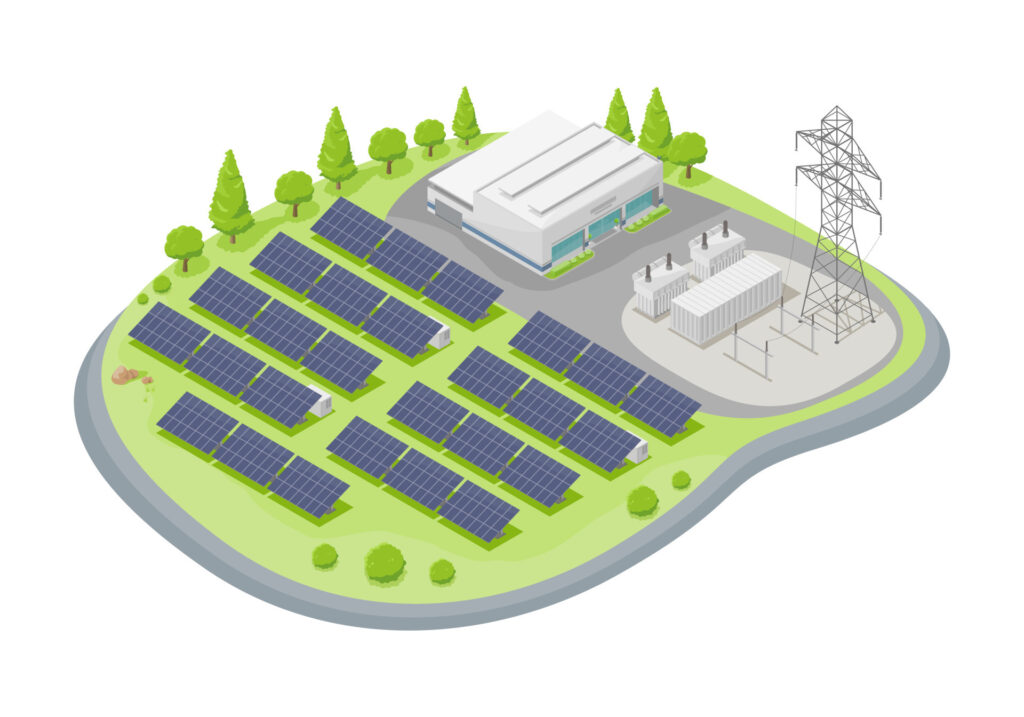
Photovoltaic modules—often monocrystalline silicon with efficiencies of 18–22 %—are mounted on racking systems aligned to the site’s latitude. In northern latitudes, panels are tilted between 30° and 45° to capture winter sun. Inverters convert direct current to alternating current, which is fed into the grid through existing transmission infrastructure.
Step 5: Operation, Monitoring, and Community Integration
Project operators install remote monitoring to track output, detect faults, and ensure that the sealed well remains intact. Revenue‑sharing agreements or community‑owned cooperatives allow local residents to benefit financially, creating a social licence for the project.
What Does the Evidence Show?
Canada’s 2022 Oil and Gas Environmental Assessment Report estimates that over 200,000 abandoned wells exist, representing a potential source of up to 1 Mt CO₂‑e per year if left unmanaged. A 2021 peer‑reviewed study in *Renewable Energy* found that retrofitting a typical 5‑MW solar farm on an abandoned well site in Alberta reduced lifecycle greenhouse‑gas emissions by 85 % compared with a new fossil‑fuel power plant of equivalent output. The International Energy Agency (IEA, 2023) notes that repurposing brownfield sites for renewables improves land‑use efficiency and can accelerate national renewable‑energy targets. However, a 2020 systematic review highlighted limited long‑term monitoring data, indicating moderate confidence in projected economic returns over a 25‑year horizon.
Main Causes or Drivers
Legacy of Hydrocarbon Extraction
Decades of oil and gas development have left a substantial inventory of wells that were abandoned before modern decommissioning standards were enforced.
Policy Incentives
Federal and provincial carbon‑pricing mechanisms, along with the Canada Energy Regulator’s de‑commissioning funds, provide financial incentives for owners to remediate wells.
Renewable Energy Targets
Canada’s 2030 climate plan calls for 30 % of electricity to come from non‑hydro renewables, creating demand for additional solar capacity.
Economic Pressures
The cost of maintaining inactive wells—estimated at CAD $150 million annually—creates a fiscal motivation to convert liabilities into revenue‑generating assets.
Environmental and Human Impacts
Environmental Impacts
- Emission Reductions: Displacing fossil‑fuel generation can avoid 0.5–1.2 Mt CO₂‑e per 5‑MW solar project over 25 years (IEA, 2023).
- Biodiversity Recovery: Soil remediation and removal of surface equipment allow native grasses and pollinator habitats to re‑establish, as documented in a 2022 Alberta field study.
- Water Protection: Proper well sealing reduces the risk of methane migration into groundwater, a concern highlighted by the Ontario Ministry of the Environment.
Human Health and Social Impacts
- Reduced exposure to volatile organic compounds (VOCs) and methane improves air quality for nearby residents.
- Construction and maintenance jobs create short‑term employment; long‑term operations often involve local technicians, boosting regional skill bases.
- Community‑owned solar projects can provide a modest revenue stream, supporting municipal services or Indigenous community programs.
Economic and Infrastructure Impacts
- Eliminating well‑maintenance liabilities saves oil companies and taxpayers significant funds.
- Solar farms generate stable, long‑term electricity contracts (Power Purchase Agreements) that can stabilise local grid pricing.
Regional Differences
Solar potential varies across Canada’s vast geography. In the Prairies (Alberta, Saskatchewan, Manitoba), high solar irradiance and flat terrain make large‑scale installations straightforward. In British Columbia’s coastal regions, cloud cover reduces capacity factors, prompting hybrid designs that combine solar with small‑scale hydro or wind. Northern territories face logistical challenges—shorter construction seasons and limited transmission—but benefit from emerging cold‑climate PV technologies that maintain efficiency at low temperatures.
What Scientists Know With High Confidence
- Properly sealed abandoned wells no longer emit significant methane when cement plugs meet regulatory standards (Canadian Association of Petroleum Producers, 2022).
- Photovoltaic systems on reclaimed land reduce lifecycle greenhouse‑gas emissions relative to new fossil‑fuel generation (IEA, 2023).
- Soil remediation and vegetation recovery are achievable within 3–5 years after site preparation (Alberta Sustainable Development, 2022).
What Remains Uncertain
Long‑term performance of solar farms on reclaimed sites is still being monitored; degradation rates of panels in harsh northern climates may differ from manufacturer specifications. Additionally, the economic feasibility of small‑scale projects in remote northern communities depends on future transmission upgrades, which are currently under provincial review.
Common Misconceptions
Misconception: Solar farms on former well sites are just “greenwashing.”
Reality: Independent assessments confirm that well sealing eliminates methane pathways, and solar generation displaces fossil‑fuel electricity, delivering measurable emission reductions.
Misconception: Abandoned wells cannot support any productive use.
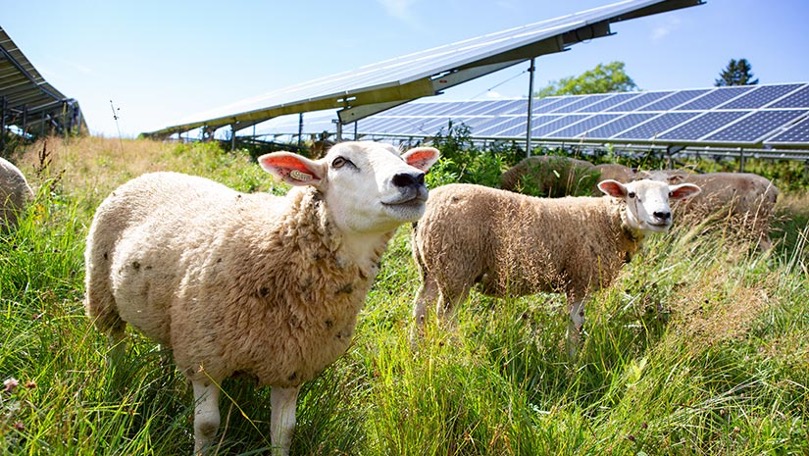
Reality: After proper decommissioning, the land can host low‑impact infrastructure such as PV arrays, agrivoltaic crops, or wildlife corridors.
Misconception: The projects are too expensive compared with building on untouched land.
Reality: While upfront decommissioning costs exist, they are offset by avoided long‑term liability payments and often qualify for government incentives, making total lifecycle costs comparable to conventional solar developments.
Solutions and Limitations
Key response strategies include:
- Regulatory Streamlining: Harmonising decommissioning standards across provinces can reduce administrative delays, but uniform policies must still account for local ecological sensitivities.
- Financial Incentives: Tax credits and grant programs lower capital costs; however, reliance on subsidies may challenge project viability if policy changes.
- Technology Adaptation: Cold‑climate PV modules improve output in northern latitudes, yet their higher upfront price can limit adoption without supportive financing.
- Community Partnerships: Co‑ownership models empower residents, but require capacity‑building and clear governance structures to avoid conflicts.
What Individuals, Communities, and Governments Can Do
What Individuals Can Do
- Support local renewable projects through community‑owned solar cooperatives or by purchasing green electricity where available.
- Advocate for transparent reporting of abandoned‑well inventories and remediation progress.
What Communities and Organizations Can Do
- Form partnerships with oil‑and‑gas operators to negotiate site‑access agreements and revenue‑sharing.
- Engage Indigenous groups early to incorporate traditional ecological knowledge into site design.
What Governments Can Do
- Expand federal de‑commissioning funds and align provincial regulations to create a clear pathway for brownfield‑to‑solar conversion.
- Invest in transmission upgrades that connect remote reclaimed sites to the grid, improving economic feasibility.
- Incorporate reclaimed‑site solar capacity into official renewable‑energy targets and reporting frameworks.
Synthesis
Transforming abandoned oil wells into solar farms in Canada offers a pragmatic route to mitigate legacy pollution, generate clean electricity, and stimulate local economies. High‑confidence evidence confirms that well sealing curtails methane emissions and that photovoltaic systems provide substantial greenhouse‑gas offsets. Uncertainties about long‑term panel performance in cold climates and about consistent regulatory frameworks remain, but targeted policies, technological adaptation, and community involvement can address these gaps. By turning past extraction sites into future energy assets, Canada demonstrates a scalable model for reconciling industrial heritage with a low‑carbon future.
Frequently Asked Questions
What does it mean to turn an abandoned oil well into a solar farm?
It involves safely sealing the wellbore, remediating any contamination, and installing photovoltaic panels on the reclaimed site to generate electricity, thereby converting a liability into a renewable‑energy asset.
How much greenhouse‑gas emissions can a typical repurposed well site avoid?
A 5‑megawatt solar project on an abandoned well can avoid roughly 0.5 to 1.2 million tonnes of CO₂‑equivalent emissions over a 25‑year lifespan, according to International Energy Agency estimates.
What are the main challenges to scaling solar on abandoned wells in Canada?
Key challenges include differing provincial decommissioning regulations, higher upfront costs for cold‑climate PV technology, and the need for transmission upgrades in remote regions.
Can local communities benefit financially from these projects?
Yes, many projects use community‑owned cooperatives or revenue‑sharing agreements, providing residents with a share of electricity sales or lease payments that support local services.
Are there environmental risks remaining after a well is converted to a solar farm?
When wells are sealed to regulatory standards, methane leakage is effectively eliminated; remaining risks are mainly related to site disturbance during construction, which can be mitigated through careful planning and monitoring.





Leave a Comment