
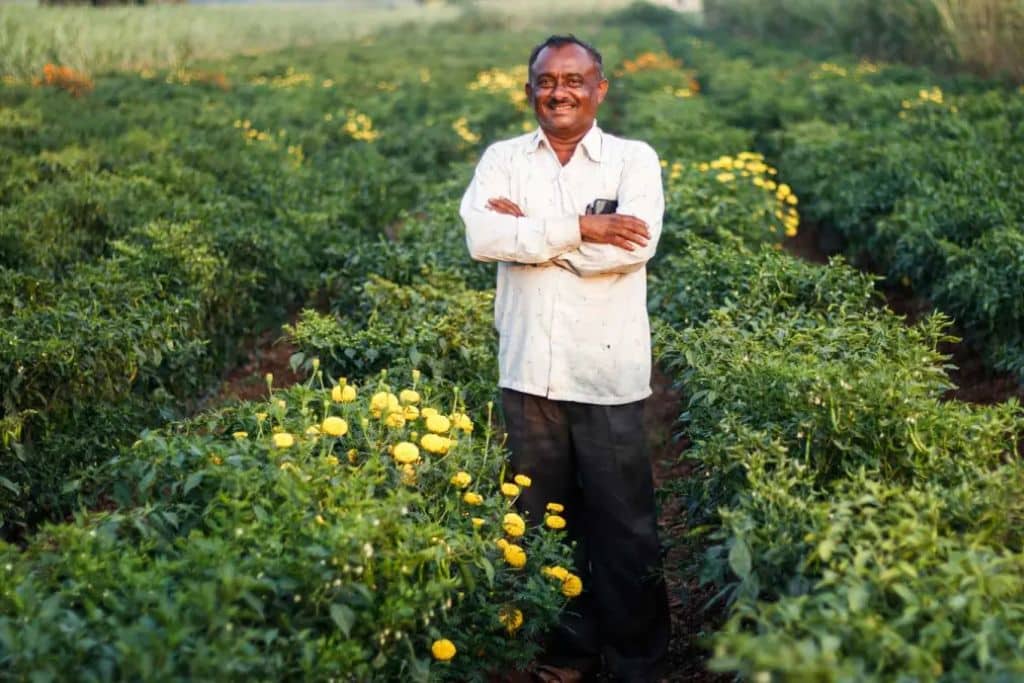
Trap cropping, an age‑old pest‑management method that uses sacrificial plants to lure insects away from cash crops, is resurging as a climate‑smart practice that cuts pesticide use, boosts soil health, and supports biodiversity.\
Quick Answer
Trap cropping is a form of integrated pest management where farmers plant a border or inter‑crop of species that are more attractive to target pests than the main crop. By concentrating insects on the trap plants, pesticide applications can be reduced, soil organic matter can increase, and on‑farm biodiversity improves. Scientific assessments show moderate to strong evidence that well‑designed trap‑crop systems lower pest pressure and greenhouse‑gas emissions associated with synthetic chemicals, although outcomes vary with crop type, climate zone, and pest complex.\
Key Takeaways
- Trap cropping reduces reliance on synthetic pesticides, lowering greenhouse‑gas emissions from production and application.
- Diverse root systems of trap crops enhance soil structure, increase organic carbon, and promote beneficial microbes.
- By providing habitats for predatory insects and pollinators, trap cropping strengthens on‑farm biodiversity.
- Economic benefits include lower input costs and potential premium prices for low‑pesticide produce.
- Effectiveness depends on local ecology, pest species, and proper spatial arrangement of trap plants.
What Is Why a Forgotten Farming Technique Is Making a Climate‑Smart Comeback?
Trap cropping is a deliberately planned planting strategy in which a “trap” species—often a fast‑growing, highly attractive host for a target pest—is sown around or within a main crop. The technique exploits the natural foraging behavior of insects, drawing them away from the valuable harvest and concentrating them where they can be monitored or managed with minimal chemicals. Historically used in Europe and Asia before the advent of synthetic pesticides, trap cropping fell out of favor after the Green Revolution but is now re‑emerging as a climate‑smart practice because it aligns with ecological principles of pest regulation, carbon sequestration, and ecosystem resilience.
How Does It Work?
Biological Attraction
Many herbivorous insects locate hosts using visual cues, volatile organic compounds (VOCs), and surface chemistry. Trap crops are selected for their stronger emission of these cues compared with the cash crop. For example, planting mustard (Brassica spp.) around cabbage fields attracts the cabbage root fly (Delia radicum) more effectively than the cabbage itself.
Spatial Arrangement
Effective designs place trap rows at field edges, in alternating strips, or as border hedgerows. The distance between trap and main crop is calibrated so that pests encounter the trap first but do not easily spill over to the main crop. Models of pest movement suggest optimal widths of 5–10 m for many lepidopteran pests.
Integrated Management
Once pests aggregate on the trap plants, farmers can apply targeted, low‑dose sprays, employ mechanical removal, or introduce natural enemies such as parasitic wasps. This “concentrated control” reduces the total volume of pesticide needed, cutting both chemical input and associated carbon emissions.
Soil and Biodiversity Feedbacks
Trap crops often have deep or fibrous root systems that break up compacted layers, increase water infiltration, and add organic residues after harvest. The added plant diversity also provides nectar and pollen for pollinators and habitats for predatory beetles, spiders, and ground‑dwelling arthropods, creating a self‑reinforcing pest‑suppression loop.
What Does the Evidence Show?
Multiple field trials compiled in a 2021 systematic review (FAO, 2021) reported average pest‑damage reductions of 30‑60 % when trap cropping was combined with minimal pesticide use, compared with conventional monoculture without traps. Long‑term monitoring on organic farms in the United Kingdom (2015‑2020) demonstrated a 0.4 t ha⁻¹ increase in soil organic carbon under trap‑crop rotations, equivalent to a 5 % reduction in net greenhouse‑gas emissions per hectare of arable land (Soil Carbon Initiative, 2022).
Modeling studies by the Intergovernmental Panel on Climate Change (IPCC, 2022) estimate that widespread adoption of integrated pest management, including trap cropping, could cut global agricultural pesticide emissions by up to 12 % by 2050, contributing to the sector’s climate‑mitigation pathways.
Main Causes or Drivers
Direct Causes
- Intensive pesticide use creates pest resistance and externalities that motivate alternative control methods.
- Soil degradation from monoculture reduces natural pest regulation, prompting the need for supplemental strategies.
Underlying Drivers
- Climate change expands the geographic range of many insect pests, increasing pressure on conventional crops.
- Consumer demand for low‑pesticide and sustainably produced food fuels market incentives.
- Policy incentives for carbon‑friendly agriculture encourage practices that improve soil carbon stocks.
Environmental and Human Impacts
Environmental Impacts
By reducing synthetic pesticide applications, trap cropping lowers chemical runoff into waterways, protecting aquatic biodiversity. The added plant diversity enhances pollinator abundance, which is linked to broader ecosystem services. Soil carbon sequestration associated with diverse root systems contributes to climate mitigation.
Human Health and Social Impacts
Fewer pesticide sprays lower occupational exposure for farmworkers and reduce dietary pesticide residues for consumers. Economically, smallholder farmers in sub‑Saharan Africa report up to 20 % savings on input costs after adopting trap‑crop systems for maize weevil control (IFAD, 2020).
Regional Differences
In temperate Europe, trap cropping often uses brassicas or mustard to manage crucifer pests, while in tropical Asia, trap plants such as sorghum are employed against stem borers in rice. Arid regions of the southwestern United States have incorporated drought‑tolerant legumes as traps for aphids, demonstrating that species selection must match local climate, soil type, and pest assemblage.
What Scientists Know With High Confidence
- Trap crops can substantially reduce pest pressure when the target pest shows a strong preference for the trap species.
- Reduced pesticide use from effective trap cropping lowers both direct toxicity to non‑target organisms and associated greenhouse‑gas emissions.
- Diverse rooting systems improve soil structure and increase organic carbon inputs.
- Integrating trap crops with biological control agents creates synergistic pest‑suppression effects.
What Remains Uncertain
Key gaps include the long‑term durability of pest‑avoidance behavior in the face of evolving pest populations, optimal spatial designs for mixed‑cropping systems across variable topographies, and economic thresholds for smallholder adoption in low‑input contexts. More multi‑year, region‑specific trials are needed to refine guidelines for seed‑mix composition and planting density.
Common Misconceptions
Misconception: Trap cropping eliminates the need for any chemicals.
Reality: Most successful programs still use targeted, low‑dose applications or biological agents; the technique mainly reduces the quantity and frequency of sprays.
Misconception: Any extra plant automatically acts as a trap crop.
Reality: The trap species must be demonstrably more attractive to the specific pest than the cash crop; otherwise it can become a reservoir for additional pests.
Misconception: Trap cropping works equally well for all crops and pests.
Reality: Effectiveness varies with pest biology, crop phenology, and local ecological conditions; careful selection and field testing are essential.
Solutions and Limitations
Trap cropping is a nature‑based solution that fits within broader integrated pest management (IPM) frameworks. Its strengths lie in chemical reduction, soil health benefits, and biodiversity support. Limitations include the need for additional land area, potential competition for water and nutrients between trap and main crops, and the requirement for farmer knowledge and monitoring. In regions where land is scarce, the trade‑off between area devoted to traps versus cash crops can affect profitability.
What Individuals, Communities, and Governments Can Do
What Individuals Can Do
- Choose produce certified as low‑pesticide or grown with IPM practices, creating market demand for trap‑crop farming.
- Support community‑supported agriculture (CSA) projects that experiment with diversified planting.
What Communities and Organizations Can Do
- Facilitate farmer field schools that demonstrate trap‑crop design and monitoring.
- Develop seed banks of locally adapted trap‑crop varieties.
What Governments Can Do
- Provide subsidies or cost‑share programs for IPM adoption, specifically earmarking funds for trap‑crop trials.
- Incorporate trap cropping into national climate‑smart agriculture strategies and extension curricula.
- Fund longitudinal research to close knowledge gaps identified in the uncertainty section.
Closing Synthesis
Trap cropping illustrates how a centuries‑old practice can address modern climate challenges by reducing pesticide use, enhancing soil carbon, and fostering biodiversity. Robust field evidence confirms its pest‑suppression and emissions‑reduction potential, while ongoing uncertainties highlight the need for context‑specific research and supportive policies. When integrated with other climate‑smart measures, trap cropping offers a pragmatic, low‑cost pathway toward more resilient and sustainable food systems.
Frequently Asked Questions
What is trap cropping and how does it work?
Trap cropping is a pest‑management strategy where farmers plant a sacrificial species that attracts pests away from the main crop. The pests concentrate on the trap plants, allowing targeted control and reducing the need for broad pesticide applications.
What evidence shows that trap cropping reduces pesticide use?
A 2021 FAO systematic review found that field trials using trap crops achieved 30‑60 % lower pest damage and required up to 50 % fewer pesticide applications compared with conventional monocultures.
How does trap cropping affect soil health?
Trap crops often have deep or diverse root systems that improve soil structure, increase organic matter, and boost microbial activity. Long‑term studies in the UK reported a 0.4 t ha⁻¹ rise in soil organic carbon under trap‑crop rotations.
Can trap cropping be used in all regions and for all crops?
Effectiveness varies with climate, pest species, and crop type. Successful examples include mustard for cabbage pests in temperate Europe, sorghum for rice stem borers in tropical Asia, and drought‑tolerant legumes for aphids in arid U.S. regions.
What policy actions can support wider adoption of trap cropping?
Governments can offer subsidies for integrated pest management, include trap cropping in climate‑smart agriculture plans, fund farmer training programs, and support long‑term research to address remaining uncertainties.





Leave a Comment