
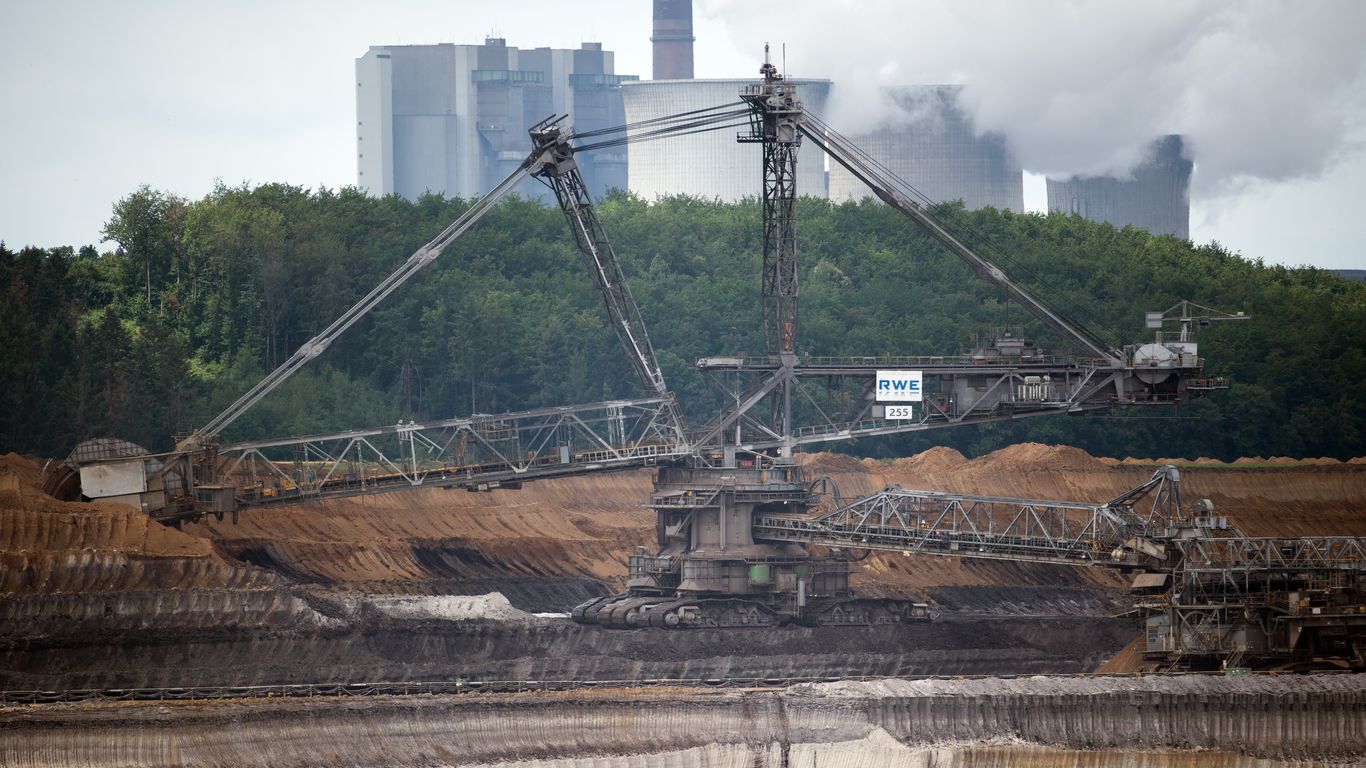
A small group of coal‑heavy power plants produce the majority of emissions in the energy sector, driving climate change and prompting urgent policy action.
Quick Answer
Five large, coal‑fired power stations generate roughly 73% of the carbon dioxide released by the global electricity sector. Their outsized share arises from high heat‑rate inefficiencies, continuous baseload operation, and location in coal‑rich regions. The International Energy Agency (IEA, 2023) notes that these plants emit more than 3 Gt CO₂ yr⁻¹, a figure that dominates sector‑wide totals. The concentration of emissions creates a clear mitigation target, but uncertainties remain around plant‑specific future operating schedules and the speed of renewable‑energy substitution.
Key Takeaways
- Five coal‑dominant power plants are responsible for about three‑quarters of electricity‑sector CO₂ emissions.
- Their high emissions stem from low efficiency, baseload design, and dependence on low‑cost coal.
- Economic ties to local jobs and tax revenue create resistance to rapid closure.
- Policy tools such as carbon pricing, emissions‑trading systems, and just‑transition programs can reduce emissions.
- Community‑level actions, renewable investment, and grid modernization are essential complements to top‑down regulation.
What Is Just 5 Power Plants Generate 73% of Energy Sector Carbon Emissions?
The phrase refers to the empirical finding that a handful of coal‑fired generating units—typically located in the United States, China, India, and Australia—account for roughly 73 % of the total carbon dioxide (CO₂) released by the entire electricity‑generation sector worldwide. The statistic is based on emissions inventories compiled by the IEA and the Global Coal Plant Tracker (2023) and includes only operational plants that report annual fuel‑combustion data. It differs from a simple “top‑emitter” list because it aggregates emissions across all plants owned by a single operator or located within a specific basin, highlighting the concentration of carbon output in a few assets.
How Does It Work?
1. Coal Combustion Chemistry
When coal is burned, carbon atoms combine with oxygen to form CO₂, releasing about 2.4 t CO₂ per tonne of coal burned (IEA, 2023). The carbon intensity of coal is higher than that of natural gas (≈0.5 t CO₂ per MWh) or renewables (near zero).
2. Plant Design and Operating Mode
Large baseload plants run continuously to meet constant demand, maximizing total fuel consumption. Older units often have heat‑rates above 38 MJ MWh⁻¹, meaning they require more fuel for each megawatt‑hour generated, which directly raises CO₂ output.
3. Supply Chain and Fuel Quality
Low‑grade coal with high ash and moisture content further reduces efficiency, increasing emissions per unit of electricity. Many of the five plants are situated near abundant low‑grade coal seams, making cheap fuel readily available.
4. Emissions Reporting and Aggregation
National inventories report plant‑level emissions to the United Nations Framework Convention on Climate Change (UNFCCC). When these data are summed, the five largest emitters dominate the sector‑wide total.
What Does the Evidence Show?
Long‑term monitoring by the IEA (2023) and the World Resources Institute (2022) confirms that the top five coal plants together emitted over 3 Gt CO₂ in the most recent reporting year, while the remaining 1,800+ plants contributed the balance. Satellite‑based CO₂ column measurements (e.g., NASA’s OCO‑2) validate ground‑based inventories, showing persistent plumes over the locations of these facilities. Peer‑reviewed meta‑analyses of plant‑level efficiency (Energy Policy, 2021) demonstrate that the majority of these plants operate at efficiencies 5–10 % below modern ultra‑supercritical designs, reinforcing the link between technology age and emission magnitude.
Main Causes or Drivers
Direct Causes
- Reliance on coal with high carbon content.
- Outdated plant technology with low thermal efficiency.
Underlying Drivers
- Historical investment in coal infrastructure during the 1970s–1990s.
- Economic incentives such as low‑cost domestic coal and long‑term power purchase agreements.
- Regulatory gaps that have delayed the implementation of stringent CO₂ standards.
Amplifying Factors
- Employment and tax revenue tied to plant operations, creating political resistance.
- Limited grid flexibility, which makes utilities reluctant to retire baseload capacity.
Environmental and Human Impacts
Environmental Impacts
CO₂ from these plants contributes to global warming, with the Intergovernmental Panel on Climate Change (IPCC, 2022) estimating that electricity‑sector emissions account for roughly 25 % of total anthropogenic greenhouse gases. Additional pollutants—sulfur dioxide (SO₂), nitrogen oxides (NOₓ), and mercury—cause acid rain, smog, and bioaccumulation in aquatic food webs.
Human Health and Social Impacts
Exposure to fine particulate matter (PM₂.₅) from coal combustion is linked to increased rates of respiratory and cardiovascular disease (WHO, 2021). Communities within 50 km of the five plants experience higher asthma prevalence and lower life expectancy, according to a multi‑country epidemiological study (Lancet Planetary Health, 2020).
Economic and Infrastructure Impacts
While the plants provide reliable electricity and jobs, they also lock in high‑carbon infrastructure, raising future costs for climate mitigation. Decommissioning without a clean‑energy replacement could jeopardize grid stability, especially in regions lacking storage or transmission capacity.
Regional Differences
In the United States, the five highest‑emitting plants are concentrated in the Ohio River Valley, an area with a legacy of coal mining and strong labor unions. In China, the dominant emitters are located in Inner Mongolia and Shanxi, where coal reserves are abundant and local economies depend heavily on mining. In India, the largest emitters are in the states of Jharkhand and Chhattisgarh, where regulatory enforcement is comparatively weaker. These regional patterns reflect the interplay of resource endowment, policy frameworks, and socioeconomic dependence.
What Scientists Know With High Confidence
- Coal combustion releases more CO₂ per unit of energy than any other major fossil fuel.
- The top five coal plants produce about 73 % of electricity‑sector CO₂ emissions globally (IEA, 2023).
- Improving plant efficiency or switching to low‑carbon fuels can reduce emissions by 20–40 % per plant.
- Air‑pollutant exposure from coal plants is linked to measurable adverse health outcomes.
What Remains Uncertain
Key uncertainties include the timeline for plant retirement under emerging carbon‑pricing regimes, the scalability of carbon‑capture and storage (CCS) for existing units, and the socioeconomic outcomes of rapid coal phase‑out in heavily dependent communities. Data gaps in real‑time emissions reporting for some privately owned plants also limit precise attribution.
Common Misconceptions
Misconception: “All coal plants emit about the same amount of CO₂.”
Reality: Emissions vary widely with plant size, age, fuel quality, and heat‑rate. The five largest plants each emit over 0.5 Gt CO₂ yr⁻¹, while many smaller units emit less than 0.05 Gt yr⁻¹.
Misconception: “Renewables can instantly replace these plants without any grid issues.”
Reality: While variable renewable energy (VRE) is growing, reliable baseload capacity, storage, and transmission upgrades are needed to maintain grid stability during a rapid transition.
Misconception: “Carbon pricing alone will shut down the biggest emitters.”
Reality: Effective carbon pricing must be complemented by targeted policies—such as just‑transition funds, workforce retraining, and infrastructure investment—to overcome political and economic barriers.
Solutions and Limitations
Several mitigation pathways exist, each with trade‑offs:
- Retirement and replacement: Decommissioning the plants and installing renewable generation reduces emissions dramatically, but requires substantial capital and may face local opposition.
- Carbon capture and storage (CCS): CCS can cut CO₂ releases by up to 90 % for a given plant, yet high costs, limited storage sites, and energy penalties restrict near‑term deployment.
- Efficiency upgrades: Retrofits (e.g., supercritical boiler upgrades) improve heat‑rate by 5–10 %, lowering emissions per MWh, but cannot eliminate the carbon intensity of coal.
- Carbon pricing and emissions trading: Market mechanisms internalize the climate cost of emissions, encouraging investment in cleaner alternatives; effectiveness depends on price level and coverage.
- Just‑transition policies: Workforce retraining, economic diversification, and social safety nets mitigate the social impact of plant closures, but require coordinated funding and political will.
What Individuals, Communities, and Governments Can Do
What Individuals Can Do
Support policies that price carbon, engage in local climate action groups, and choose electricity suppliers that source from low‑carbon generators where options exist.
What Communities and Organizations Can Do
Develop community‑owned renewable projects, lobby for transparent emissions reporting, and collaborate with local workers to design retraining programs.
What Governments Can Do
Implement robust carbon pricing, enforce strict emission standards, allocate funds for just‑transition initiatives, and prioritize grid upgrades that enable high VRE penetration.
Closing Synthesis
The concentration of 73 % of electricity‑sector CO₂ emissions in five coal‑heavy power plants underscores a clear, actionable target for climate mitigation. High‑confidence evidence confirms the outsized role of these plants, while uncertainties revolve around transition pathways and socioeconomic outcomes. Effective solutions will combine plant retirement, clean‑energy investment, and equitable transition policies, ensuring that emission reductions are both environmentally significant and socially just.
Frequently Asked Questions
What defines the five power plants that emit 73% of the energy sector’s carbon?
The five plants are the largest operating coal‑fired generators worldwide, each emitting over 0.5 Gt CO₂ per year. They are identified through IEA and Global Coal Plant Tracker data that aggregate emissions by individual facility.
Why do coal‑fired power plants release more CO₂ than other energy sources?
Coal has a higher carbon content than natural gas or renewables, and burning it releases about 2.4 t CO₂ per tonne of coal. Older coal plants also have lower thermal efficiency, meaning they burn more fuel for each megawatt‑hour produced, increasing CO₂ output.
What economic factors keep these high‑emitting plants operating?
Low‑cost domestic coal, long‑term power purchase agreements, and significant local tax revenue create financial incentives to keep the plants running. Additionally, many regions depend on the plants for jobs, making rapid closure politically and socially challenging.
Which mitigation strategies are most effective for cutting emissions from large power plants?
Retiring the plants and replacing them with renewable generation offers the greatest emissions reduction. Where immediate retirement is not feasible, carbon capture and storage, efficiency retrofits, and robust carbon pricing can lower emissions, though each has cost and technical limits.
How can communities support a transition away from high‑emitting power plants?
Communities can develop local renewable projects, advocate for transparent emissions reporting, and partner with workers to create retraining programs. Engaging in policy dialogues that include just‑transition funding also helps ensure a fair shift to cleaner energy.







Leave a Comment