

Rising ocean temperatures driven by climate change are causing repeated bleaching, disease, and structural loss in five iconic coral reef systems, threatening biodiversity, coastal livelihoods, and global ecosystem services.
Quick Answer
Coral reefs are marine ecosystems built by the calcium carbonate skeletons of tiny animals called polyps. When seawater warms just 1°C above the long‑term average, the symbiotic algae (zooxanthellae) that give corals their colour and most of their energy are expelled, a phenomenon known as bleaching. Persistent heat stress, documented by the Intergovernmental Panel on Climate Change (IPCC) and long‑term NOAA monitoring, leads to coral mortality, reduced biodiversity, and loss of services such as fisheries and coastal protection. Five reefs – the Great Barrier Reef, the Mesoamerican Reef, the Coral Triangle, the Red Sea Reef, and Caribbean reefs – are experiencing the most severe, documented declines. While the overall trend is clear, uncertainties remain about local adaptation capacity and the exact timing of ecosystem collapse under different emissions pathways.
Key Takeaways
- Ocean warming of just 1°C can trigger mass bleaching events that have already reduced coral cover by up to 50% in some regions.
- The Great Barrier Reef, Mesoamerican Reef, Coral Triangle, Red Sea Reef, and Caribbean reefs are the most affected systems worldwide.
- Bleaching interacts with disease, nutrient runoff, and physical damage from storms, amplifying ecosystem loss.
- High‑confidence science links these declines directly to anthropogenic greenhouse‑gas emissions.
- Effective responses combine greenhouse‑gas mitigation, local water‑quality management, and active restoration, but each has limits.
What Is 5 Coral Reefs Currently Dying From Climate Change and Ocean Warming?
The phrase refers to five geographically distinct reef complexes that, according to peer‑reviewed assessments and governmental monitoring programs, are undergoing rapid degradation primarily because of sustained sea‑surface temperature rise. The reefs are:
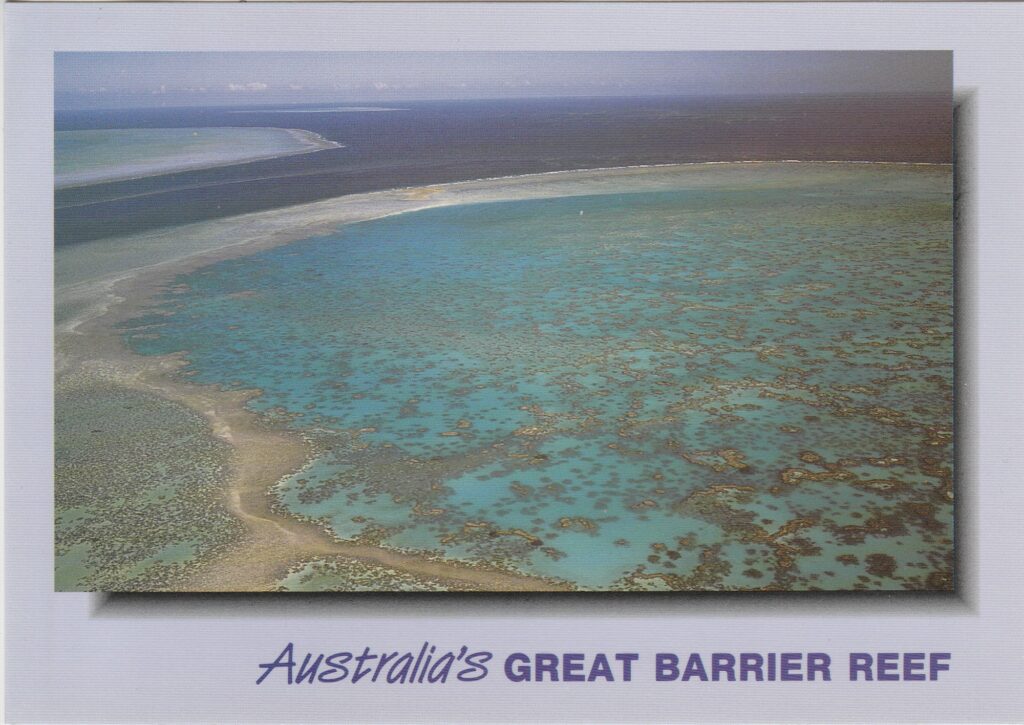
- Great Barrier Reef (Australia)
- Mesoamerican Reef (Mexico, Belize, Guatemala, Honduras)
- Coral Triangle (Southeast Asian nations)
- Red Sea Reef (Saudi Arabia, Egypt, Sudan)
- Caribbean reef systems (e.g., Florida Keys, Belize Barrier Reef)
These reefs differ in size, species composition, and local stressors, but they share a common vulnerability: the thermal tolerance limits of their dominant coral species are being exceeded more frequently than in the historical record.
How Does It Work?
1. Heat Stress Triggers Bleaching
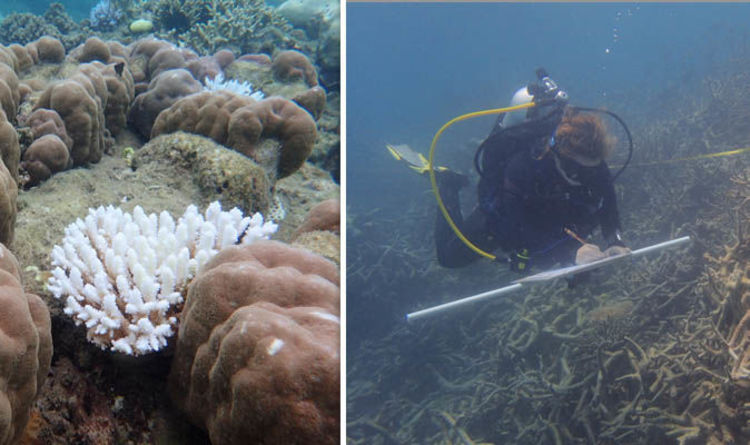
When seawater temperature exceeds the long‑term mean by 1°C for several weeks, corals expel their symbiotic algae. Without the algae, corals lose up to 90% of their photosynthetic energy, appear white, and become more susceptible to disease.
2. Algal Loss Reduces Calcification
The expelled algae also diminish the coral’s ability to deposit calcium carbonate, slowing reef growth and weakening structural integrity.
3. Feedbacks Accelerate Decline
Bleached corals are more prone to bacterial infection and fungal disease. Nutrient runoff from agriculture fuels algal blooms that shade corals, while stronger storms—also linked to climate change— physically break fragile skeletons.
4. Community Collapse
As foundation species decline, the myriad fish, invertebrates, and marine mammals that depend on the reef for habitat and food also decline, reducing biodiversity and ecosystem services.
What Does the Evidence Show?
Multiple lines of evidence converge on the same conclusion:
- Long‑term satellite and in‑situ temperature records (NOAA, 2023) show a global ocean‑surface warming trend of ~0.13°C per decade since 1982.
- Bleaching surveys compiled by the Global Coral Reef Monitoring Network indicate that the five reefs have experienced at least three severe bleaching events each in the past decade.
- Peer‑reviewed meta‑analyses (e.g., Hughes et al., 2018, *Science*) find that repeated bleaching reduces coral cover by an average of 30% across tropical reefs.
- Attribution studies using climate models attribute >90% of the observed heat stress to anthropogenic greenhouse‑gas emissions (IPCC AR6, 2021).
- Regional case studies document local stressors: nutrient runoff on the Mesoamerican Reef (UNEP, 2020) and tourism‑related sedimentation in the Red Sea (Saudi Ministry of Environment, 2022).
These sources collectively provide strong, moderate, and emerging evidence that warming oceans are the primary driver of the observed declines.
Main Causes or Drivers
Direct Climate Drivers
- Sea‑surface temperature rise – the most immediate cause of bleaching.
- Ocean acidification – increased CO₂ lowers pH, reducing carbonate availability for skeleton building.
Underlying Human Drivers
- Fossil‑fuel combustion and deforestation driving greenhouse‑gas emissions.
- Coastal development that alters water flow and increases sediment load.
- Agricultural fertilizer use that contributes to nutrient runoff and algal overgrowth.
Amplifying Natural Factors
- El Niño events that temporarily raise Pacific and Indian Ocean temperatures.
- Increased frequency of intense tropical cyclones that physically damage reef frameworks.
Environmental and Human Impacts
Environmental Impacts
- Loss of habitat for >25% of marine species, reducing global biodiversity.
- Decline in reef‑generated calcium carbonate, weakening natural coastal barriers.
- Shift in fish community composition toward less reef‑dependent species.
Human Health and Social Impacts
- Reduced fishery yields affect food security for coastal communities, especially in the Caribbean and Southeast Asia.
- Decreased reef‑based tourism revenue lowers household incomes and national GDP contributions.
- Loss of shoreline protection increases exposure to storm surge, raising flood risk for low‑lying settlements.
Economic and Infrastructure Impacts
- Estimated global economic value of reef services is US$ 350 billion per year (World Bank, 2019).
- Repairing storm‑damaged coastlines can cost up to ten times more than the natural protection reefs provide.
Regional Differences
Each of the five reefs reflects a distinct combination of climate exposure and local pressures:
- Great Barrier Reef – large spatial scale, frequent heatwaves, and Crown-of‑Thorns starfish outbreaks intensify loss.
- Mesoamerican Reef – high nutrient runoff from the Yucatán Peninsula amplifies algal overgrowth.
- Coral Triangle – unparalleled species richness but also intense fishing pressure and coastal development.
- Red Sea Reef – historically tolerant of higher temperatures, yet recent warming exceeds its adaptive capacity.
- Caribbean reefs – suffer from disease outbreaks (e.g., White Band Disease) compounded by hurricane damage.
These patterns illustrate that while warming is a common driver, local management contexts shape the severity and trajectory of decline.
What Scientists Know With High Confidence
- Anthropogenic greenhouse‑gas emissions are the dominant cause of the observed ocean‑temperature rise since the mid‑20th century.
- Coral bleaching occurs when sea‑surface temperatures exceed the long‑term average by ~1°C for several weeks.
- Repeated bleaching events cause long‑term reductions in coral cover and biodiversity.
- Reef loss reduces coastal protection, fishery productivity, and tourism revenue.
What Remains Uncertain
Key knowledge gaps include the rate at which some coral genotypes may adapt to higher temperatures, the combined effects of acidification and warming on calcification, and the socio‑economic thresholds at which communities shift away from reef‑dependent livelihoods. Improved long‑term monitoring and genomic studies could reduce these uncertainties.
Common Misconceptions
Misconception: Coral reefs will recover quickly once temperatures drop.
Reality: Recovery can take decades because coral growth is slow and post‑bleaching disease often prevents regrowth.
Misconception: Only tropical reefs are at risk.
Reality: Even higher‑latitude reefs, such as those in the Red Sea, are experiencing bleaching as warm water expands poleward.
Misconception: Reducing local pollution alone will stop reef loss.
Reality: Local actions improve resilience, but without global greenhouse‑gas mitigation the thermal stress will continue to exceed coral tolerance.
Solutions and Limitations
Effective strategies must address both climate drivers and local stressors:
- Mitigation – Rapid decarbonisation limits future warming; however, political and economic barriers can slow implementation.
- Water‑quality management – Reducing fertilizer runoff improves coral resilience, but requires coordinated land‑use policies.
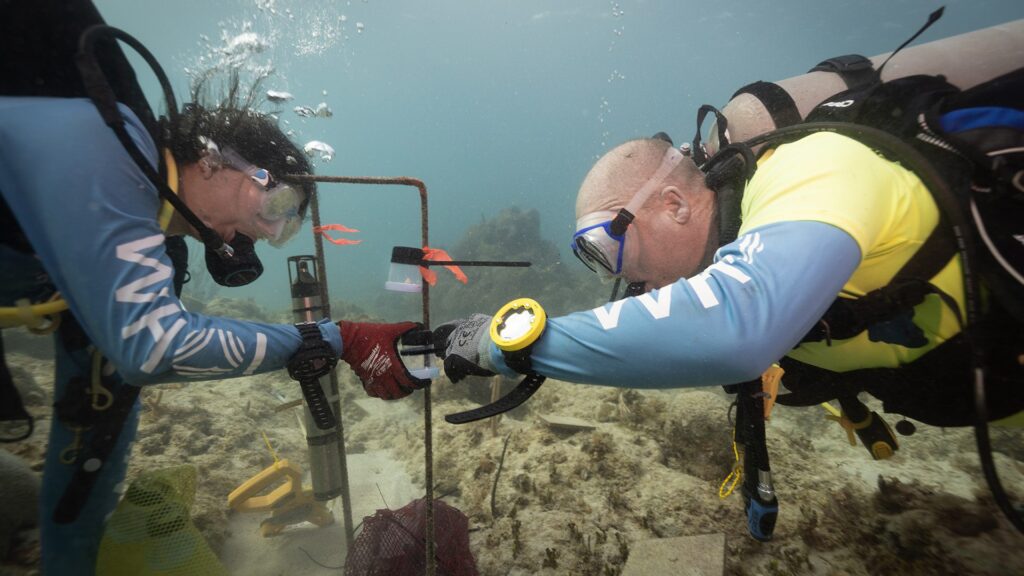
- Active restoration – Techniques such as coral gardening and assisted gene flow can repopulate damaged areas, yet scaling these methods to hundreds of kilometres of reef remains costly.
- Marine protected areas (MPAs) – MPAs reduce fishing pressure, enhancing ecosystem recovery, but they do not shield reefs from heat stress.
- Early‑warning systems – Satellite‑based heat‑stress alerts allow managers to implement temporary measures (e.g., shading), yet these are short‑term mitigations.
Each solution carries trade‑offs: restoration may favor fast‑growing but less diverse species; MPAs can affect local fisheries unless alternative livelihoods are provided.
What Individuals, Communities, and Governments Can Do
What Individuals Can Do
- Support organizations that fund reef research and restoration.
- Reduce personal carbon footprints (e.g., energy efficiency, low‑carbon travel).
- Choose sustainably sourced seafood to lower pressure on reef fisheries.
What Communities and Organizations Can Do
- Implement watershed management plans that limit nutrient runoff.
- Develop ecotourism guidelines that minimize physical damage to reefs.
- Participate in citizen‑science monitoring programs to improve data coverage.
What Governments Can Do
- Adopt and enforce ambitious emissions‑reduction targets consistent with the Paris Agreement.
- Allocate funding for large‑scale reef restoration and resilience‑building projects.
- Strengthen marine protected area networks and ensure effective enforcement.
- Integrate climate‑risk assessments into coastal development planning.
Synthesis
The five highlighted reef systems illustrate how even the most biologically rich marine habitats are succumbing to sustained ocean warming and related stressors. High‑confidence science links these declines directly to human‑driven greenhouse‑gas emissions, while local pollution and physical disturbances amplify the impact. Although uncertainties remain regarding coral adaptation potential and socio‑economic thresholds, the evidence base supports immediate action: rapid emissions cuts, improved water‑quality management, and targeted restoration. By aligning individual choices, community initiatives, and government policies, the trajectory of reef loss can be slowed, preserving critical biodiversity and the services reefs provide for future generations.
Frequently Asked Questions
What causes coral bleaching in the five reefs discussed?
Coral bleaching occurs when sea‑surface temperatures rise about 1 °C above the long‑term average for several weeks, causing corals to expel the symbiotic algae that provide them with food and colour.
Why are the Great Barrier Reef and Caribbean reefs especially vulnerable?
Both reefs experience frequent heatwaves that exceed coral thermal thresholds, and they also face additional stressors such as disease, nutrient runoff, and storm damage, which together accelerate coral loss.
Can local actions like reducing pollution protect reefs from climate change?
Local actions improve reef resilience by lowering stress from runoff and sedimentation, but they cannot stop bleaching caused by global ocean warming; both local and global measures are needed.
What evidence links reef decline to human‑driven greenhouse‑gas emissions?
Attribution studies in the IPCC AR6 report show that more than 90 % of the observed sea‑surface temperature rise since the mid‑20th century is due to anthropogenic emissions, which directly drive the bleaching events documented on these reefs.
What realistic steps can governments take to help dying reefs?
Governments can set ambitious emissions targets, fund large‑scale restoration, enforce marine protected areas, improve watershed management to reduce nutrient runoff, and incorporate climate‑risk assessments into coastal planning.





Leave a Comment