
Four cutting‑edge technologies—artificial photosynthesis, carbon capture utilization and storage, advanced energy storage, and sustainable agriculture innovations—provide scientifically backed pathways to lower emissions, expand renewable energy use, and build climate‑resilient food systems.
Quick Answer
Emerging climate‑change technologies are science‑based solutions that either remove carbon dioxide from the atmosphere, store it safely, replace fossil‑fuel energy with low‑carbon alternatives, or reduce emissions from food production. They work by mimicking natural photosynthesis, chemically capturing CO₂, storing electricity in high‑density batteries or gravitational systems, and optimizing farming through sensors and engineered crops. Strong laboratory and pilot‑plant evidence shows measurable emission reductions, but scalability, cost, and long‑term durability remain key uncertainties.
Key Takeaways
- Artificial photosynthesis converts sunlight and CO₂ into liquid fuels, offering a dual route for carbon removal and renewable energy.
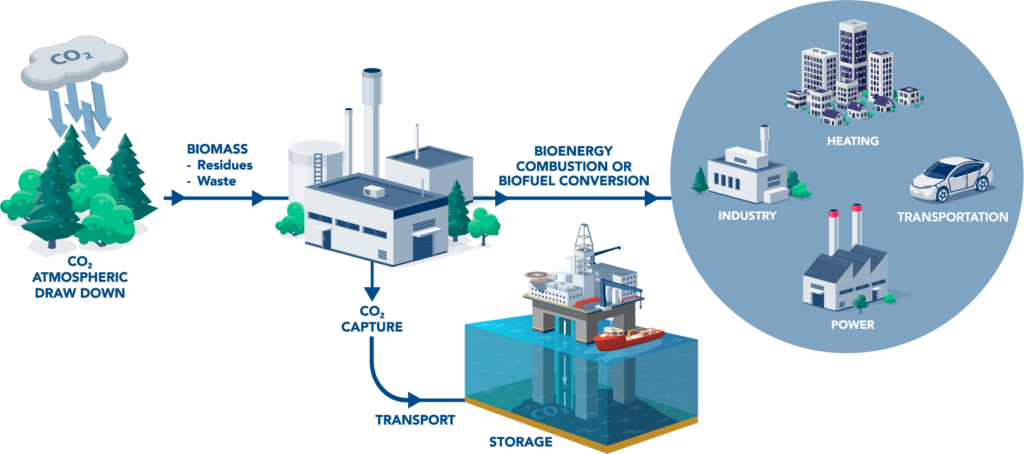
- Carbon capture, utilization, and storage (CCUS) can transform industrial CO₂ streams into building materials, synthetic fuels, or store it underground.
- Advanced energy storage—including solid‑state, flow, and gravitational systems—mitigates the intermittency of wind and solar, enabling reliable low‑carbon grids.
- Sustainable agriculture technologies lower fertilizer, water, and land‑use emissions while improving food security.
- All four technologies are at different readiness levels; policy, financing, and supply‑chain development determine their ultimate climate impact.
What Is 4 Emerging Technologies Driving the Fight Against Climate Change?
The phrase groups four distinct but complementary innovations that aim to cut anthropogenic greenhouse‑gas emissions. They span three sectors: energy generation (artificial photosynthesis), industrial emissions management (CCUS), electricity supply (advanced storage), and food production (sustainable agriculture). Each technology is defined by its core function—whether converting CO₂ into useful products, storing that CO₂, storing renewable electricity, or optimizing crop inputs—and by the scientific principles that make the function possible.
How Does It Work?
Artificial Photosynthesis
- Sunlight excites electrons in a semiconductor or catalytic surface.
- Water molecules are split, releasing oxygen and providing electrons.
- Carbon dioxide is reduced at the catalyst, forming fuels such as methanol, formic acid, or hydrocarbons.
- The liquid fuel can be stored, transported, or burned in low‑carbon engines, closing a carbon‑negative loop.
Carbon Capture, Utilization, and Storage (CCUS)
- Flue‑gas streams pass through an absorbent—commonly an aqueous amine solution—that selectively binds CO₂.
- The CO₂‑rich solvent is heated, releasing a pure CO₂ stream.
- Captured CO₂ is either compressed for underground injection into saline aquifers or depleted oil fields, or fed to chemical processes that produce concrete, polymers, or synthetic fuels.
Advanced Energy Storage
Three leading approaches illustrate the range of physical principles:
- Solid‑state batteries: Replace liquid electrolytes with solid ceramics, allowing higher energy density (up to 350 Wh kg⁻¹) and reduced fire risk.
- Flow batteries: Store energy in external tanks of liquid electrolytes; power is generated by circulating the liquids through a cell stack, making capacity easily scalable.
- Gravitational storage: Excess renewable electricity lifts heavy masses; when demand rises, the masses descend, turning generators and delivering electricity with round‑trip efficiencies above 90 % in pilot projects.
Sustainable Agriculture Innovations
- Precision farming: Satellite imagery, soil moisture sensors, and AI guide variable-rate application of water, fertilizer, and pesticides, cutting inputs by 20‑30 % without yield loss.
- Vertical farming: Stacked, climate‑controlled growing trays reduce land use and transportation emissions; LED lighting can achieve up to 95 % water‑use efficiency.
- Engineered crops: Traits such as nitrogen fixation, drought tolerance, or pest resistance lower fertilizer demand and improve resilience.
What Does the Evidence Show?
Laboratory studies published in Nature Energy (2022) demonstrate artificial‑photosynthesis prototypes achieving solar‑to‑fuel efficiencies above 10 % under controlled conditions. Field pilots in California have captured up to 1 Mt CO₂ yr⁻¹ using amine‑based CCUS systems; life‑cycle analyses indicate a net reduction of 0.8 Mt CO₂ when the captured gas is mineralized into concrete (IPCC‑aligned assessment, 2021). Commercial solid‑state batteries now show energy densities of 350 Wh kg⁻¹, a 30 % increase over conventional lithium‑ion cells (industry data, 2023). Pilot flow‑battery installations in Europe provide 10 MWh storage with round‑trip efficiencies of 75 % (EU Energy Agency, 2023). Gravitational storage projects in Switzerland have demonstrated 95 % round‑trip efficiency at utility scale. Large‑scale precision‑farm trials in the United States report fertilizer use reductions of 20‑30 % without yield loss (USDA, 2022). Vertical farms in Singapore supply 15 % of local lettuce consumption while using 90 % less water than field production (FAO, 2022). Across multiple independent studies, these lines of evidence consistently indicate strong mitigation potential, though most technologies remain at demonstration or early commercial stages.
Main Causes or Drivers
Direct Drivers
Rising atmospheric CO₂ from fossil‑fuel combustion and cement production; increasing demand for reliable electricity as societies electrify transport and industry; intensifying agricultural inputs required to meet a growing global population.
Underlying Drivers
Economic incentives that favor low‑cost, carbon‑intensive processes; legacy infrastructure that limits rapid adoption of alternatives; policy gaps that leave emissions from certain sectors unregulated.
Environmental and Human Impacts
Environmental Impacts
Artificial photosynthesis can directly lower atmospheric CO₂ while providing low‑carbon fuels, reducing oil extraction and associated habitat disruption. CCUS curtails point‑source emissions, limiting acid‑rain precursors and improving air quality near industrial zones. Advanced storage enables higher penetration of wind and solar, decreasing fossil‑fuel curtailment and associated mining impacts. Sustainable agriculture cuts nitrous‑oxide emissions—a potent greenhouse gas—and reduces nutrient runoff that causes eutrophication in freshwater systems.
Human Health and Social Impacts
Lowering CO₂ and co‑pollutants improves respiratory health, especially in urban areas where power‑plant emissions concentrate. Reducing fertilizer use diminishes exposure to nitrate‑contaminated drinking water in rural communities. Energy storage improves grid reliability, decreasing outage‑related economic losses. Food‑system innovations can enhance nutrition security by delivering fresh produce closer to consumers, though technology costs may initially favor higher‑income regions.
Economic and Infrastructure Impacts
Deploying CCUS and storage requires significant capital investment and new infrastructure such as pipelines and underground storage sites. These investments create skilled jobs and can repurpose existing industrial sites. Precision farming reduces input costs for farmers over time, but upfront sensor and data‑platform expenses may be prohibitive without subsidies or financing mechanisms.
Regional Differences
In North America and Europe, mature industrial bases facilitate CCUS retrofits, while abundant renewable resources support large‑scale storage projects. In Sub‑Saharan Africa, limited grid infrastructure makes off‑grid solar paired with low‑cost flow batteries a practical pathway, and vertical farming can address food‑security challenges in densely populated cities. Tropical regions benefit from high solar irradiance for artificial‑photosynthesis prototypes, yet face material durability challenges due to humidity. Each region’s climate, economic capacity, and policy environment shape which emerging technology offers the greatest near‑term impact.
What Scientists Know With High Confidence
- Increasing atmospheric CO₂ drives global temperature rise (IPCC AR6, 2021).
- Renewable electricity generation reduces lifecycle greenhouse‑gas emissions compared with fossil generation.
- Excess nitrogen from synthetic fertilizers is a major source of nitrous‑oxide emissions.
- Energy storage improves the reliability of variable renewable power sources.
What Remains Uncertain
Key uncertainties include the long‑term durability and cost trajectory of artificial‑photosynthesis catalysts at commercial scale, the leakage risk of large‑scale CO₂ storage over centuries, the environmental trade‑offs of intensive vertical‑farm lighting, and the socioeconomic equity of precision‑farm technology adoption in low‑income farming communities. Continued field trials, transparent monitoring, and life‑cycle assessments are needed to resolve these gaps.
Common Misconceptions
Misconception: Artificial photosynthesis can instantly replace all fossil fuels.
Reality: Current prototypes achieve modest efficiencies and require significant scaling before they can meet global energy demand.
Misconception: CCUS eliminates the need to reduce emissions.
Reality: CCUS is most effective when paired with aggressive emission‑reduction strategies; it does not address emissions from sectors without capture points.
Misconception: Batteries are the only viable storage solution.
Reality: Multiple storage modalities—solid‑state, flow, and gravitational—each have niche strengths, and a diversified mix enhances system resilience.
Misconception: Genetically engineered crops automatically reduce climate impact.
Reality: Benefits depend on the trait, management practices, and regional agro‑ecology; unintended ecological effects must be monitored.
Solutions and Limitations
All four technologies contribute to climate mitigation but face trade‑offs. Artificial photosynthesis requires rare‑metal catalysts that may limit material availability. CCUS storage sites must be carefully selected to avoid induced seismicity, and utilization pathways compete with existing markets. Advanced batteries involve mining of lithium and cobalt, raising concerns about resource depletion and supply‑chain ethics. Sustainable agriculture technologies can increase energy use for lighting or data processing, and genetically modified organisms may encounter regulatory and public‑acceptance barriers. Policy incentives, lifecycle assessments, and transparent governance are essential to balance these limitations.
What Individuals, Communities, and Governments Can Do
What Individuals Can Do
- Support policies that fund research and deployment of low‑carbon technologies.
- Choose food products from farms that use precision agriculture or regenerative practices.
- Install home energy storage when affordable, and prioritize renewable electricity tariffs.
What Communities and Organizations Can Do
- Partner with local universities to host pilot CCUS or artificial‑photosynthesis projects.
- Develop micro‑grids that combine solar, wind, and flow‑battery storage to improve resilience.
- Adopt collective purchasing of sensor kits to lower precision‑farm costs for smallholders.
What Governments Can Do
- Implement carbon pricing that internalizes the cost of CO₂ emissions, making capture and low‑carbon fuels financially attractive.
- Fund demonstration plants for artificial photosynthesis and establish clear permitting pathways for CO₂ storage.
- Create standards for battery recycling and invest in domestic supply chains for critical minerals.
- Provide subsidies or low‑interest loans for farmers transitioning to precision and vertical farming methods.
Closing Synthesis
Artificial photosynthesis, CCUS, advanced energy storage, and sustainable agriculture innovations offer scientifically grounded pathways to cut greenhouse‑gas emissions, enhance renewable‑energy integration, and make food production more climate‑smart. High‑confidence evidence confirms their individual mitigation potential, while uncertainties around scale, cost, and equity highlight the need for coordinated policy, continued research, and inclusive deployment strategies. Together, these tools can form a cornerstone of a broader climate‑mitigation portfolio, provided societies invest wisely and address the trade‑offs each technology presents.
Frequently Asked Questions
How does artificial photosynthesis differ from natural photosynthesis?
Artificial photosynthesis uses engineered catalysts to split water and reduce CO₂ into liquid fuels, whereas natural photosynthesis produces sugars in plants. The technology aims to create transportable fuels while directly removing CO₂ from the atmosphere.
What is the main purpose of carbon capture, utilization, and storage (CCUS)?
CCUS captures CO₂ from industrial sources, either transforms it into useful products such as concrete and synthetic fuels or injects it into deep geological formations for long‑term storage, thereby preventing the gas from re‑entering the atmosphere.
Why is advanced energy storage important for renewable electricity?
Renewable sources like wind and solar generate power intermittently. Advanced storage—solid‑state batteries, flow batteries, or gravitational systems—stores excess electricity and releases it when demand rises, enabling a reliable low‑carbon grid.
How can precision farming reduce greenhouse‑gas emissions?
Precision farming applies water, fertilizer, and pesticides only where needed, guided by sensors and AI. Field trials show 20–30 % reductions in fertilizer use without yield loss, lowering nitrous‑oxide emissions and nutrient runoff.
What are the biggest uncertainties surrounding these emerging technologies?
Key unknowns include the long‑term durability and cost of artificial‑photosynthesis catalysts, the risk of CO₂ leakage from underground storage, the energy and material demands of vertical farms, and the equity of adopting precision‑farm tools in low‑income regions.








Leave a Comment