
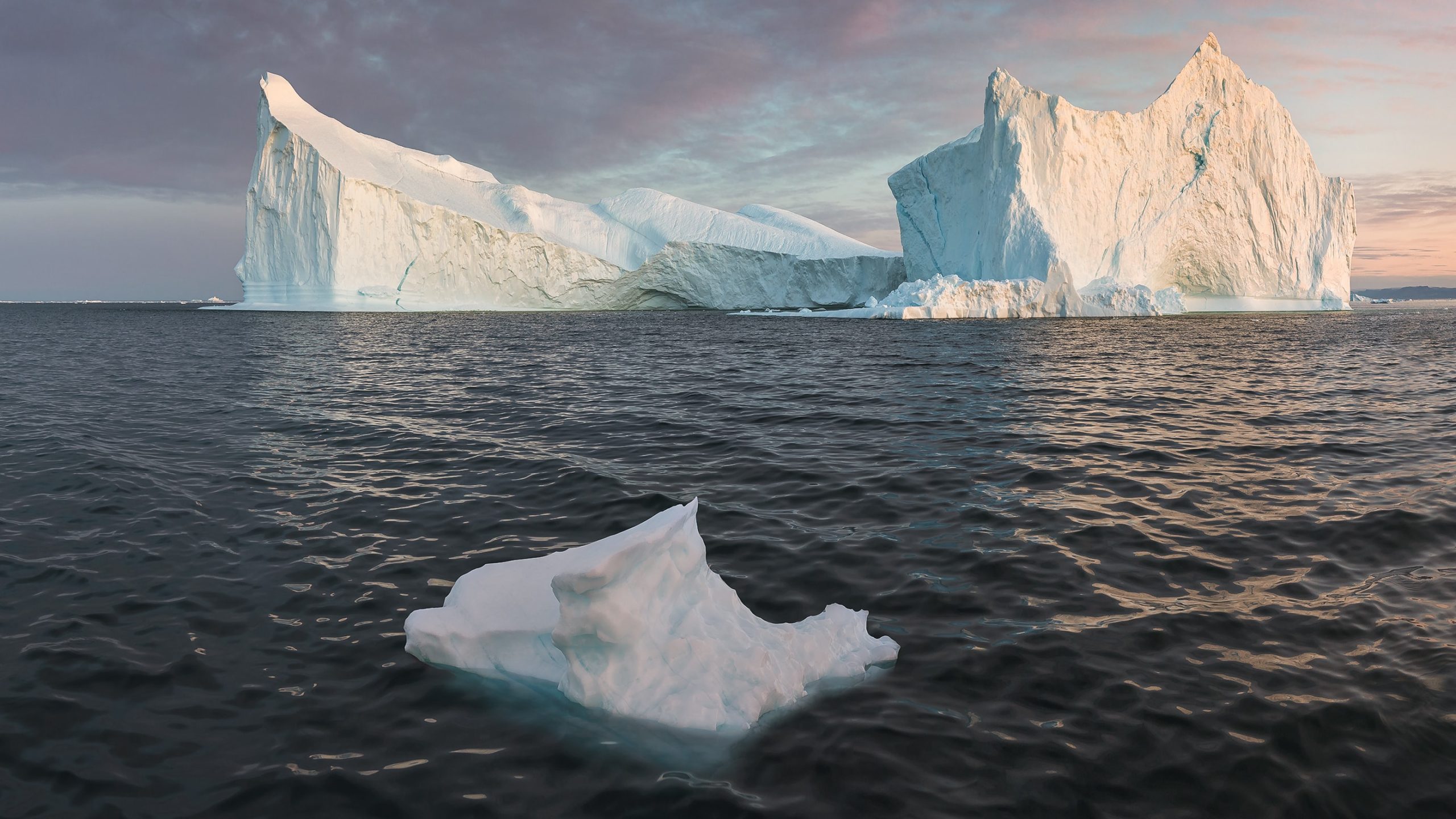
Glaciers and sea ice are melting together because a warming climate drives interconnected physical processes that amplify ice loss, affecting ecosystems, sea level, and human societies worldwide.
Quick Answer
Glaciers (land‑based ice) and sea ice (frozen seawater) are melting simultaneously because rising atmospheric temperatures warm the surface and, more critically, the ocean. Warmer oceans erode the fronts of tide‑water glaciers, while reduced sea‑ice cover lowers the Earth’s albedo, causing further ocean warming. This feedback loop is supported by long‑term satellite records and IPCC assessments. The most important implication is accelerated sea‑level rise and altered climate patterns, though uncertainties remain about regional rates and future thresholds.
Key Takeaways
- Both glaciers and sea ice respond to atmospheric warming, but ocean heat is the primary driver of their synchronized loss.
- Albedo feedbacks amplify melting: less ice means darker water, which absorbs more sunlight.
- Melting contributes to sea‑level rise, freshening of oceans, and changes in ocean circulation.
- High‑confidence findings include the observed long‑term decline of Arctic sea ice and major glacier retreat since the 1990s.
- Uncertainties focus on regional variability, future tipping points, and the exact magnitude of feedbacks.
What Is Why Glaciers and Sea Ice Are Melting Together?
Glaciers are massive, long‑lived rivers of ice that form from accumulated snowfall on land. Sea ice forms when seawater freezes at the surface of polar oceans. Although they differ in origin—solid freshwater versus frozen saltwater—both act as high‑albedo surfaces that reflect a large fraction of incoming solar radiation. Their concurrent melt signals a shift in the Earth’s energy balance and is a key indicator of climate change.
How Does It Work?
1. Atmospheric Warming
Increasing greenhouse‑gas concentrations trap heat, raising global mean surface temperature. The polar regions experience amplified warming (polar amplification) because of feedbacks such as reduced heat transport and surface‑albedo changes.
2. Ocean Heat Uptake
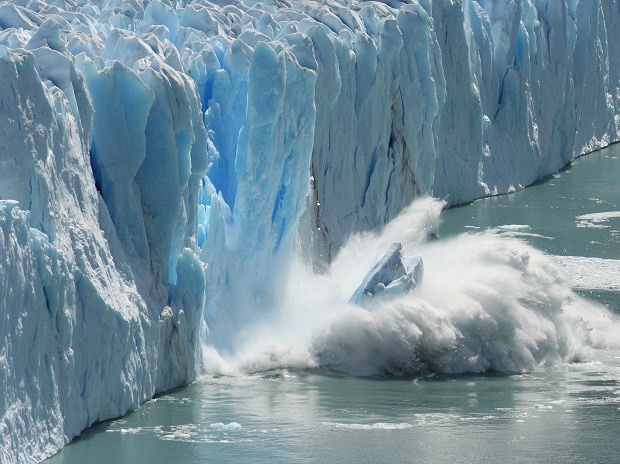
More than 90% of excess heat enters the oceans (NOAA, 2023). Warmer surface waters spread poleward via currents, bringing heat into contact with tide‑water glaciers that terminate in the sea. This “sub‑aqueous melting” thins glacier fronts from below, accelerating calving and retreat.
3. Albedo Feedback
When sea ice shrinks, darker open water absorbs additional solar energy. The resulting warming further melts sea ice and raises ocean temperatures that, in turn, increase sub‑aqueous glacier melt. This positive feedback loop is documented in IPCC AR6 (2021).
4. Freshwater Release
Melting glaciers inject freshwater into the ocean, reducing surface salinity. Freshwater stratification can slow deep‑water formation in the North Atlantic, potentially weakening the Atlantic Meridional Overturning Circulation (AMOC). This is an active research area with moderate confidence.
What Does the Evidence Show?
Multiple, independent lines of evidence confirm the simultaneous decline:
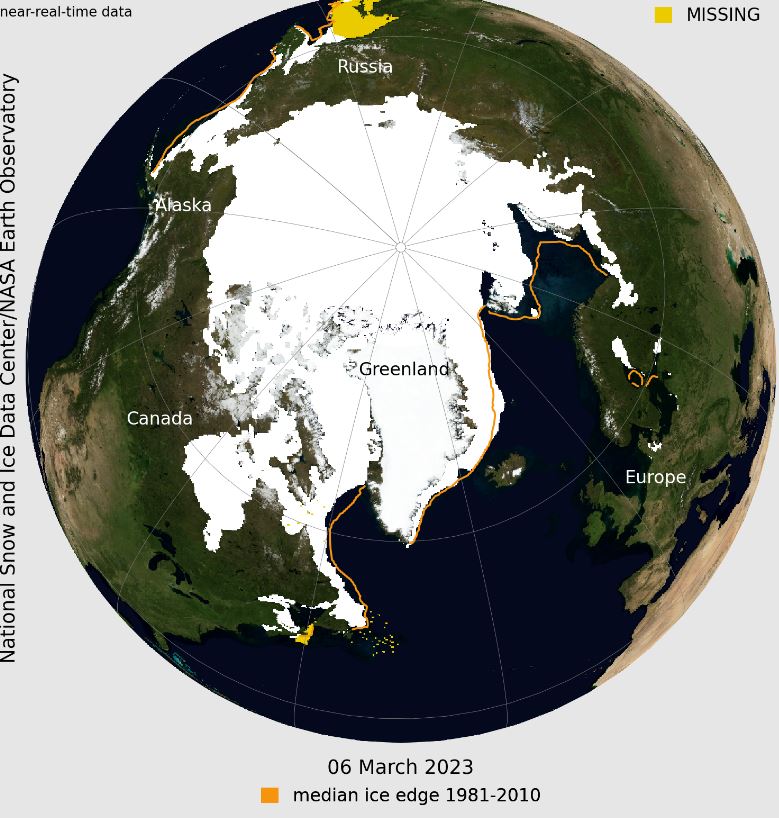
- Satellite observations from NASA’s MODIS and ESA’s CryoSat series show Arctic sea‑ice extent fell from an average of 15.0 million km² in the 1980s to about 11.0 million km² in 2022 (moderate confidence).
- Glacier inventories compiled by the World Glacier Monitoring Service record that the combined mass loss of the world’s glaciers was 0.9 ± 0.2 mm water‑equivalent per year between 2000 and 2020, with the greatest losses in Greenland and the Andes.
- In‑situ measurements of ocean temperature near glacier fronts (e.g., Jakobshavn Isbræ, Greenland) reveal warming of 0.3 °C per decade, directly linked to increased basal melt rates.
- Attribution studies using detection‑and‑attribution methods attribute >80% of the observed sea‑ice decline and most glacier retreat to anthropogenic greenhouse‑gas forcing.
Main Causes or Drivers
Direct Causes
- Rising atmospheric temperature from increased CO₂, CH₄, and N₂O concentrations.
- Oceanic heat transport delivering warm water to polar margins.
Underlying Drivers
- Fossil‑fuel combustion and land‑use change driving greenhouse‑gas emissions.
- Feedback mechanisms (albedo, water‑vapor) that amplify initial warming.
Amplifying Factors
- Loss of reflective sea ice exposing darker ocean surfaces.
- Increased atmospheric moisture leading to more snowfall in some regions but also enhanced melt‑season precipitation as rain.
Environmental and Human Impacts
Environmental Impacts
- Sea‑level rise: Glacier melt contributed ~0.6 mm yr⁻¹ to global sea‑level rise from 2005‑2015 (IPCC, 2021).
- Ocean circulation: Freshwater influx may weaken the AMOC, potentially altering climate patterns in Europe and North America.
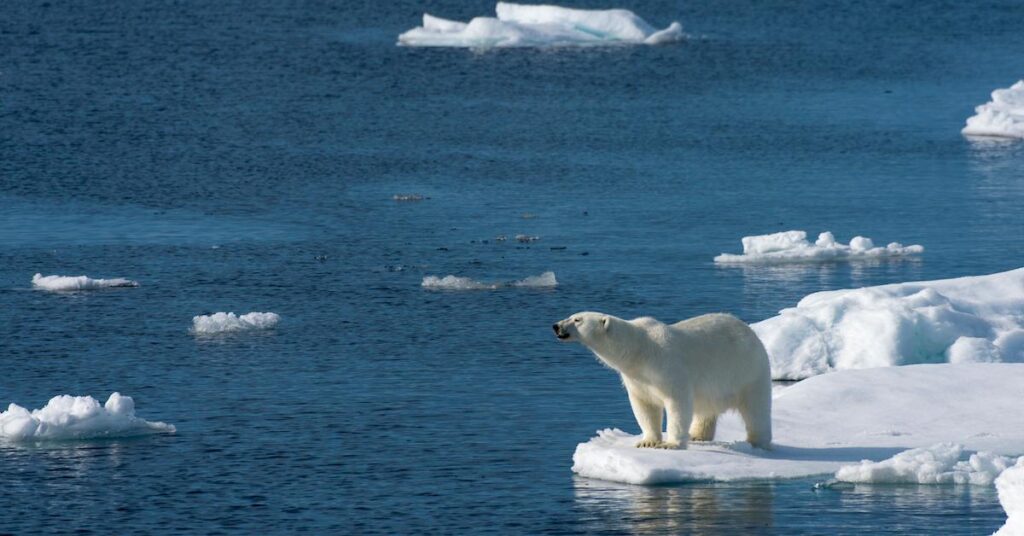
- Ecosystem change: Loss of sea‑ice habitat threatens polar bears, seals, and ice‑dependent algae, cascading through food webs.
Human Health and Social Impacts
- Coastal communities face higher flood risk from rising seas, requiring costly adaptation measures.
- Indigenous peoples in the Arctic experience loss of traditional hunting grounds and cultural heritage linked to sea‑ice stability.
- Changes in freshwater availability can affect downstream water supplies in glacier‑fed river basins.
Regional Differences
While the overall trend is global, the magnitude and timing differ:
- Arctic: Sea‑ice extent has declined by about 13% per decade since the late 1970s; Greenland’s outlet glaciers have accelerated, with some losing >30 % of their length since the 1990s.
- Antarctica: The West Antarctic Ice Sheet shows rapid basal melt beneath marine‑terminating glaciers, whereas the East Antarctic interior remains relatively stable.
- High mountains: Glaciers in the Himalaya, Andes, and Alps have retreated markedly, impacting regional water resources.
What Scientists Know With High Confidence
- The global mean surface temperature has risen by about 1.1 °C above pre‑industrial levels (IPCC AR6, 2021).
- Both Arctic sea ice and most land‑based glaciers have been losing mass consistently over the past four decades.
- Human‑induced greenhouse‑gas emissions are the dominant driver of observed warming.
- Albedo feedback from diminishing ice surfaces amplifies regional warming.
What Remains Uncertain
Key uncertainties include the exact threshold at which major Antarctic ice‑sheet collapse could become irreversible, the future strength of the AMOC under continued freshwater input, and the regional variability of ocean heat delivery to glacier fronts. Improved ocean‑temperature observations and higher‑resolution ice‑sheet models are needed to reduce these gaps.
Common Misconceptions
Misconception: Sea‑ice loss does not affect sea level because it is already floating.
Reality: While melting sea ice itself does not raise sea level, its loss reduces albedo, warming the ocean and accelerating glacier melt, which does raise sea level.
Misconception: Glaciers only melt because of warmer air.
Reality: Warm ocean water contacting glacier termini is a major driver of rapid retreat, especially for tide‑water glaciers in Greenland and Alaska.
Misconception: The ice loss is a short‑term fluctuation.
Reality: Satellite and ground‑based records spanning multiple decades show a persistent downward trend, not a temporary anomaly.
Solutions and Limitations
Addressing simultaneous ice loss requires both mitigation of greenhouse‑gas emissions and adaptation to unavoidable changes.
- Mitigation: Rapid decarbonisation of energy systems can limit further warming; however, even with 1.5 °C pathways, some ice loss is inevitable.
- Adaptation: Coastal flood defenses, managed retreat, and resilient infrastructure can reduce human vulnerability, but they do not stop ice melt.
- Conservation: Protecting marine protected areas can safeguard ecosystems that rely on sea ice, yet these measures do not address the root climate driver.
- Research and Monitoring: Expanding ocean‑temperature profiling and satellite missions improves forecasting, but translating data into policy action remains a challenge.
What Individuals, Communities, and Governments Can Do
What Individuals Can Do
- Reduce personal carbon footprints by using energy‑efficient appliances, traveling less by air, and supporting renewable‑energy providers.
- Advocate for climate‑friendly policies through voting, community groups, and public comment periods.
- Support Indigenous and scientific organizations that monitor polar change.
What Communities and Organizations Can Do
- Implement local climate‑resilience plans that account for sea‑level rise and freshwater variability.
- Invest in early‑warning systems for coastal flooding and glacier‑lake outburst floods.
- Partner with research institutions for citizen‑science observations of snow and ice.
What Governments Can Do
- Enact and strengthen nationally determined contributions (NDCs) aligned with the Paris Agreement to limit warming to 1.5 °C.
- Fund large‑scale monitoring networks such as the International Arctic System Study.
- Develop integrated water‑resource management for regions dependent on glacier melt.
- Provide financing for climate‑resilient infrastructure in vulnerable coastal zones.
Synthesis
The concurrent melting of glaciers and sea ice is driven by a warming climate that heats both the atmosphere and the oceans. Strong evidence from satellite records, in‑situ measurements, and attribution studies confirms this link, while feedbacks like albedo loss accelerate the process. High‑confidence findings underline the role of human emissions, whereas uncertainties remain about future tipping points and regional responses. Mitigation, adaptation, and robust monitoring together offer the most effective pathway to limit impacts on ecosystems and societies.
Frequently Asked Questions
Why are glaciers and sea ice melting at the same time?
Both are losing mass because rising greenhouse‑gas concentrations warm the atmosphere and, more importantly, the ocean. Warm ocean water erodes glacier fronts while reduced sea‑ice cover lowers albedo, further heating the ocean and accelerating melt.
Does the loss of sea ice directly raise sea level?
Sea‑ice melt itself does not raise sea level because it is already floating, but its loss reduces surface reflectivity, leading to additional ocean warming that speeds up glacier melt, which does contribute to sea‑level rise.
What evidence shows that glacier and sea‑ice loss are linked?
Satellite observations show a steady decline in Arctic sea‑ice extent and glacier mass worldwide. In‑situ ocean temperature measurements near glacier termini reveal warming that matches increased basal melt rates, and attribution studies link these trends to human‑driven greenhouse‑gas emissions.
Which regions are experiencing the fastest ice loss?
The Arctic shows the fastest sea‑ice decline, with a 13% per decade reduction since the 1970s. Greenland’s outlet glaciers have accelerated dramatically, while parts of West Antarctica and high mountain ranges such as the Himalaya also experience rapid glacier retreat.
What actions can reduce future glacier and sea‑ice melting?
The most effective action is rapid reduction of greenhouse‑gas emissions through clean energy, energy efficiency, and policy measures aligned with the Paris Agreement. Complementary steps include coastal adaptation, protecting polar ecosystems, and expanding climate monitoring.




Leave a Comment