
Melting glaciers, driven primarily by human‑induced warming, threaten sea levels, water supplies, and ecosystems, but evidence‑based mitigation and adaptation strategies can reduce these impacts.
Quick Answer
Glacier melt occurs when rising atmospheric temperatures—largely from greenhouse‑gas emissions—exceed the energy balance that keeps ice frozen. The process accelerates through feedbacks such as reduced surface albedo, where exposed darker ground absorbs more solar radiation. High‑confidence research shows that accelerated melt contributes to global sea‑level rise, alters freshwater availability, and increases the risk of glacial‑lake outburst floods. While uncertainties remain about regional timing and magnitude, the overarching trend of rapid glacier loss is well documented.
Key Takeaways
- Human‑driven global warming is the primary driver of accelerated glacier melt.
- Albedo loss and feedback loops intensify warming at glacier surfaces.
- Melting glaciers raise sea levels, threaten water security, and increase natural‑hazard risk.
- High‑confidence evidence supports emissions reductions, ecosystem‑based adaptation, and improved monitoring as effective responses.
- Uncertainties remain in regional projections, glacier‑specific thresholds, and the socio‑economic impacts of adaptation measures.
What Is Melting Glaciers: Causes Effects and Possible Solutions?
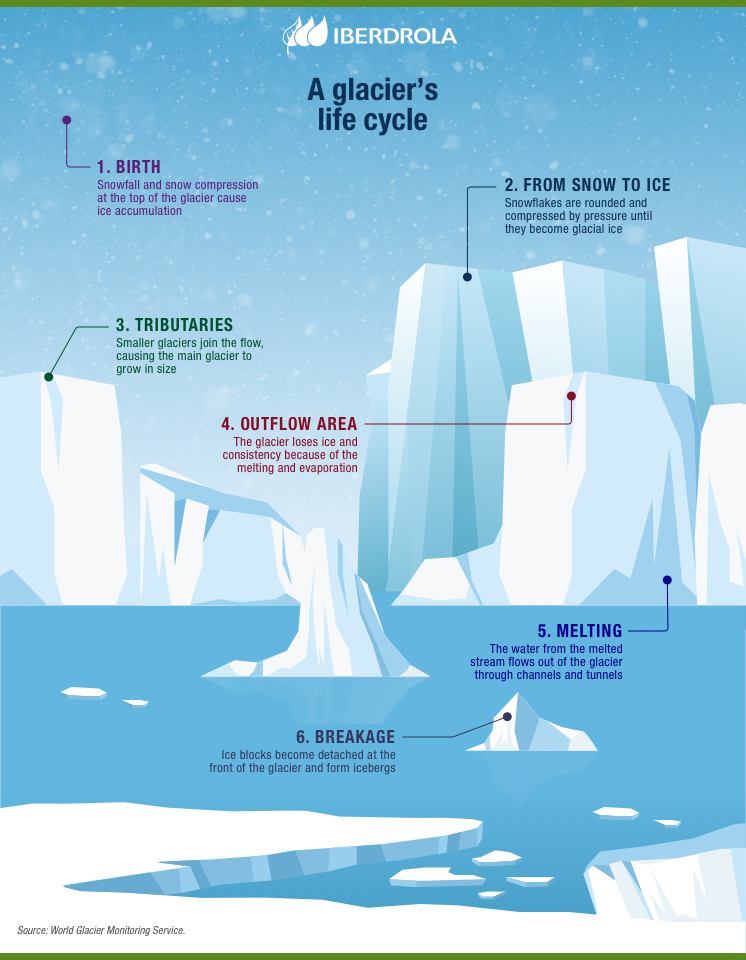
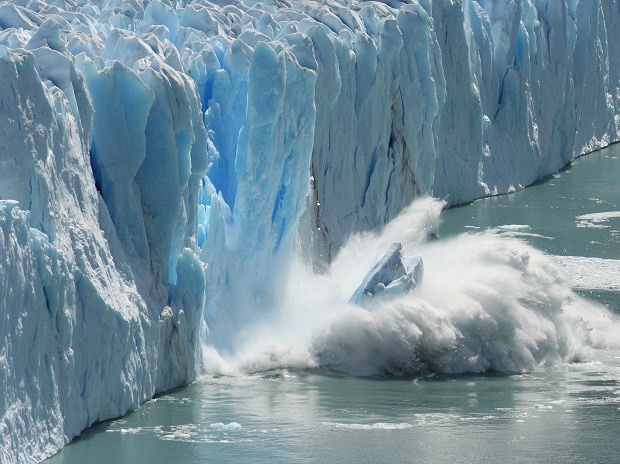
Glaciers are persistent bodies of ice formed from compacted snowfall that flow slowly under their own weight. When the average temperature of a glacier’s environment rises above the freezing point for an extended period, the ice mass loses more mass through surface melt, sublimation, and calving than it gains from snowfall. The term “melting glaciers” refers to the net loss of ice volume observed across mountain ranges, ice caps, and the polar ice sheets. This phenomenon differs from seasonal snow melt because it reflects a long‑term shift in the glacier’s mass balance, often linked to anthropogenic climate change.
How Does It Work?
1. Energy Balance at the Ice Surface
Glacier melt is governed by the balance between incoming energy (solar radiation, long‑wave radiation, sensible and latent heat fluxes) and outgoing energy (reflected short‑wave radiation, emitted long‑wave radiation). When net energy is positive, melt occurs.
2. Role of Albedo
Fresh snow reflects 80–90% of incoming solar radiation (high albedo). As snow ages or is replaced by ice, albedo drops to 30–40%, allowing more heat to be absorbed. This feedback accelerates melt and is documented in IPCC assessment reports (AR6, 2021).
3. Atmospheric Warming
Increased concentrations of carbon dioxide (CO₂) and methane (CH₄) trap infrared radiation, raising air temperatures. NOAA’s Global Climate Report (2023) attributes a ~1.1 °C rise in global mean temperature since pre‑industrial times, a primary driver of glacier energy imbalance.
4. Cryosphere‑Hydrosphere Interaction
Melting water percolates into the glacier, lubricating its base and potentially increasing flow speed. Faster flow can bring ice to lower, warmer elevations, further enhancing melt.
What Does the Evidence Show?
Long‑term monitoring by the World Glacier Monitoring Service (WGMS) indicates that the world’s glaciers have lost roughly 9 % of their ice volume since 1961, with an acceleration in the 1990s onward. Satellite gravimetry from the Gravity Recovery and Climate Experiment (GRACE) shows a net mass loss of 267 Gt yr⁻¹ for the Greenland Ice Sheet between 2002 and 2019 (NASA, 2020). These observations are corroborated by ice‑core temperature reconstructions and regional climate models, forming a robust, multi‑source evidence base.
Main Causes or Drivers
Direct Causes
- Atmospheric temperature rise driven by greenhouse‑gas emissions from fossil‑fuel combustion, industry, and agriculture.
- Reduced albedo as snow cover diminishes and darker surfaces are exposed.
Underlying Drivers
- Anthropogenic CO₂ increase: Concentrations reached 419 ppm in 2023, a level unprecedented in at least 800,000 years (NOAA, 2023).
- Land‑use change that decreases regional vegetation cover, influencing local climate and albedo.
Amplifying Factors
- Atmospheric circulation shifts that bring warm air to high‑latitude basins.
- Black carbon deposition on snow and ice, lowering reflectivity.
Environmental and Human Impacts
Environmental Impacts
- Sea‑level rise: The IPCC (2021) estimates that melting of glaciers and ice caps contributed about 0.45 mm yr⁻¹ to global sea level between 2006 and 2015.
- Freshwater availability: Glacier‑fed rivers such as the Indus, Ganges, and Colorado experience altered seasonal flow, risking water scarcity for agriculture and ecosystems.
- Biodiversity loss: Cold‑adapted species, including certain alpine plants and invertebrates, lose habitat as temperature zones shift upward.
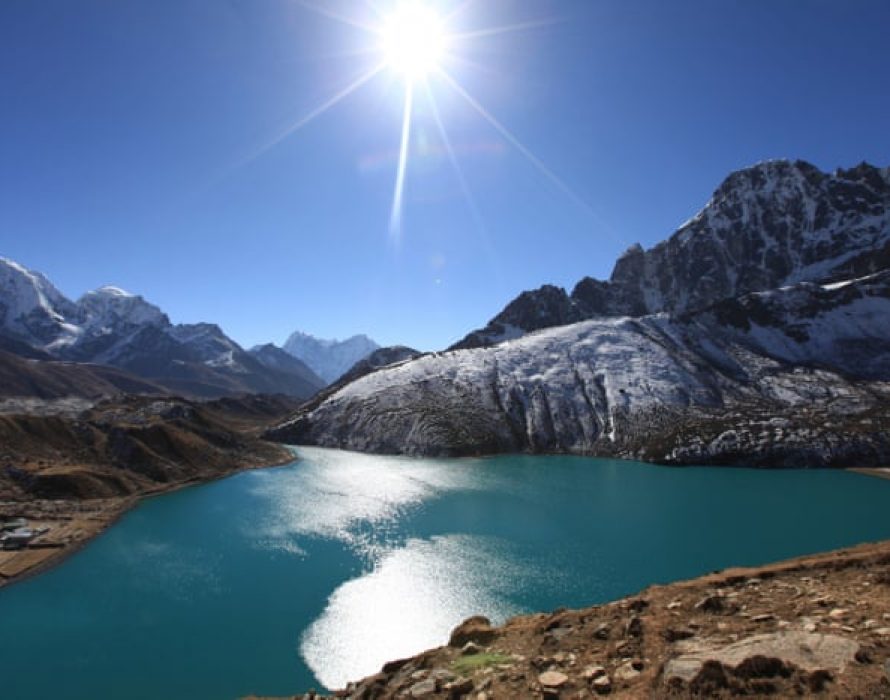
- Glacial‑Lake Outburst Floods (GLOFs): New or expanding proglacial lakes increase the probability of sudden, catastrophic downstream flooding.
Human Health and Social Impacts
- Reduced water security can exacerbate conflicts over irrigation and drinking water, especially in arid downstream regions.
- GLOFs can destroy infrastructure, displace communities, and increase injury risk.
- Coastal populations face heightened flood risk from sea‑level rise, threatening housing and livelihoods.
Economic and Infrastructure Impacts
- Hydropower generation that relies on glacier meltwater may decline as seasonal flows become less predictable.
- Tourism centered on glacial landscapes can suffer as iconic ice features recede.
Regional Differences
Glacier response varies by latitude, altitude, and local climate. In the High Himalaya, glaciers are retreating rapidly, threatening water supplies for over a billion people. In contrast, some maritime Antarctic glaciers show slower change due to cooler oceanic influences, though recent studies note accelerating basal melting linked to warm circumpolar deep water. The Andes exhibit heterogeneous behavior, with some small glaciers disappearing within decades while larger ice caps persist longer.
What Scientists Know With High Confidence
- Global warming caused by anthropogenic greenhouse‑gas emissions is the dominant factor driving the observed acceleration of glacier melt (IPCC, 2021).
- Reduced albedo from snow loss and surface darkening creates a positive feedback that intensifies melt.
- Glacier mass loss contributes measurably to global sea‑level rise.
- Glacier‑fed river regimes are shifting, affecting downstream water availability.
What Remains Uncertain
Key uncertainties include the precise timing of threshold crossings for individual glacier basins, the magnitude of future melt under different emission scenarios, and the socio‑economic outcomes of water‑resource reallocations. Limited in‑situ measurements in remote regions, such as the interior of West Antarctica, constrain model validation. Improved satellite coverage and regional climate modelling are needed to narrow these gaps.
Common Misconceptions
Misconception: Glacier melt is a short‑term weather event.
Reality: Glacier retreat reflects long‑term climate trends, not isolated weather anomalies. Attribution studies link the accelerated loss to sustained warming over decades.
Misconception: Only polar ice sheets affect sea level.
Reality: Mountain glaciers and ice caps, though smaller individually, collectively contribute a significant portion of recent sea‑level rise, especially in the 21st century.
Misconception: Planting trees alone can stop glacier melt.
Reality: Reforestation helps sequester carbon but cannot offset the global scale of emissions needed to stabilize temperatures. It is a complementary, not sole, solution.
Solutions and Limitations
- Mitigation through emissions cuts: Transitioning to renewable energy and improving energy efficiency can reduce the primary driver. Limitation: Requires coordinated policy, substantial investment, and time to affect atmospheric concentrations.
- Adaptation via water‑resource management: Building reservoirs, improving irrigation efficiency, and developing early‑warning systems for GLOFs. Limitation: Infrastructure costs and potential ecological trade‑offs.
- Glacier monitoring and research: Expanding satellite observations (e.g., NASA’s ICESat‑2) and ground‑based surveys enhances predictive capacity. Limitation: Remote regions remain data‑sparse.
- Nature‑based solutions: Protecting high‑altitude wetlands that regulate meltwater flow. Limitation: Effectiveness varies with local geology.
What Individuals, Communities, and Governments Can Do
What Individuals Can Do
- Reduce personal carbon footprints by using public transport, conserving energy at home, and supporting renewable‑energy providers.
- Participate in citizen‑science glacier monitoring projects, such as those coordinated by the WGMS.
What Communities and Organizations Can Do
- Develop local water‑management plans that account for declining glacier contributions.
- Implement early‑warning systems for glacial‑lake outburst floods in vulnerable valleys.
What Governments Can Do
- Enact and strengthen climate‑policy frameworks that target net‑zero emissions by mid‑century.
- Invest in high‑resolution remote‑sensing programs and cross‑border data sharing to improve glacier inventories.
- Support climate‑resilient infrastructure in regions dependent on glacier meltwater.
Closing Synthesis
Melting glaciers are a clear indicator of a warming planet, driven chiefly by human‑generated greenhouse gases and amplified by albedo loss and regional climate dynamics. Robust evidence links this loss to sea‑level rise, altered freshwater regimes, and heightened natural‑hazard risk. While uncertainties remain regarding precise regional timelines, the scientific consensus on the underlying mechanisms is strong. Effective responses combine aggressive emissions reductions, targeted adaptation measures, and expanded monitoring. Collective action across individuals, communities, and policy makers offers the most viable path to slow glacier retreat and safeguard the ecosystems and societies that depend on them.
Frequently Asked Questions
What causes glaciers to melt faster than before?
Glaciers melt faster primarily because rising atmospheric temperatures from human‑generated greenhouse gases increase the energy balance at the ice surface, while reduced snow albedo and feedbacks like darkening of the ice surface further accelerate melt.
How does glacier melt affect sea level?
Melting glaciers add water to the oceans, contributing about 0.45 mm per year to global sea‑level rise between 2006 and 2015, according to the IPCC, and this adds to the overall rise driven by ice sheets and thermal expansion.
What are glacial‑lake outburst floods and why are they a concern?
Glacial‑lake outburst floods (GLOFs) occur when meltwater accumulates behind unstable moraines and suddenly releases, causing downstream flooding that can destroy infrastructure, displace people, and pose serious safety risks.
Which regions are most vulnerable to glacier loss?
High‑altitude regions such as the Himalaya, Andes, and the European Alps experience rapid glacier retreat, threatening water supplies for billions of people, while some maritime Antarctic glaciers melt more slowly but are beginning to show basal thinning.
What actions can governments take to address glacier melt?
Governments can implement climate‑policy frameworks targeting net‑zero emissions, fund high‑resolution glacier monitoring, invest in water‑resource adaptation infrastructure, and develop early‑warning systems for glacial‑lake outburst floods.




Leave a Comment