
Habitat fragmentation— the breaking apart of continuous ecosystems by human activities—reduces biodiversity by isolating populations, eroding genetic diversity, and disrupting essential ecological processes.
Quick Answer
Habitat fragmentation occurs when natural landscapes are divided into smaller, isolated patches by roads, agriculture, or urban development. This isolation limits the movement of organisms, reduces population sizes, and hampers gene flow, leading to higher extinction risk. Scientific assessments consistently find that fragmented habitats support fewer species and lower ecosystem service provision than intact ones. While the overall pattern is clear, the magnitude of impact varies with species traits, landscape context, and regional land‑use history.
Key Takeaways
- Fragmentation creates isolated patches that limit dispersal and increase local extinction.
- Reduced gene flow leads to inbreeding depression and lower adaptive capacity.
- Loss of key species impairs pollination, seed dispersal, and nutrient cycling.
- Impacts are strongest for large‑ranged mammals, forest specialists, and low‑mobility organisms.
- Connecting habitats with corridors and protecting remaining large patches are evidence‑based mitigation strategies.
What Is Habitat Fragmentation and Why It Threatens Biodiversity?
Habitat fragmentation is the process by which a once‑continuous area of natural habitat is broken into smaller, spatially separated fragments. The term differs from simple habitat loss because some habitat area may remain, but its configuration no longer supports the ecological interactions that evolved in a connected landscape. Fragmentation is measured by metrics such as patch size, edge density, and connectivity. It matters because most species rely on movement across landscapes to find food, mates, and suitable microclimates; disrupting these pathways can trigger cascading losses in biodiversity.
How Does It Work?
1. Physical Division of Landscape
Infrastructure (roads, dams), agricultural fields, and urban sprawl introduce hard edges that separate habitat patches. These edges often experience altered microclimate, increased predation, and invasive species pressure.
2. Reduced Dispersal and Gene Flow
Animals and plants that depend on long‑distance dispersal encounter barriers, lowering the probability of individuals reaching other patches. Genetic exchange declines, leading to smaller effective population sizes.
3. Edge Effects and Habitat Degradation
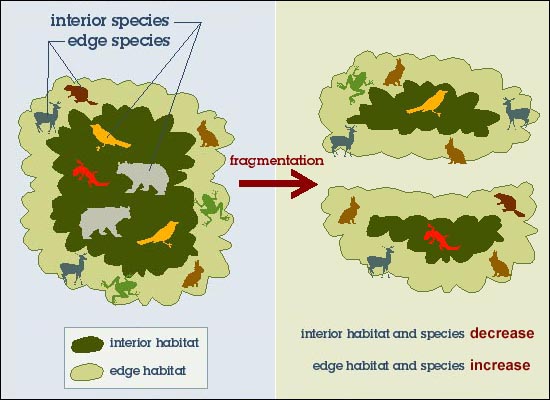
The proportion of edge habitat rises as patches shrink. Edge environments typically have higher temperature fluctuations, lower humidity, and different light regimes, which can be unsuitable for interior‑dependent species.
4. Altered Species Interactions
Pollinators, seed dispersers, and predators may disappear from small patches, breaking mutualisms and trophic links that sustain ecosystem functions.
5. Feedback Loops
Loss of keystone species can accelerate further declines, creating a feedback loop where degraded patches become less viable for recolonization.
What Does the Evidence Show?
Long‑term monitoring by the International Union for Conservation of Nature (IUCN) and peer‑reviewed meta‑analyses reveal that fragmented landscapes host 20‑30 % fewer species on average than comparable intact habitats (e.g., a 2018 systematic review of 120 studies). Field experiments in tropical forests have documented a 40 % reduction in bird reproductive success in fragments smaller than 100 ha. Genetic studies across temperate mammals show a 15‑25 % increase in homozygosity in isolated populations, correlating with lower survival rates. Modeling studies by the United Nations Environment Programme (UNEP) project that, without connectivity measures, global vertebrate species loss could rise an additional 5‑10 % by 2050 due to fragmentation alone.
Main Causes or Drivers
Direct Human Activities
Road construction, agricultural expansion, and residential development physically carve habitats into pieces. In the United States, the National Land Cover Database (2016) attributes 45 % of forest edge creation to road networks.
Economic and Policy Drivers
Market demand for commodities such as soy, palm oil, and timber incentivizes land conversion. Subsidies for agricultural expansion in many countries lower the economic barrier to fragmenting natural areas.
Population Growth and Urban Sprawl
Rapid urbanization in megaregions of Asia and Africa increases the footprint of built environments, often without integrated planning for wildlife movement.
Secondary Amplifying Factors
Climate change can exacerbate fragmentation impacts by shifting species’ suitable habitats, forcing them to move across already fragmented matrices.
Environmental and Human Impacts
Environmental Impacts
Reduced pollinator abundance lowers crop yields, especially for fruit and nut crops that depend on insect visitation. Declines in seed‑dispersing birds and mammals impede forest regeneration, affecting carbon storage. Fragmented wetlands lose water‑filtration capacity, increasing downstream sediment loads.
Human Health and Social Impacts
Loss of natural buffers can increase exposure to vector‑borne diseases; fragmented forests have been linked to higher incidences of Lyme disease in the northeastern United States. Communities that rely on ecosystem services—such as fisheries supported by mangrove corridors—experience reduced livelihood security.
Economic and Infrastructure Impacts
Roadkill mortality on fragmented highways incurs economic costs for wildlife management and can lead to increased vehicle‑collision insurance claims.
Regional Differences
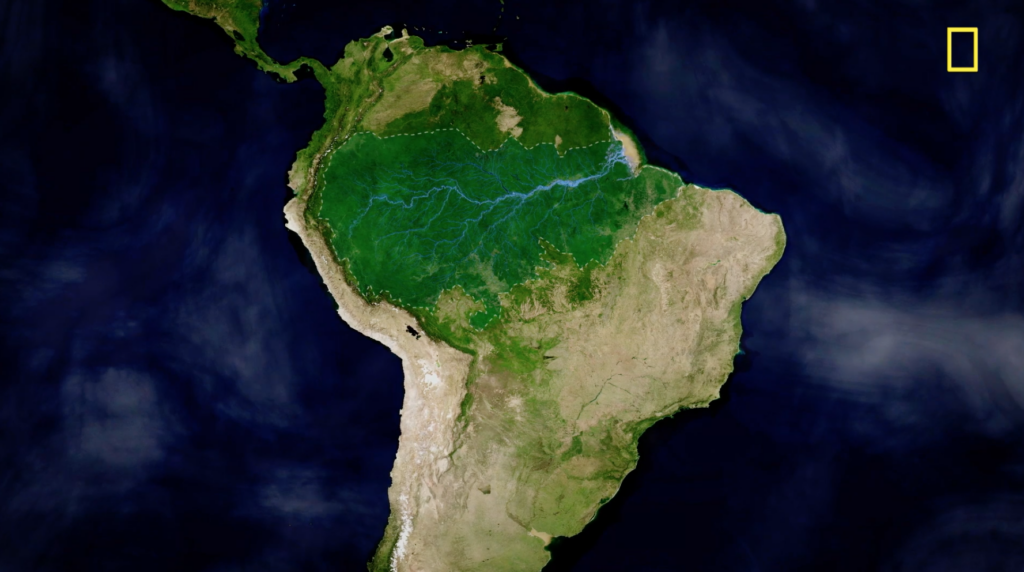
In tropical regions such as the Amazon, high species richness makes fragmentation especially damaging: a 2019 study found that forest fragments under 50 ha retained less than 10 % of original mammal diversity. In contrast, temperate grasslands in Europe often contain more generalist species, so the proportional loss may be lower, though specialist pollinators still suffer. In arid zones, fragmentation of oasis habitats can severely limit water‑dependent fauna, amplifying drought vulnerability.
What Scientists Know With High Confidence
- Fragmentation reduces species richness and abundance across most taxa.
- Isolation impairs gene flow, increasing inbreeding depression.
- Edge effects alter microclimate and increase invasive species pressure.
- Connectivity restoration (e.g., wildlife corridors) improves movement and can boost population viability.
What Remains Uncertain
Key uncertainties include the threshold patch size needed to sustain particular species, the long‑term effectiveness of narrow corridors for highly mobile mammals, and how climate‑driven range shifts will interact with existing fragmented matrices. More longitudinal studies that combine genetic monitoring with landscape change data are needed to refine these thresholds.
Common Misconceptions
Misconception: Small patches are harmless because some wildlife remains.
Reality: Even apparently “functional” patches often lack the full suite of ecological interactions, leading to hidden declines in pollination, seed dispersal, and predator–prey dynamics.
Misconception: Only large mammals are affected by fragmentation.
Reality: Many insects, amphibians, and understory plants are highly sensitive to edge effects and reduced connectivity, resulting in community‑level shifts.
Misconception: Building a single road does not matter if green spaces exist elsewhere.
Reality: Roads act as chronic barriers that fragment movement corridors, and their cumulative impact across a landscape can be substantial.
Solutions and Limitations
Evidence‑based strategies include:
- Wildlife Corridors: Linear or stepping‑stone habitats that link patches. Effectiveness depends on corridor width, habitat quality, and species’ movement ecology; narrow corridors may not aid large carnivores.
- Land‑Use Planning and Zoning: Integrating connectivity goals into regional development plans can prevent new fragmentation, but requires political will and stakeholder coordination.
- Restoration of Degraded Patches: Reforestation or native grassland planting can enlarge patch size, yet restoration success varies with soil condition and seed source.
- Incentive Programs: Payments for ecosystem services encourage landowners to maintain or reconnect habitats; however, funding sustainability and equitable distribution remain challenges.
What Individuals, Communities, and Governments Can Do
What Individuals Can Do
Support organizations that purchase or protect habitat corridors, adopt native‑plant landscaping to reduce edge degradation, and advocate for wildlife‑friendly infrastructure in local planning meetings.
What Communities and Organizations Can Do
Develop community‑led habitat mosaics, create citizen‑science monitoring programs to track local species movements, and partner with municipalities to design greenways that double as recreation trails and wildlife passages.
What Governments Can Do
Incorporate connectivity metrics into national land‑use policies, fund large‑scale corridor projects, enforce environmental impact assessments that explicitly evaluate fragmentation, and align agricultural subsidies with biodiversity‑friendly practices.
Closing Synthesis
Habitat fragmentation slices the continuity of ecosystems, leading to isolated populations, loss of genetic diversity, and weakened ecosystem services. Robust evidence confirms these patterns across biomes, while uncertainties remain about precise thresholds and the long‑term success of specific mitigation measures. By prioritizing landscape connectivity, protecting remaining large patches, and integrating biodiversity considerations into planning, societies can stem biodiversity loss and preserve the ecological functions essential for human well‑being.
Frequently Asked Questions
What is habitat fragmentation?
Habitat fragmentation is the process where continuous natural habitats are broken into smaller, isolated patches by roads, agriculture, or urban development, reducing connectivity for wildlife.
How does fragmentation affect genetic diversity?
Fragmentation limits gene flow between populations, leading to increased inbreeding and lower genetic variability, which reduces a species’ ability to adapt to environmental changes.
Which species are most vulnerable to fragmented habitats?
Large‑ranged mammals, forest‑specialist birds, low‑mobility amphibians, and many pollinating insects are especially vulnerable because they rely on extensive, connected territories.
What are effective ways to restore connectivity?
Creating wildlife corridors, implementing land‑use planning that preserves linkages, restoring degraded patches, and offering incentives for habitat stewardship have been shown to improve movement and population health.
How does habitat fragmentation impact human communities?
Fragmentation can lower pollination services, reduce crop yields, increase disease exposure such as Lyme disease, and diminish livelihood security for people who depend on ecosystem resources.





Leave a Comment