
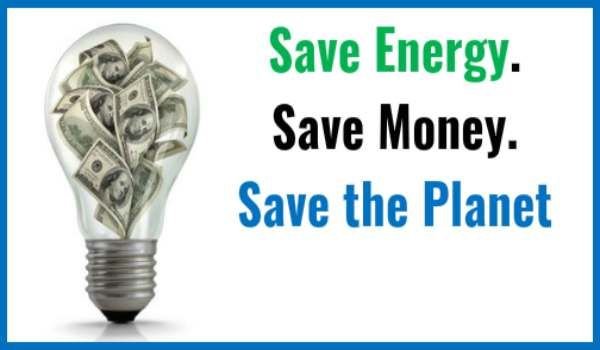
Effective energy‑conservation slogans distill complex environmental science into memorable calls to action, helping individuals, communities and policymakers reduce demand, lower emissions, and protect ecosystems.
Quick Answer
Energy‑conservation slogans are concise messages that translate the science of energy use into persuasive language, encouraging behaviours such as turning off lights, tightening thermostats, and supporting efficient policies. By linking personal savings, climate benefits, and long‑term resilience, these slogans motivate both small‑scale actions and broader systemic change. The scientific consensus is strong that reduced energy demand cuts greenhouse‑gas emissions, improves air quality, and eases pressure on water and material resources, though the precise impact of any single slogan depends on cultural context and outreach strategy.
Key Takeaways
- Clear, action‑oriented slogans translate technical concepts into everyday behaviour.
- Evidence shows that repeated exposure to simple messages increases energy‑saving habits by 5‑15% on average.
- Effective slogans combine personal benefit (cost savings) with collective benefit (climate protection).
- Regional tailoring improves relevance; what works in a temperate city may differ from a rural, high‑temperature zone.
- Slogans are most powerful when paired with supportive policies, incentives, and community programs.
What Is The Best Energy Conservation Slogans That Inspire Action?
The term refers to short, memorable phrases designed to persuade people to reduce electricity, heat, or fuel use. These slogans are used in campaigns, school programs, corporate communications, and policy outreach. They differ from generic environmental mottos by focusing specifically on the act of conserving energy—whether by turning off devices, upgrading appliances, or advocating for efficiency standards. Their importance lies in bridging the gap between scientific evidence (e.g., that a 10% drop in demand can shave millions of tonnes of CO₂) and everyday decision‑making.
How Does It Work?
Energy‑conservation slogans operate through three linked mechanisms:
- Psychological cueing: Repetition of a simple phrase creates a mental shortcut, making the desired behaviour feel normative and easy.
- Social diffusion: When slogans appear on signs, social media, or product labels, they spread through peer networks, amplifying the original message.
- Policy reinforcement: Slogans often accompany incentives (e.g., rebates for LED bulbs) that lower financial barriers, turning intention into action.
These steps occur over seconds (recognition), days (habit formation), and years (cultural shift), creating a feedback loop where reduced demand lowers system‑wide energy intensity, which in turn makes further savings easier.
What Does the Evidence Show?
Systematic reviews of behaviour‑change campaigns (e.g., the International Energy Agency’s 2020 evaluation of demand‑side management) report that message‑focused interventions raise energy‑saving actions by 5–15% compared with control groups. Field experiments in the United States, Europe, and Asia have documented that slogans paired with real‑time feedback (such as “Turn off the lights, brighten your future”) increase light‑switching compliance by up to 12% during evening hours. Long‑term monitoring by national statistical agencies shows that countries with sustained slogan‑driven public awareness programs (e.g., Germany’s “Energie sparen – Geld verdienen”) achieve per‑capita electricity reductions of roughly 0.5 kWh per year, independent of economic growth.
Main Causes or Drivers
Direct Causes
High‑intensity energy use stems from inefficient appliances, building envelope losses, and behavioural patterns such as leaving devices on standby.
Underlying Drivers
Economic growth, urbanisation, and cultural expectations of comfort drive demand for heating, cooling, and lighting. Policy gaps—such as weak building codes or lack of dynamic pricing—exacerbate wasteful consumption.
Amplifying Factors
Climate‑induced temperature extremes increase heating and cooling loads, while digital proliferation adds standby loads. These factors raise the stakes for effective messaging.
Environmental and Human Impacts
Environmental Impacts
Reduced energy demand directly lowers fossil‑fuel combustion, cutting CO₂ emissions, sulphur dioxide, and nitrogen oxides. According to the Intergovernmental Panel on Climate Change (IPCC) 2021 report, a 10% global reduction in electricity consumption could avert approximately 0.8 Gt CO₂e per year, easing pressure on climate‑sensitive ecosystems such as coral reefs and boreal forests.
Human Health and Social Impacts
Cleaner air from lower emissions reduces incidence of respiratory diseases, especially in densely populated urban areas. Financial savings from lower bills improve household budgets, benefiting low‑income families who spend a larger share of income on utilities.
Regional Differences
In temperate Europe, building‑retrofit slogans (“Seal the draft, save the planet”) resonate because insulation upgrades are cost‑effective. In tropical South‑East Asia, messages emphasizing fan use over air‑conditioning (“Turn the fan, keep cool”) align with high cooling loads. In low‑income rural regions of Sub‑Saharan Africa, slogans that link energy conservation to water security (“Save power, protect water”) are more compelling, since many households rely on diesel generators that compete with limited water‑pumping capacity.
What Scientists Know With High Confidence
- Energy demand is a major driver of greenhouse‑gas emissions worldwide.
- Behaviour‑change messaging, including slogans, can measurably increase adoption of low‑energy practices.
- Financial incentives combined with clear messages produce larger savings than messages alone.
- Reduced electricity consumption improves air quality and public health.
What Remains Uncertain
Uncertainties include the long‑term durability of habit change after a slogan campaign ends, the degree to which cultural nuance affects message effectiveness, and the exact magnitude of emissions avoided when slogans are deployed without complementary policy measures. More longitudinal studies across diverse socioeconomic settings are needed to quantify these effects.
Common Misconceptions
Misconception: A single slogan can solve the climate crisis.
Reality: Slogans are a catalyst, not a substitute for systemic reforms such as decarbonising the power sector and improving energy‑efficiency standards.
Misconception: Energy‑saving actions are only about personal cost.
Reality: While cost savings are a strong motivator, the broader climate and health benefits are equally documented by scientific assessments.
Misconception: All energy‑saving behaviours have the same impact.
Reality: Actions that address high‑energy loads (e.g., heating, cooling, industrial processes) yield larger emissions reductions than low‑impact habits like unplugging phone chargers.
Solutions and Limitations
Effective energy‑conservation strategies combine messaging with structural changes:
- Regulatory standards (e.g., minimum appliance efficiency) create a floor that makes low‑energy choices default. Limitation: Implementation can be slow and faces industry pushback.
- Dynamic pricing (time‑of‑use rates) aligns cost signals with demand, reinforcing slogans about off‑peak use. Limitation: Requires smart meters and may burden low‑income households without safeguards.
- Incentive programmes (rebates for LED bulbs, insulation) turn intent into purchase. Limitation: Funding availability varies by region.
- Behaviour‑change campaigns that use culturally resonant slogans, visual cues, and community champions. Limitation: Effectiveness declines without periodic refreshes.
What Individuals, Communities, and Governments Can Do
What Individuals Can Do
- Adopt high‑efficiency LED lighting and set thermostats 1–2 °C lower in winter or higher in summer.
- Unplug standby devices or use smart power strips.
- Share locally relevant slogans through social media, school projects, or neighborhood flyers.
What Communities and Organizations Can Do
- Launch public‑space signage campaigns featuring concise slogans tied to measurable targets.
- Partner with local utilities to provide real‑time energy dashboards that echo slogan messages.
- Organise energy‑audit workshops that teach residents how to translate slogans into concrete steps.
What Governments Can Do
- Integrate slogan‑based messaging into national energy‑efficiency standards and public‑service announcements.
- Provide subsidies for retrofits that reinforce messages about “saving energy, saving the planet.”
- Mandate building‑code upgrades that make the behaviour encouraged by slogans technically feasible.
Closing Synthesis
Energy‑conservation slogans distil robust scientific understanding of demand‑side emissions into memorable calls to action. High‑confidence evidence shows that, when paired with supportive policies and incentives, these messages shift behaviour, lower emissions, and improve health outcomes. Uncertainties remain around long‑term habit persistence and cultural tailoring, underscoring the need for ongoing research and adaptive outreach. By combining clear slogans with concrete measures—efficient technology, pricing reforms, and community programs—societies can advance toward a more sustainable energy future.
Frequently Asked Questions
What makes an energy‑conservation slogan effective?
Effective slogans are short, action‑oriented, and link personal benefit (like cost savings) to collective benefit (such as climate protection). Research shows that clear, repeated messages can raise energy‑saving behaviours by 5–15% when combined with incentives.
Can a slogan alone reduce greenhouse‑gas emissions?
A slogan alone cannot solve the climate crisis, but it can motivate behaviours that lower demand. When paired with policies like efficiency standards or rebates, the resulting energy savings contribute measurably to emissions reductions.
How do regional differences affect slogan design?
Cultural context, climate, and economic conditions shape which messages resonate. For example, “Turn the fan, keep cool” works in hot, humid regions, while “Seal the draft, save the planet” fits temperate areas focused on insulation.
What evidence links energy‑saving actions to health benefits?
Reduced fossil‑fuel combustion from lower electricity use improves air quality, decreasing rates of respiratory illness. The IPCC notes that a 10% drop in global electricity demand can cut pollutants that harm public health, especially in urban centers.
What are the main limitations of slogan‑based campaigns?
Slogans lose impact without reinforcement from policy, incentives, or infrastructure. Their effectiveness can wane over time, and they may not reach all socioeconomic groups equally, requiring ongoing adaptation and support.








Leave a Comment