
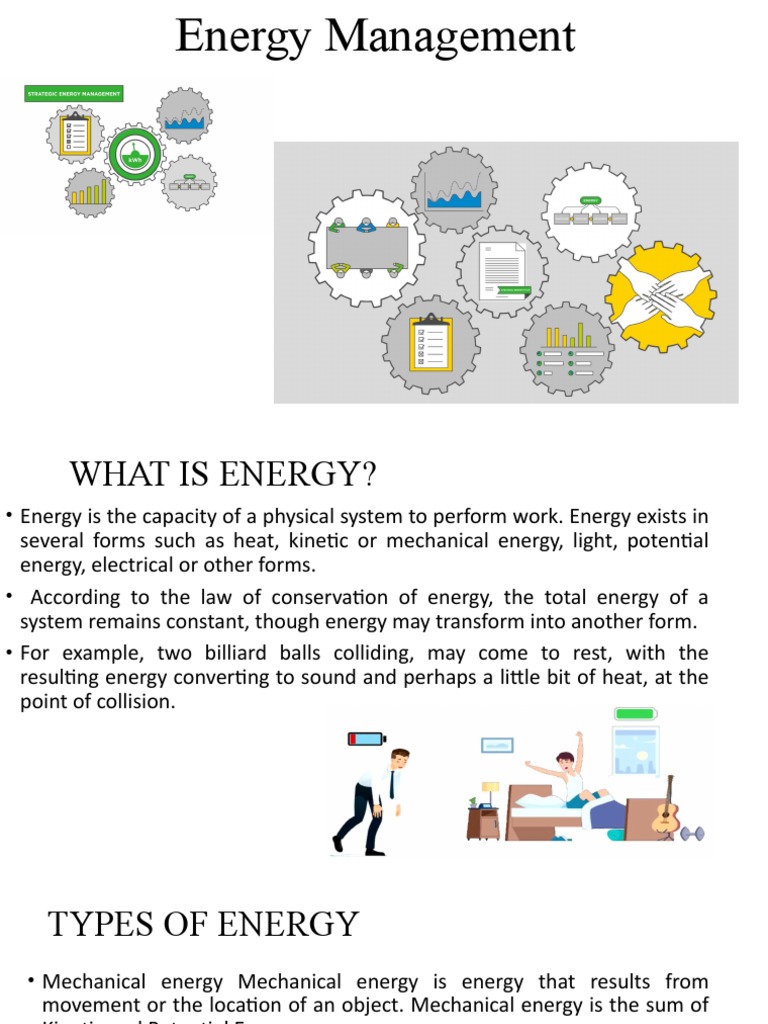
Effective energy management relies on a set of evidence‑based principles that help individuals, organizations, and societies reduce waste, lower costs, and mitigate climate impacts.
Quick Answer
Effective energy management is the systematic practice of measuring, analysing, and optimising energy use to achieve lower consumption, reduced emissions, and cost savings. It combines accurate data collection, efficiency upgrades, renewable integration, behavioural change, and continuous monitoring. Scientific consensus shows that applying these principles can cut electricity demand by 10‑30% in typical buildings, thereby decreasing carbon footprints. Uncertainty remains around the speed of technology adoption in low‑income regions, but the core mechanisms are well established.
Key Takeaways
- Understanding real‑time consumption is the foundation for any energy‑saving strategy.
- Efficiency measures—such as retrofits, smart controls, and high‑performance equipment—provide the greatest near‑term emissions reductions.
- Renewable energy integration reduces dependence on fossil fuels but requires careful planning for cost and space.
- Behavioural interventions and policy frameworks amplify technical solutions.
- Continuous monitoring and iterative improvement keep systems resilient to changing conditions.
What Is Core Principles of Effective Energy Management?
The core principles are a set of inter‑related guidelines that describe how to manage energy flows within a defined boundary—such as a household, a commercial building, or an industrial plant. They encompass data‑driven assessment, efficiency prioritisation, renewable integration, human‑centred behaviour change, technological adoption, policy development, ongoing performance tracking, and community engagement. Unlike ad‑hoc energy‑saving tips, these principles provide a structured, repeatable framework that aligns technical, economic, and social objectives. Effective management matters because energy production accounts for roughly 35% of global greenhouse‑gas emissions, according to the International Energy Agency (IEA, 2022).
How Does It Work?
1. Measure and Analyse Consumption
Smart meters and sub‑metering devices capture electricity, gas, and heat use at intervals as short as one minute. Data are visualised through dashboards that reveal peak demand periods, seasonal trends, and abnormal spikes. This step creates a baseline against which improvements are measured.
2. Prioritise Efficiency Measures
Using the baseline, the most cost‑effective upgrades are identified—often lighting retrofits, variable‑frequency drives for motors, and improved building envelope insulation. Energy‑Star and ISO 50001 standards guide the selection of technologies that deliver the highest return on investment.
3. Integrate Renewable Sources
Solar photovoltaic (PV) panels, on‑site wind turbines, or geothermal heat pumps are sized based on the measured load profile. Energy storage (batteries or thermal storage) smooths intermittent generation, allowing higher self‑consumption rates.
4. Influence Behaviour
Education campaigns, real‑time feedback displays, and incentive programmes encourage occupants to switch off unnecessary devices, adjust thermostats, and adopt low‑energy habits. Behavioural science shows that visible feedback can reduce electricity use by 5‑15%.
5. Deploy Smart Technologies
Internet‑of‑Things (IoT) sensors, AI‑driven analytics, and predictive control algorithms optimise equipment schedules, detect faults, and forecast demand. For example, AI models can predict HVAC load with a mean absolute error of less than 5% (IEEE Access, 2021).
6. Set Policies and Targets
Organizations adopt formal energy policies, establish measurable targets (e.g., 20% reduction by 2030), and embed responsibilities into corporate governance. Transparent reporting aligns internal actions with external standards such as the CDP disclosure framework.
7. Monitor, Verify, and Improve
Continuous performance verification—using calibrated meters and third‑party audits—ensures that projected savings are realised. The Plan‑Do‑Check‑Act cycle drives iterative refinement of controls and operations.
8. Engage the Community
Collaboration with local utilities, NGOs, and neighboring facilities creates shared‑resource projects (e.g., district heating) and spreads best practices across sectors.
What Does the Evidence Show?
Long‑term monitoring by national agencies (e.g., the U.S. Energy Information Administration) demonstrates that systematic energy‑management programmes achieve average savings of 10‑30% in commercial buildings. A systematic review of peer‑reviewed case studies (Renewable and Sustainable Energy Reviews, 2020) found that combining efficiency retrofits with renewable PV installations yields the highest cumulative emissions reductions. The Intergovernmental Panel on Climate Change (IPCC, 2021) identifies energy‑efficiency improvements as a low‑cost, high‑impact mitigation pathway, capable of delivering up to 12 gigatonnes CO₂‑eq reductions by 2050 under current policies.
Main Causes or Drivers
Direct Causes
- Outdated equipment with low performance ratios.
- Over‑sized heating, ventilation, and air‑conditioning (HVAC) systems.
- Lack of real‑time consumption data.
Underlying Drivers
- Economic incentives that favour upfront capital over lifecycle cost.
- Regulatory gaps that do not mandate energy audits.
- Behavioural inertia and limited awareness of energy impacts.
Amplifying Factors
- Rapid urbanisation increasing building stock density.
- Electrification of transport and industry raising overall demand.
- Climate‑induced temperature extremes driving higher cooling loads.
Environmental and Human Impacts
Environmental Impacts
Reduced energy consumption directly lowers fossil‑fuel combustion, decreasing CO₂, NOₓ, and SO₂ emissions. This improves air quality, mitigates acid rain, and slows climate change. Energy‑efficiency upgrades also lessen water use in thermoelectric cooling cycles, preserving freshwater resources.
Human Health and Social Impacts
Cleaner air reduces respiratory illnesses, especially in urban areas where energy‑related pollutants are a major health burden (World Health Organization, 2021). Lower utility bills improve household energy affordability, benefitting low‑income families and reducing energy‑poverty.
Economic and Infrastructure Impacts
Energy savings translate into operational cost reductions, enhancing competitiveness for businesses. Grid‑level benefits include deferred capacity upgrades and reduced peak‑load stress, which can delay costly infrastructure investments.
Regional Differences
In temperate Europe, building retrofits dominate energy‑saving potential, whereas in rapidly urbanising Asia, demand‑side management combined with distributed solar PV is more impactful. In arid regions, water‑intensive cooling drives higher energy use, making efficient HVAC controls critical. Low‑income countries often face data gaps, limiting the ability to implement data‑driven measures, but community‑based micro‑grids provide a pathway for renewable integration.
What Scientists Know With High Confidence
- Energy efficiency measures consistently deliver measurable reductions in energy use and associated emissions.
- Renewable electricity generation displaces fossil‑fuel generation, reducing net CO₂ emissions.
- Real‑time feedback and behavioural interventions can achieve 5‑15% additional savings.
- Continuous monitoring and iterative improvement are essential for sustaining performance over time.
What Remains Uncertain
Key uncertainties include the rate at which emerging technologies such as AI‑optimised controls will achieve market penetration in low‑income settings, and the long‑term durability of large‑scale battery storage under varied climate conditions. Data availability in many developing regions limits the precision of baseline assessments, creating uncertainty around achievable savings.
Common Misconceptions
Misconception: Energy efficiency always costs more than it saves.
Reality: Life‑cycle cost analyses, supported by IEA data, show that most efficiency upgrades (e.g., LED lighting, high‑efficiency motors) pay back within 2‑5 years and yield net savings over their operational life.
Misconception: Renewable energy can replace all fossil fuels instantly.
Reality: While renewables reduce reliance on fossil fuels, integration challenges—such as intermittency and grid stability—require complementary measures like storage and demand‑side management.
Misconception: Individual actions are enough to solve the climate crisis.
Reality: Personal energy‑saving behaviours are valuable but must be combined with institutional policies, corporate action, and systemic infrastructure changes to achieve the scale needed for climate mitigation.
Solutions and Limitations
Technical solutions include high‑efficiency appliances, building envelope upgrades, and on‑site renewable generation. Their limitations involve upfront capital costs, space constraints for solar panels, and the need for skilled installation. Policy solutions—such as energy‑performance standards, carbon pricing, and incentive programmes—can accelerate adoption but may face political resistance and require robust monitoring to avoid loopholes. Behavioural programmes are low‑cost but rely on sustained engagement; without reinforcement, gains can erode over time.
What Individuals, Communities, and Governments Can Do
What Individuals Can Do
- Install smart thermostats and use programmable schedules.
- Replace incandescent bulbs with LED lighting.
- Participate in utility demand‑response programs.
- Conduct a simple home energy audit to identify leaks.
What Communities and Organizations Can Do
- Develop shared‑energy dashboards to visualise neighbourhood consumption.
- Launch bulk‑purchase schemes for high‑efficiency equipment.
- Partner with local utilities to install community solar arrays.
- Offer training workshops on energy‑management best practices.
What Governments Can Do
- Adopt and enforce building‑code energy‑performance standards.
- Provide tax credits or low‑interest loans for retrofits and renewable installations.
- Mandate regular energy audits for large commercial and industrial facilities.
- Invest in smart‑grid infrastructure that enables real‑time demand response.
Synthesis
The core principles of effective energy management—measurement, efficiency, renewable integration, behaviour change, technology adoption, policy, continuous improvement, and community engagement—form a coherent framework that reduces energy waste, cuts emissions, and lowers costs. High‑confidence evidence confirms the efficacy of efficiency upgrades and renewable displacement, while uncertainties centre on technology diffusion in resource‑constrained contexts. By aligning individual actions with coordinated policy and technological strategies, societies can move toward a resilient, low‑carbon energy future.
Frequently Asked Questions
What is the definition of effective energy management?
Effective energy management is the systematic practice of measuring, analysing, and optimising energy use to achieve lower consumption, reduced emissions, and cost savings across households, businesses, or whole communities.
How do smart meters contribute to energy management?
Smart meters provide real‑time data on electricity, gas, and heat use, revealing peak demand periods and abnormal spikes, which creates a baseline for identifying and tracking energy‑saving opportunities.
What evidence supports the impact of efficiency upgrades?
Long‑term monitoring by agencies such as the U.S. Energy Information Administration shows that systematic energy‑management programmes typically achieve 10‑30% savings in commercial buildings, confirming the strong impact of efficiency measures.
Why is community engagement important in energy management?
Community engagement fosters shared‑resource projects, spreads best practices, and creates collective buying power for renewable installations, amplifying the benefits of individual and organisational energy‑saving actions.
What are the main uncertainties in implementing energy‑management strategies?
Key uncertainties include how quickly emerging technologies like AI‑driven controls will be adopted in low‑income regions and the long‑term performance of large‑scale battery storage under diverse climate conditions.








Leave a Comment