
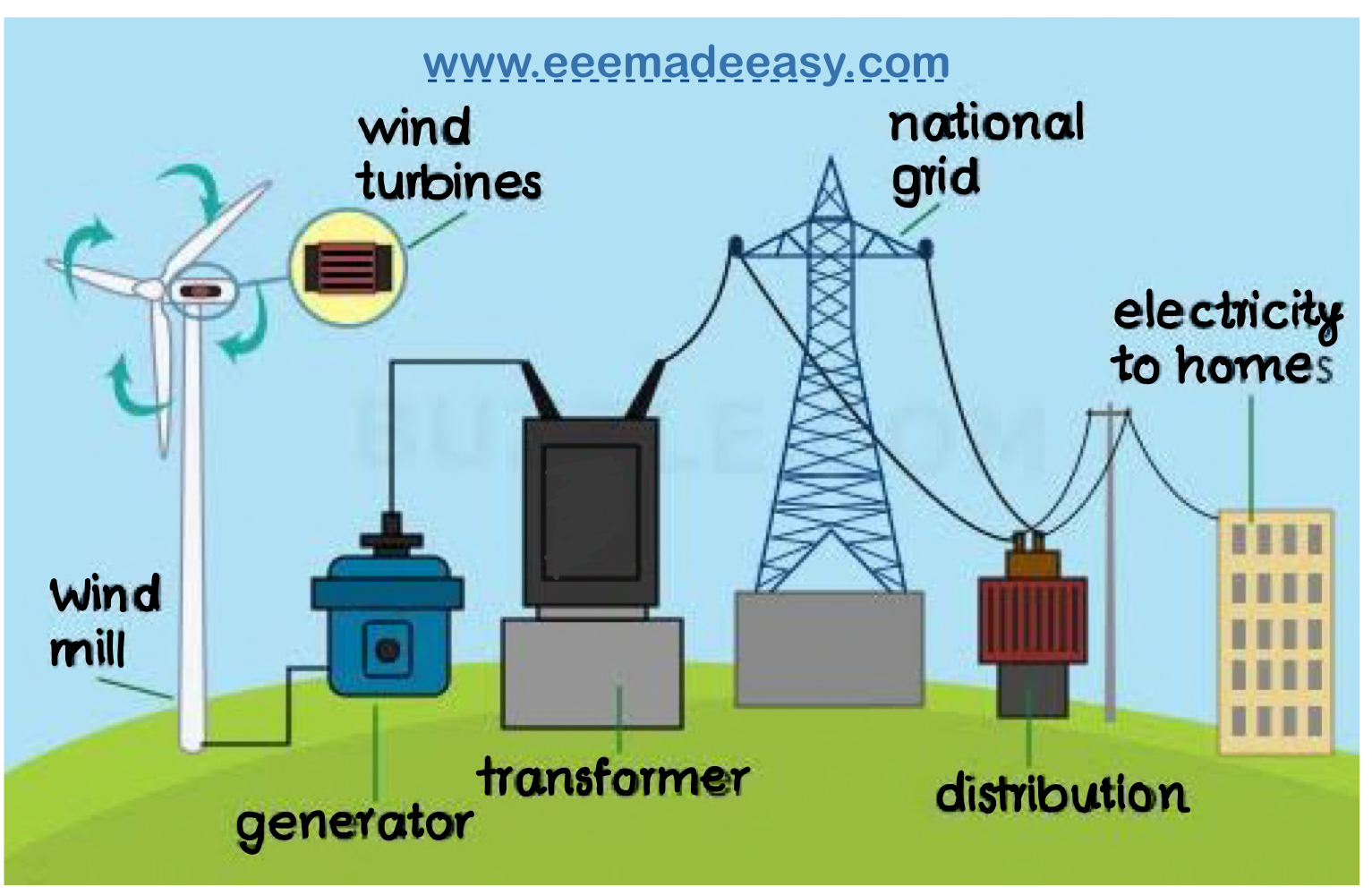
A wind power station converts the kinetic energy of moving air into usable electricity through a sequence of mechanical and electrical processes that begin with the wind itself and end with power delivered to the grid.
Quick Answer
Wind turbines capture wind that exceeds a cut‑in speed of about 3–4 m/s, turning blades that drive a low‑speed shaft. A gearbox raises the rotation to roughly 1,500 rpm, powering a generator where electromagnetic induction creates alternating current. Power electronics condition the voltage, and step‑up transformers move the electricity onto high‑voltage transmission lines. The overall system reliably produces clean energy, though output varies with wind speed and requires grid‑integration controls.
Key Takeaways
- Wind turbines transform wind kinetic energy into rotational energy via aerodynamically designed blades.
- A gearbox (or direct‑drive system) converts low‑speed, high‑torque rotation to the high speed needed for electricity generation.
- Generators use electromagnetic induction to produce alternating current, which is then conditioned by power electronics.
- Transformers raise voltage for efficient transmission, allowing the electricity to travel long distances with minimal loss.
- Overall efficiency depends on wind resource quality, turbine design, and grid‑integration technology.
What Is How a Wind Power Station Generates Electricity Step by Step?
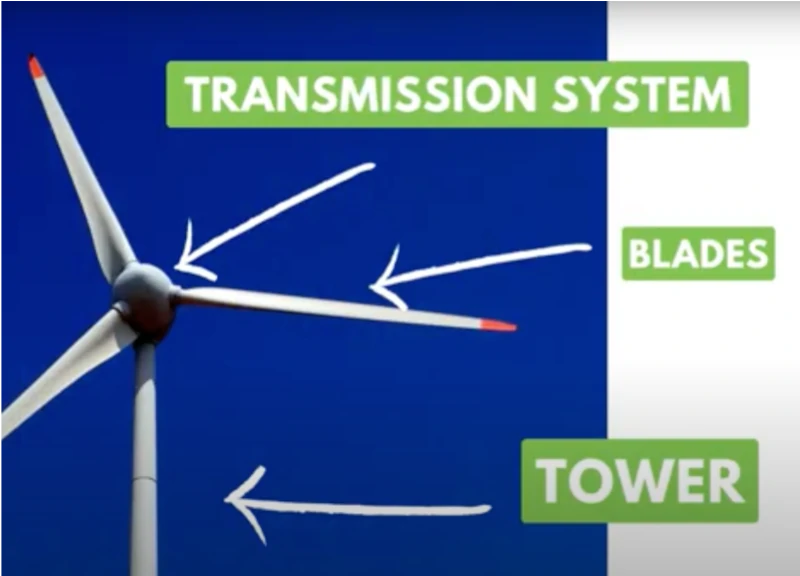
A wind power station, often called a wind farm, is a collection of wind turbines that together feed electricity into an electrical grid. Each turbine consists of blades, a hub, a shaft, a gearbox (or direct‑drive unit), a generator, and control electronics. The process is bounded by the physical limits of wind speed: turbines operate between a cut‑in speed (~3 m/s) and a cut‑out speed (~25 m/s) to protect equipment.
How Does It Work?
1. Wind Captures Kinetic Energy
Atmospheric pressure differences, driven by solar heating, create wind. When wind speed reaches the turbine’s operational range, it flows over the airfoil‑shaped blades, generating lift and causing the rotor to spin.
2. Blade Rotation Drives the Low‑Speed Shaft
The rotor hub transfers mechanical rotation to a main shaft that turns at about 10–20 revolutions per minute (rpm), depending on turbine size.
3. Gearbox (or Direct‑Drive) Increases Rotational Speed
Most turbines use a gearbox to amplify the shaft speed to roughly 1,500 rpm, which matches the optimal operating speed of the generator. Some newer designs employ direct‑drive generators, eliminating the gearbox and reducing maintenance.
4. Generator Converts Mechanical to Electrical Energy
Inside the generator, a rotating magnetic field (rotor) induces an alternating current (AC) in stationary windings (stator) via electromagnetic induction, as described by Faraday’s law.
5. Power Electronics Condition the Output
Converter modules (often called inverters) manage voltage, frequency, and phase to align the turbine’s output with grid standards. They also protect the system from voltage spikes and allow remote monitoring.
6. Transformer Steps Up Voltage for Transmission
Substation transformers increase the voltage to 110 kV, 220 kV, or higher, reducing resistive losses during long‑distance transmission.
7. Electricity Enters the Grid
The high‑voltage AC is dispatched through transmission lines to distribution networks, ultimately reaching homes, businesses, and industry.
What Does the Evidence Show?
Long‑term monitoring by national agencies such as the U.S. Energy Information Administration (EIA) and the International Energy Agency (IEA) confirms that modern wind farms achieve capacity factors of 30–45 % in favorable sites, meaning they produce 30–45 % of their rated maximum output over a year. A 2021 IEA assessment reports that wind supplied 7 % of global electricity generation, with cumulative installed capacity exceeding 800 GW. Peer‑reviewed studies consistently find that lifecycle greenhouse‑gas emissions from wind are among the lowest of any energy source, typically below 15 g CO₂‑eq kWh⁻¹.
Main Causes or Drivers
Natural Drivers
Wind patterns arise from temperature gradients, Coriolis forces, and topographic effects. Regions with strong, persistent winds—such as coastal cliffs, offshore basins, and high‑altitude plateaus—provide the most productive sites.
Human Drivers
- Policy incentives (feed‑in tariffs, renewable portfolio standards) that improve project economics.
- Technological advances in blade aerodynamics, materials, and control systems.
- Growing demand for low‑carbon electricity to meet climate‑mitigation targets.
Environmental and Human Impacts
Environmental Impacts
- Positive: Wind power displaces fossil‑fuel generation, reducing CO₂, SO₂, and NOₓ emissions.
- Negative: Turbine blades can cause bird and bat collisions; mitigation includes siting away from migration corridors and using ultrasonic deterrents.
- Land use is relatively low; most sites allow concurrent agriculture or grazing.
Human Health and Social Impacts
- Reduced air‑pollution improves respiratory health for nearby populations.
- Construction and operation create jobs; the Global Wind Energy Council (GWEC) estimates ~1.2 million jobs worldwide in 2022.
- Visual and noise concerns can affect local acceptance; community‑engagement processes help address these issues.
Regional Differences
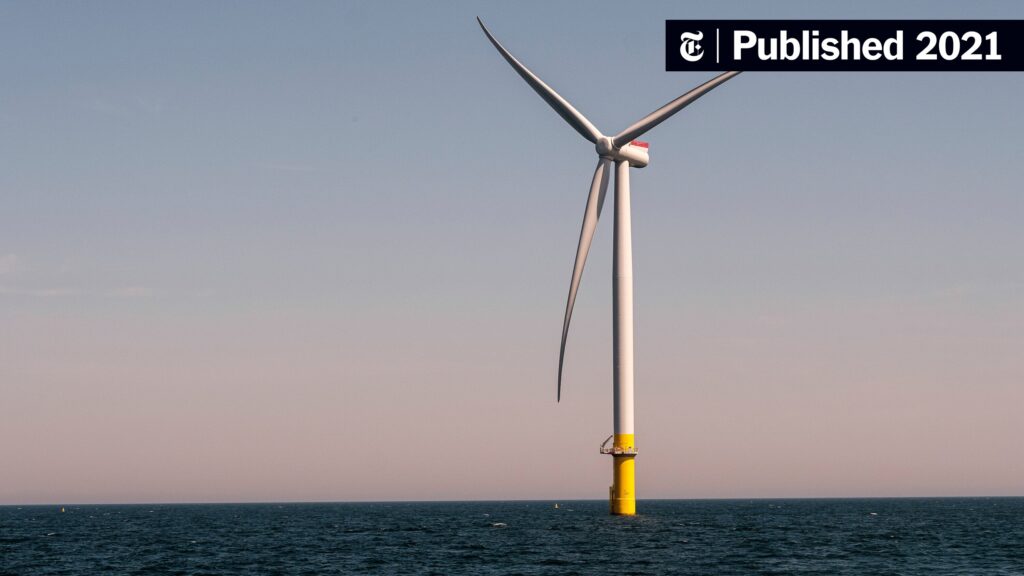
In Europe, dense offshore wind farms (e.g., the North Sea) exploit high wind speeds and benefit from mature grid interconnections. In contrast, the United States hosts large on‑shore farms in the Midwest, where wind resources are strong but transmission bottlenecks limit export. Emerging markets in Asia and Africa are expanding on‑shore capacity, yet face challenges such as limited grid infrastructure and variable wind data quality.
What Scientists Know With High Confidence
- Wind energy conversion follows well‑established physical principles of aerodynamics and electromagnetic induction.
- Lifecycle greenhouse‑gas emissions from wind are among the lowest of all electricity generation technologies.
- Modern turbines reliably operate within a defined wind‑speed envelope, shutting down automatically at excessive speeds to avoid damage.
- Increasing turbine size and hub height consistently raises capacity factors across diverse climates.
What Remains Uncertain
Key uncertainties include the long‑term durability of large‑scale offshore structures under corrosive marine conditions, and the cumulative ecological effects on bat populations in newly developed regions. Improved monitoring and standardized impact assessments are needed to reduce these gaps.
Common Misconceptions
Misconception: Wind turbines generate electricity at any wind speed.
Reality: Turbines require a minimum “cut‑in” speed (≈3 m/s) to start generating and automatically stop above a “cut‑out” speed (≈25 m/s) to protect equipment.
Misconception: Wind power is always intermittent and unreliable.
Reality: While output varies moment‑to‑moment, geographic dispersion of many turbines and integration with storage or complementary renewables smooths overall supply.
Misconception: Wind farms consume large amounts of land.
Reality: The physical footprint of turbine foundations is small; the surrounding land often remains usable for farming, grazing, or conservation.
Solutions and Limitations
Advancing turbine technology (larger rotors, higher hub heights) can capture more energy but raises concerns about visual impact and wildlife interaction. Expanding transmission capacity enables remote, high‑resource sites to supply demand centers, yet requires substantial capital investment and regulatory coordination. Offshore wind offers higher and steadier winds, but construction costs, marine ecosystem impacts, and maintenance logistics are greater than on‑shore projects.
What Individuals, Communities, and Governments Can Do
What Individuals Can Do
- Support policies that incentivize renewable‑energy procurement in your locality.
- Choose electricity suppliers that source a share of power from wind.
- Participate in community‑owned wind projects where available.
What Communities and Organizations Can Do
- Conduct site‑specific wind assessments to identify optimal turbine locations while avoiding sensitive habitats.
- Develop local education programs to address visual and noise concerns, fostering public acceptance.
- Partner with utilities to plan grid upgrades that accommodate additional wind capacity.
What Governments Can Do
- Implement clear, long‑term renewable‑energy targets and streamlined permitting processes.
- Provide financial mechanisms (e.g., tax credits, low‑interest loans) that reduce upfront capital barriers.
- Invest in research on wildlife‑friendly turbine designs and offshore corrosion‑resistant materials.
Synthesis of Key Points
Wind power stations transform moving air into electricity through a series of well‑understood mechanical and electrical steps, from blade aerodynamics to grid integration. Robust scientific evidence confirms their low carbon footprint and growing contribution to global energy mixes. Remaining uncertainties—especially regarding offshore durability and wildlife impacts—guide ongoing research. By combining technology advancement, thoughtful siting, and supportive policies, societies can expand wind’s share of clean energy while managing its trade‑offs.
Frequently Asked Questions
What is the minimum wind speed needed for a turbine to start generating electricity?
A wind turbine generally needs a cut‑in speed of about 3 to 4 meters per second before its blades can turn fast enough to produce usable electricity.
How does a gearbox affect the operation of a wind turbine?
The gearbox increases the low‑speed, high‑torque rotation of the rotor (around 10–20 rpm) to the high speed (about 1,500 rpm) required by the generator to create electricity efficiently.
What role do power electronics play in wind energy systems?
Power electronics, such as converters and inverters, condition the generator’s alternating current by controlling voltage, frequency, and phase so that it matches grid standards and can be safely transmitted.
Are there environmental downsides to wind farms?
While wind farms greatly reduce air‑pollution, they can affect wildlife—particularly birds and bats—if turbines are sited in migration corridors, and they may cause visual or noise concerns for nearby residents.
How can individuals support the growth of wind power?
People can choose electricity providers that source wind energy, support local renewable‑energy policies, and, where possible, invest in community‑owned wind projects that expand clean‑energy capacity.





Leave a Comment