
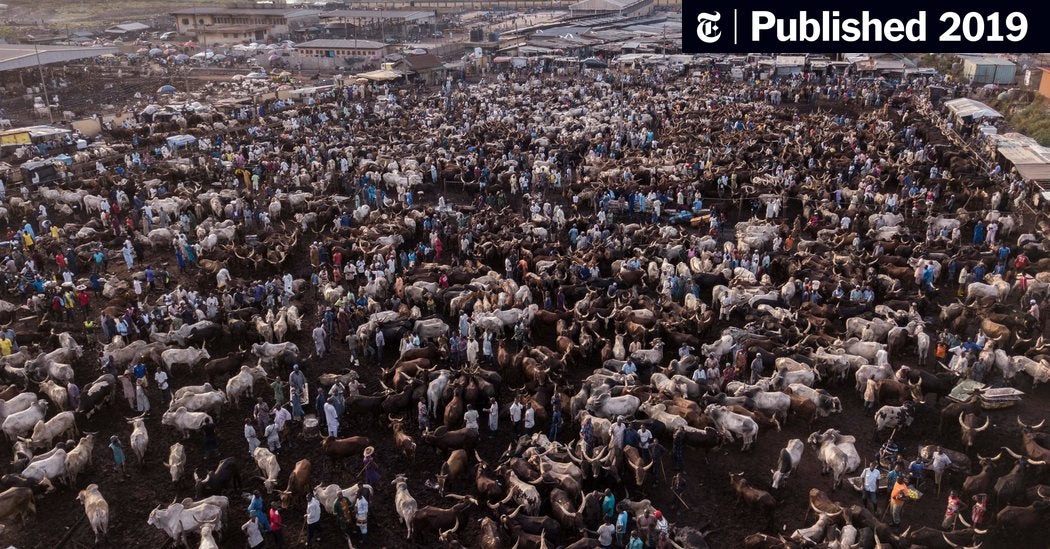
Climate change alters temperature, precipitation, and extreme‑event patterns, which together undermine crop yields, livestock productivity, and food‑distribution networks, creating widespread food‑security risks.
Quick Answer
Climate change disrupts the global food system by shifting growing seasons, intensifying heat stress, altering rainfall, and increasing the frequency of extreme weather events such as droughts, floods, and storms. These physical changes reduce agricultural yields, raise food prices, and strain supply chains. The most robust scientific consensus links rising average temperatures to a 5‑10% decline in staple‑crop yields in tropical and subtropical regions by 2050, while higher‑latitude regions may see modest gains. Uncertainty remains around the magnitude of future impacts because of variable socioeconomic pathways and adaptive capacity.
Key Takeaways
- Higher temperatures and altered precipitation directly lower yields of wheat, maize, rice, and many legumes.
- Extreme events—heatwaves, floods, and droughts—cause abrupt production losses and damage storage and transport infrastructure.
- Pest and disease pressures increase as warmer climates expand the range of insects, fungi, and viruses.
- Food‑price volatility rises when major producing regions experience yield shocks, disproportionately affecting low‑income consumers.
- Adaptation strategies—such as agroecology, climate‑smart varieties, and improved water management—can mitigate some impacts but require substantial investment and policy support.
What Is How Climate Change Disrupts the Global Food System?
The phrase describes the cascade of physical, biological, and socioeconomic changes triggered by a warming climate that interfere with each stage of food production, processing, distribution, and consumption. It encompasses field‑level impacts (e.g., reduced photosynthesis), ecosystem shifts (e.g., pest expansion), and market‑level responses (e.g., price spikes). Unlike short‑term weather anomalies, this concept refers to long‑term trends and the systemic vulnerability of the worldwide food network.
How Does It Work?
1. Temperature Rise and Crop Physiology
Photosynthetic efficiency peaks at around 25 °C for most C3 crops (wheat, rice, soy). The Intergovernmental Panel on Climate Change (IPCC) reports that each °C of warming above this optimum can reduce yields by 3‑7% for these staples (IPCC, 2021). Heat stress also shortens grain‑filling periods, leading to lighter kernels.
2. Shifts in Rainfall and Soil Moisture
Climate models show intensified hydrological cycles: some regions become wetter, others drier. In the Sahel, average precipitation has declined by 10 % since the 1980s (FAO, 2022), limiting water availability for rain‑fed agriculture. Conversely, monsoon flooding in South Asia can erode topsoil and delay planting.
3. Extreme Weather Events
Heatwaves, droughts, and floods destroy crops outright and damage storage facilities. The 2021 Western US heatwave reduced wheat yields by an estimated 8 % (USDA, 2022). Such events also interrupt logistics, raising transport costs.
4. Pest and Disease Proliferation
Warmer winters allow insects such as the fall armyworm to survive in higher latitudes. A systematic review of field trials found a 15‑20 % increase in pest‑related losses in regions where average winter temperature rose above 10 °C (Science of the Total Environment, 2020).
5. Market and Supply‑Chain Feedbacks
When major exporters (e.g., the United States, Brazil, Ukraine) experience yield shortfalls, global commodity prices rise. The Food and Agriculture Organization (FAO) recorded a 30 % increase in the average price of maize between 2019 and 2022, coinciding with droughts in key producing zones.
What Does the Evidence Show?
Long‑term monitoring by national meteorological services and satellite‑derived vegetation indices confirms a consistent downward trend in yield potential for heat‑sensitive crops across tropical and subtropical belts. The IPCC Sixth Assessment Report (2021) synthesises over 1,500 peer‑reviewed studies, concluding with high confidence that climate change already reduces global cereal productivity.
Experimental warming plots, such as those in the International Wheat Yield Partnership, demonstrate a 5 % yield loss per 1 °C increase for wheat under realistic field conditions. Meta‑analyses of field trials across 25 countries show that drought‑tolerant varieties can recover up to 40 % of lost yield, but adoption rates remain below 25 % in smallholder systems (Nature Climate Change, 2021).
Main Causes or Drivers
Direct Climate Drivers
- Rising atmospheric CO₂ concentrations (≈ 420 ppm in 2023) that alter plant water use efficiency but also accelerate warming.
- Increased frequency of extreme heat events, documented by the World Meteorological Organization.
- Changing precipitation regimes, with a noted 5‑15 % shift in seasonal rainfall patterns in many agricultural zones (IPCC, 2021).
Socio‑economic Amplifiers
- Dependence on rain‑fed agriculture in low‑income regions, limiting capacity to irrigate during droughts.
- Globalised supply chains that concentrate risk in a few exporting countries.
- Limited access to climate‑smart technologies for smallholders.
Environmental and Human Impacts
Environmental Impacts
- Soil degradation from erosion after intense rainfall events.
- Loss of biodiversity as monocultures expand into marginal lands.
- Increased greenhouse‑gas emissions from higher fertilizer use to compensate for lower yields.
Human Health and Social Impacts
- Higher prevalence of undernutrition in regions where staple yields fall, with the WHO estimating a 5 % rise in child stunting risk under a high‑emissions scenario.
- Economic strain on farming households, leading to migration and heightened social instability.
- Food‑price spikes that disproportionately affect urban low‑income consumers, increasing the share of income spent on food.
Economic and Infrastructure Impacts
- Losses in agricultural GDP projected at 1‑2 % per °C of warming in developing economies (World Bank, 2022).
- Damage to storage silos and transport networks during floods, raising post‑harvest loss rates beyond the global average of 14 %.
Regional Differences
In sub‑Saharan Africa, reduced rainfall and higher temperatures have already cut maize yields by up to 20 % in the past two decades, while in parts of Canada, a longer frost‑free period has modestly increased wheat yields by 3‑5 % (Agriculture and Agri‑Food Canada, 2021). South‑East Asia faces simultaneous flood and drought risks, creating “double‑exposure” that complicates adaptation planning. High‑latitude regions may benefit from longer growing seasons, but they also confront new pest pressures and soil‑carbon feedbacks.
What Scientists Know With High Confidence
- Global average temperatures have risen by about 1.1 °C since pre‑industrial levels (IPCC, 2021).
- Heat stress and water scarcity are the primary drivers of reduced yields for C3 staple crops.
- Extreme weather events are becoming more frequent and intense, directly damaging crops and infrastructure.
- Pest and disease ranges are expanding poleward in response to warming.
What Remains Uncertain
Key uncertainties include the pace of technological adoption, the exact magnitude of CO₂ fertilisation benefits for different crops, and how future socioeconomic pathways will shape vulnerability. Model projections diverge on the extent to which irrigation can offset drought in water‑scarce regions, largely because groundwater sustainability is poorly quantified. Better long‑term field experiments and high‑resolution climate‑impact models are needed to narrow these gaps.
Common Misconceptions
Misconception: Climate change will only affect food production in the tropics.
Reality: While tropical regions are most vulnerable, temperate zones also experience yield shifts, altered pest pressures, and infrastructure damage.
Misconception: Higher CO₂ automatically boosts crop yields.
Reality: CO₂ fertilisation can improve water‑use efficiency, but nutrient limitations, heat stress, and extreme events often offset any gains.
Misconception: Food waste is unrelated to climate‑driven food insecurity.
Reality: Reducing post‑harvest loss and consumer waste can alleviate pressure on the production system, especially as climate stress reduces overall supply.
Solutions and Limitations
- Climate‑smart agriculture: Practices such as conservation tillage, diversified cropping, and precision irrigation improve resilience, but require upfront capital and knowledge transfer.
- Improved crop genetics: Drought‑tolerant and heat‑resistant varieties show promise; however, breeding cycles are long and seed access can be restricted by intellectual‑property regimes.
- Supply‑chain diversification: Developing regional storage hubs reduces reliance on distant exporters, yet building such infrastructure demands coordinated public investment.
- Policy and finance: Subsidies for climate‑adaptation, insurance schemes, and climate‑risk assessments can support farmers, but misaligned incentives may encourage maladaptive practices.
What Individuals, Communities, and Governments Can Do
What Individuals Can Do
- Choose locally sourced, seasonal produce to reduce transport emissions and support regional resilience.
- Minimize food waste by planning meals, storing foods properly, and composting organic scraps.
- Support policies and brands that invest in climate‑smart farming.
What Communities and Organizations Can Do
- Develop community gardens that use rainwater harvesting and mulching to demonstrate climate‑resilient techniques.
- Facilitate farmer field schools that teach pest‑monitoring and drought‑mitigation practices.
- Create local food‑storage cooperatives to buffer against market volatility.
What Governments Can Do
- Integrate climate risk assessments into national agricultural plans, as recommended by the FAO.
- Provide low‑interest credit and insurance for smallholders adopting climate‑smart technologies.
- Invest in research institutions that breed climate‑resilient crop varieties and develop early‑warning systems.
- Promote trade policies that reduce dependence on a narrow set of export markets.
Closing Synthesis
Climate change reshapes the global food system through intertwined physical and socioeconomic pathways: higher temperatures, erratic precipitation, and more extreme events lower yields, while pest expansion and market disruptions raise prices. High‑confidence evidence confirms these mechanisms, yet uncertainties about adaptive capacity and CO₂ fertilisation remain. Effective responses blend agroecological practices, resilient crop genetics, infrastructure upgrades, and supportive policies. By coordinating actions at individual, community, and governmental levels, societies can reduce vulnerability while acknowledging that no single measure can fully offset the systemic pressures of a warming planet.
Frequently Asked Questions
What does the term “climate‑change disruption of the food system” mean?
It refers to the way rising temperatures, altered rainfall, and more extreme weather events reduce crop yields, damage supply chains, and increase food‑price volatility worldwide.
How does higher temperature directly affect staple crop yields?
Most staple crops such as wheat, rice, and maize have optimal photosynthesis around 25 °C; each °C above this can cut yields by 3‑7 % according to the IPCC, because heat stress shortens grain‑filling periods and reduces biomass.
Which regions are expected to face the greatest food‑security challenges due to climate change?
Sub‑Saharan Africa, South‑East Asia, and parts of Latin America are projected to experience the largest yield declines and price spikes because of combined heat stress, water scarcity, and limited adaptive capacity.
What are the most effective adaptation strategies for farmers?
Climate‑smart agriculture—such as conservation tillage, diversified cropping, precision irrigation, and planting heat‑tolerant varieties—has been shown to recover up to 40 % of lost yields when adopted at scale.
Can reducing food waste help mitigate climate‑change impacts on the food system?
Yes; cutting post‑harvest loss and consumer waste lessens demand on production, which is especially valuable as climate stress reduces overall agricultural output.





Leave a Comment