

Reducing greenhouse gas emissions remains realistic if societies combine rapid renewable energy deployment, strong policies, and widespread behavioral shifts, though uncertainties about technology scaling and political will persist.
Quick Answer
Yes, cutting greenhouse gas emissions is still feasible, but it requires coordinated action across energy, industry, land use, and consumption. The physical basis lies in limiting carbon dioxide, methane, and nitrous oxide concentrations to keep global warming below 1.5 °C, as outlined by the Intergovernmental Panel on Climate Change (IPCC, 2023). Evidence shows that renewable electricity, energy efficiency, and forest protection can together cut emissions by 40‑50 % by 2030 if policies such as carbon pricing and standards are implemented promptly. However, the pathway depends on rapid technology roll‑out, sufficient financing, and societal acceptance, and some projections retain considerable uncertainty.
Key Takeaways
- Renewable electricity now accounts for over 30 % of global generation and continues to grow at double‑digit annual rates.
- Carbon pricing schemes in more than 30 jurisdictions have demonstrated measurable emissions reductions when set at levels above US$50 per tonne CO₂e.
- Dietary shifts toward plant‑based foods can lower an individual’s carbon footprint by up to 50 %.
- High‑confidence findings include the warming effect of CO₂, the role of methane in short‑term warming, and the feasibility of large‑scale solar and wind.
- Remaining uncertainties involve the scalability of carbon‑capture technologies, future policy trajectories, and regional socioeconomic constraints.
What Is Reducing Greenhouse Gas Emissions Still Realistic?
The question asks whether humanity can still achieve the emission cuts needed to avoid the most severe climate impacts. “Reducing greenhouse gas emissions” refers to lowering the net release of carbon dioxide (CO₂), methane (CH₄), nitrous oxide (N₂O), and fluorinated gases into the atmosphere. Realistic means that, based on current scientific understanding and available technologies, the required reductions are attainable within the next few decades without relying on speculative breakthroughs alone.
How Does It Work?
Physical and Chemical Basis
Greenhouse gases trap infrared radiation emitted by Earth, creating a warming effect known as the greenhouse effect. The radiative forcing from CO₂ alone increased by about 1.68 W m⁻² between 1750 and 2020 (IPCC, 2023). Reducing emissions lowers atmospheric concentrations, decreasing forcing and slowing temperature rise.
Human‑System Interventions
- Switching electricity generation from coal and gas to wind, solar, or hydro reduces CO₂ from fuel combustion.
- Improving energy efficiency in buildings, industry, and transport cuts the amount of fuel needed for the same service.
- Altering land‑use practices—such as protecting forests, restoring wetlands, and adopting regenerative agriculture—enhances natural carbon sinks.
- Deploying low‑carbon fuels (e.g., green hydrogen) and electrifying transport eliminate emissions from hard‑to‑decarbonize sectors.
- Capturing CO₂ at point sources or directly from air (CCS/ DAC) can offset residual emissions, though it adds cost and energy demand.
What Does the Evidence Show?
Long‑term atmospheric monitoring shows CO₂ concentrations rose from 280 ppm pre‑industrial to 421 ppm in 2022 (NOAA, 2023). Global mean temperature has increased by about 1.1 °C since the late 19th century (IPCC, 2023). Systematic reviews of renewable‑energy adoption indicate that solar photovoltaic costs fell by 82 % between 2010 and 2020, making it competitive with fossil fuels in many regions (International Energy Agency, 2022). Meta‑analyses of carbon‑pricing experiments reveal average emissions reductions of 5‑15 % where prices exceed US$50 t⁻¹ CO₂e (World Bank, 2021). Field studies of dietary changes consistently find that plant‑rich diets emit 2‑3 t CO₂e per person per year less than average Western diets (Poore & Nemecek, 2018). These multiple, independent lines of evidence converge on the conclusion that substantial mitigation is technically possible.
Main Causes or Drivers
Direct Causes
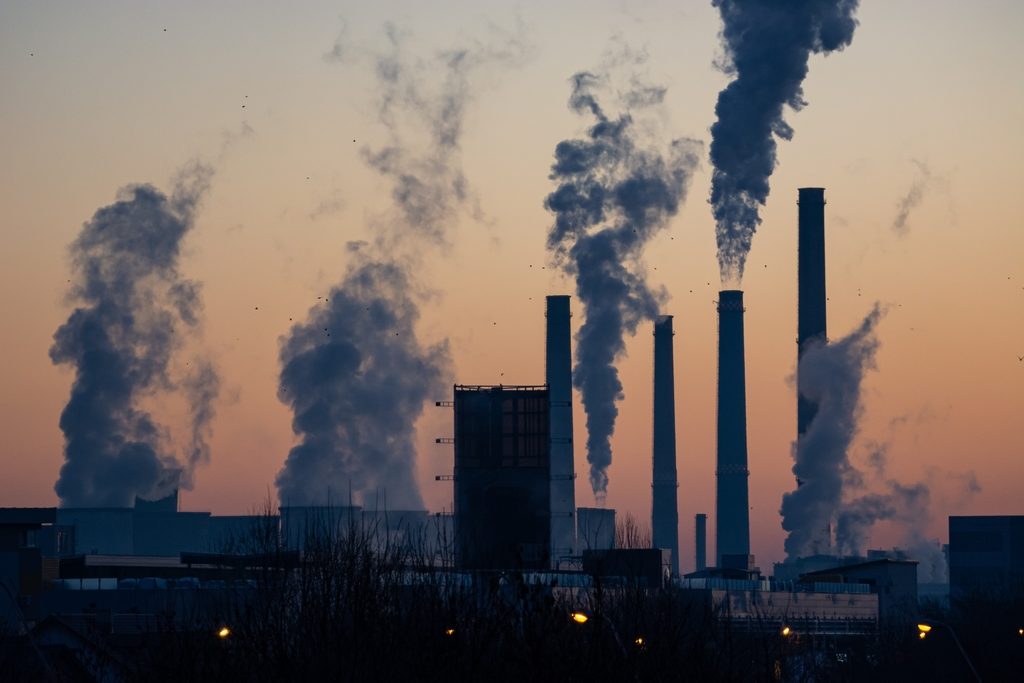
- Combustion of fossil fuels for electricity, heat, and transport (≈73 % of total GHG emissions, IPCC, 2023).
- Agricultural practices that emit methane from livestock and rice paddies, and nitrous oxide from fertilizer use.
- Industrial processes such as cement production and hydrofluorocarbon releases.
Underlying Drivers
- Economic growth models reliant on energy‑intensive production.
- Urbanization patterns that increase demand for transport and construction.
- Policy environments that subsidize fossil‑fuel extraction.
- Consumer preferences for high‑meat diets and single‑use products.
Environmental and Human Impacts
Environmental Impacts
Elevated greenhouse gases intensify heatwaves, shift precipitation patterns, and accelerate ocean acidification. Coral bleaching events have increased threefold since the 1980s (UNEP, 2022). Arctic sea‑ice extent declined by 13 % per decade since 1979, threatening polar ecosystems.
Human Health and Social Impacts
Air‑quality degradation linked to fossil‑fuel combustion contributes to an estimated 4.2 million premature deaths per year (WHO, 2021). Climate‑related extreme events disproportionately affect low‑income communities, exacerbating food and water insecurity.
Economic and Infrastructure Impacts
Storm‑damage costs in the United States averaged US$30 billion annually during the 2010‑2020 decade (NOAA, 2022). Heat stress reduces labor productivity, especially in outdoor occupations, by up to 5 % per 1 °C of warming (International Labour Organization, 2020).
Regional Differences
High‑income nations typically have larger per‑capita emissions (≈15 t CO₂e yr⁻¹ in the European Union, 2022) but also greater capacity to finance clean‑energy transitions. In contrast, many low‑income countries emit less than 2 t CO₂e yr⁻¹ per capita but face higher vulnerability to climate impacts, such as sea‑level rise in small island states. Sub‑Saharan Africa’s agricultural sector is projected to lose up to 30 % of yield potential for staple crops by 2050 under a 2 °C warming scenario (FAO, 2021). These disparities shape both the urgency and the feasible pathways for mitigation.
What Scientists Know With High Confidence
- Human activities have increased atmospheric concentrations of CO₂, CH₄, and N₂O since the mid‑19th century.
- The greenhouse effect of these gases drives global warming, with CO₂ being the dominant long‑lived contributor.
- Renewable electricity generation is now cost‑competitive with new fossil‑fuel plants in many markets.
- Policy instruments such as carbon pricing and strict efficiency standards reliably reduce emissions when implemented at sufficient stringency.
What Remains Uncertain
Key uncertainties include the future rate of deployment for carbon‑capture and storage, the socioeconomic pathways that will determine policy ambition, and the climate feedbacks associated with permafrost thaw, which could release additional methane. These gaps affect the precision of long‑term emission‑scenario projections but do not overturn the core conclusion that rapid mitigation can limit warming.
Common Misconceptions
Misconception: Individual lifestyle changes alone can solve climate change.
Reality: Personal choices, such as diet and travel habits, can reduce an individual’s carbon footprint, but systemic change—through energy infrastructure, regulations, and industrial transformation—is required for the scale of reductions needed.
Misconception: Renewable energy cannot meet global demand because of intermittency.
Reality: Advances in battery storage, grid management, and diversified renewable mixes have demonstrated that high‑penetration renewable systems can maintain reliability, as shown by several European and Asian grids operating with >80 % renewable share.
Misconception: Carbon capture makes continued fossil‑fuel use harmless.
Reality: Current CCS technologies capture only about 20‑30 % of emissions at high cost, and they still require significant energy input; therefore, they are a complement, not a substitute, for decarbonization.
Solutions and Limitations
Effective mitigation combines multiple strategies:
- Renewable Energy Expansion: Scalable but limited by land use, mineral supply for batteries, and intermittency without storage.
- Energy Efficiency: Offers low‑cost savings; however, rebound effects can offset some gains if efficiency leads to increased consumption.
- Carbon Pricing: Creates economic incentives, yet political resistance and uneven global implementation can dilute impact.
- Land‑Use Management: Protects and restores carbon sinks, but may conflict with agricultural land needs and requires secure tenure for indigenous peoples.
- Technology Innovation (e.g., green hydrogen, advanced nuclear): Holds promise for hard‑to‑decarbonize sectors, but commercial viability and safety concerns remain.
What Individuals, Communities, and Governments Can Do
What Individuals Can Do
- Choose renewable electricity tariffs where available.
- Adopt a diet richer in plant‑based foods and reduce food waste.
- Use public transport, cycling, or electric vehicles powered by clean electricity.
- Support climate‑positive policies through voting and civic engagement.
What Communities and Organizations Can Do
- Implement local renewable projects such as community solar or wind cooperatives.
- Develop district‑heating networks using low‑carbon heat sources.
- Launch educational campaigns that explain the co‑benefits of energy efficiency.
- Set net‑zero targets aligned with science‑based pathways and report progress publicly.
What Governments Can Do
- Enact and enforce carbon pricing at levels that reflect the social cost of carbon.
- Phase out fossil‑fuel subsidies and redirect funds to clean‑energy research.
- Mandate building codes that require high‑efficiency envelopes and heat‑pump heating.
- Invest in resilient infrastructure that reduces climate‑related damages.
- Facilitate international technology transfer and finance for developing‑country mitigation.
Closing Synthesis
Reducing greenhouse gas emissions remains realistic, but only through a coordinated mix of rapid renewable‑energy deployment, robust policy frameworks, and widespread behavioral change. High‑confidence science confirms the physical necessity of emissions cuts and the feasibility of many low‑carbon technologies. Uncertainties about future technology costs and policy ambition do not negate the overall pathway; they highlight where research and political effort must focus. By aligning individual actions with systemic reforms, societies can steer toward the emission reductions needed to keep global warming well below 2 °C.
Frequently Asked Questions
What does it mean to reduce greenhouse gas emissions?
Reducing greenhouse gas emissions means lowering the net release of carbon dioxide, methane, nitrous oxide, and other heat‑trapping gases into the atmosphere, typically through cleaner energy, improved efficiency, and changes in land use.
Why is renewable energy important for emission cuts?
Renewable energy replaces fossil‑fuel combustion, which accounts for about 73 % of global emissions. Solar and wind now generate over 30 % of electricity worldwide and have become cost‑competitive, making them a cornerstone of emission reductions.
Can carbon pricing actually lower emissions?
Yes. Studies of carbon‑pricing schemes in more than 30 jurisdictions show emissions reductions of 5‑15 % when the price exceeds US$50 per tonne of CO₂e, because it creates a financial incentive to cut fossil‑fuel use.
What are the biggest uncertainties in future mitigation?
Key uncertainties include how quickly carbon‑capture and storage can be scaled, the future stringency of climate policies, and the magnitude of feedbacks from permafrost thaw that could release additional methane.
What actions can individuals take that have the biggest impact?
Individuals can choose renewable electricity tariffs, adopt plant‑based diets, use low‑carbon transport options, and actively support climate‑positive policies through voting and community engagement.








Leave a Comment