

Global warming research compiles key review papers and scientific studies that explain how human‑driven greenhouse‑gas emissions warm the planet, the evidence supporting this, and what actions are supported by science.
\n\n
Quick Answer
\n
Global warming research is the systematic collection, synthesis, and critical evaluation of peer‑reviewed studies that document the rise in Earth’s average temperature due to increased atmospheric greenhouse gases, primarily carbon dioxide from fossil‑fuel combustion. The core mechanism is the enhanced greenhouse effect, where heat‑trapping gases reduce the outgoing infrared radiation, leading to a net warming of the climate system. The Intergovernmental Panel on Climate Change (IPCC) reports and major systematic reviews conclude with high confidence that warming is largely anthropogenic and already affecting weather extremes, sea level, and ecosystems. Uncertainty remains about the exact timing of regional climate thresholds and the magnitude of some feedbacks.
\n
\n\n
Key Takeaways
\n
- \n
- Multiple independent lines of evidence – instrumental records, satellite data, and paleoclimate reconstructions – confirm a global temperature increase of about 1.1 °C since the pre‑industrial era.
- IPCC assessment reports and systematic reviews identify human greenhouse‑gas emissions as the dominant driver of observed warming.
- Feedbacks such as ice‑albedo loss and permafrost carbon release can amplify warming, but their precise strength is still quantified.
- Observed impacts include more intense heatwaves, rising sea level, and shifting species distributions.
- Mitigation (emission reductions) and adaptation (resilience building) are both required; no single technology solves the problem.
\n
\n
\n
\n
\n
\n
\n\n
What Is Global Warming Research: Key Reviews and Scientific Literature?
\n
Global warming research refers to the body of peer‑reviewed literature that investigates the physical, chemical, and ecological consequences of a warming climate and the human activities that drive it. It includes assessment reports (e.g., IPCC Assessment Reports), systematic reviews that synthesize many studies, and original research articles that provide new observations or model results. The scope spans atmospheric physics, oceanography, cryosphere dynamics, ecosystem responses, and socio‑economic implications. Unlike isolated news stories, this literature is curated, critically evaluated, and periodically updated to reflect the most reliable knowledge.
\n\n
How Does It Work?
\n
1. Greenhouse‑Gas Emissions
\n
Burning coal, oil, and natural gas releases carbon dioxide (CO₂) and other gases such as methane (CH₄) and nitrous oxide (N₂O). These gases have molecular structures that absorb infrared radiation, trapping heat that would otherwise escape to space.
\n
2. Radiative Forcing
\n
The net increase in energy retained by the Earth system is called radiative forcing. IPCC estimates a forcing of +2.1 W m⁻² from anthropogenic gases for the period 2011‑2020, relative to pre‑industrial levels.
\n
3. Climate Feedbacks
\n
Warming initiates feedbacks: melting ice reduces surface albedo, releasing darker water that absorbs more sunlight; warmer oceans hold less CO₂, weakening a natural sink; thawing permafrost releases additional CH₄. These processes can amplify the initial forcing.
\n
4. System Response
\n
The climate system redistributes excess heat through atmospheric circulation, ocean currents, and changes in water vapor. This leads to altered precipitation patterns, more frequent extreme events, and sea‑level rise from thermal expansion and ice loss.
\n\n
What Does the Evidence Show?
\n
Long‑term instrumental records from the Global Historical Climatology Network show a global mean surface temperature increase of ~0.18 °C per decade since 1981. Satellite microwave sounding units corroborate tropospheric warming. Sea level, measured by tide‑gauges and satellite altimetry, has risen about 20 cm since 1900, with an accelerated rate of 3.3 mm yr⁻¹ since 1993. Attribution studies using detection‑and‑attribution models consistently link >95 % of the observed warming since the mid‑20th century to anthropogenic greenhouse gases. Systematic reviews of extreme‑weather literature report statistically significant upward trends in heat‑wave duration, heavy‑precipitation events, and Category 4‑5 hurricane intensity.
\n\n
Main Causes or Drivers
\n
Direct Human Causes
\n
- \n
- Fossil‑fuel combustion for energy and transport (≈ 75 % of CO₂ emissions).
- Deforestation and land‑use change, which reduce carbon uptake.
- Agricultural practices that emit methane and nitrous oxide.
\n
\n
\n
\n
Underlying Drivers
\n
- \n
- Economic growth patterns that prioritize carbon‑intensive energy.
- Population increase and urbanization expanding energy demand.
- Policy frameworks that have historically subsidized fossil fuels.
\n
\n
\n
\n\n
Environmental and Human Impacts
\n
Environmental Impacts
\n
Warming drives glacier retreat, Arctic sea‑ice loss, and coral‑bleaching events. Shifts in phenology alter plant‑pollinator interactions, while ocean acidification, a by‑product of CO₂ uptake, reduces calcifying organism survival.
\n
Human Health and Social Impacts
\n
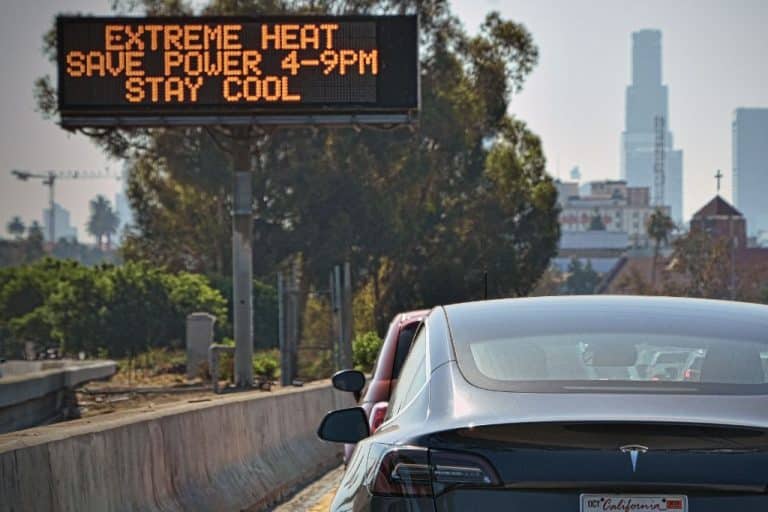
Higher temperatures increase heat‑related mortality, especially among the elderly and outdoor workers. Expanded ranges of disease‑carrying vectors (e.g., mosquitoes) raise the risk of malaria and dengue. Food security is threatened by reduced yields for staple crops in tropical regions.
\n
Economic and Infrastructure Impacts
\n
Rising sea level endangers coastal infrastructure, requiring costly adaptation such as seawalls. Increased frequency of extreme storms raises insurance losses and disrupts supply chains.
\n\n
Regional Differences
\n
High‑latitude regions experience warming twice the global average, accelerating permafrost thaw and ice‑sheet melt. Tropical monsoon areas see intensified rainfall variability, heightening flood and drought risk. Small island developing states face disproportionate sea‑level threats despite contributing minimally to emissions. These patterns reflect differences in baseline climate, geography, and adaptive capacity.
\n\n
What Scientists Know With High Confidence
\n
- \n
- The Earth’s surface temperature has risen markedly since the mid‑19th century.
- Human activities, especially fossil‑fuel combustion, are the primary cause of recent warming.
- Warming is linked to observable increases in heat‑wave frequency, sea‑level rise, and Arctic sea‑ice decline.
- Mitigation that limits CO₂ concentrations can substantially reduce future warming.
\n
\n
\n
\n
\n
\n\n
What Remains Uncertain
\n
Key uncertainties involve the magnitude of climate feedbacks, such as carbon release from thawing permafrost and cloud‑cover responses. Regional precipitation projections vary among models, making it harder to predict drought versus flood outcomes for specific basins. Socio‑economic pathways, which determine future emissions, also introduce scenario‑dependent uncertainty.
\n
\n\n
Common Misconceptions
\n
Misconception: “Global warming is just a short‑term weather fluctuation.”
\n
Reality: Climate refers to long‑term averages over decades; the sustained upward trend in global mean temperature is distinct from day‑to‑day weather variations.
\n
Misconception: “Only the CO₂ emitted today matters.”
\n
Reality: The climate system has inertia; CO₂ already released continues to affect temperature for centuries, and past emissions have locked in a portion of future warming.
\n
Misconception: “Technology will automatically solve warming without changing behavior.”
\n
Reality: While low‑carbon technologies are essential, their deployment depends on policy, investment, and societal choices; behavioral and systemic shifts remain critical.
\n
\n\n
Solutions and Limitations
\n
Mitigation strategies include rapid decarbonisation of electricity through renewable energy, energy efficiency, and electrification of transport. Carbon capture and storage (CCS) can remove emissions from point sources but is costly and not yet deployed at scale. Adaptation measures such as flood‑resilient infrastructure, climate‑smart agriculture, and early‑warning systems reduce vulnerability but do not address the root cause of warming. Nature‑based solutions (e.g., reforestation) provide co‑benefits for biodiversity but require careful land‑use planning to avoid trade‑offs with food production.
\n\n
What Individuals, Communities, and Governments Can Do
\n
What Individuals Can Do
\n
- \n
- Reduce household energy use by improving insulation and switching to renewable electricity where available.
- Choose low‑carbon transport options: public transit, cycling, or electric vehicles.
- Support policies that price carbon emissions or fund renewable‑energy projects.
\n
\n
\n
\n
What Communities and Organizations Can Do
\n
- \n
- Develop local climate action plans that prioritize energy efficiency retrofits for public buildings.
- Invest in community solar or wind projects to increase renewable access.
- Implement climate‑resilient land‑use practices, such as green infrastructure for stormwater management.
\n
\n
\n
\n
What Governments Can Do
\n
- \n
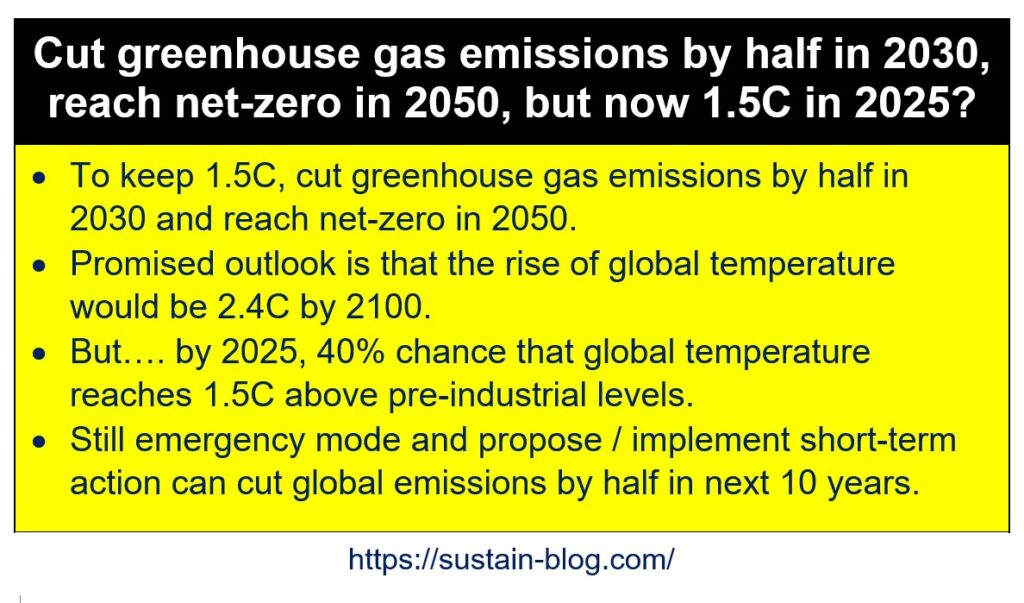
- Set ambitious, legally binding emissions‑reduction targets aligned with the Paris Agreement’s 1.5 °C pathway.
- Phase out fossil‑fuel subsidies and incentivize clean‑energy deployment through tax credits and feed‑in tariffs.
- Fund long‑term monitoring networks (e.g., satellite climate observations) and support open‑access scientific data.
\n
\n
\n
\n\n
Synthesis
\n
Global warming research, distilled through rigorous reviews and peer‑reviewed studies, demonstrates that human‑driven greenhouse‑gas emissions are warming the planet with high confidence. The evidence spans temperature records, sea‑level measurements, and attribution modelling. While feedbacks and regional projections retain uncertainty, the core message is clear: immediate mitigation combined with strategic adaptation is essential. By aligning scientific insight with policy and community action, societies can limit the most severe impacts while building resilience for a changing climate.
\n
Frequently Asked Questions
What is meant by global warming research and why is it important?
Global warming research is the systematic study of peer‑reviewed literature that examines how greenhouse‑gas emissions raise Earth’s temperature, the physical processes involved, and the resulting impacts. It is important because it aggregates reliable evidence, identifies knowledge gaps, and informs policies and actions needed to address climate change.
How do scientists determine that human activities are the main cause of recent warming?
Scientists use detection‑and‑attribution analyses that compare observed temperature trends with model simulations of natural factors (like solar variability) and human factors (such as fossil‑fuel CO₂ emissions). Consistently, these studies find that more than 95 % of the warming since the mid‑20th century is linked to anthropogenic greenhouse gases, providing strong evidence of human causation.
What are the findings that scientists hold with the highest confidence?
High‑confidence findings include: (1) the global average surface temperature has risen markedly since the mid‑1800s; (2) human activities, especially fossil‑fuel combustion, are the primary driver; (3) warming has already increased heat‑wave frequency, sea‑level rise, and Arctic ice loss; and (4) limiting CO₂ concentrations can markedly reduce future warming.
Which regions are most vulnerable to the impacts of global warming?
High‑latitude areas warm about twice as fast as the global average, accelerating permafrost thaw and ice‑sheet melt. Tropical monsoon regions face greater rainfall variability, raising flood and drought risk. Small island developing states are especially vulnerable to sea‑level rise despite contributing minimally to emissions. Vulnerability depends on geography, baseline climate, and adaptive capacity.
What evidence‑based actions can individuals take to help address global warming?
Individuals can reduce household energy use through better insulation and renewable electricity, choose low‑carbon transport such as public transit or electric vehicles, and support policies that price carbon or fund clean‑energy projects. These actions align with scientific evidence that energy efficiency and decarbonisation are key levers for reducing greenhouse‑gas emissions.







Leave a Comment