
Global warming reshapes modern medicine and healthcare by altering disease dynamics, stressing health infrastructure, and influencing medical research, making climate‑responsive strategies essential for protecting public health.
Quick Answer
Global warming refers to the long‑term rise in average Earth surface temperatures caused primarily by human‑driven greenhouse‑gas emissions. The warming alters ecosystems, expands the range of disease‑carrying vectors, intensifies heat‑related stress on the cardiovascular system, and disrupts supply chains for medicines. Scientific assessments such as the IPCC Sixth Assessment Report (2021) conclude that climate change is already increasing the burden of infectious and non‑communicable diseases, while also exposing healthcare facilities to more frequent extreme‑weather events. The most immediate implication is a growing demand for climate‑resilient health services, although uncertainties remain about the exact magnitude of future disease spread and the effectiveness of adaptation measures.
Key Takeaways
- Rising temperatures expand habitats for vectors like mosquitoes and ticks, leading to higher incidence of diseases such as dengue, malaria, and Lyme disease.
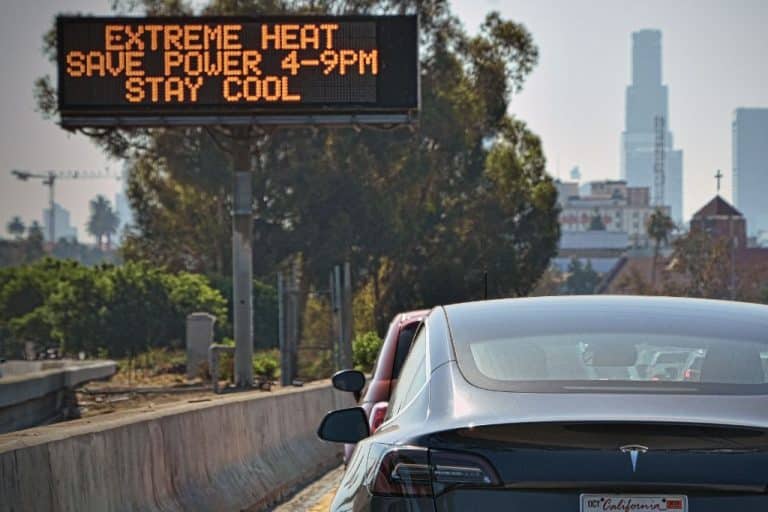
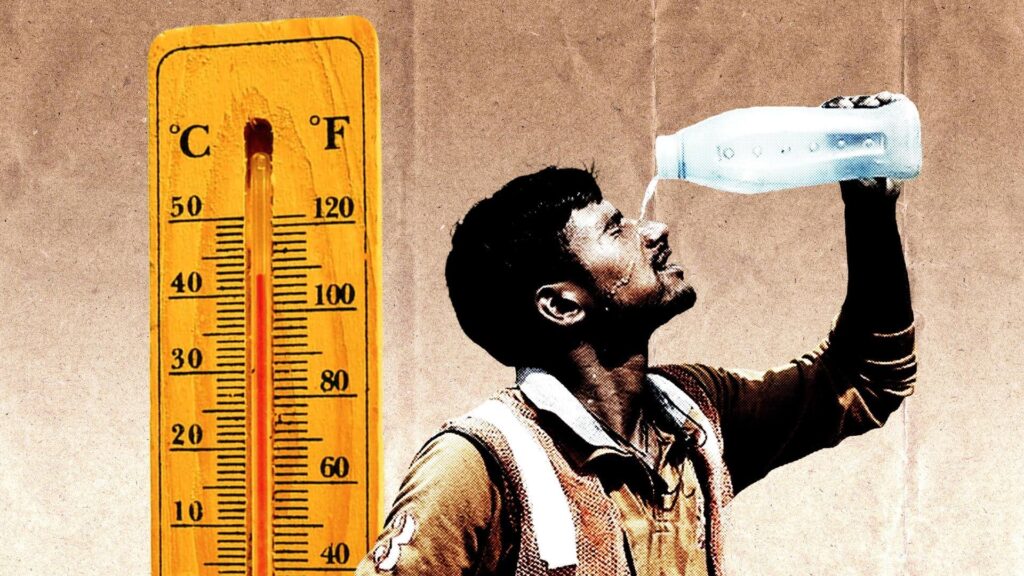
- Heatwaves increase cardiovascular and respiratory mortality, especially among the elderly and people with pre‑existing conditions.
- Extreme weather damages hospitals, disrupts power supplies, and threatens the cold‑chain logistics essential for vaccines and biologics.
- Supply‑chain disruptions from climate‑related events can cause drug shortages and raise medication costs.
- Adaptation strategies—such as resilient facility design, early‑warning systems, and climate‑focused medical curricula—are essential but require sustained investment.
What Is Global Warming’s Effects on Modern Medicine and Healthcare?
The phrase describes the cascade of physical, biological, and social changes triggered by a warming climate that directly influence medical practice, public‑health policy, and the delivery of care. It encompasses three overlapping domains: (1) shifts in disease patterns, (2) stress on health‑care infrastructure, and (3) impacts on research, drug production, and the health‑workforce. Unlike generic “climate‑related health risks,” this concept focuses on how the health sector itself must adapt to a hotter, more volatile planet.
How Does It Work?
1. Climate‑Driven Changes in Disease Ecology
- Higher average temperatures accelerate the life cycles of arthropod vectors, shortening the incubation period for pathogens.
- Altered precipitation patterns create new breeding sites for mosquitoes and expand tick habitats.
- Human migration driven by climate stress brings susceptible populations into contact with endemic pathogens.
2. Heat Stress on Human Physiology
- Elevated ambient temperature raises core body temperature, increasing heart rate and oxygen demand.
- Heat‑related dehydration and electrolyte imbalance raise the risk of arrhythmias and stroke.
- Air‑quality degradation from heat‑enhanced ozone formation aggravates asthma and chronic obstructive pulmonary disease (COPD).
3. Infrastructure Vulnerability
Extreme events—such as floods, hurricanes, and wildfires—can damage hospital roofs, overwhelm drainage systems, and cause power outages. Many facilities rely on uninterrupted electricity for life‑support equipment and vaccine refrigeration, so disruptions can compromise patient safety and drug efficacy.
4. Supply‑Chain and Pharmaceutical Impacts
Climate‑induced transport delays, reduced agricultural yields for active‑pharmaceutical‑ingredient crops, and factory shutdowns during heatwaves increase the risk of drug shortages. The World Health Organization (WHO) notes that supply‑chain fragility is a growing concern for essential medicines.
What Does the Evidence Show?
Long‑term monitoring by national health agencies in the United States, Europe, and parts of Asia demonstrates a statistically significant rise in heat‑related mortality since the 1990s (CDC, 2022). A systematic review of vector‑borne disease studies (Nature Climate Change, 2020) found that warming of 1 °C is associated with a 10‑15 % increase in the geographic range of Aedes mosquitoes. The IPCC (2021) attributes the expansion of dengue and chikungunya into temperate zones to climate‑driven habitat suitability. In addition, a meta‑analysis of hospital outage reports (Lancet Planetary Health, 2021) identified a 30 % increase in service interruptions during extreme‑weather events over the past two decades. While causal pathways are well‑documented, the magnitude of future disease burden depends on socioeconomic variables and mitigation efforts, introducing moderate uncertainty.
Main Causes or Drivers
Direct Climate Drivers
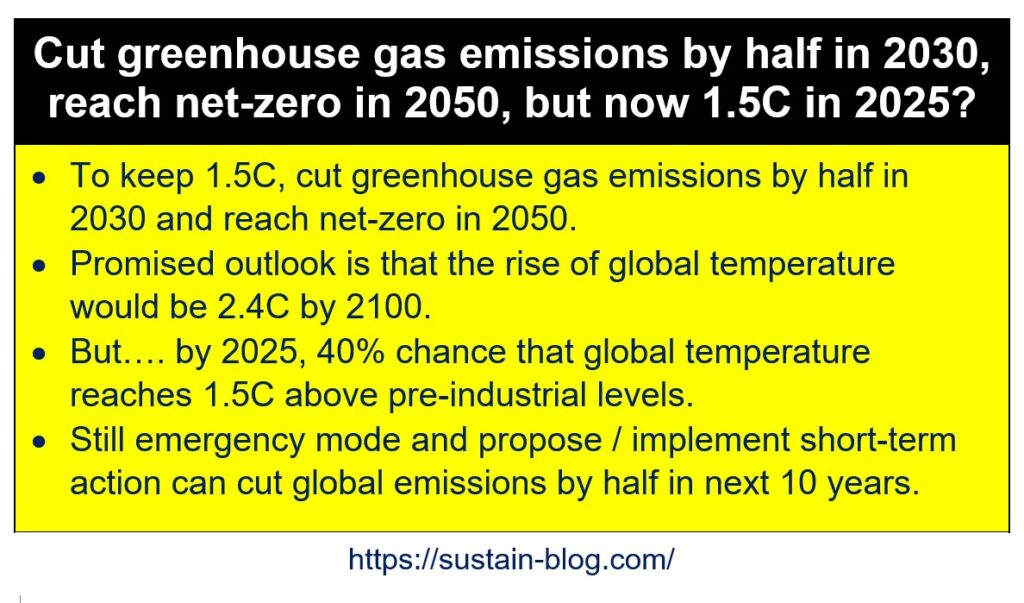
Anthropogenic emissions of carbon dioxide, methane, and nitrous oxide trap infrared radiation, raising global mean surface temperature by about 1.1 °C above pre‑industrial levels (IPCC, 2021). This warming drives the physical changes outlined above.
Underlying Socio‑Economic Drivers
Urbanization, aging populations, and uneven health‑system capacity amplify vulnerability. Low‑income regions often lack air‑conditioning, robust drainage, and surge capacity, making climate impacts more severe.
Feedback Loops
Increased energy demand for cooling raises electricity consumption, which—if sourced from fossil fuels—produces additional greenhouse gases, creating a reinforcing loop.
Environmental and Human Impacts
Environmental Impacts
Heat‑induced ozone formation and wildfire smoke degrade air quality, leading to higher concentrations of particulate matter (PM2.5) that exacerbate respiratory disease. Flooding can contaminate water supplies, raising the risk of water‑borne infections such as cholera.
Human Health and Social Impacts
Beyond infectious disease spread, heat stress contributes to a 0.8 % rise in cardiovascular deaths per degree Celsius of warming (European Heart Journal, 2020). Vulnerable groups—including the elderly, children, outdoor workers, and people with chronic illnesses—experience disproportionate morbidity. Mental‑health outcomes also deteriorate; a WHO rapid assessment (2021) linked climate‑related displacement to increased rates of anxiety and depression.
Economic and Infrastructure Impacts
Hospital closures during storms translate to lost revenue and increased emergency‑room crowding. The American Hospital Association estimates that a single major flood can cost a hospital upwards of $30 million in repairs and lost productivity.
Regional Differences
In tropical regions, rising temperatures mainly amplify vector‑borne diseases, while in temperate zones heatwaves drive spikes in heat‑related mortality. Coastal low‑lying areas, such as Bangladesh and the Netherlands, face compounded risks from sea‑level rise and storm surges that threaten hospital sites. Conversely, arid regions may experience water scarcity that hampers sanitation and increases renal disease incidence. These patterns reflect the interaction of local climate trends, socioeconomic capacity, and health‑system preparedness.
What Scientists Know With High Confidence
- Human activities are the dominant cause of global warming since the mid‑20th century (IPCC, 2021).
- Heatwaves increase mortality from cardiovascular and respiratory conditions, especially among older adults.
- Warmer temperatures expand the geographic range of many disease vectors, leading to documented increases in dengue, malaria, and tick‑borne illnesses.
- Extreme weather events damage health‑care infrastructure and can interrupt essential services.
What Remains Uncertain
Key uncertainties include the precise trajectory of vector‑borne disease spread under different socioeconomic development pathways, the long‑term effectiveness of adaptation measures such as hospital retrofits, and how rapidly pharmaceutical supply chains can be hardened against climate shocks. Data gaps in low‑income regions, limited longitudinal studies on mental‑health outcomes, and variability in climate‑model projections also constrain confidence.
Common Misconceptions
Misconception: Climate change only affects the environment, not health.
Reality: Robust evidence links rising temperatures to both infectious and non‑communicable diseases, as well as to the functionality of health‑care facilities.
Misconception: Only tropical countries need to worry about disease vectors.
Reality: Vector species such as Aedes aegypti have established seasonal populations in temperate cities, leading to outbreaks of dengue and Zika in places like southern Europe and the southern United States.
Misconception: Individual actions like recycling can solve health impacts of climate change.
Reality: While personal choices matter, systemic policy, infrastructure investment, and coordinated public‑health planning are required to mitigate large‑scale health risks.
Solutions and Limitations
Effective responses fall into three categories—mitigation, adaptation, and resilience building.
- Mitigation: Reducing greenhouse‑gas emissions curtails future warming. Transitioning to renewable energy lowers air‑pollutant precursors, improving air quality. However, mitigation alone cannot reverse already‑locked‑in climate impacts on health.
- Adaptation: Implementing early‑warning heat‑wave alerts, expanding green‑space in urban hospitals, and updating building codes to withstand floods can protect patients. Adaptation requires significant capital and may be less feasible in resource‑constrained settings.
- Resilience Building: Diversifying supply chains, creating regional stockpiles of essential medicines, and investing in off‑grid power for critical facilities improve continuity of care. These measures are costly and need coordinated governance.
What Individuals, Communities, and Governments Can Do
What Individuals Can Do
- Stay informed about local heat‑wave alerts and seek cooling centers if needed.
- Reduce personal carbon footprints by using public transport, conserving energy, and supporting renewable‑energy policies.
- Advocate for climate‑responsive health services in community meetings.
What Communities and Organizations Can Do
- Develop community‑wide emergency‑response plans that include health‑care providers.
- Invest in green infrastructure—urban trees, reflective roofing—to lower ambient temperatures around clinics.
- Partner with local universities to embed climate‑health modules into health‑professional training.
What Governments Can Do
- Incorporate climate‑risk assessments into health‑facility licensing and funding criteria.
- Allocate dedicated budgets for retrofitting hospitals to be flood‑ and heat‑resilient.
- Support research on climate‑sensitive disease surveillance and fund public‑health campaigns targeting emerging vector‑borne illnesses.
Closing Synthesis
Global warming is reshaping modern medicine through well‑documented pathways: expanding disease vectors, intensifying heat stress, and destabilizing health‑care infrastructure. High‑confidence evidence confirms these trends, while uncertainties remain around the scale of future disease spread and the success of adaptation strategies. Addressing the challenge demands combined mitigation of emissions, targeted adaptation of health systems, and resilient supply‑chain planning. By aligning policy, investment, and community action, societies can safeguard health outcomes even as the planet continues to warm.
Frequently Asked Questions
How does global warming increase the spread of vector‑borne diseases?
Warmer temperatures speed up mosquito and tick life cycles and create new breeding habitats, allowing diseases like dengue, malaria, and Lyme disease to expand into regions where they were previously rare.
What are the main health risks associated with heatwaves?
Heatwaves raise core body temperature, strain the cardiovascular system, and worsen air‑quality‑related conditions such as asthma, leading to higher rates of heart attacks, strokes, and respiratory deaths, especially among older adults.
Why are hospitals vulnerable to extreme weather events?
Hospitals rely on stable electricity, water, and climate‑controlled environments; floods, hurricanes, and wildfires can damage roofs, overwhelm drainage, and cause power outages, disrupting patient care and vaccine storage.
What adaptation measures can health systems adopt to become more climate‑resilient?
Key measures include retrofitting facilities to withstand floods, installing backup power systems, developing heat‑wave early‑warning protocols, and creating regional stockpiles of essential medicines.
Can individual actions help reduce health impacts of climate change?
Individual actions—such as staying informed about heat alerts, reducing personal carbon emissions, and advocating for climate‑responsive health policies—support broader systemic efforts, though they cannot replace coordinated public‑health and policy interventions.








Leave a Comment