
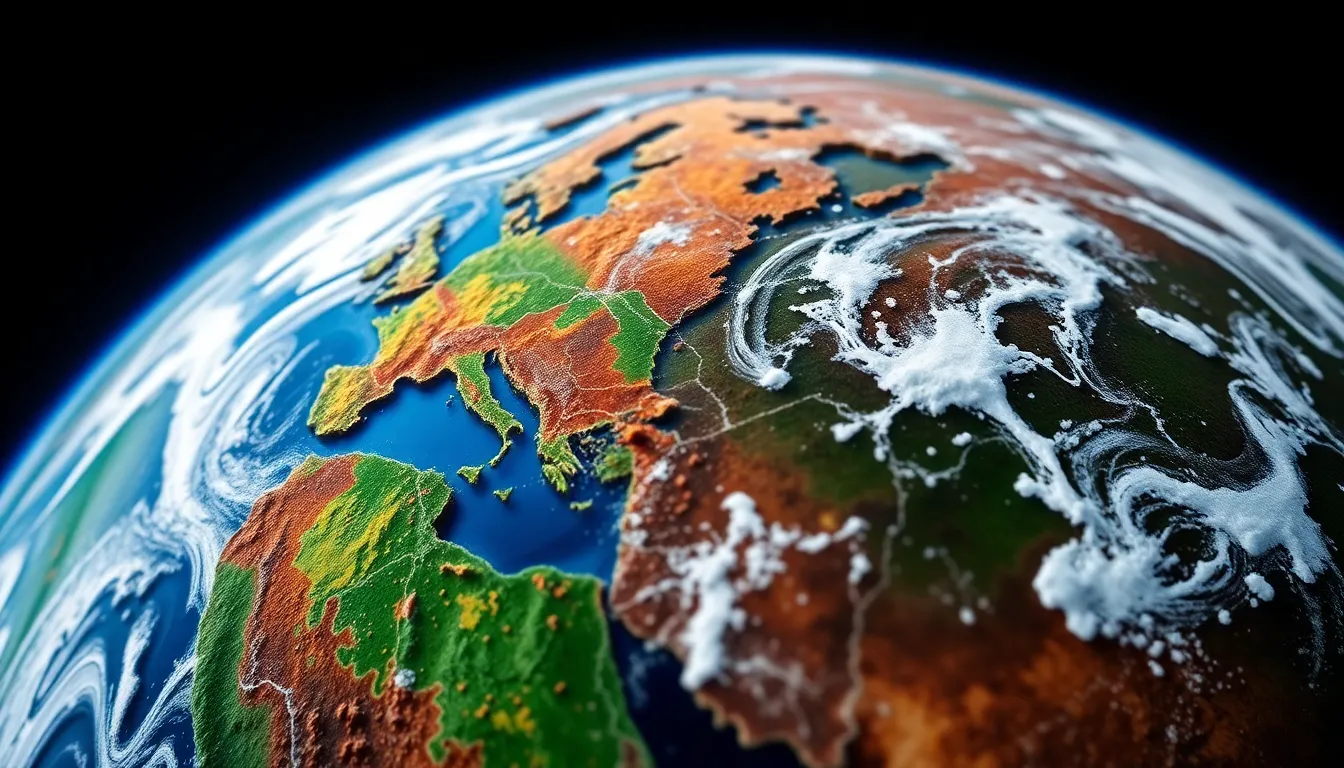
Climate Change Basics
Climate change refers to long‑term shifts in temperature, precipitation, wind patterns, and other aspects of the Earth’s climate system. While natural forces such as volcanic eruptions and solar variations have driven climate fluctuations for millions of years, the rapid changes observed since the industrial era are largely driven by human activities.
Key Drivers of Modern Climate Change
- Burning of fossil fuels releases carbon dioxide (CO₂) and other greenhouse gases.
- Deforestation reduces the planet’s capacity to absorb CO₂.
- Agricultural practices emit methane (CH₄) and nitrous oxide (N₂O).
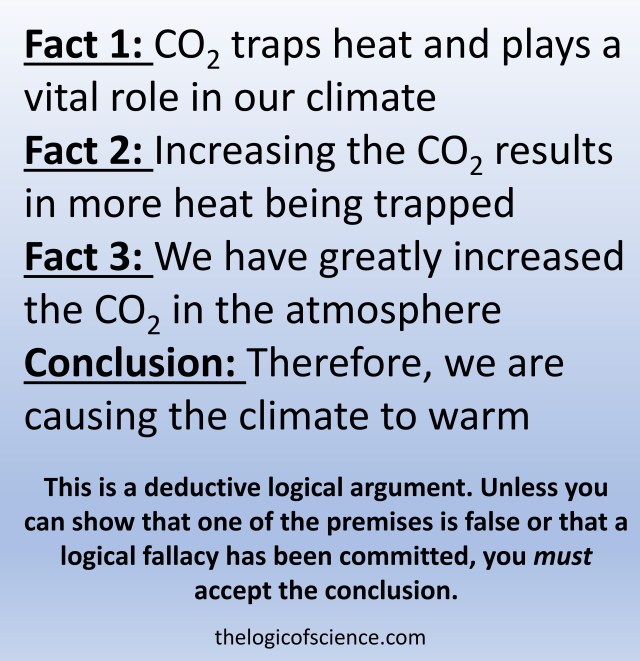
These drivers increase the concentration of heat‑trapping gases in the atmosphere, amplifying the natural greenhouse effect and leading to global warming.
Global Warming and the Greenhouse Effect
Global warming describes the observed rise in Earth’s average surface temperature, primarily caused by an enhanced greenhouse effect. To grasp why this matters, we first need a clear definition of the greenhouse effect itself.
What Is the Greenhouse Effect?
The greenhouse effect is a natural atmospheric process where certain gases—known as greenhouse gases—absorb and re‑emit infrared radiation emitted by Earth’s surface. This trapped heat raises the planet’s average temperature by roughly 33°C (59°F) compared to a world without an atmosphere.
Without the greenhouse effect, Earth’s surface would average about –18°C (0°F), making it inhospitable for most current life forms.
How It Works: A Step‑by‑Step Overview
- Solar radiation reaches Earth. About 30% is reflected back to space by clouds, ice, and bright surfaces.
- Approximately 70% is absorbed by land, oceans, and the atmosphere. This energy warms the surface.
- Warm surfaces emit infrared (IR) radiation. Greenhouse gases absorb a portion of this IR radiation.
- Absorbed energy is re‑emitted in all directions. Some of it returns to the surface, adding extra heat.
- The cycle repeats, creating a stable temperature balance.
This balance is delicate; adding more greenhouse gases tips the scale, causing more heat to be retained and raising global temperatures.
Greenhouse Gases
Not all gases trap heat equally. The most important greenhouse gases for climate change are:
- Carbon dioxide (CO₂) – Produced by burning coal, oil, and gas, as well as deforestation.
- Methane (CH₄) – Emitted during livestock digestion, rice paddies, and natural gas extraction.
- Nitrous oxide (N₂O) – Released from synthetic fertilizers and industrial processes.
- Water vapor (H₂O) – The most abundant greenhouse gas, its concentration rises with temperature, creating a feedback loop.
While water vapor is a powerful greenhouse gas, its concentration is largely controlled by temperature rather than direct human emissions, making CO₂, CH₄, and N₂O the primary focus of mitigation efforts.
The Carbon Cycle
The carbon cycle describes the continuous movement of carbon among the atmosphere, oceans, soil, and living organisms. It is the planetary mechanism that regulates CO₂ levels and, consequently, the strength of the greenhouse effect.
Natural Carbon Reservoirs
- Atmosphere – Holds about 400 ppm of CO₂ (as of 2023).
- Oceans – Dissolve roughly 30% of anthropogenic CO₂, leading to ocean acidification.
- Terrestrial biosphere – Forests and soils store carbon in plant tissue and organic matter.
Human Disruption of the Carbon Cycle
When we burn fossil fuels, we release carbon that has been stored underground for millions of years, overwhelming the natural sinks that would otherwise absorb it. Deforestation further reduces the land‑based sink, while land‑use changes often release stored soil carbon.
These activities shift the carbon balance, causing atmospheric CO₂ concentrations to rise and intensifying the greenhouse effect.
Climate Indicators
Scientists monitor a suite of climate indicators to track how the greenhouse effect influences Earth’s system.
- Global surface temperature – The most direct indicator of warming.
- Sea‑level rise – Combines thermal expansion of seawater and melting ice.
- Arctic sea‑ice extent – Declines rapidly, reflecting reduced albedo.
- Ocean heat content – Represents the majority of excess heat stored in the climate system.
These indicators are compiled by organizations such as the IPCC and NASA and provide a clear picture of how the enhanced greenhouse effect is altering the planet.
Extreme Weather and the Greenhouse Effect
While weather is short‑term and climate is long‑term, a warmer atmosphere holds more moisture, leading to more intense precipitation events. Conversely, heat waves become longer and more extreme.
Examples of Climate‑Driven Extreme Events
- Heat waves – Record‑breaking temperatures in Europe (2022) and North America (2021) linked to higher baseline temperatures.
- Heavy rainfall and flooding – Increased atmospheric moisture fuels stronger storms, as seen in the 2023 South Asian monsoon floods.
- Droughts – Higher evaporation rates and altered circulation patterns intensify droughts in the western United States and the Sahel.
These events illustrate how the greenhouse effect amplifies natural variability, creating greater risk for societies worldwide.
Climate Attribution
Climate attribution is the scientific practice of determining how much human activities contributed to a specific weather event or trend. By comparing observed data with climate model simulations, researchers can assign a probability that an event was “anthropogenically influenced.”
For example, a 2020 study attributed a 20% increase in the likelihood of the Australian bushfires to human‑caused warming. Attribution studies help policymakers understand the direct link between emissions and impacts.
Climate Impacts
The amplified greenhouse effect produces wide‑ranging impacts on natural systems and human societies.
Ecological Impacts
- Species range shifts – Many organisms move toward the poles or higher elevations seeking suitable climates.
- Coral bleaching – Elevated sea temperatures cause symbiotic algae loss, threatening reef ecosystems.
- Phenology changes – Earlier flowering and migration timing disrupt ecological interactions.
Socio‑Economic Impacts
- Food security – Heat stress reduces crop yields, especially for staples like wheat and maize.
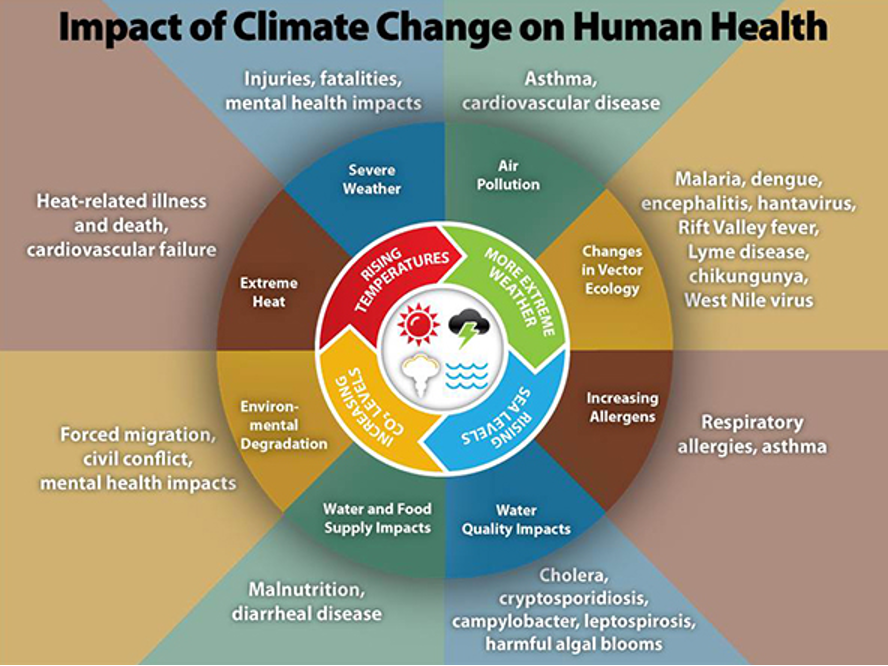
- Health risks – Heat‑related illnesses and vector‑borne diseases expand with warmer temperatures.
- Infrastructure damage – Sea‑level rise threatens coastal cities; extreme storms increase repair costs.
These impacts underscore why understanding the greenhouse effect is not just an academic exercise but a societal imperative.
Adaptation and Resilience
While mitigation aims to reduce greenhouse gas emissions, adaptation focuses on adjusting systems to cope with the changes already set in motion.
Key Adaptation Strategies
- Infrastructure upgrades – Building flood‑resilient roads, storm‑proof housing, and heat‑resistant power grids.
- Ecosystem‑based adaptation – Restoring wetlands to buffer storm surges and protect biodiversity.
- Agricultural innovation – Developing drought‑tolerant crop varieties and improving irrigation efficiency.
Effective adaptation reduces vulnerability and enhances community resilience, buying time for the world to transition to a low‑carbon future.
Future Considerations
The greenhouse effect will continue to shape Earth’s climate for centuries. Even if emissions stopped today, the excess CO₂ already in the atmosphere would keep the planet warmer for many generations because of the gas’s long atmospheric lifetime.
Key questions for the future include:
- How quickly can global emissions be reduced to limit warming to 1.5°C?
- What technologies will enable large‑scale carbon removal?
- How can societies balance mitigation, adaptation, and economic development?
Addressing these challenges requires coordinated international policy, scientific innovation, and public engagement.
Conclusion
The greenhouse effect is Earth’s natural warming system, essential for life yet vulnerable to human‑induced amplification. By understanding the roles of greenhouse gases, the carbon cycle, climate indicators, and extreme weather, we can better grasp the full scope of climate impacts and the urgent need for both mitigation and adaptation. Armed with this knowledge, individuals, communities, and policymakers can make informed decisions that protect the planet for future generations.
Frequently Asked Questions
What is the greenhouse effect and why is it important?
The greenhouse effect is a natural process where greenhouse gases trap infrared radiation, warming Earth about 33°C. It makes the planet habitable, but human‑added gases amplify it, leading to global warming.
Which gases contribute most to the enhanced greenhouse effect?
Carbon dioxide, methane, nitrous oxide, and water vapor are the primary greenhouse gases. CO₂, CH₄, and N₂O are the main focus of mitigation because their concentrations rise due to human activities.
How does the carbon cycle interact with the greenhouse effect?
The carbon cycle moves carbon among the atmosphere, oceans, soil, and living organisms. Human emissions add CO₂ faster than natural sinks can absorb it, increasing atmospheric concentrations and strengthening the greenhouse effect.
What climate indicators show that the greenhouse effect is intensifying?
Key indicators include rising global surface temperatures, sea‑level rise, decreasing Arctic sea‑ice extent, and increasing ocean heat content—all evidence of an enhanced greenhouse effect.
What are the main adaptation strategies to cope with greenhouse‑effect‑driven climate change?
Adaptation strategies focus on resilient infrastructure, ecosystem‑based solutions like wetland restoration, and agricultural innovations such as drought‑tolerant crops, helping societies adjust to the changing climate.





Leave a Comment