
Climate sensitivity is a cornerstone concept in climate science, describing how the Earth’s average temperature responds to changes in atmospheric greenhouse gases. People search for this term to grasp why emissions matter, to interpret climate projections, and to evaluate policy goals. This article defines climate sensitivity, explains its significance, outlines the mechanisms behind it, and offers practical steps for individuals, communities, and policymakers.
Quick Answer
Climate sensitivity measures the long‑term change in global average temperature resulting from a doubling of carbon dioxide (CO₂) concentrations in the atmosphere. It quantifies how strongly the Earth’s climate system reacts to greenhouse‑gas forcing, providing a basis for climate‑policy targets.
What Is Climate Sensitivity?
In scientific terms, climate sensitivity is the equilibrium temperature increase (usually expressed in degrees Celsius) that would occur if atmospheric CO₂ were permanently increased to twice its pre‑industrial level (approximately 280 ppm). The most common metric is Equilibrium Climate Sensitivity (ECS), which assumes the climate system has fully adjusted, including slow feedbacks such as ice‑sheet changes. A related, shorter‑term metric is Transient Climate Response (TCR), which measures warming at the point when CO₂ has doubled under a realistic emission pathway.
Key sub‑categories include:
- ECS: Long‑term equilibrium response, incorporating all feedbacks.
- TCR: Immediate response over a 70‑year period of CO₂ increase.
- Effective Climate Sensitivity: An observationally constrained estimate that may differ from model‑based ECS.
Climate sensitivity differs from “climate forcing,” which quantifies the initial energy imbalance (measured in watts per square meter) caused by a change such as increased CO₂. Sensitivity translates that forcing into temperature change, while forcing itself does not indicate temperature outcomes.
Why It Matters
Understanding climate sensitivity is essential for:
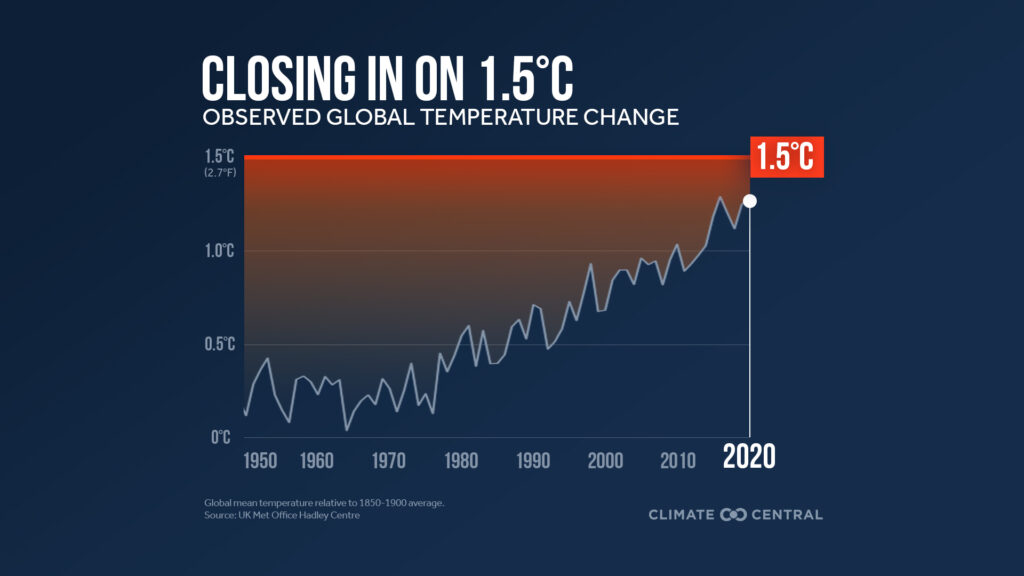
- Policy design: It informs the carbon budget needed to stay below temperature thresholds like the 1.5 °C limit set by the Paris Agreement.
- Risk assessment: Higher sensitivity implies greater risk of extreme heat, sea‑level rise, and ecosystem disruption.
- Economic planning: Energy, agriculture, and insurance sectors rely on temperature projections derived from sensitivity estimates.
- Public communication: Clear explanations help citizens grasp why emission reductions matter.
How It Works
1. Greenhouse‑Gas Forcing
When CO₂ concentrations rise, they trap more infrared radiation, creating a radiative forcing measured in watts per square meter. This forcing initiates an energy imbalance at the top of the atmosphere.
2. Immediate Temperature Response
The atmosphere and upper ocean warm quickly, producing an initial temperature rise. This short‑term response is captured by TCR.
3. Feedback Processes
Several feedbacks amplify or dampen the initial warming:
- Water‑vapor feedback: Warmer air holds more moisture, which itself is a potent greenhouse gas.
- Ice‑albedo feedback: Melting ice reduces surface reflectivity, causing more solar absorption.
- Cloud feedback: Changes in cloud cover can either enhance or offset warming, and remains a major source of uncertainty.
4. Slow Adjustments
Over centuries to millennia, deep‑ocean heat uptake, ice‑sheet dynamics, and carbon‑cycle responses further adjust the climate, leading to the equilibrium state described by ECS.
Causes or Contributing Factors
Climate sensitivity is not caused by a single factor; rather, it emerges from the interaction of:
- Radiative forcing from increased greenhouse gases.
- Physical feedbacks such as water vapor, clouds, and surface albedo.
- Chemical feedbacks involving the carbon cycle, where warming can release additional CO₂ or methane.
- Geophysical processes like volcanic activity, which can temporarily offset warming but do not alter the fundamental sensitivity.
Human activities—primarily fossil‑fuel combustion and land‑use change—drive the primary increase in CO₂, while natural processes modulate the overall response.
Effects or Impacts
Short‑Term Effects
Within a few decades, higher climate sensitivity translates into faster surface warming, more frequent heatwaves, and intensified precipitation extremes. These changes affect agriculture, water resources, and public health.
Long‑Term Effects
Over centuries, amplified warming can trigger substantial sea‑level rise from ice‑sheet melt, shifts in biome distribution, and increased ocean acidification. The magnitude of these impacts depends directly on the ECS value.
Effects on Different Groups or Regions
Regions near the equator often experience heightened heat stress, while high‑latitude areas may see faster ice loss. Vulnerable populations—especially those in low‑lying coastal zones and with limited adaptive capacity—face disproportionate risks.
Current Data and Trends
Observational studies using satellite temperature records, ocean heat content, and paleoclimate reconstructions consistently place the most likely ECS range between 1.5 °C and 4.5 °C per CO₂ doubling. This interval reflects the consensus of major assessment reports and reflects uncertainty from cloud feedbacks and ocean heat uptake. The Intergovernmental Panel on Climate Change (IPCC) reports that the median best estimate remains around 3 °C, though newer analyses suggest a slight tilt toward the lower end of the range.
What Can Be Done?
What Individuals Can Do
- Reduce personal carbon footprints by using energy‑efficient appliances, minimizing air travel, and supporting renewable electricity.
- Advocate for local climate policies, such as building‑code upgrades and public‑transport investments.
What Organizations or Communities Can Do
- Implement science‑based emissions targets aligned with a low climate‑sensitivity scenario (e.g., limiting warming to 1.5 °C).
- Invest in climate‑resilient infrastructure, such as flood‑defense systems and heat‑adaptation measures.
What Governments or Institutions Can Do
- Set and enforce stringent CO₂ limits, using carbon pricing or regulatory standards.
- Fund research that narrows uncertainty in key feedbacks, especially cloud processes.
- Develop national adaptation plans that consider the range of possible climate‑sensitivity outcomes.
Closing Summary
Climate sensitivity quantifies how much Earth’s temperature will rise if atmospheric CO₂ doubles, linking greenhouse‑gas emissions to future warming. It matters because it underpins climate‑policy targets, risk assessments, and societal planning. The process involves radiative forcing, rapid atmospheric responses, and slower feedbacks that together determine the equilibrium temperature increase. Understanding and reducing uncertainty in climate sensitivity helps guide effective mitigation and adaptation strategies at all levels of society.
Frequently Asked Questions
What does the term "climate sensitivity" refer to?
Climate sensitivity is the estimated increase in global average temperature that would result from a permanent doubling of atmospheric carbon dioxide concentrations, reflecting the climate system’s response to greenhouse‑gas forcing.
How is Equilibrium Climate Sensitivity different from Transient Climate Response?
Equilibrium Climate Sensitivity (ECS) measures the long‑term temperature rise after the climate system fully adjusts to doubled CO₂, while Transient Climate Response (TCR) captures warming at the point when CO₂ has doubled along a realistic 70‑year emission pathway.
Why is climate sensitivity important for climate policy?
Because it determines how much warming will occur for a given amount of emissions, climate sensitivity helps set carbon budgets, informs the feasibility of temperature targets like 1.5 °C, and guides mitigation and adaptation planning.
What are the main feedbacks that influence climate sensitivity?
Key feedbacks include water‑vapor amplification, ice‑albedo changes, and cloud adjustments; these processes can either enhance or dampen the initial warming caused by increased greenhouse gases.
Can individuals help address the uncertainties in climate sensitivity?
While individuals cannot directly change climate‑sensitivity values, they can reduce emissions, support climate‑science funding, and advocate for policies that limit warming, thereby mitigating the impacts that depend on those uncertainties.






Leave a Comment