
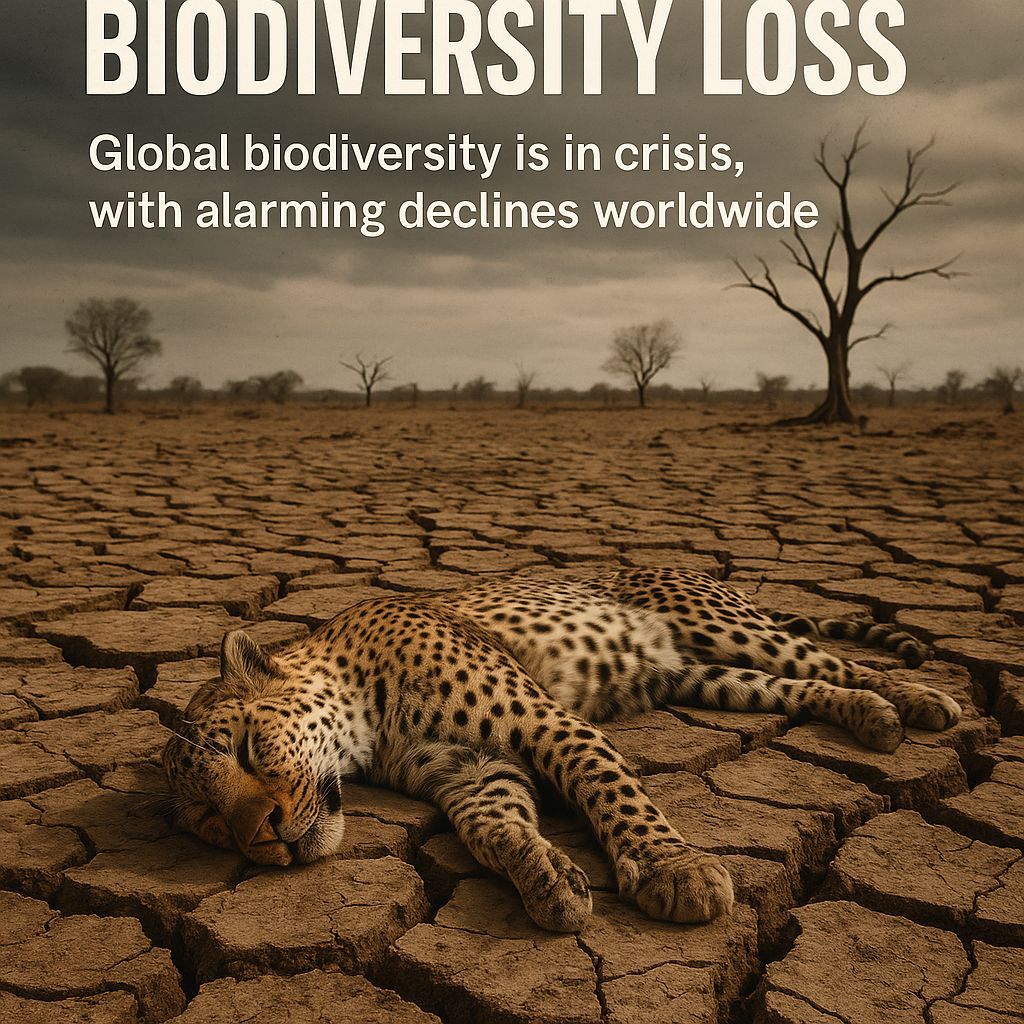
Biodiversity loss is driven by a suite of human activities—including habitat destruction, invasive species, pollution, climate change, overexploitation and unsustainable consumption—that together erode ecosystem resilience and threaten human well‑being.
Quick Answer
Biodiversity loss occurs when species, genetic variation, and ecosystem functions decline faster than they can recover, primarily because humans convert natural habitats, introduce invasive organisms, pollute air, water and soil, alter climate, and harvest resources beyond sustainable limits. The most critical impact is the weakening of ecosystem services that support food, clean water, and disease regulation. While the direction of change is clear, uncertainties remain around the exact timing of thresholds for many ecosystems.
Key Takeaways
- Habitat destruction accounts for roughly 85% of observed species declines (IPBES, 2019).
- Invasive species, pollution and climate change interact, amplifying overall risk.
- Overexploitation reduces population sizes and genetic diversity, making species more vulnerable.
- Regional patterns differ: tropical forests face the steepest habitat loss, while temperate oceans are most affected by climate‑driven acidification.
- High‑confidence actions include protected‑area expansion, sustainable resource management and invasive‑species prevention.
What Is The Main Causes of Biodiversity Loss Explained?
Biodiversity loss refers to the reduction in the variety of life at genetic, species and ecosystem levels. It is measured by declines in species abundance, range contraction, and loss of functional traits. The term differs from natural extinction cycles because the current rate is unprecedentedly rapid and driven largely by anthropogenic pressures. Understanding the main causes is essential for designing policies that preserve the services on which humanity depends.
How Does It Work?
The loss of biodiversity follows several interlinked pathways. Below is a simplified sequence that captures the dominant mechanisms.
- Land‑use change: Forests, wetlands and grasslands are cleared for agriculture, mining or urban expansion. This removes the physical space that species need to survive.
- Habitat fragmentation: Remaining patches become isolated, limiting gene flow and making populations more susceptible to stochastic events.
- Resource overexploitation: Hunting, fishing and logging remove individuals faster than they can reproduce, shrinking population sizes.
- Pollution input: Chemicals, nutrients and plastics accumulate in ecosystems, causing mortality, reproductive failure or sub‑lethal stress.
- Climate alteration: Rising temperatures and shifting precipitation move climatic niches, forcing species to migrate, adapt or face extinction.
- Invasive species introduction: Non‑native organisms outcompete, prey on, or bring diseases to native species, further destabilising communities.
Feedback loops—such as reduced forest cover amplifying climate warming—can accelerate these steps, creating a cascade of loss across trophic levels.
What Does the Evidence Show?
Multiple lines of evidence converge on the same conclusion: human activities are the primary driver of global biodiversity decline.
- Long‑term monitoring by the International Union for Conservation of Nature (IUCN) shows that, as of 2022, over 28,000 species are threatened with extinction, a three‑fold increase since the 1970s.
- The Intergovernmental Science‑Policy Platform on Biodiversity and Ecosystem Services (IPBES) Global Assessment (2019) reports that 75% of the world’s terrestrial and freshwater habitats have been altered, and that 1 million species face a high risk of extinction.
- Meta‑analyses of satellite‑derived forest loss (e.g., Hansen et al., 2020) confirm that annual deforestation rates of ~10 million hectares persist despite international pledges.
- Experimental removal studies in marine ecosystems demonstrate that overfishing reduces fish biomass by an average of 60% in heavily exploited regions (FAO, 2020).
- Climate‑impact models (IPCC, AR6, 2021) consistently project that, without mitigation, 20–30% of species will lose more than half of their suitable climate space by 2100.
Main Causes or Drivers
Direct Causes
- Habitat destruction and fragmentation: conversion of natural land for crops, pasture, infrastructure and mining.
- Overexploitation: unsustainable fishing, logging, hunting and wildlife trade.
- Pollution: nutrient runoff, pesticide use, heavy‑metal contamination, plastic debris.
- Invasive species: intentional introductions (e.g., aquaculture species) and accidental transport (e.g., ballast water).
Underlying Drivers
- Human population growth: drives demand for food, timber and space.
- Economic consumption patterns: high‑income lifestyles increase per‑capita resource footprints.
- Climate change: exacerbates habitat loss, alters phenology and intensifies extreme events.
- Policy and governance gaps: weak enforcement of land‑use planning, wildlife trade regulations and pollution controls.
Environmental and Human Impacts
Environmental Impacts
Loss of species reduces pollination, seed dispersal and pest control, leading to lower agricultural productivity. Coral‑reef bleaching diminishes reef fish diversity, compromising fisheries and coastal protection. Soil degradation from biodiversity loss reduces carbon sequestration, feeding back into climate change.
Human Health and Social Impacts
Reduced ecosystem services increase exposure to water‑borne diseases, as wetlands that filter pathogens disappear. Communities that rely on wild foods experience nutrition insecurity when key species vanish. Cultural values tied to particular species or landscapes are eroded, affecting indigenous identities.
Economic and Infrastructure Impacts
The World Bank estimates that ecosystem‑service loss linked to biodiversity decline could cost up to US$ 2.5 trillion annually by 2050 if trends continue. Infrastructure such as flood‑defence systems becomes less effective without healthy mangroves or forested watersheds.
Regional Differences
While the drivers are global, their expression varies.
- Amazon Basin (tropical South America): Deforestation for soy and cattle dominates, with an estimated 17% forest loss between 2000‑2020 (PRODES, 2021).
- Southeast Asian rainforests: Palm‑oil expansion and illegal logging cause both habitat loss and high rates of invasive plant introductions.
- Temperate North Atlantic: Overfishing and ocean warming combine to reduce cod stocks by over 80% since the 1990s.
- Arid Australia: Climate‑driven drought intensifies fire regimes, threatening endemic marsupials already constrained by fragmented habitats.
What Scientists Know With High Confidence
What Scientists Know With High Confidence
- Habitat loss is the single largest driver of global species declines.
- Climate change is already shifting species’ geographic ranges and altering phenology.
- Invasive species are a leading cause of extinctions on islands.
- Overexploitation has driven many marine populations below sustainable thresholds.
\n
What Remains Uncertain
What Remains Uncertain
Key knowledge gaps include the exact tipping points at which ecosystem functions collapse, the long‑term synergistic effects of multiple stressors, and the efficacy of large‑scale restoration under future climate scenarios. Improved monitoring, especially in data‑poor tropical regions, would reduce these uncertainties.
Common Misconceptions
Common Misconceptions
Misconception: Biodiversity loss is only a problem for remote wilderness areas.
Reality: Even suburban and agricultural landscapes experience species declines, and the loss of pollinators directly affects food production worldwide.
Misconception: Climate change alone will cause mass extinctions.
Reality: Climate change interacts with habitat loss, pollution and invasive species; the combined pressure is what drives most observed extinctions.
Misconception: Protected areas are sufficient to stop biodiversity loss.
Reality: While essential, protected areas cover only ~15% of terrestrial land and often lack connectivity, leaving many species unprotected.
Solutions and Limitations
Effective responses fall into three broad categories.
- Prevention and mitigation: Sustainable agriculture, reduced pesticide use, and stricter trade regulations can lower habitat conversion and overexploitation. However, implementation costs and market resistance can be substantial.
- Restoration and conservation: Reforestation, wetland rehabilitation and invasive‑species eradication improve habitat quality. Success depends on long‑term funding and local community involvement; restored ecosystems may not fully replicate original biodiversity.
- Climate action: Rapid greenhouse‑gas reductions lessen future habitat stress. The limitation is the global coordination required and the time lag before ecological benefits materialise.
What Individuals, Communities, and Governments Can Do
What Individuals Can Do
Choose certified sustainable products, reduce food waste, support biodiversity‑friendly policies, and participate in local habitat restoration projects. Individual choices alone cannot halt systemic drivers but can shift market demand.
What Communities and Organizations Can Do
Implement land‑use planning that preserves ecological corridors, adopt integrated pest‑management, and develop citizen‑science monitoring programs to track local species trends.
What Governments Can Do
Enforce and expand protected‑area networks, integrate biodiversity considerations into climate‑policy, provide incentives for sustainable farming, and fund invasive‑species rapid‑response teams. Effective governance requires transparent monitoring and equitable resource allocation.
Synthesis of Findings
Biodiversity loss is driven by a suite of interrelated human activities—most notably habitat destruction, invasive species, pollution, climate change and overexploitation. Robust evidence from global assessments, long‑term monitoring and meta‑analyses confirms these drivers and their synergistic effects. While high‑confidence knowledge guides immediate action, uncertainties about thresholds and combined stressor dynamics remain. Solutions that combine prevention, restoration and climate mitigation, supported by strong policy and community engagement, offer the most realistic path to preserving the planet’s biological wealth.
Frequently Asked Questions
What is the primary cause of global biodiversity loss?
Habitat destruction, primarily from land‑use change for agriculture, urban expansion and mining, accounts for the largest share of species declines worldwide, according to the IPBES Global Assessment.
How do invasive species contribute to biodiversity loss?
Invasive species often lack natural predators and can outcompete, prey on, or bring diseases to native organisms, leading to local extinctions especially on islands and in fragmented habitats.
Can climate change alone cause species extinctions?
Climate change interacts with other stressors such as habitat loss and pollution; it accelerates extinctions but rarely acts alone, making the combined impact the main driver of biodiversity decline.
What evidence shows that overexploitation threatens marine life?
Experimental removal studies and FAO reports indicate that heavily fished regions have lost up to 60% of their fish biomass, pushing many populations below sustainable thresholds.
What actions can governments take to reduce biodiversity loss?
Governments can expand protected‑area networks, enforce sustainable resource policies, fund invasive‑species response teams, and integrate biodiversity goals into climate‑change mitigation strategies.





Leave a Comment