
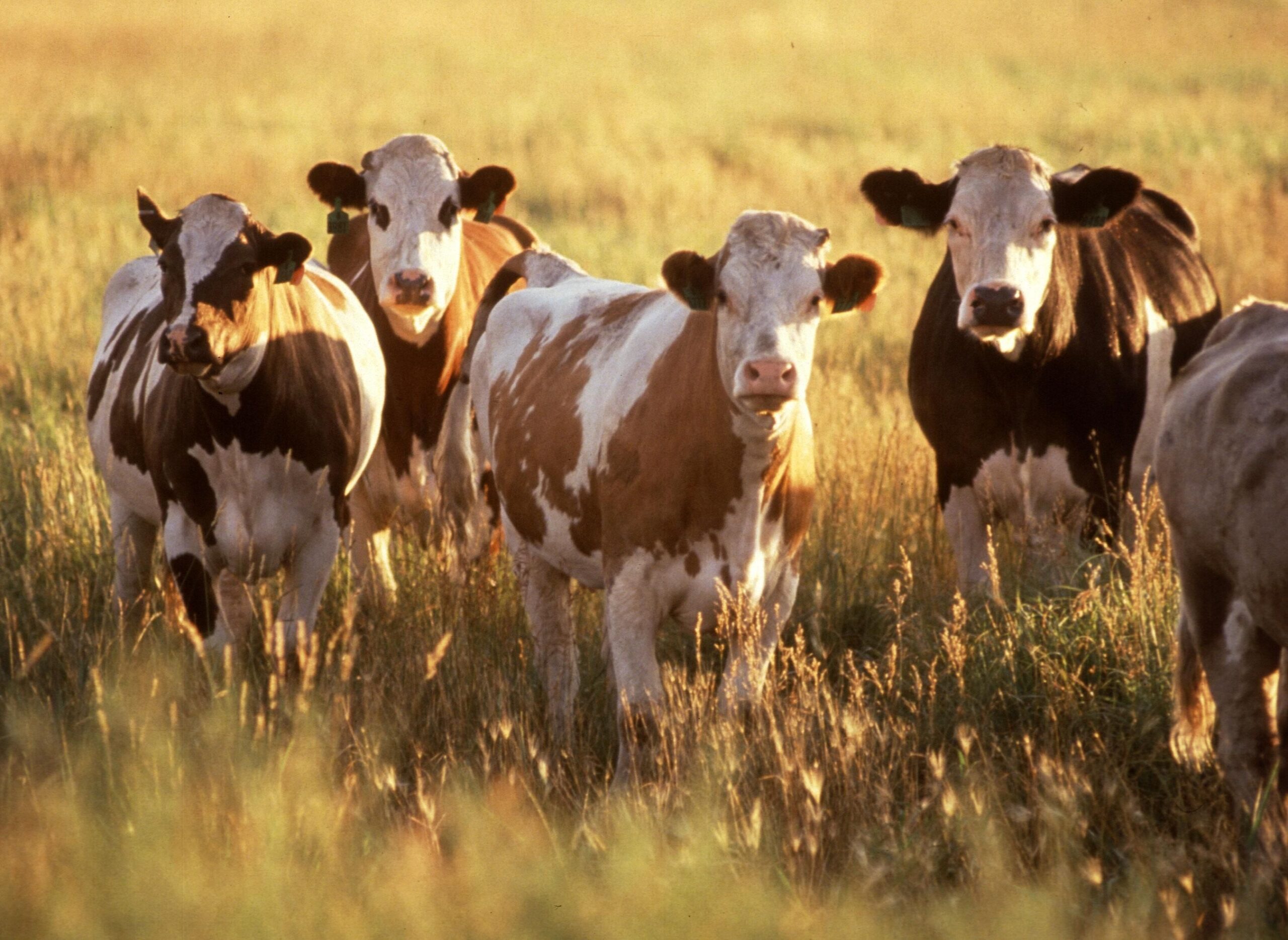
Cattle ranching converts forest to pasture, releases stored carbon, and emits methane, making it a major driver of deforestation and a significant contributor to climate change.
Quick Answer
Cattle ranching contributes to climate change by clearing forests for pasture and by producing methane through ruminant digestion. The loss of forest eliminates a major carbon sink, while methane has a warming potential about 28 times that of carbon dioxide over a 100‑year horizon. Together, these processes account for roughly 14% of anthropogenic greenhouse‑gas emissions, with the greatest impacts in tropical regions such as the Amazon. Scientific assessments indicate that without changes in land‑use policy or dietary demand, deforestation linked to beef will continue to amplify global warming.
Key Takeaways
- About 80% of recent Amazon deforestation is linked to cattle pasture.
- Enteric fermentation from cattle releases methane, a potent greenhouse gas.
- Deforestation and methane create a feedback loop that accelerates climate warming.
- Indigenous peoples and biodiversity suffer disproportionately from ranch‑driven forest loss.
- Sustainable grazing, dietary shifts, and strong policy can reduce the climate impact.
What Is Cattle Ranching and Climate Change: A Major Driver of Deforestation?
Cattle ranching refers to the large‑scale rearing of cattle for meat and dairy on land that is often cleared from natural ecosystems. When forests are converted to pasture, the carbon stored in trees, soil, and understory is released to the atmosphere, and the land’s ability to absorb future carbon is reduced. The term is distinct from small‑holder mixed farming because it typically involves extensive monoculture pastures and commercial supply chains that span national borders.
How Does It Work?
1. Land‑Use Change
Ranchers clear forest using slash‑and‑burn or mechanical removal, then sow grasses that can sustain cattle. The newly created pasture initially absorbs carbon, but the net effect is a release of the carbon stored in the removed vegetation and soil. Over time, degraded soils may lose additional carbon through erosion.
2. Methane Emissions from Enteric Fermentation
Cattle are ruminants; microbes in their stomachs break down cellulose and produce methane (CH₄) as a by‑product. A mature beef cow emits roughly 100–200 L of CH₄ per day, which translates to about 100 kg CH₄ yr⁻¹. Because CH₄ traps heat about 28 times more effectively than CO₂ over a 100‑year period (IPCC AR6, 2021), livestock methane is a key driver of near‑term warming.
3. Feedback Loops
Deforestation alters regional rainfall patterns, often creating drier conditions that increase fire risk. Fires release additional CO₂ and black carbon, further warming the climate and encouraging more forest loss. This loop is evident in parts of the Amazon where satellite data show a shift from net carbon sink to net source (NASA, 2020).
What Does the Evidence Show?
Multiple lines of evidence converge on the role of cattle ranching in deforestation and climate change:
- Remote‑sensing analyses (e.g., Global Forest Watch, 2022) attribute roughly 70–80% of recent Amazon forest loss to pasture expansion.
- FAO statistics (2022) estimate 1.5 billion cattle worldwide, with beef production responsible for 41% of livestock‑related greenhouse‑gas emissions.
- IPCC Assessment Report (AR6, 2021) identifies livestock as the largest single source of non‑CO₂ emissions, highlighting methane from ruminants as a high‑impact sector.
- Long‑term field studies in Brazil show that restored pasture can sequester up to 0.5 t C ha⁻¹ yr⁻¹ when managed with rotational grazing, but only after decades of soil recovery.
Main Causes or Drivers
Direct Causes
Immediate conversion of forest to pasture, driven by market demand for beef and by low‑cost land acquisition.
Underlying Drivers
Economic incentives such as subsidies for cattle, weak enforcement of land‑use laws, and rising middle‑class consumption in emerging economies.
Amplifying Factors
Infrastructure development (roads, processing plants) that opens remote forest areas to ranchers, and climate‑induced droughts that make existing pasture less productive, prompting further expansion.
Environmental and Human Impacts
Environmental Impacts
- Loss of biodiversity: tropical forests host ~80% of terrestrial species; pasture conversion fragments habitats.
- Carbon release: clearing 1 ha of Amazon forest can emit 150–200 t CO₂, outweighing the carbon stored in the cattle raised on that land.
- Water cycle disruption: reduced evapotranspiration leads to lower regional rainfall and increased soil erosion.
Human Health and Social Impacts
- Indigenous communities lose land rights, cultural heritage, and traditional food sources.
- Air quality declines from increased dust and fire smoke, raising respiratory risks for nearby populations.
- Economic inequality: profits concentrate among large agribusinesses, while smallholder farmers face land loss.
Economic and Infrastructure Impacts
- Infrastructure damage from soil degradation can increase maintenance costs for roads and bridges.
- Long‑term productivity may decline as degraded soils require more inputs, raising production costs.
Regional Differences
Deforestation linked to cattle is most pronounced in the Amazon basin, where 80% of pasture expansion occurs (FAO, 2022). In Central America, countries such as Honduras and Nicaragua show a smaller but still significant share of forest loss to cattle (World Bank, 2021). Southeast Asian nations face emerging pressure as beef demand rises, yet the region’s forest loss is currently dominated by oil‑palm expansion; cattle still accounts for an estimated 15% of tropical deforestation there (UNEP, 2020).
What Scientists Know With High Confidence
- Cattle‑driven pasture is the leading cause of recent tropical deforestation, especially in the Amazon.
- Enteric fermentation from cattle contributes ~40% of livestock‑related greenhouse‑gas emissions.
- Deforestation reduces the carbon‑sink capacity of forests, turning them from net absorbers to net emitters.
- Improved grazing practices (rotational, silvopastoral) can increase soil carbon storage and biodiversity when correctly implemented.
What Remains Uncertain
Key uncertainties include the exact magnitude of methane mitigation achievable through feed additives, the long‑term carbon balance of large‑scale silvopastoral systems across different climate zones, and the effectiveness of international trade policies in curbing deforestation‑linked beef imports. Data gaps in real‑time monitoring of illegal pasture expansion also limit rapid response.
Common Misconceptions
Misconception: All cattle are equally harmful.
Reality: Extensive, poorly managed pasture releases far more carbon than well‑managed, intensive systems that keep cattle on smaller, high‑productivity land.
Misconception: Beef consumption only affects the country where it is produced.
Reality: Global supply chains mean that a steak sold in Europe may be sourced from Amazonian pasture, linking distant consumer choices to forest loss.
Misconception: Planting trees can fully offset beef‑related emissions.
Reality: While reforestation sequesters carbon, the timescale (decades) and land‑availability constraints mean tree planting alone cannot counterbalance ongoing deforestation and methane emissions.
Solutions and Limitations
Effective responses combine prevention, mitigation, and restoration:
- Preventive policies such as enforcing zero‑deforestation supply‑chain legislation can halt new pasture creation, but require strong governance and monitoring capacity.
- Mitigation through improved ranching (rotational grazing, silvopasture) can reduce emissions per kilogram of beef, yet adoption is limited by upfront costs and farmer knowledge.
- Restoration of degraded pastures with native trees recovers carbon stocks, but success depends on soil condition and long‑term financial incentives.
- Dietary shifts toward reduced beef consumption lower demand, yet cultural preferences and protein needs in low‑income regions pose challenges.
What Individuals, Communities, and Governments Can Do
What Individuals Can Do
- Choose certified deforestation‑free beef or plant‑based alternatives for some meals.
- Support NGOs that fund pasture‑restoration projects.
- Advocate for transparent labeling of beef origin.
What Communities and Organizations Can Do
- Implement community‑led monitoring using satellite data to detect illegal clearing.
- Promote agroforestry training programs for local ranchers.
- Develop market incentives for sustainably raised cattle.
What Governments Can Do
- Strengthen land‑tenure rights for Indigenous peoples, who statistically reduce deforestation rates.
- Redirect subsidies from extensive cattle production to sustainable grazing and alternative protein research.
- Adopt import regulations that ban beef linked to deforestation, following the EU’s 2024 proposed rule.
Closing Synthesis
Cattle ranching drives deforestation by converting carbon‑rich forests into pasture and by emitting methane, a potent greenhouse gas. Robust evidence from satellite monitoring, FAO statistics, and IPCC assessments confirms its central role in climate change, especially in the Amazon. While uncertainties remain around mitigation potentials of new technologies and policy effectiveness, the high‑confidence findings underscore the need for integrated solutions: better ranching practices, stronger land‑use governance, and consumer‑driven demand shifts. By aligning economic incentives with ecological limits, societies can reduce the climate footprint of beef without compromising food security.
Frequently Asked Questions
How does cattle ranching lead to deforestation?
Cattle ranching clears forest to create pasture, releasing stored carbon and removing the forest’s ability to absorb CO₂. This land‑use change is the primary driver of recent Amazon deforestation.
Why is methane from cattle considered a potent greenhouse gas?
Methane traps heat about 28 times more effectively than CO₂ over a 100‑year period, so emissions from cattle digestion significantly amplify near‑term warming despite its shorter atmospheric lifetime.
What evidence links beef production to climate change?
Satellite analyses attribute 70‑80% of recent Amazon forest loss to pasture, FAO data show beef accounts for 41% of livestock emissions, and the IPCC identifies livestock methane as a major non‑CO₂ source.
Can better grazing practices reduce the climate impact of beef?
Yes, practices such as rotational grazing and silvopastoral systems can improve soil carbon storage and lower emissions per kilogram of beef, though adoption is limited by cost and knowledge gaps.
What actions can governments take to curb deforestation from cattle ranching?
Governments can enforce zero‑deforestation supply‑chain laws, strengthen Indigenous land rights, shift subsidies toward sustainable ranching, and impose import bans on beef linked to forest loss.





Leave a Comment