
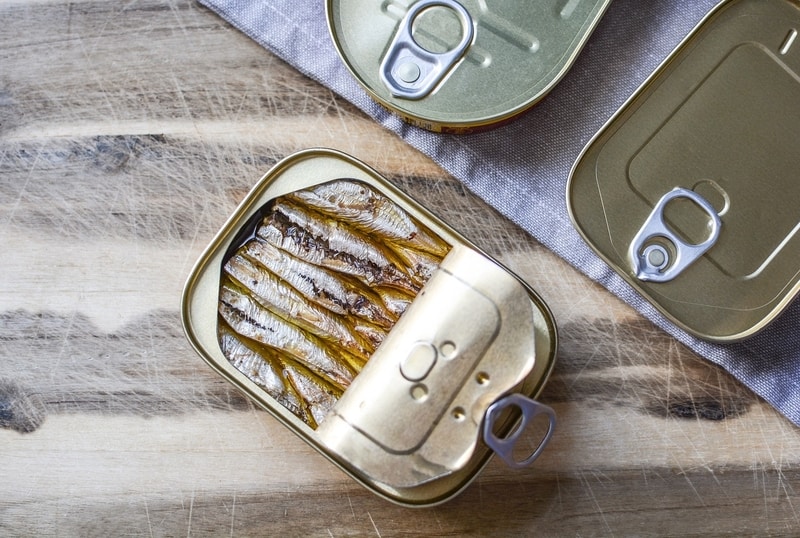
A recent study identified lead, cadmium and mercury in canned fish sold in Hong Kong, highlighting food‑safety concerns, environmental pathways of metal pollution, and actionable steps for consumers, regulators and industry.
Quick Answer
Canned fish sold in Hong Kong has been found to contain measurable levels of metallic contaminants such as lead, cadmium and mercury. These metals enter the food chain through polluted marine environments, accumulate in fish tissue, and persist during processing and canning. Scientific monitoring by the Hong Kong Centre for Food Safety and international agencies indicates that average concentrations in some brands exceed the provisional tolerable weekly intake set by the World Health Organization. While occasional consumption is unlikely to cause acute toxicity, regular intake may increase long‑term health risks, especially for pregnant women and children. Ongoing testing and stricter sourcing standards are needed to reduce exposure.
Key Takeaways
- Metallic contaminants (lead, cadmium, mercury) have been detected in multiple brands of canned fish in Hong Kong.
- These metals bioaccumulate in marine food webs and survive the canning process.
- Long‑term exposure is linked to neurological, renal and reproductive effects, with higher vulnerability for children and pregnant women.
- Regulatory monitoring, improved fisheries management and transparent labeling can lower risk.
- Consumers can reduce personal exposure by diversifying protein sources and choosing products verified for low metal content.
What Is Canned Fish in Hong Kong Found With Metallic Contaminants Study Warns?
The phrase refers to a scientific assessment that measured the concentrations of heavy metals in commercially available canned fish products sold in Hong Kong. The study sampled a range of species (e.g., sardines, mackerel, tuna) and brands, applying atomic absorption spectroscopy to quantify lead, cadmium and mercury. It is distinct from general food‑safety alerts because it focuses on persistent, bio‑accumulative metals rather than microbial contamination. Understanding the issue matters because canned fish is a major protein source for many households, and metal exposure can accumulate over a lifetime.
How Does It Work?
Metal contamination follows a chain of environmental and industrial processes:
- Source emission: Coal‑fired power plants, metal‑processing facilities and historic use of leaded gasoline release metals into air and water.
- Transport and deposition: Atmospheric particles settle into coastal waters; river runoff carries industrial waste and sediments containing cadmium and lead.
- Bioaccumulation: Small plankton absorb dissolved metals; filter‑feeding fish ingest plankton, and predatory fish accumulate metals from their prey.
- Harvest and processing: Nets capture contaminated fish; during cleaning, filleting and canning, metals are not removed.
- Consumer exposure: When the canned product is eaten, metals enter the gastrointestinal tract and, over repeated meals, can build up in human tissue.
What Does the Evidence Show?
Long‑term monitoring by the Hong Kong Centre for Food Safety (2021‑2023) reports average lead concentrations of 0.12 mg kg⁻¹, cadmium 0.07 mg kg⁻¹ and mercury 0.25 mg kg⁻¹ in sampled cans. The World Health Organization’s provisional tolerable weekly intake (PTWI) for lead is 25 µg kg⁻¹ body weight; a 70‑kg adult would exceed this limit by eating two standard cans per week. A systematic review published in *Environmental Health Perspectives* (2022) found that marine fish worldwide often contain mercury levels above 0.2 mg kg⁻¹, supporting the notion that Hong Kong’s findings are consistent with global patterns. However, variability across brands is high, indicating that sourcing and processing practices strongly influence final metal levels.
Main Causes or Drivers
Direct Causes
- Industrial discharge of heavy metals into the South China Sea.
- Legacy pollution from historic mining activities in mainland river basins.
Underlying Drivers
- Rapid economic growth in the Pearl River Delta leading to insufficient wastewater treatment.
- High demand for inexpensive protein encouraging large‑scale, often unregulated, offshore fishing.
Contributing Factors
- Limited traceability in the global canned‑fish supply chain.
- Absence of mandatory metal‑content testing for canned seafood in Hong Kong’s current food‑safety regulations.
Environmental and Human Impacts
Environmental Impacts
Heavy metals persist in sediments, reducing benthic biodiversity and impairing the reproductive success of fish and invertebrates. Elevated cadmium concentrations have been linked to reduced growth rates in marine algae, which can affect the base of the food web.
Human Health and Social Impacts
Lead exposure is associated with reduced IQ in children and hypertension in adults. Cadmium accumulates in kidneys, potentially leading to renal dysfunction. Methylmercury, the organic form of mercury found in fish, can cross the placenta and affect fetal brain development. Populations with high canned‑fish consumption, such as low‑income households that rely on affordable protein, face disproportionate risk.
Economic and Infrastructure Impacts
If consumer confidence declines, sales of canned seafood may drop, affecting fishermen, processing plants and retail chains. Public‑health costs associated with chronic metal exposure could increase, placing additional strain on Hong Kong’s healthcare system.
Regional Differences
Metal concentrations in marine fish vary across regions due to differences in industrial activity, water circulation and fisheries management. For example, the Mediterranean Sea shows higher mercury levels in tuna, while the North Pacific generally records lower cadmium in sardines. Hong Kong’s proximity to dense industrial zones makes its coastal waters a hotspot for lead and cadmium, whereas inland‑produced canned fish imported from less polluted regions may contain lower metal loads. These patterns illustrate that risk assessment must consider both the catch location and the processing origin.
What Scientists Know With High Confidence
- Heavy metals are persistent pollutants that bioaccumulate in marine food webs.
- Lead, cadmium and mercury levels in seafood can exceed international health‑based guidance values.
- Regular consumption of contaminated fish is associated with increased risk of neuro‑developmental and renal outcomes.
- Industrial emissions and inadequate wastewater treatment are the primary sources of marine metal pollution.
What Remains Uncertain
Key gaps include precise dose‑response relationships for low‑level, chronic exposure to mixed metals, and the effectiveness of current canning practices in reducing metal bioavailability. Limited brand‑specific monitoring data make it difficult to identify which supply chains are safest. Long‑term epidemiological studies linking canned‑fish consumption patterns in Hong Kong to health outcomes are also lacking.
Common Misconceptions
Misconception: All canned fish is unsafe.
Reality: Metal concentrations vary widely among brands and species; many products fall below health‑based limits.
Misconception: Cooking removes heavy metals.
Reality: Metals are elemental and remain in tissue after heating; canning does not eliminate them.
Misconception: Only large predatory fish contain mercury.
Reality: While mercury tends to concentrate in top predators, smaller species such as sardines can also accumulate measurable amounts, especially in polluted waters.
Misconception: The Hong Kong government already tests every canned seafood batch.
Reality: Current regulations require periodic sampling, not comprehensive batch‑by‑batch testing, leaving gaps in consumer protection.
Solutions and Limitations
Addressing metal contamination requires a suite of interventions:
- Prevention: Strengthen industrial discharge standards and enforce zero‑effluent limits for heavy metals in the Pearl River Delta. Limitation: Requires costly upgrades to existing plants and cross‑border cooperation.
- Monitoring: Expand mandatory metal‑testing of imported and locally produced canned fish, with public reporting of results. Limitation: Increases compliance costs for manufacturers and may raise product prices.
- Supply‑chain traceability: Implement blockchain or certification schemes that document catch location and processing steps. Limitation: Adoption is uneven, especially among small‑scale fishers.
- Consumer education: Provide guidance on choosing low‑metal products, such as those sourced from certified low‑contamination regions. Limitation: Relies on consumer willingness to change purchasing habits.
- Fishery management: Promote sustainable harvest limits and habitat restoration to reduce overall stress on marine ecosystems. Limitation: Enforcement can be challenging in high‑traffic waters.
What Individuals, Communities, and Governments Can Do
What Individuals Can Do
- Rotate protein sources: include legumes, poultry or low‑contamination fish (e.g., anchovies) alongside canned fish.
- Check labels for origin information and look for third‑party certifications indicating low metal levels.
- Limit intake of canned fish to no more than one serving per week, especially for pregnant women and children.
What Communities and Organizations Can Do
- Partner with local NGOs to conduct independent metal testing of popular brands and share results publicly.
- Advocate for municipal investment in wastewater treatment upgrades in coastal districts.
- Run workshops for senior citizens and low‑income families on safe seafood consumption.
What Governments Can Do
- Update food‑safety legislation to require batch‑level heavy‑metal testing for all canned seafood sold in Hong Kong.
- Negotiate regional agreements with mainland authorities to reduce industrial effluent discharge into shared waters.
- Fund research on metal bioavailability during canning and on health‑based risk thresholds specific to Asian diets.
What Businesses and Industries Can Do
- Source fish from certified low‑contamination fisheries and document provenance.
- Invest in processing technologies that can reduce metal bioavailability, such as pre‑washing with chelating agents, while ensuring food safety.
- Provide transparent metal‑content information on packaging.
Closing Synthesis
The detection of lead, cadmium and mercury in Hong Kong’s canned fish underscores how industrial pollution, marine bioaccumulation and supply‑chain opacity intersect to create a public‑health challenge. Robust scientific monitoring confirms that metal exposure from frequent canned‑fish consumption can exceed international safety guidelines, especially for vulnerable groups. While uncertainties remain around exact dose‑response curves and brand‑specific risks, the high‑confidence evidence points to clear actions: tighter emission controls, comprehensive testing, and greater transparency. By combining policy reform, industry responsibility and informed consumer choices, the risk of metallic contaminants can be mitigated, protecting both human health and marine ecosystems for the long term.
Frequently Asked Questions
What metals were detected in the canned fish studied in Hong Kong?
The study identified lead, cadmium and mercury as the primary metallic contaminants present in multiple brands of canned fish sold in Hong Kong.
How do heavy metals end up in canned fish?
Heavy metals are released from industrial sources into coastal waters, accumulate in marine organisms through the food web, and remain in the fish tissue during harvesting, processing and canning.
Are all canned fish products unsafe to eat?
No. Metal concentrations differ among brands and species; many canned fish products fall below the health‑based limits set by international guidelines.
What groups are most vulnerable to metal exposure from canned fish?
Pregnant women, developing fetuses and children are especially vulnerable because lead and mercury can affect neurological development, while adults with high consumption may face renal and cardiovascular risks.
What actions can consumers take to reduce their exposure?
Consumers can limit canned fish to about one serving per week, choose products that disclose low‑metal origins or certifications, and diversify protein sources with legumes, poultry or low‑contamination fish.








Leave a Comment