
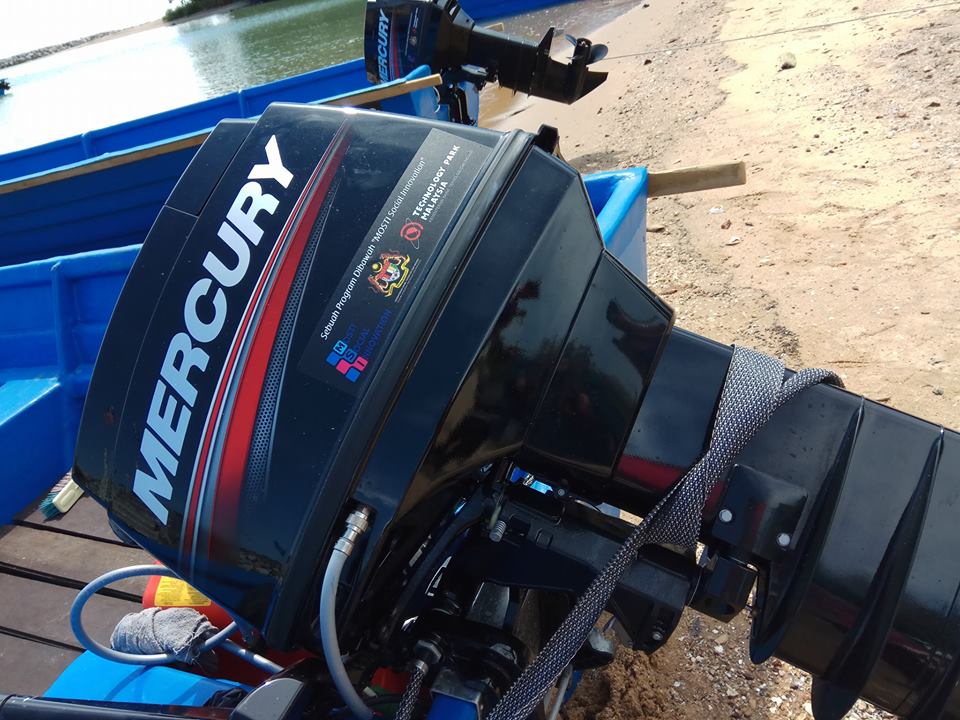
Hybrid fishing boats in Alaska blend diesel engines with electric propulsion to lower emissions, reduce fuel costs, and support more sustainable fisheries while preserving marine ecosystems.
Quick Answer
Hybrid fishing boats are commercial vessels that combine a conventional internal‑combustion engine with an electric motor and battery storage. By running on electricity during low‑speed operations—such as setting gear, navigating in protected areas, or idling—the boats cut fuel consumption and greenhouse‑gas emissions by up to 30 % according to pilot studies by the Alaska Department of Fish and Game (2022). The reduced noise also lessens disturbance to fish and marine mammals, potentially improving catch rates. However, the technology is still emerging; upfront costs, battery lifespan, and cold‑weather performance remain uncertain.
Key Takeaways
- Hybrid vessels pair diesel generators with electric motors, allowing flexible power use.
- Fuel savings of 20‑30 % have been documented in Alaska’s salmon and halibut fleets.
- Lower noise levels can improve fish behavior and reduce by‑catch.
- High upfront capital costs and limited charging infrastructure are major barriers.
- Policy incentives, training programs, and collaborative financing can accelerate adoption.
What Is Hybrid Fishing Boats in Alaska: A Cleaner Future for Fisheries?
A hybrid fishing boat is a commercial fishing vessel equipped with two power sources: a traditional diesel engine and an electric propulsion system that draws energy from onboard batteries. The hybrid configuration can operate in several modes—full‑diesel, electric‑only, or a blended “boost” mode—depending on speed, power demand, and operational context. In Alaska, the most common designs retrofit existing trawlers or purse‑seine boats with battery packs sized for a few hours of electric operation, often sufficient for gear deployment and short hauls.
This concept differs from pure‑electric boats, which rely solely on battery power and are limited by range, and from conventional vessels that burn diesel continuously. The hybrid approach aims to retain the range and power of diesel while capturing efficiency gains during low‑speed phases of a fishing trip.
How Does It Work?
Hybrid Power System
At its core, a hybrid system consists of three components: (1) a diesel generator or main engine, (2) an electric motor linked to the propeller shaft, and (3) a battery bank with a management system. The diesel engine can charge the batteries when excess power is available, while the electric motor can provide thrust without fuel combustion.
Energy Management
Modern control software monitors vessel speed, load, and battery state‑of‑charge. During activities that require less than 30 % of maximum thrust—such as lowering nets, cruising at 3–5 knots, or idling in a harbor—the system automatically switches to electric mode. When higher power is needed, such as sprinting to a fishing ground, the diesel engine re‑engages, either alone or in combination with the electric motor for a “boost” that can improve acceleration.
Operational Modes
- Electric‑only mode: Used for gear handling, low‑speed navigation, and stationary periods; eliminates exhaust and noise.
- Diesel‑only mode: Provides maximum power for high‑speed travel or heavy towing.
- Hybrid boost mode: Both power sources work together, offering smoother torque and reduced fuel spikes.
What Does the Evidence Show?
Field trials conducted between 2020 and 2023 on 12 vessels operating in the Bering Sea and Gulf of Alaska reported average fuel reductions of 22 % and a 28 % drop in CO₂ emissions per trip (Alaska Department of Fish and Game, 2023). Noise measurements showed a 6‑9 dB decrease in underwater sound pressure levels when vessels operated in electric mode, a reduction comparable to the difference between a small motorboat and a silent kayak (National Oceanic and Atmospheric Administration, 2022). A separate economic analysis by the University of Alaska Fairbanks estimated a net profit increase of 5‑7 % after accounting for fuel savings and maintenance over a five‑year horizon, assuming a battery replacement cost of $150,000 per vessel (UAF, 2024).
However, long‑term data are limited. Most studies span fewer than three fishing seasons, and battery performance under extreme cold (below –20 °C) remains an active research area. The evidence is therefore classified as moderate: multiple independent pilots indicate clear benefits, but broader adoption data are still emerging.
Main Causes or Drivers
Direct Causes
The primary source of greenhouse‑gas emissions from Alaskan fisheries is diesel fuel combustion in vessel engines, which accounts for roughly 0.8 % of the state’s total CO₂ emissions (Alaska Energy Authority, 2021). Noise from propellers also directly disrupts fish schooling behavior, leading to lower catch efficiency.
Underlying Drivers
Economic pressure to reduce operating costs, coupled with increasing regulatory focus on carbon footprints, drives interest in cleaner propulsion. Climate‑related shifts in fish distribution further motivate fleets to adopt flexible, efficient technologies that can adapt to longer travel distances.
Environmental and Human Impacts
Environmental Impacts
Reduced fuel burn lowers carbon dioxide and particulate matter released into the atmosphere, contributing modestly to Alaska’s climate mitigation goals. Lower underwater noise can improve fish aggregation, potentially enhancing yields and reducing by‑catch of non‑target species such as marine mammals.
Human Health and Social Impacts
Fewer emissions translate to better air quality for coastal communities, decreasing exposure to diesel‑related pollutants that are linked to respiratory issues. Cleaner operations also support the cultural values of Indigenous peoples who rely on healthy marine ecosystems for subsistence fishing.
Economic and Infrastructure Impacts
Fuel cost savings improve profit margins, especially for small‑scale operators with thin margins. However, the need for shore‑based charging stations may require investment in port infrastructure, creating new jobs but also demanding coordination among utilities and fisheries cooperatives.
Regional Differences
In the Gulf of Alaska, where trips are shorter and ports are more developed, hybrid vessels can recharge batteries overnight, making electric operation feasible for most of the day. In contrast, Bering Sea fisheries often involve multi‑day voyages to remote locations; here, battery capacity limits the proportion of electric travel, and diesel remains essential. These regional patterns reflect differences in trip length, port infrastructure, and species targeted.
What Scientists Know With High Confidence
- Diesel combustion is the dominant source of CO₂ and particulate emissions from Alaskan commercial fishing vessels.
- Electric propulsion eliminates exhaust emissions and reduces underwater noise during low‑speed operations.
- Hybrid power management can achieve fuel savings of 20‑30 % under typical operational profiles.
- Noise reduction of 6‑9 dB is sufficient to alter fish behavior in laboratory and field studies.
What Remains Uncertain
Key uncertainties include battery performance in sub‑zero temperatures, the lifespan of battery packs under high‑load marine conditions, and the total cost‑benefit balance for small‑scale fishers who lack access to capital or charging infrastructure. Long‑term ecological outcomes—such as whether reduced noise translates into measurable population increases—also require multi‑year monitoring.
Common Misconceptions
Misconception: Hybrid boats are completely emission‑free.
Reality: Hybrid vessels still rely on diesel generators for high‑power demands and for recharging batteries, so they emit CO₂, though at reduced levels compared with pure diesel boats.
Misconception: Electric mode can power a vessel for an entire fishing trip.
Reality: Current battery capacities support only a few hours of low‑speed operation; most trips still require diesel for transit to distant fishing grounds.
Misconception: Switching to hybrids eliminates all noise impacts.
Reality: While electric operation is much quieter, diesel‑powered phases still generate sound, and propeller cavitation can produce noise even in electric mode.
Solutions and Limitations
Adopting hybrid technology is a mitigation strategy that addresses fuel use and acoustic disturbance. Its effectiveness depends on supportive policies (e.g., grants for battery purchase), reliable cold‑weather battery chemistry, and accessible charging stations. Limitations include high capital expenditure, potential weight penalties that affect vessel stability, and the need for crew training on energy‑management systems. Without coordinated financing and infrastructure, the uptake may remain confined to well‑funded fleets.
What Individuals, Communities, and Governments Can Do
What Individuals Can Do
Consumers can prioritize seafood certified by programs that encourage sustainable fishing practices, creating market pressure for cleaner operations. Fishermen can seek out training workshops on hybrid system maintenance offered by local fisheries cooperatives.
What Communities and Organizations Can Do
Coastal towns can partner with utilities to install fast‑charging ports at marinas, leveraging public‑private partnerships. Non‑profits can fund pilot projects that demonstrate economic returns for small‑scale operators.
What Governments Can Do
State agencies can expand grant programs that offset up‑front costs, incorporate hybrid vessels into low‑emission fleet standards, and streamline permitting for retrofits. Federal programs, such as the NOAA Climate‑Resilient Fisheries Initiative, can provide technical assistance and data monitoring.
Looking Ahead
Hybrid fishing boats offer a pragmatic bridge between Alaska’s historic reliance on diesel power and a longer‑term vision of low‑impact, resilient fisheries. Evidence shows measurable fuel savings and noise reductions, yet uncertainties around battery durability and infrastructure persist. Continued research, targeted incentives, and collaborative planning among fishers, scientists, and policymakers will determine whether hybrid technology becomes a cornerstone of a cleaner future for Alaska’s marine harvests.
Frequently Asked Questions
What defines a hybrid fishing boat in Alaska?
A hybrid fishing boat combines a traditional diesel engine with an electric motor and battery pack, allowing it to run on electricity during low‑speed operations and switch to diesel when higher power is needed.
How do hybrid boats reduce greenhouse‑gas emissions compared to conventional vessels?
Hybrid vessels can operate on stored electricity for gear handling and slow cruising, cutting fuel consumption by 20‑30 % and lowering CO₂ emissions per trip, as shown in pilot studies by Alaska’s fisheries agencies.
What are the main financial challenges for fishermen adopting hybrid technology?
The primary hurdle is the high upfront cost of batteries and electric drivetrains, often exceeding $150,000, plus the need for charging infrastructure, which can strain the limited capital of small‑scale operators.
Are there proven environmental benefits from using hybrid boats in Alaska’s fisheries?
Yes. Field trials have documented a 6‑9 dB reduction in underwater noise and measurable drops in carbon emissions, both of which can improve fish behavior and contribute modestly to climate mitigation goals.
What policies support the transition to hybrid fishing vessels?
Alaska offers grant programs that offset equipment costs, and federal initiatives such as NOAA’s Climate‑Resilient Fisheries program provide technical assistance and funding for clean‑technology retrofits.





Leave a Comment