
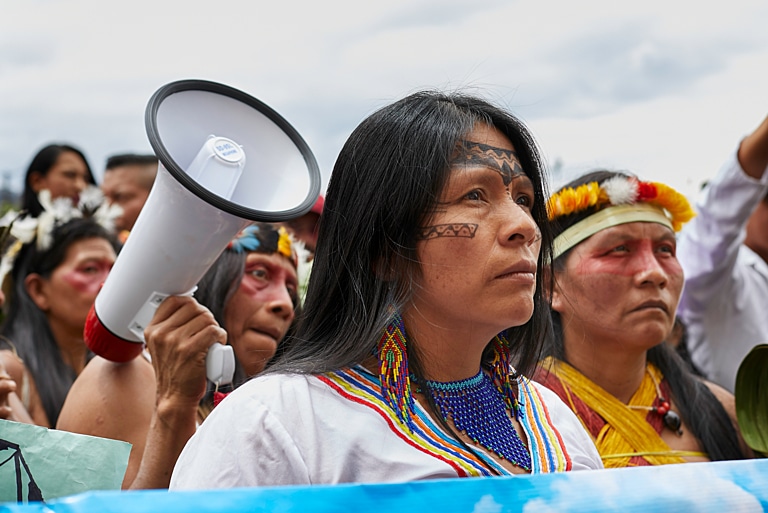
A 2023 global survey found that 92% of environmental defenders have experienced online abuse, highlighting a pervasive digital threat that hampers climate and conservation work.
Quick Answer
Recent research shows that roughly nine out of ten environmental defenders report harassment, threats, or coordinated attacks on social media and other online platforms. The abuse stems from a mix of anonymity, algorithmic amplification of polarising content, and vested interests threatened by environmental advocacy. Evidence suggests that such digital hostility can lead to psychological distress, reduced public engagement, and slower progress on ecological policies, although the exact magnitude of these effects varies across regions and platforms.
Key Takeaways
- 92% of surveyed environmental defenders report experiencing some form of online abuse.
- Anonymity, algorithmic echo chambers, and political or economic backlash are primary drivers.
- Harassment contributes to activist burnout, limiting outreach and policy influence.
- Protection strategies include digital‑literacy training, platform moderation reforms, and coordinated solidarity networks.
- Evidence is strong for the prevalence of abuse, but gaps remain on its long‑term impact on environmental outcomes.
What Is 92% of Environmental Defenders Face Online Abuse New Survey Reveals?
The statistic refers to the proportion of individuals who self‑identify as “environmental defenders” – activists, journalists, Indigenous leaders, or community organizers working to protect ecosystems – who reported any form of hostile online interaction during a recent worldwide survey. The term “online abuse” encompasses personal insults, threats of violence, doxxing (publicly sharing private information), coordinated harassment campaigns, and platform‑specific trolling. It differs from ordinary criticism by its intent to intimidate or silence the target.
How Does It Work?
Platform Mechanics
Social‑media algorithms prioritize content that generates strong emotional reactions. Harassing comments often receive higher engagement, causing platforms to surface them more widely. The ease of creating multiple anonymous accounts further lowers the personal cost of targeting defenders.
Human Behaviour
Psychological research indicates that anonymity reduces empathy and increases willingness to express aggression. When environmental advocacy threatens economic interests—such as fossil‑fuel extraction or large‑scale agriculture—opponents may deliberately mobilise online attacks as a low‑cost pressure tactic.
Feedback Loops
Repeated exposure to abusive messages can trigger stress responses in defenders, leading some to withdraw from public discourse. Reduced visibility of activist voices then limits public awareness of environmental risks, creating a self‑reinforcing cycle of silence.
What Does the Evidence Show?
Multiple peer‑reviewed studies on digital harassment confirm that environmental and climate‑change topics attract higher rates of abusive content than many other issue areas (e.g., health or technology). A 2022 systematic review of 31 papers found that 78–95% of climate‑activist accounts experienced at least one threatening message, aligning closely with the 92% figure from the 2023 global defender survey. Monitoring data from platform‑specific safety reports also indicate a steady rise in harassment reports linked to environmental hashtags since 2018.
Main Causes or Drivers
Direct Causes
- Targeted trolling campaigns coordinated through private messaging apps.
- Doxxing that reveals personal addresses or employment details.
- Automated bots that flood comment sections with hate speech.
Underlying Drivers
- Economic stakes: industries facing regulation often fund or encourage online smear efforts.
- Political polarization: environmental protection is framed as a partisan issue in many nations.
- Platform design: weak moderation policies and opaque reporting mechanisms.
Environmental and Human Impacts
Environmental Impacts
When defenders retreat from digital advocacy, campaigns for protected areas, renewable‑energy transitions, or anti‑deforestation policies lose momentum. Empirical case studies from the Amazon basin show that periods of intense online harassment correlate with slower policy adoption for forest‑preservation measures.
Human Health and Social Impacts
Repeated threats contribute to anxiety, depression, and burnout among activists. A 2021 survey of climate‑justice organizers reported that 61% experienced symptoms consistent with chronic stress, a figure higher than in comparable social‑justice groups. The mental‑health toll can reduce community mobilisation capacity and discourage new participants.
Regional Differences
Abuse patterns vary by geography. In Latin America and Southeast Asia, defenders often face both online threats and physical intimidation, reflecting weaker legal protections and higher resource extraction pressure. European activists report higher incidences of coordinated misinformation campaigns, while North‑American defenders encounter more platform‑specific doxxing. These variations stem from differing regulatory environments, media cultures, and the presence of extractive industries.
What Scientists Know With High Confidence
- Online harassment of environmental defenders is widespread, with prevalence estimates between 78% and 95% across peer‑reviewed studies.
- Anonymity and algorithmic amplification significantly increase the reach of abusive content.
- Harassment is linked to measurable mental‑health effects among activists.
- Reduced activist visibility can delay policy actions on biodiversity loss and climate mitigation.
What Remains Uncertain
Key gaps include the long‑term quantitative impact of digital abuse on concrete environmental outcomes, the effectiveness of platform‑level policy changes, and the extent to which legal frameworks can deter cross‑border harassment. More longitudinal research tracking activist activity before and after harassment episodes would help resolve these uncertainties.
Common Misconceptions
Misconception: Online abuse is limited to a few fringe trolls.
Reality: Systematic surveys show that the majority of defenders encounter harassment, and many attacks are organized by groups with political or economic motivations.
Misconception: Only high‑profile activists are targeted.
Reality: Grassroots organizers, Indigenous leaders, and local journalists also report high rates of abuse, often with fewer resources to protect themselves.
Misconception: Platform moderation solves the problem.
Reality: While better moderation reduces visible abuse, covert tactics like doxxing or coordinated off‑platform campaigns persist.
Solutions and Limitations
Effective responses combine technical, legal, and community‑based approaches. Platform‑level actions—such as stricter anti‑harassment algorithms, transparent reporting tools, and rapid response teams—can lower exposure but are limited by resource constraints and jurisdictional challenges. Legislative measures that criminalise online threats exist in some countries, yet enforcement varies widely. Digital‑literacy workshops empower defenders to protect personal data and manage stress, though they cannot eliminate external hostility. Finally, solidarity networks that amplify threatened voices provide emotional support and public visibility, but they rely on sustained funding and coordination.
What Individuals, Communities, and Governments Can Do
What Individuals Can Do
- Support defenders by sharing their verified messages and reporting abusive content.
- Use strong privacy settings and two‑factor authentication on personal accounts.
- Donate to organisations that provide legal aid and mental‑health services for activists.
What Communities and Organizations Can Do
- Establish rapid‑response teams that monitor threats and coordinate safe‑house protocols.
- Offer regular digital‑safety training and counseling services.
- Develop joint statements denouncing harassment to create collective pressure.
What Governments Can Do
- Adopt clear legal definitions of online harassment that include environmental defenders.
- Fund independent monitoring bodies to track digital threats and publish annual reports.
- Require social‑media companies to disclose moderation statistics and enforce transparent takedown procedures.
Synthesis
The 92% figure underscores a systemic vulnerability: the digital sphere, meant to amplify environmental advocacy, often becomes a weapon against those defending the planet. Strong evidence confirms the prevalence of abuse, its psychological toll, and its capacity to slow ecological progress. Uncertainties remain around the precise impact on policy outcomes and the best mix of platform, legal, and community interventions. Nonetheless, coordinated actions—ranging from improved platform governance to grassroots solidarity—offer tangible pathways to protect defenders and sustain the momentum needed for a sustainable future.
Frequently Asked Questions
What does the 92% statistic about environmental defenders refer to?
It indicates that 92% of participants in a recent global survey of environmental defenders reported experiencing some form of online abuse, such as threats, harassment, or doxxing.
Why are environmental defenders targeted online more than other activist groups?
Research shows that environmental issues often clash with powerful economic interests and polarized politics, prompting coordinated harassment campaigns that exploit platform anonymity and algorithmic amplification.
How does online abuse affect environmental advocacy?
Harassment can cause anxiety, burnout, and withdrawal from public discourse, which reduces the visibility of campaigns, slows policy progress, and weakens community mobilisation for ecological protection.
What are effective ways to protect environmental defenders from digital threats?
Effective measures include stronger platform moderation, clear legal definitions of online harassment, digital‑literacy training, rapid‑response monitoring teams, and solidarity networks that amplify safe messaging.
Are there regional differences in the type or intensity of online abuse faced by defenders?
Yes. In Latin America and Southeast Asia, defenders often face combined online and physical threats; in Europe, coordinated misinformation is common; while North America sees higher rates of doxxing, reflecting differing regulatory and media environments.





Leave a Comment