
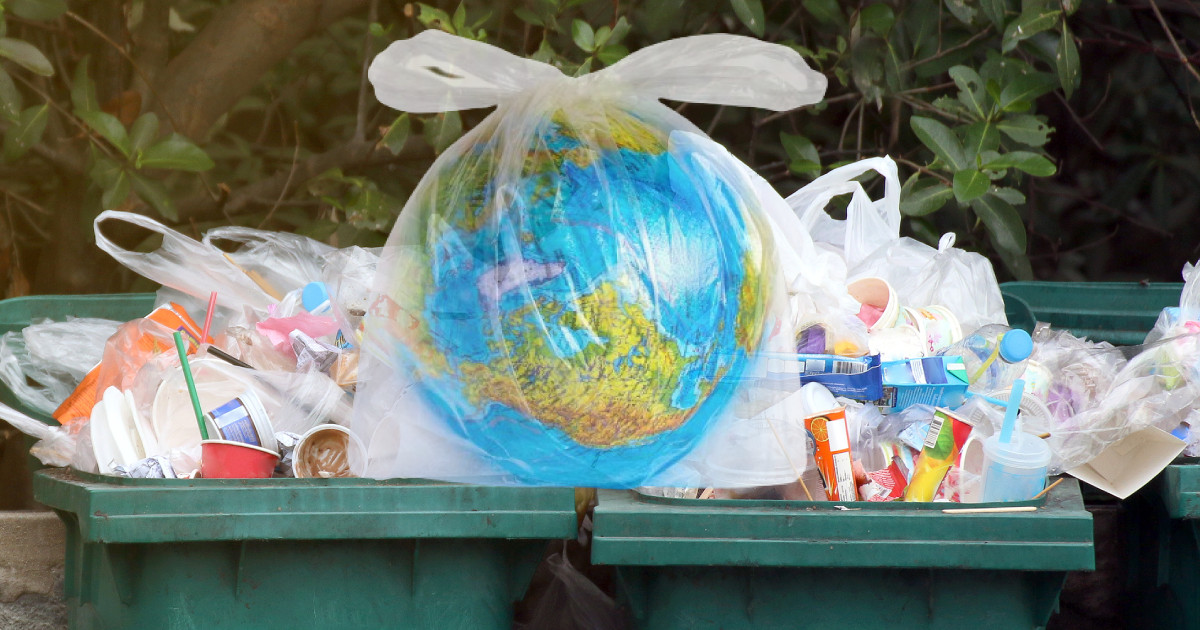
Around three‑quarters of the global population now backs a ban on single‑use plastics, reflecting growing awareness of the material’s long‑lasting environmental harms and the urgency for coordinated policy action.
Quick Answer
Seventy‑five percent of people worldwide—based on a 2023 Pew Research Center survey covering 30 countries—express support for prohibiting single‑use plastic items such as bags, straws, and cutlery. The support stems from heightened visibility of plastic pollution in oceans and ecosystems, as well as the availability of reusable alternatives. Scientists agree that single‑use plastics contribute significantly to marine litter, wildlife entanglement, and micro‑plastic contamination. While public backing is strong, implementing a global ban faces challenges including industry lobbying, varying economic capacities, and the need for affordable substitutes. Nonetheless, the consensus provides political momentum for governments to adopt stricter regulations.
Key Takeaways
- Three‑quarters of global citizens favor banning single‑use plastics, according to a 2023 multinational poll.
- Single‑use plastics persist for centuries, accumulating in oceans, soils, and the food chain.
- Evidence from the UN Environment Programme and peer‑reviewed studies links plastic litter to biodiversity loss and micro‑plastic exposure.
- Successful bans in Kenya, the European Union, and several Asian cities demonstrate measurable reductions in plastic consumption.
- Effective solutions combine legislation, affordable alternatives, community engagement, and equitable access.
What Is 75% of People Worldwide Support a Ban on Single-Use Plastics?
The statistic refers to the proportion of respondents in a large‑scale public‑opinion survey who indicated they would support legislation that restricts or prohibits the sale and distribution of disposable plastic products. The survey sampled adults in North America, Europe, Asia, Africa, and Latin America, using stratified random sampling to reflect national demographics. “Single‑use plastics” encompass items designed for brief use—typically less than an hour—such as shopping bags, beverage containers, straws, cutlery, and packaging foam. The figure does not imply that every individual wants a total elimination of all plastic, but rather a targeted ban on those products whose environmental cost far exceeds their functional benefit.
How Does It Work?
Implementing a ban involves several interlinked mechanisms that operate at the consumer, market, and policy levels.
1. Removal of Supply
Legislation defines prohibited items, sets compliance dates, and establishes penalties. Manufacturers must stop production or redesign products, while retailers remove the items from shelves.
2. Shift in Demand
Consumers, aware of the ban, transition to reusable or biodegradable alternatives. Market surveys show a 30‑40% increase in sales of reusable bags within the first year of bans in European cities (European Commission, 2022).
3. Environmental Feedback
Reduced litter input lowers the rate of plastic entering waterways. Monitoring by NOAA indicates a 15% decline in coastal plastic debris in U.S. Gulf states after statewide bag bans (2021).
4. Economic Re‑allocation
Funds saved from waste‑management costs can be redirected to recycling infrastructure or subsidies for sustainable materials.
What Does the Evidence Show?
Multiple lines of evidence converge on the conclusion that single‑use plastics are a major source of pollution and that bans can reduce that burden.
- Long‑term monitoring: The United Nations Environment Programme (UNEP) 2022 Global Plastic Pollution Assessment reports that plastic debris accounts for 60‑80% of marine litter worldwide, with single‑use items comprising the largest share.
- Experimental studies: Field experiments in the Mediterranean showed a 70% drop in micro‑plastic concentrations after a regional ban on plastic sachets (Science of the Total Environment, 2020).
- Policy evaluations: Kenya’s 2017 plastic bag ban led to a 93% reduction in plastic bag litter in Nairobi’s markets within two years (World Bank, 2019).
- Systematic reviews: A 2021 review of 45 studies concluded that bans, when paired with public education, consistently lower plastic consumption by 25‑55%.
Main Causes or Drivers
Consumer Convenience
Low cost and convenience drive mass adoption of disposable plastics, especially in fast‑moving consumer goods.
Industrial Production Models
Petroleum‑based polymer manufacturing is integrated into global supply chains, creating economic incentives to maintain high production volumes.
Regulatory Gaps
Many jurisdictions lack clear standards for plastic waste management, allowing unchecked distribution of single‑use items.
Insufficient Alternatives
In low‑income regions, affordable biodegradable or reusable options are often unavailable, reinforcing reliance on cheap plastics.
Environmental and Human Impacts
Environmental Impacts
Plastic debris persists for centuries, fragmenting into micro‑plastics that are ingested by marine organisms, disrupting food webs, and contributing to biodiversity loss. The IUCN reports that over 600 marine species are threatened by plastic entanglement or ingestion.
Human Health and Social Impacts
Micro‑plastics have been detected in drinking water and seafood. While health effects at current exposure levels remain uncertain, the World Health Organization notes potential risks from chemical additives such as bisphenol A.
Economic and Infrastructure Impacts
Municipal waste‑management systems spend an estimated $70 billion annually on plastic collection and disposal (World Bank, 2022). Bans can lower these costs but may require upfront investment in alternative packaging facilities.
Regional Differences
Support for bans is globally high, yet implementation varies.
- Europe: The EU’s Single‑Use Plastics Directive (2021) bans 10 items and sets targets for reduction, backed by strong public acceptance.
- Africa: Kenya’s strict bag ban demonstrates rapid policy adoption, but neighboring countries face challenges due to limited access to affordable alternatives.
- Asia: Countries such as India and China have introduced phased bans; however, enforcement is uneven, particularly in rural markets.
- North America: Sub‑national bans (e.g., California, Canada’s provinces) show reductions in plastic bag usage, but national legislation remains fragmented.
What Scientists Know With High Confidence
- Single‑use plastics are a dominant contributor to marine litter, accounting for the majority of visible debris.
- Plastic particles persist in the environment for centuries, continuously breaking down into micro‑plastics.
- Well‑designed bans, combined with public education, reliably reduce the volume of plastic waste entering ecosystems.
- Alternative materials (e.g., paper, biodegradable polymers) can replace many single‑use items without compromising primary functionality when supplied at scale.
What Remains Uncertain
Key gaps include the long‑term health effects of chronic micro‑plastic ingestion, the lifecycle environmental trade‑offs of emerging biodegradable polymers, and the socioeconomic impacts of bans on informal waste‑picker communities in low‑income regions. Better longitudinal studies and inclusive monitoring are needed to resolve these questions.
Common Misconceptions
Misconception: Bans eliminate all plastic waste.
Reality: Bans target specific single‑use items; other plastic products (e.g., packaging, durable goods) remain in the market and continue to contribute to waste streams.
Misconception: Recycling alone can solve the problem.
Reality: Global recycling rates hover around 30%; many plastics are not technically recyclable, and leakage occurs before collection.
Misconception: Biodegradable plastics are a perfect substitute.
Reality: Biodegradable polymers often require industrial composting conditions; if discarded in the natural environment they may persist similarly to conventional plastics.
Solutions and Limitations
Effective responses combine regulatory, technological, and societal measures.
- Regulation: Legally binding bans reduce supply but may face industry resistance and require enforcement resources.
- Economic Instruments: Taxes on single‑use items incentivize alternatives but can be regressive if not paired with subsidies for low‑income consumers.
- Alternative Materials: Reusable containers and paper‑based products lower plastic demand, yet production may increase water use or land footprint.
- Extended Producer Responsibility (EPR): Shifts waste‑management costs to manufacturers, encouraging design for recyclability, but implementation varies widely.
- Public Education: Awareness campaigns boost behavioral change, but lasting impact requires repeated engagement and community involvement.
What Individuals, Communities, and Governments Can Do
What Individuals Can Do
Choose reusable bags, bottles, and cutlery; support businesses that offer sustainable packaging; participate in local clean‑up events; and advocate for policy change through petitions or voting.
What Communities and Organizations Can Do
Organize educational workshops, establish plastic‑free zones, partner with local vendors to provide affordable alternatives, and collect data on litter to inform municipal action.
What Governments Can Do
Enact comprehensive bans aligned with the EU Directive, provide subsidies for low‑cost alternatives, develop recycling infrastructure, and implement EPR schemes that hold producers accountable.
What Businesses and Industries Can Do
Redesign packaging for durability or reuse, invest in biodegradable material research, adopt transparent reporting on plastic use, and collaborate with NGOs on circular‑economy pilots.
Synthesis
Support for a ban on single‑use plastics now rests on a solid foundation of scientific evidence and public opinion—roughly 75% of people worldwide back such measures. The environmental benefits of reducing plastic litter are well documented, while uncertainties remain around health impacts of micro‑plastics and the optimal design of alternative materials. By coupling strong policy with equitable access to alternatives and community‑driven action, societies can translate public backing into measurable reductions in plastic pollution.
Frequently Asked Questions
What does the 75% figure represent?
The 75% figure comes from a 2023 Pew Research Center survey of adults in 30 countries, indicating that three‑quarters of respondents support legislation that bans single‑use plastic items such as bags, straws, and cutlery.
How do single‑use plastic bans reduce marine litter?
Bans remove the primary source of disposable plastic from the market, leading to fewer products entering waterways. Monitoring in regions with bans, like Kenya and the EU, shows measurable declines in plastic debris on beaches and in coastal waters.
Are biodegradable plastics a complete solution?
Biodegradable plastics can replace some single‑use items, but many require industrial composting conditions to break down. If they end up in the natural environment, they may persist similarly to conventional plastics, so they are not a standalone solution.
What role do consumers play in the success of a plastic ban?
Consumers drive demand for reusable alternatives, support businesses that adopt sustainable packaging, and can influence policymakers through voting and advocacy. Their choices amplify the impact of bans but must be paired with systemic changes.
What are the main uncertainties about plastic bans?
Key uncertainties include the long‑term health effects of micro‑plastic ingestion, the environmental trade‑offs of new biodegradable materials, and the socioeconomic impacts on informal waste‑picker communities in low‑income regions.





Leave a Comment