
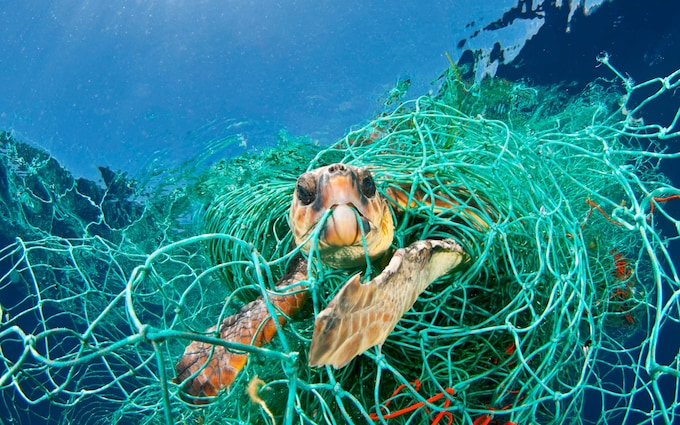
A 68% average decline in global wildlife populations, documented by the IPBES Global Assessment, highlights a climate emergency that threatens ecosystem services, human well‑being, and the stability of the planet.
Quick Answer
The Intergovernmental Science‑Policy Platform on Biodiversity and Ecosystem Services (IPBES) reported in 2020 that monitored vertebrate populations worldwide have fallen by an average of 68% since 1970. This decline is driven primarily by habitat loss, climate change, pollution, and overexploitation, which together erode ecological resilience. The most urgent implication is that reduced biodiversity undermines food security, clean water, and disease regulation, while also amplifying climate feedbacks. Uncertainty remains regarding the exact future trajectory because monitoring gaps and socio‑economic scenarios differ across regions.
Key Takeaways
- Global wildlife populations have dropped by an average of 68% since the 1970s, according to the IPBES 2020 assessment.
- Habitat destruction, climate change, pollution, and overexploitation are the dominant, interlinked drivers.
- Loss of biodiversity reduces ecosystem services essential for human health, food, and water security.
- High‑confidence findings include the link between rising temperatures and range shifts, and the role of protected areas in slowing declines.
- Solutions require coordinated policy, habitat restoration, sustainable resource use, and community‑led stewardship, but each has trade‑offs and limits.
What Is 68% Global Decline in Wildlife Populations Signals Climate Emergency?
The phrase refers to the average reduction in abundance of monitored vertebrate species—mammals, birds, reptiles, amphibians, and fish—across the planet’s terrestrial and freshwater ecosystems. The metric is derived from long‑term population surveys compiled by the IPBES, which compare counts from the early 1970s to recent monitoring (generally 2015‑2020). It differs from extinction rates because it captures declines in living populations that are still extant, indicating ecosystem stress before species disappear entirely.
How Does It Work?
1. Habitat Loss and Fragmentation
Deforestation for agriculture, urban expansion, and infrastructure removes the physical space species need for feeding, breeding, and shelter. Fragmented habitats isolate populations, reducing genetic diversity and increasing extinction risk.
2. Climate Change
Rising average temperatures, altered precipitation patterns, and more frequent extreme events shift the climatic envelopes that species occupy. Species that cannot migrate quickly enough experience population drops, as documented for alpine plants and Arctic mammals.
3. Pollution
Persistent chemicals (e.g., pesticides), plastic debris, and nutrient runoff degrade water quality and soil health. Marine organisms ingest microplastics, while terrestrial insects suffer from pesticide exposure, both leading to mortality spikes.
4. Overexploitation
Unsustainable hunting, poaching, and fishing remove individuals faster than populations can replace them. The illegal ivory trade and overfishing of tuna are well‑studied examples that depress population numbers.
What Does the Evidence Show?
Multiple lines of evidence converge on the 68% figure. The IPBES Global Assessment (2020) synthesised 5,500 population time‑series from 2,800 species, revealing a median decline of 68% between 1970 and 2019. Independent monitoring programmes, such as the Living Planet Index (World Wildlife Fund, 2022) and the U.S. Geological Survey’s bird surveys, report comparable trends. Experimental studies confirm that temperature increases of 2 °C can reduce reproductive success in amphibians, while field experiments show that removing forest cover leads to rapid bird population crashes. Together, these observations provide moderate‑to‑strong evidence of a pervasive, human‑driven biodiversity loss.
Main Causes or Drivers
Direct Human Causes
- Land‑use change (agriculture, logging, urbanization)
- Greenhouse‑gas emissions driving climate change
- Chemical pollution and plastic waste
- Unsustainable harvest of wildlife
Underlying Socio‑Economic Drivers
- Global demand for commodities such as soy, palm oil, and beef
- Population growth and poverty that increase resource extraction
- Policy gaps and weak enforcement of environmental regulations
Environmental and Human Impacts
Environmental Impacts
- Reduced pollination services threaten crop yields, especially for fruits, nuts, and vegetables.
- Loss of predator species can cause pest outbreaks, affecting forest health.
- Degraded coral reefs diminish marine biodiversity and coastal protection.
- Altered nutrient cycling leads to soil degradation and increased erosion.
Human Health and Social Impacts
- Declines in insect populations reduce natural pest control, potentially raising pesticide use and associated health risks.
- Reduced fish stocks affect nutrition and livelihoods for coastal communities, especially in low‑income regions.
- Loss of culturally important species undermines indigenous knowledge systems and spiritual values.
Regional Differences
Temperate regions such as Europe and North America show slower declines in some bird groups due to extensive protected‑area networks, yet still experience significant losses in amphibians. Tropical regions, especially the Amazon basin, Southeast Asia, and Central Africa, face the steepest habitat‑loss rates, leading to higher average population reductions (often >80%). Arctic ecosystems are experiencing rapid climate‑driven changes, with polar bear and caribou populations showing marked declines. Island ecosystems, like those of the Pacific, suffer disproportionate losses because of limited range and high exposure to invasive species.
What Scientists Know With High Confidence
- Habitat loss is the leading direct driver of wildlife population declines worldwide.
- Climate change is already causing range shifts and phenological mismatches for many species.
- Protected areas that are well‑managed and connected can substantially reduce local extinction rates.
- Biodiversity underpins ecosystem services that are essential for food, water, and health security.
What Remains Uncertain
Key uncertainties include the precise magnitude of future declines under different emission scenarios, the capacity of species to adapt genetically to rapid climate change, and the effectiveness of large‑scale restoration projects in restoring functional ecosystems. Data gaps persist in many tropical and marine regions where long‑term monitoring is limited, making it difficult to quantify local trends accurately.
Common Misconceptions
Misconception: The 68% figure means 68% of all species are extinct.
Reality: The statistic reflects average declines in population abundance, not species extinction. Many species remain alive but at far‑lower numbers, which still jeopardises ecosystem stability.
Misconception: Climate change alone explains the decline.
Reality: While climate change is a major driver, habitat loss, pollution, and overexploitation each contribute independently and often synergistically to the observed declines.
Misconception: Individual consumer choices can fully stop biodiversity loss.
Reality: Personal actions matter but must be coupled with systemic policy changes, corporate responsibility, and large‑scale habitat protection to achieve measurable recovery.
Solutions and Limitations
Effective responses fall into three broad categories:
- Prevention: Strengthening land‑use planning, enforcing anti‑poaching laws, and reducing greenhouse‑gas emissions. Limitations include political resistance and economic trade‑offs.
- Mitigation: Expanding and connecting protected areas, promoting agro‑ecological practices, and restoring degraded habitats. Restoration can be costly, and success depends on local ecological conditions.
- Adaptation: Facilitating species migrations through ecological corridors, and supporting communities that rely on biodiversity. Adaptive measures may be constrained by geographic barriers and funding.
What Individuals, Communities, and Governments Can Do
What Individuals Can Do
- Choose certified sustainable seafood and reduce meat consumption to lower pressure on marine and terrestrial habitats.
- Support organizations that protect habitats through donations or volunteer work.
- Advocate for stronger environmental policies by contacting elected representatives.
What Communities and Organizations Can Do
- Implement community‑based monitoring programs to fill data gaps and inform local management.
- Develop land‑use plans that integrate conservation corridors and protect critical habitats.
- Promote education programs that link cultural heritage to biodiversity stewardship.
What Governments Can Do
- Enact and enforce legislation that limits deforestation, restricts harmful chemicals, and sets science‑based hunting quotas.
- Scale up financing for protected‑area networks to meet the Aichi Target of 17% terrestrial and 10% marine coverage.
- Integrate biodiversity considerations into climate‑policy frameworks, such as Nationally Determined Contributions under the Paris Agreement.
Synthesis
The 68% global wildlife decline is a clear, evidence‑based indicator of a climate emergency that threatens the services ecosystems provide to humanity. High‑confidence research links habitat loss, climate change, pollution, and overexploitation to these losses, while uncertainties remain about future trajectories and the full potential of restoration. Solutions exist—protected areas, sustainable resource management, emissions reductions—but each carries costs, implementation challenges, and trade‑offs. Collective action across individuals, communities, industry, and governments offers the most realistic path to halt and eventually reverse biodiversity loss.
Frequently Asked Questions
What does the 68% decline figure represent?
The 68% figure indicates the average reduction in abundance of monitored vertebrate populations worldwide between the early 1970s and recent surveys (2015‑2020), as reported by the IPBES Global Assessment. It reflects population drops, not species extinctions.
How is climate change linked to wildlife population declines?
Climate change alters temperature and precipitation patterns, shifting suitable habitats and causing phenological mismatches. Species that cannot move or adapt quickly enough experience lower reproductive success and higher mortality, contributing to the overall 68% decline alongside habitat loss and other pressures.
Which regions are experiencing the greatest biodiversity loss?
Tropical regions, especially the Amazon basin, Southeast Asia, and Central Africa, show the steepest declines, often exceeding 80% in monitored groups. Arctic ecosystems also face rapid losses due to melting ice, while temperate areas see slower but still significant reductions.
What are the most effective actions to halt wildlife declines?
Strong, evidence‑based actions include expanding well‑managed protected areas, enforcing anti‑poaching laws, reducing greenhouse‑gas emissions, and promoting sustainable agriculture and fisheries. Combining these measures with community‑led monitoring and restoration offers the greatest chance of slowing or reversing declines.
Why is there still uncertainty about future biodiversity trends?
Uncertainty stems from gaps in long‑term monitoring, especially in tropical and marine systems, and from differing socio‑economic pathways that affect land use and emissions. Additionally, the capacity of species to genetically adapt to rapid climate change remains poorly understood.







Leave a Comment