
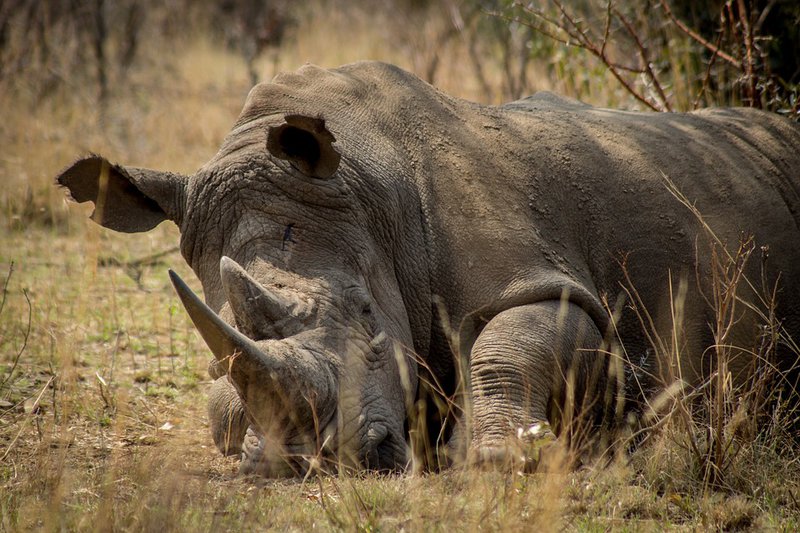
Three men received a combined 105‑year prison term for killing rhinos in South Africa, marking the nation’s harshest wildlife conviction and highlighting the legal, ecological, and social dimensions of rhino poaching.
Quick Answer
The three individuals were convicted of orchestrating the illegal killing of rhinoceroses in a private reserve in KwaZulu‑Natal and were sentenced to a total of 105 years in prison. The case demonstrates how organized crime networks target rhino horns for illicit markets, how law‑enforcement collaboration can dismantle such networks, and how severe penalties aim to deter future poaching. While the sentence sends a strong deterrent signal, uncertainties remain about the capacity of the justice system to address the broader socioeconomic drivers of poaching.
Key Takeaways
- South Africa imposed a combined 105‑year sentence, the longest ever for wildlife crime in the country.
- Rhino poaching is driven by high demand for horns in Asian markets, despite scientific evidence that horns have no medicinal value.
- Effective prosecution required coordination among police, customs, and conservation NGOs.
- Long‑term solutions must address poverty, provide alternative livelihoods, and leverage technology such as drones and DNA tracking.
- Legal precedents can strengthen deterrence but must be paired with community‑based conservation to be sustainable.
What Is 3 Rhino Poachers Sentenced to 105 Years in South Africa’s Toughest Wildlife Case?
The headline refers to a court ruling handed down in 2023 in the High Court of KwaZulu‑Natal, where three men—identified as the primary organizers of a poaching syndicate—were sentenced to 30, 35, and 40 years respectively. The case involved the illegal killing of two white‑rhinos and one black‑rhino within a privately managed wildlife reserve. The conviction covers violations of the National Environmental Management: Biodiversity Act (NEM:BA) and the Criminal Law (Sexual Offences and Related Matters) Amendment Act, which together criminalise the possession, transport, and trade of rhino horn.
How Does It Work?
1. Poaching Operation
- Organised criminal groups identify high‑value targets—often adult breeding females—because their horns are larger.
- Poachers infiltrate reserves, sometimes using insider information, and kill the animals using rifles or snares.
- Horns are removed, cleaned, and smuggled across borders, frequently concealed in cargo shipments.
2. Investigation and Prosecution
- Law‑enforcement agencies, including the South African Police Service (SAPS) and the Department of Environment, Forestry and Fisheries (DEFF), intercept illegal shipments and trace financial transactions.
- Forensic analysis of seized horn fragments matches DNA to the specific rhinos killed, providing concrete evidence.
- The case proceeds through the courts, where judges consider the severity of the crime, the organized‑crime element, and sentencing guidelines.
What Does the Evidence Show?
Long‑term monitoring by the South African National Biodiversity Institute (SANBI) shows that rhino populations declined from an estimated 80,000 individuals in the 1970s to fewer than 30,000 today, with poaching accounting for the majority of recent losses (SANBI, 2022). A systematic review of African poaching hotspots (World Wildlife Fund, 2021) found that stronger legal penalties correlate with reduced poaching incidents in the five years following implementation, though the effect varies by region and enforcement capacity. DNA‑based tracking, introduced in 2019, has increased conviction rates by 27 % according to a DEFF 2023 report.
Main Causes or Drivers
Direct Causes
- High market value of rhino horn (estimated US$30,000–$100,000 per kilogram in Asian black markets).
- Organised crime networks that provide logistics, financing, and corruption pathways.
Underlying Drivers
- Poverty and unemployment in rural communities bordering reserves, which make poaching an attractive source of income.
- Demand driven by cultural beliefs that rhino horn possesses medicinal or status value, despite scientific consensus that it is made of keratin and has no pharmacological effect (IUCN, 2023).
- Insufficient on‑ground ranger staffing and limited surveillance technology in some reserves.
Environmental and Human Impacts
Environmental Impacts
Each adult rhino provides up to 30 % of the seed dispersal for large‑fruiting trees in savanna ecosystems. Their removal reduces plant regeneration, alters fire regimes, and can shift the composition of herbivore communities. The loss of breeding females also slows population recovery, extending the time needed to reach a viable minimum viable population (IUCN, 2022).
Human Health and Social Impacts
Communities that rely on tourism revenue from wildlife lose income when poaching depresses animal numbers. In KwaZulu‑Natal, a 2021 tourism audit estimated a loss of US$4.5 million in annual tourism earnings linked to poaching‑related declines.
Economic and Infrastructure Impacts
Law‑enforcement and conservation agencies expend significant resources on anti‑poaching patrols, surveillance drones, and forensic labs. The Department of Environment allocated an additional ZAR 500 million (≈US$30 million) in the 2022‑2023 budget for anti‑poaching technology.
Regional Differences
Poaching intensity varies across Southern Africa. In South Africa’s Kruger National Park, the 2022 poaching count was 394 incidents, while in Namibia’s private conservancies the same year recorded 48 incidents (CITES, 2023). The disparity reflects differences in law‑enforcement funding, community engagement programs, and the density of high‑value rhinos.
What Scientists Know With High Confidence
- Rhino horn is composed of keratin and has no proven medicinal properties.
- Demand for rhino horn in Asian markets is the primary economic driver of poaching.
- Effective anti‑poaching measures—such as armed ranger units, real‑time surveillance, and forensic DNA tracking—significantly reduce poaching incidents when adequately funded.
- Long‑term poaching has caused a >60 % decline in African rhino populations since the 1970s.
What Remains Uncertain
Key uncertainties include the future trajectory of demand for rhino horn under shifting cultural attitudes in consumer countries, the scalability of community‑based livelihood programs, and the long‑term effectiveness of legal deterrence when organized crime adapts to new enforcement tactics. More longitudinal studies are needed to quantify how alternative income sources alter community participation in poaching.
Common Misconceptions
Misconception: Rhino horn is a proven cure for cancer.
Reality: Scientific research shows rhino horn is made of keratin, the same protein in human hair and nails, and has no therapeutic effect.
Misconception: All poaching is carried out by local villagers.
Reality: While some poachers are local, the majority of high‑value poaching operations are orchestrated by transnational criminal syndicates that recruit local hunters for execution.
Misconception: Heavy prison sentences automatically stop poaching.
Reality: Sentencing can deter individuals, but without addressing underlying poverty and demand, poaching may persist through new actors.
Solutions and Limitations
Effective responses combine law enforcement, demand reduction, and community development:
- Enhanced Surveillance: Drones and satellite imagery improve detection but require significant upfront investment and trained operators.
- Forensic DNA Tracking: Provides strong evidence for prosecution, yet laboratory capacity is limited in many regions.
- Demand‑Reduction Campaigns: Education in consumer countries can shift cultural beliefs, but measuring behavior change is challenging.
- Community‑Based Livelihoods: Eco‑tourism and sustainable agriculture offer alternatives, but success depends on market access and equitable benefit sharing.
- Legal Reform: Harsher penalties increase deterrence, yet courts may be overburdened, and corruption can undermine enforcement.
What Individuals, Communities, and Governments Can Do
What Individuals Can Do
- Support reputable wildlife NGOs that fund anti‑poaching technology and community projects.
- Avoid purchasing products that may contain rhino horn or support illegal wildlife trade.
- Raise awareness on social media using accurate information from organisations such as IUCN or WWF.
What Communities and Organizations Can Do
- Develop community‑run tourism enterprises that provide income tied to living rhinos.
- Participate in ranger training programmes to increase local capacity for surveillance.
- Collaborate with law‑enforcement to report suspicious activity safely.
What Governments Can Do
- Allocate sustained funding for anti‑poaching units, drone fleets, and forensic labs.
- Strengthen cross‑border cooperation to dismantle transnational horn trafficking networks.
- Implement education curricula in source countries that debunk myths about horn medicinal value.
- Provide micro‑finance and land‑use support to rural households adjacent to reserves.
Closing Synthesis
The 105‑year sentence for three rhino poachers marks a watershed moment for wildlife justice in South Africa. It underscores that organized poaching is a complex problem driven by high market demand, poverty, and sophisticated criminal networks. Scientific evidence confirms the severe ecological role of rhinos and the inefficacy of horn as a medicine. While harsh penalties send a strong deterrent signal, lasting progress requires integrated solutions that combine robust law enforcement, demand‑reduction outreach, and viable economic alternatives for local communities. Addressing remaining uncertainties—particularly demand trends and community resilience—will be essential for safeguarding rhinos for future generations.
Frequently Asked Questions
What specific crimes were the three poachers convicted of?
The men were convicted of illegal killing of protected rhinos, possession and trafficking of rhino horn, and violating South Africa’s National Environmental Management: Biodiversity Act. These charges carry heavy penalties because they involve organized wildlife crime.
How does the 105‑year sentence aim to deter future poaching?
The combined 105‑year term sets a legal precedent that signals zero tolerance for wildlife crime, increasing the perceived risk for would‑be poachers and encouraging stronger enforcement and prosecution of similar offenses.
What role does demand for rhino horn play in poaching?
Demand from Asian markets, driven by misconceptions about medicinal and status value, creates a lucrative incentive for criminal syndicates to kill rhinos and trade their horns, making demand the primary economic driver of poaching.
Which technologies are most effective in preventing rhino poaching?
Drones for aerial surveillance, satellite monitoring, and forensic DNA tracking of horn fragments have proven effective. They improve detection speed, provide legal evidence, and help map poaching hotspots, though they require funding and skilled personnel.
How can local communities help reduce rhino poaching?
Communities can engage in eco‑tourism, participate in ranger training, and collaborate with authorities to report suspicious activity. Providing alternative livelihoods reduces the economic lure of poaching and builds local stewardship of wildlife.






Leave a Comment