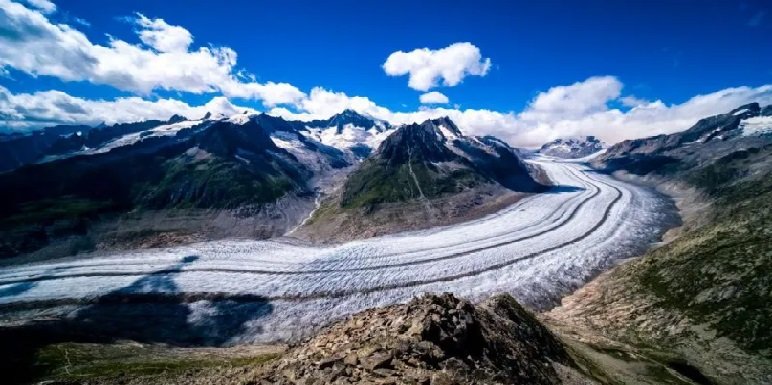
The world’s glaciers, those monumental sentinels of our planet’s history, are receding at an unprecedented pace. They are not merely blocks of ice; they are the very vessels of our climate’s narrative, chronicling centuries of environmental shifts. Yet, these colossal formations are undergoing a transformative phase, one that is heralding dire implications for ecosystems and human societies alike.
One cannot discuss the melting of glaciers without first acknowledging the profound changes in our atmosphere. The anthropogenic activities of recent decades have precipitated a near-cataclysmic rise in greenhouse gas concentrations. The burning of fossil fuels, rampant deforestation, and industrial overconsumption have elevated carbon dioxide levels, wrapping the Earth in a suffocating blanket of warmth. This metaphorical blanket has transformed our climate into a feverish state, hastening the demise of glacial integrity.
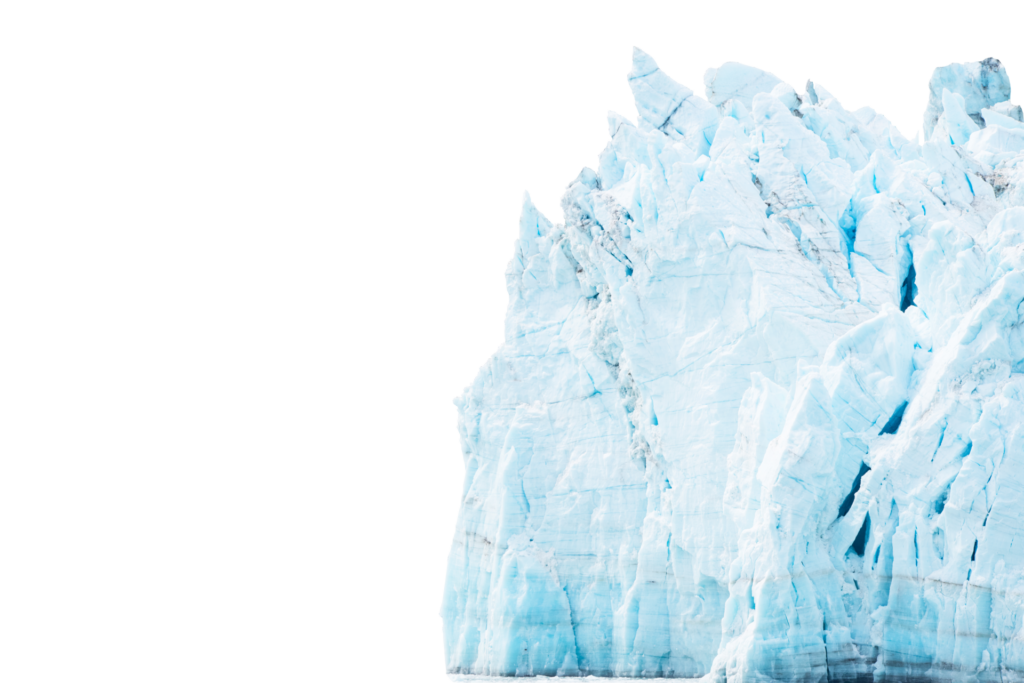
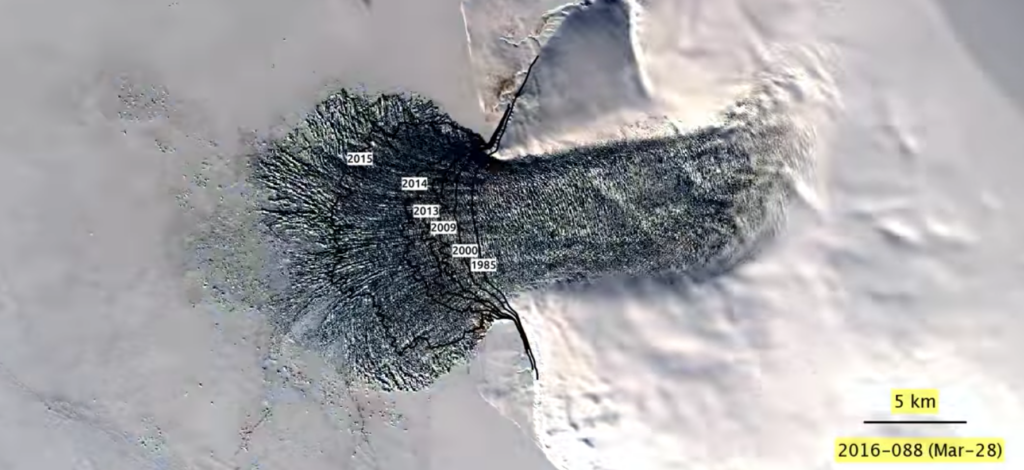
Temperature increases, particularly in polar regions, transcend mere numbers. They represent a profound existential threat. A staggering rise in global temperatures has resulted in profound shifts in glacial dynamics. Glaciers are now succumbing to the unrelenting embrace of warmth, their once-steadfast surfaces cracking and crumbling like brittle parchment beneath a relentless hand.
Moreover, feedback loops, the cruel paradoxes of climate change, exacerbate this already dire scenario. As glaciers retreat, they expose darker surfaces beneath—whether land or ocean—that absorb more sunlight and heat. This phenomenon spirals into a vicious cycle: as the glaciers shrink, they further contribute to warming, leading to even more glacial melt. This intricate dance of destruction is akin to the slow but inexorable decline of a once-majestic kingdom, now ensnared by its own legacy.
The thawing of glaciers does not occur in isolation; it has far-reaching ramifications for the world’s fresh water supply. Glaciers function as natural reservoirs, releasing water to rivers during warmer months—a lifeline for countless communities and ecosystems. The rapid melt results in an initial surge of water, but this is deceptive. This outpouring is ephemeral, and soon, regions that once thrived on glacial meltwater will face acute shortages, leading to potential conflicts over this precious resource.
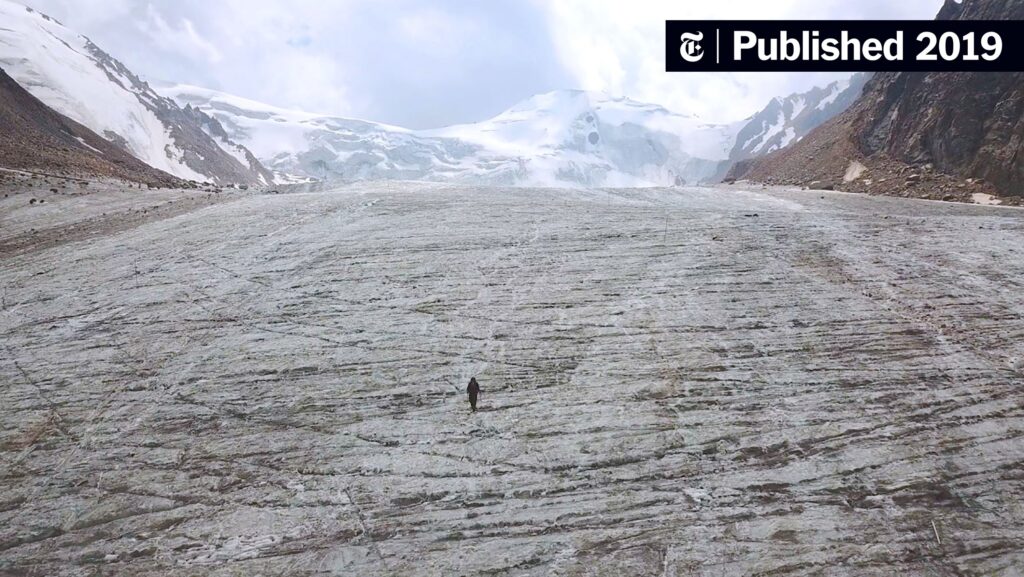
In addition to fresh water, the reduction of glacial mass also plays a pivotal role in the regulation of the Earth’s sea levels. The parched, cracked surface of a once-glorious glacier is not merely a visual tragedy; it is a harbinger of impending inundation for coastal cities worldwide. With alarming projections indicating a sea-level rise of several feet in the coming decades, entire communities and ecosystems are at risk of being swallowed by the brackish waters of oblivion.
Furthermore, the melting ice exposes long-buried secrets—a rich trove of ancient microorganisms and, potentially, pathogens long held in frozen stasis. The implications of this are both thrilling and daunting. As the ice recedes, we stand on the precipice of an era wherein diseases thought eradicated could resurface, amplifying the urgency of our plight and forcing us to confront the remnants of our past from an unfathomable future.
Yet, the tale of melting glaciers is not devoid of resilience or hope. Their decline serves as a clarion call, urging humanity to re-evaluate its interactions with the Earth. This crisis compels us toward innovation, to harness renewable energy sources and prioritize sustainability in our practices. The narrative woven by our glaciers implores us to cultivate an ethos of stewardship over our planet, fostering a symbiotic relationship with nature, rather than one of parasitic exploitation.
The artistry of nature should never be taken for granted. The ephemeral beauty of a glacier, with its delicate crystalline formations glistening under the sun’s rays, serves as a stark reminder that the exquisite forms of our planet are vulnerable to the capriciousness of human action. Such splendor must be safeguarded through concerted efforts—both individual and collective—aimed at combating climate change and preserving the planet’s ice giants for future generations.
In conclusion, as we stand before the majestic remnants of these frozen titans, we must grasp the gravity of this moment. The accelerated melting of glaciers is not only a climatic crisis; it is a profound environmental epiphany that challenges our very existence. It calls for immediate action, a reawakening of our moral compass, and a united front against the existential threats posed by climate change. In the sway of meltwater lies our future, and every drop counts.




Leave a Comment