

The natural greenhouse effect traps enough infrared heat to keep Earth at a temperature that supports liquid water, ecosystems, and human societies, while excess greenhouse gases risk destabilising this balance.
Quick Answer
The greenhouse effect is a physical process in which atmospheric gases such as carbon dioxide, methane, nitrous oxide and water vapour absorb and re‑emit infrared radiation, retaining roughly 33 °C (59 °F) of heat that would otherwise escape to space. This retained heat maintains Earth’s average surface temperature near 15 °C (59 °F), a condition essential for liquid water, stable climates and the diversity of life. Scientists are highly confident about the basic mechanism, but uncertainties remain regarding how feedbacks and human‑induced emissions will shift the system in the coming centuries.
Key Takeaways
- The greenhouse effect is a natural, life‑supporting process that keeps Earth warm enough for liquid water.
- Without greenhouse gases, average global temperatures would be about 18 °C (33 °F) colder, making most current ecosystems uninhabitable.
- Human activities have increased concentrations of CO₂, CH₄ and N₂O, amplifying the natural effect and driving climate change.
- Evidence from satellite observations, long‑term surface records and climate models consistently confirms the magnitude of the natural effect and the added warming from anthropogenic gases.
- Mitigation, adaptation and ecosystem‑based solutions can preserve the beneficial aspects of the greenhouse effect while limiting harmful excesses.
What Is the Greenhouse Effect and Why It Is Essential for Life on Earth?
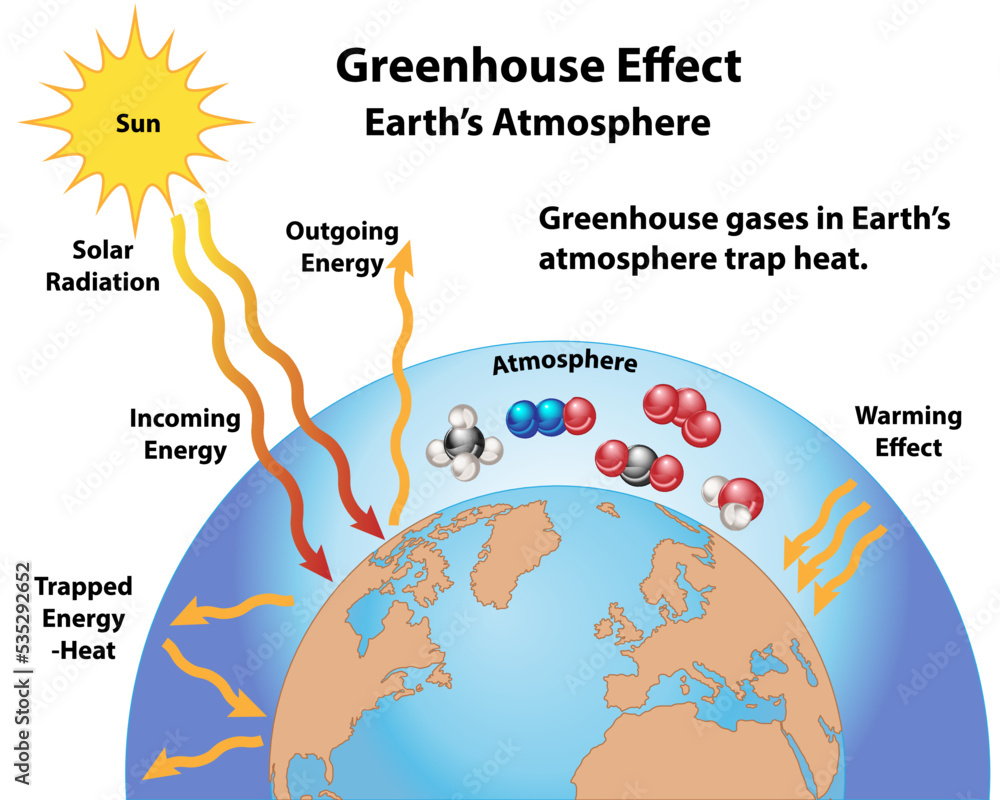
The greenhouse effect refers to the trapping of outgoing infrared radiation by certain gases in Earth’s atmosphere. Solar radiation reaches the planet as short‑wave light; about half is reflected, while the remainder is absorbed by land, oceans and the atmosphere, warming the surface. The warmed Earth then emits infrared radiation upward. Greenhouse gases (GHGs) absorb a portion of this infrared energy and re‑emit it in all directions, including back toward the surface, creating a warming “blanket”. This natural process raises the planet’s average temperature by roughly 33 °C (59 °F) compared with a hypothetical atmosphere lacking GHGs. The resulting temperature range enables liquid water, a stable hydrological cycle, and the broad spectrum of habitats that sustain biodiversity and human civilisation.
How Does the Greenhouse Effect Work?
1. Solar Energy Input
Sunlight (≈ 340 W m⁻² globally) reaches Earth’s atmosphere. About 70 % is absorbed by the surface, heating oceans, soils and vegetation.
2. Infrared Emission
The warmed surface radiates infrared energy upward. In a vacuum, this energy would escape directly to space.
3. Absorption by Greenhouse Gases
Molecules of CO₂, CH₄, N₂O and water vapour have vibrational modes that match the wavelength of terrestrial infrared radiation. When they absorb photons, they become excited and later re‑emit photons in random directions.
4. Downward Re‑radiation
Approximately half of the re‑emitted photons travel downward, adding to the surface heat budget. This feedback raises surface temperature until a new radiative equilibrium is reached.
5. Feedback Loops
Warmer air can hold more water vapour, which itself is a potent GHG, amplifying the initial warming (a positive feedback). Conversely, increased cloud formation can reflect incoming sunlight, providing a modest cooling effect.
What Does the Evidence Show?
Multiple, independent lines of evidence confirm the greenhouse effect’s magnitude and its essential role for life:
- Satellite measurements (e.g., NASA’s CERES program) have quantified the Earth’s radiation budget, showing a net upward infrared flux reduction consistent with greenhouse trapping.
- Instrumental temperature records from the Global Historical Climatology Network indicate a mean global surface warming of ~0.9 °C since the pre‑industrial era, matching modelled responses to observed GHG increases.
- Paleoclimate reconstructions (ice cores, sediment records) reveal that periods with higher atmospheric CO₂ corresponded to warmer global climates, while glacial periods with low CO₂ were markedly colder.
- Radiative transfer theory, validated in laboratory spectroscopic studies, accurately predicts the absorption spectra of key greenhouse gases and aligns with atmospheric observations.
These data sources, spanning direct observation, historical proxy, and theoretical modelling, converge on a robust conclusion: the natural greenhouse effect is indispensable for maintaining habitably warm conditions, and human‑induced enhancements are measurable and accelerating.
Main Causes and Drivers
Natural Drivers
Volcanic outgassing, respiration of soils and oceans, and the water cycle naturally emit CO₂, CH₄ and N₂O. These processes have maintained a relatively stable greenhouse gas baseline for millions of years.
Anthropogenic Drivers
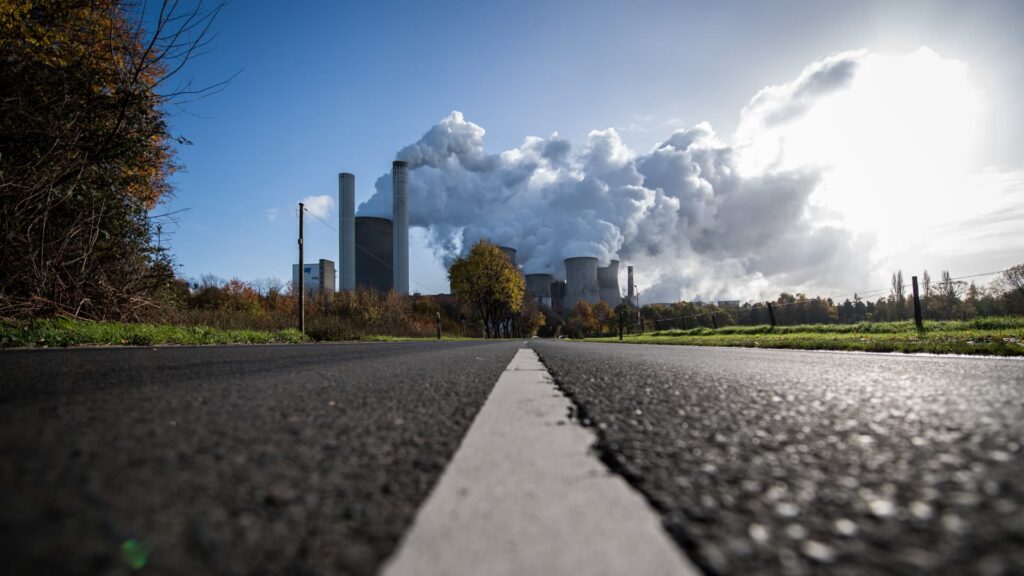
- Fossil‑fuel combustion releases ~36 Gt of CO₂ per year (2022 data, International Energy Agency).
- Agricultural practices generate CH₄ from livestock enteric fermentation and rice paddies, and N₂O from synthetic fertilizer use.
- Land‑use change, especially deforestation, reduces carbon sinks and adds CO₂ to the atmosphere.
These activities increase atmospheric concentrations of greenhouse gases beyond natural variability, intensifying the warming effect.
Environmental and Human Impacts
Environmental Impacts
- Elevated temperatures shift climate zones, altering the distribution of biomes from tropical forests to temperate grasslands.
- Warmer oceans expand the range of coral bleaching events and affect marine food webs.
- Changes in the hydrological cycle increase the frequency of extreme precipitation in some regions and drought in others.
Human Health and Social Impacts
- Heat‑related mortality rises when ambient temperatures exceed adaptive thresholds, especially among the elderly and outdoor workers.
- Altered vector habitats expand the range of diseases such as malaria and dengue.
- Food security is threatened by crop yield reductions in heat‑stressed regions, potentially increasing price volatility.
Economic and Infrastructure Impacts
- Coastal infrastructure faces heightened flood risk from sea‑level rise driven by thermal expansion and ice melt.
- Energy demand for cooling climbs in hot climates, while hydropower generation may decline in drought‑prone basins.
Regional Differences
The magnitude of warming and its consequences vary widely:
- Arctic regions experience amplified warming (up to three times the global average) due to albedo feedback from melting sea ice.
- Tropical rainforests such as the Amazon may confront combined heat and drought stress, threatening biodiversity.
- Mid‑latitude agricultural zones (e.g., the U.S. Midwest, the Indo‑Gangetic Plain) could see shifting growing seasons and increased irrigation needs.
- Small island developing states face disproportionate sea‑level rise and storm surge risks, despite contributing minimally to global emissions.
What Scientists Know With High Confidence
- The greenhouse effect is a natural, indispensable mechanism that keeps Earth’s surface temperature above freezing.
- Human activities have increased atmospheric CO₂ by ~50 % since pre‑industrial times, a change well documented by ice‑core and modern measurements.
- The added greenhouse gases are the dominant cause of the observed global mean surface warming since the mid‑20th century.
- Water vapour acts as a strong positive feedback, amplifying warming initiated by other greenhouse gases.
What Remains Uncertain
Key uncertainties centre on feedback strength and regional climate sensitivity. Cloud dynamics—how low‑level clouds respond to warming—remain difficult to model, leading to a range of projected warming outcomes. Additionally, the exact tipping points for large‑scale ecosystem shifts (e.g., Amazon dieback, permafrost carbon release) are not precisely known, though evidence suggests they could accelerate warming if crossed.
Common Misconceptions
Misconception: The greenhouse effect is solely a human‑made problem.
Reality: The greenhouse effect is a natural planetary process; human activities only enhance its magnitude.
Misconception: Without any greenhouse gases Earth would be completely frozen.
Reality: A completely greenhouse‑gas‑free Earth would average about –18 °C (–0.4 °F), far too cold for most current life, but not a total iceball; some geothermal hotspots would remain warm.
Misconception: All greenhouse gases have the same warming power.
Reality: Gases differ in radiative efficiency and atmospheric lifetime; methane, for example, is ~28‑36 times more potent than CO₂ over a 100‑year horizon.
Solutions and Limitations
Effective responses combine mitigation (reducing emissions) with adaptation (preparing for unavoidable changes):
- Renewable energy transition can cut CO₂ emissions, but requires substantial investment, grid upgrades and policy support; intermittency remains a technical challenge.
- Reforestation and forest protection enhance carbon sinks, yet land‑competition and permanence concerns limit their net benefit.
- Improved agricultural practices (e.g., precision fertiliser use, methane‑reducing feed additives) lower CH₄ and N₂O emissions, but adoption varies by region and farm size.
- Urban greening provides local cooling and carbon uptake, yet its impact on global GHG concentrations is modest.
- Carbon capture and storage (CCS) offers a technological route to remove CO₂ from point sources, but high costs and limited deployment hinder widespread use.
What Individuals, Communities, and Governments Can Do
What Individuals Can Do
- Reduce personal energy use (e.g., efficient appliances, home insulation) to lower household emissions.
- Choose lower‑carbon transport options such as public transit, cycling or electric vehicles where feasible.
- Support climate‑smart food choices, including reduced meat consumption and locally sourced produce.
- Engage in community tree‑planting or habitat restoration projects.
What Communities and Organizations Can Do
- Develop local climate action plans that integrate renewable energy, green infrastructure and resilient water management.
- Promote education programs that explain the natural greenhouse effect and the risks of excess emissions.
- Facilitate collective purchasing of clean energy or carbon offsets with transparent verification.
What Governments Can Do
- Implement carbon pricing mechanisms that internalise the social cost of emissions.
- Set ambitious, science‑based targets for net‑zero emissions, backed by clear policy pathways.
- Invest in climate‑resilient infrastructure, early‑warning systems and ecosystem protection.
- Support research on cloud feedbacks, carbon cycle dynamics and negative‑emission technologies.
Closing Synthesis
The greenhouse effect is a fundamental Earth‑system process that makes the planet warm enough for liquid water, diverse ecosystems and human civilisation. While the natural effect is essential, human‑driven increases in greenhouse gases are amplifying warming beyond the range that ecosystems have historically endured. Strong, multi‑scale evidence confirms the basic physics and the observed warming trend, yet uncertainties remain around feedbacks and tipping points. By combining mitigation, adaptation and nature‑based actions—while recognising their limits—we can preserve the beneficial aspects of the greenhouse effect and minimise the risks of excessive warming for present and future generations.
Frequently Asked Questions
What is the greenhouse effect and why is it important for life on Earth?
The greenhouse effect is the process by which gases like carbon dioxide, methane and water vapour absorb infrared radiation emitted by Earth and re‑emit it back toward the surface, retaining about 33 °C of heat. This natural warming keeps average temperatures near 15 °C, allowing liquid water and the diversity of life that depend on it.
How much cooler would Earth be without greenhouse gases?
Without greenhouse gases, scientific estimates indicate that Earth’s average surface temperature would be roughly 18 °C (33 °F) colder, placing most of the planet below the freezing point of water and making current ecosystems largely uninhabitable.
What are the main human activities that amplify the greenhouse effect?
The primary human drivers are fossil‑fuel combustion, which releases large amounts of CO₂; agriculture, which emits methane from livestock and rice paddies and nitrous oxide from fertilizers; and land‑use change, especially deforestation, which reduces natural carbon sinks and adds CO₂ to the atmosphere.
Which regions are experiencing the strongest warming signals?
Arctic regions show amplified warming—up to three times the global average—due to ice‑albedo feedback, while tropical rainforests face combined heat and drought stress. Mid‑latitude agricultural zones see shifting growing seasons, and small island states face disproportionate sea‑level rise despite low emissions.
What practical actions can individuals take to support a balanced greenhouse effect?
Individuals can lower household energy use through efficient appliances and insulation, choose low‑carbon transport such as public transit or electric vehicles, adopt climate‑smart food choices like reducing meat consumption, and participate in community tree‑planting or habitat restoration projects.






Leave a Comment