
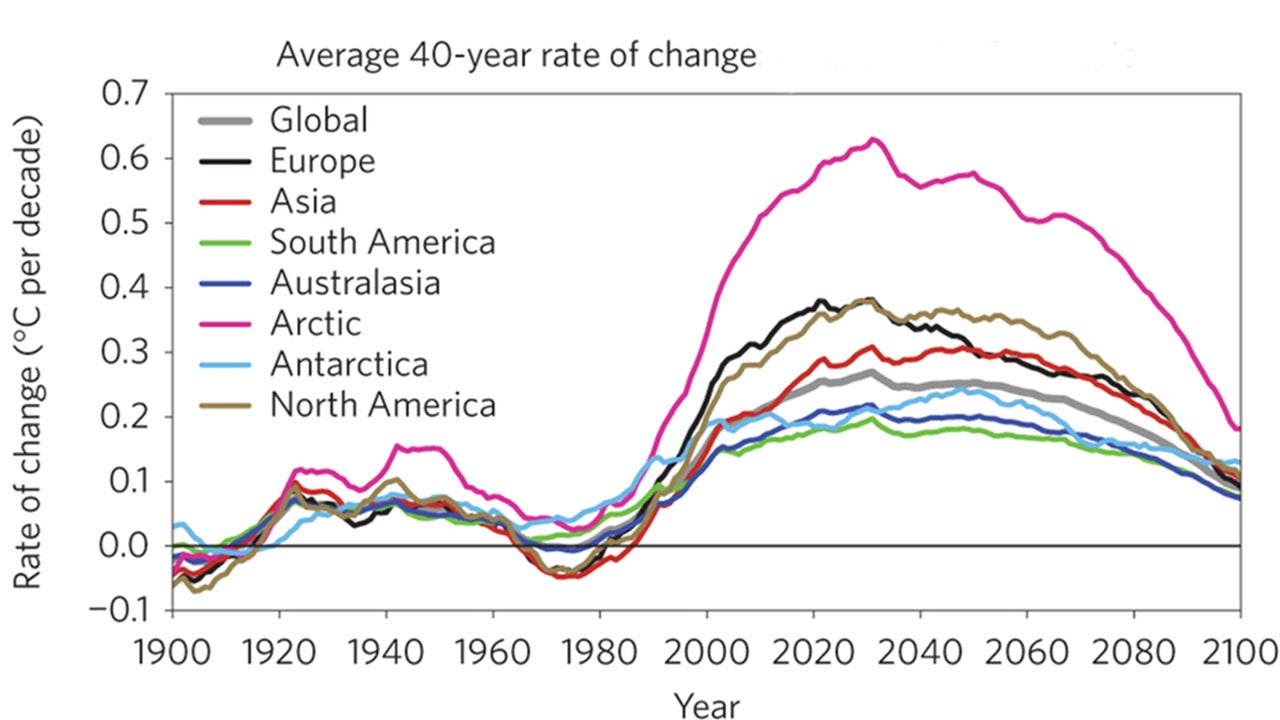
The climate is warming faster than any natural period in Earth’s history because human‑driven greenhouse‑gas emissions, feedback loops, and land‑use changes are amplifying the planet’s heat‑trapping mechanisms.
Quick Answer
Climate change is accelerating because the concentration of heat‑trapping gases, especially carbon dioxide (CO₂) and methane (CH₄), has risen to levels unprecedented in at least the past 800,000 years, driving a measurable increase in global average temperature of about 1.1 °C since the late 19th century. This rapid rise is reinforced by feedbacks such as permafrost thaw and reduced carbon uptake by oceans and forests. While uncertainties remain about the exact timing of tipping points, the overall trend of faster warming is supported by multiple independent data sets.
Key Takeaways
- Human combustion of fossil fuels has pushed atmospheric CO₂ above 420 ppm, a level not seen for millions of years.
- Positive feedbacks—permafrost melt, water‑vapor increase, and forest loss—amplify the initial warming.
- Observed warming is consistent across surface, ocean, and satellite records since the 1970s.
- Regional impacts vary, with the Arctic warming roughly twice as fast as the global average.
- Mitigation, adaptation, and ecosystem restoration are all needed, but each has limits and trade‑offs.
What Is Why the Climate Is Changing Faster Than Ever Before?
The phrase describes the observed acceleration of global mean temperature rise during the past few decades compared with earlier centuries. It refers specifically to the rate of change, not just the magnitude, and is measured using long‑term instrumental records, proxy reconstructions, and satellite observations. The concept differs from “climate variability,” which describes short‑term fluctuations, and from “climate change” in general, which can include slower, natural shifts.
How Does It Work?
1. Greenhouse‑Gas Accumulation
Burning coal, oil, and natural gas releases CO₂, while agriculture and waste management emit CH₄ and nitrous oxide (N₂O). These gases absorb infrared radiation, trapping heat in the lower atmosphere—a process quantified as radiative forcing.
2. Amplifying Feedbacks
Warming triggers additional processes that release more greenhouse gases:
- Permafrost thaw releases stored CH₄ and CO₂.
- Warmer oceans hold less CO₂, reducing a major carbon sink.
- Increased water‑vapor, itself a potent greenhouse gas, strengthens the greenhouse effect.
3. Land‑Use Change
Deforestation removes trees that would otherwise absorb CO₂, while soil disturbance can emit N₂O. Urban expansion also creates heat‑island effects that locally raise temperatures.
4. Oceanic and Atmospheric Circulation Shifts
Changes in wind patterns and ocean currents can redistribute heat, intensifying warming in some regions (e.g., the Arctic) and moderating it elsewhere.
What Does the Evidence Show?
Multiple lines of evidence converge on accelerated warming:
- Instrumental records: Global mean surface temperature rose about 0.18 °C per decade from 1970 to 2020 (NASA GISS, 2023).
- Satellite observations: Tropospheric temperature trends confirm surface data, showing the fastest warming since 1979 (NOAA, 2022).
- Ice‑core and sediment data: Past interglacial periods exhibited slower CO₂ increase rates than the present, indicating an unprecedented rise speed (IPCC AR6, 2021).
- Attribution studies: Detection‑and‑attribution analyses assign >95 % of the observed warming since 1950 to anthropogenic greenhouse‑gas emissions (IPCC, 2021).
- Feedback detection: Observed permafrost carbon release and declining oceanic CO₂ uptake are consistent with modelled feedback strength (Nature Climate Change, 2020).
Main Causes or Drivers
Direct Human Emissions
Fossil‑fuel combustion accounts for roughly 76 % of global CO₂ emissions in 2022 (IEA, 2023). Methane from livestock, rice paddies, and fossil‑fuel extraction contributes about 16 % of total greenhouse‑gas forcing.
Economic and Demographic Growth
World energy demand grew 2.3 % per year between 2000 and 2020, driven by population growth and rising living standards, especially in emerging economies.
Feedback Amplifiers
Permafrost carbon feedback could add 0.1–0.3 °C of warming by 2100 under high‑emission scenarios (IPCC, 2021). Water‑vapor feedback accounts for roughly half of the total climate sensitivity.
Land‑Use and Urbanization
Between 1990 and 2020, global forest cover declined by about 4 % (FAO, 2022), reducing the terrestrial carbon sink and increasing regional albedo changes.
Environmental and Human Impacts
Environmental Impacts
Accelerated warming leads to:
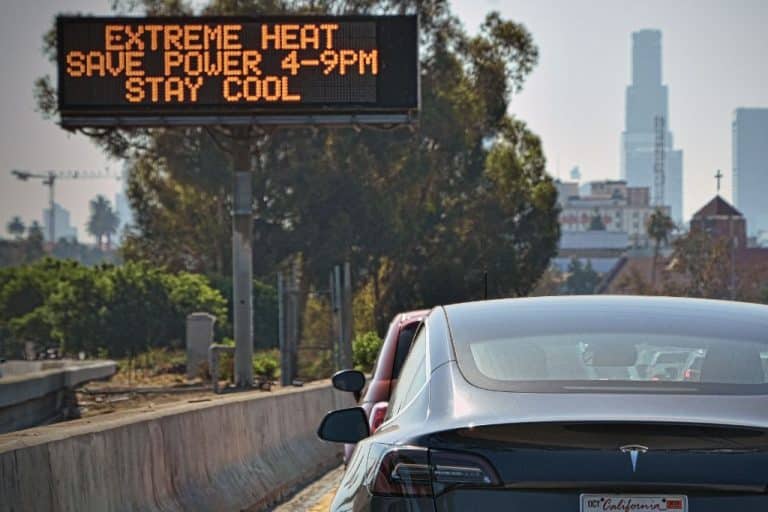
- More frequent heatwaves and record‑high temperatures.
- Rapid Arctic sea‑ice loss—average September extent declined 13 % per decade since 1979 (NSIDC, 2022).
- Shifts in precipitation patterns, intensifying droughts in the Mediterranean and floods in South Asia.
- Coral‑reef bleaching events occurring annually in many regions.
Human Health and Social Impacts
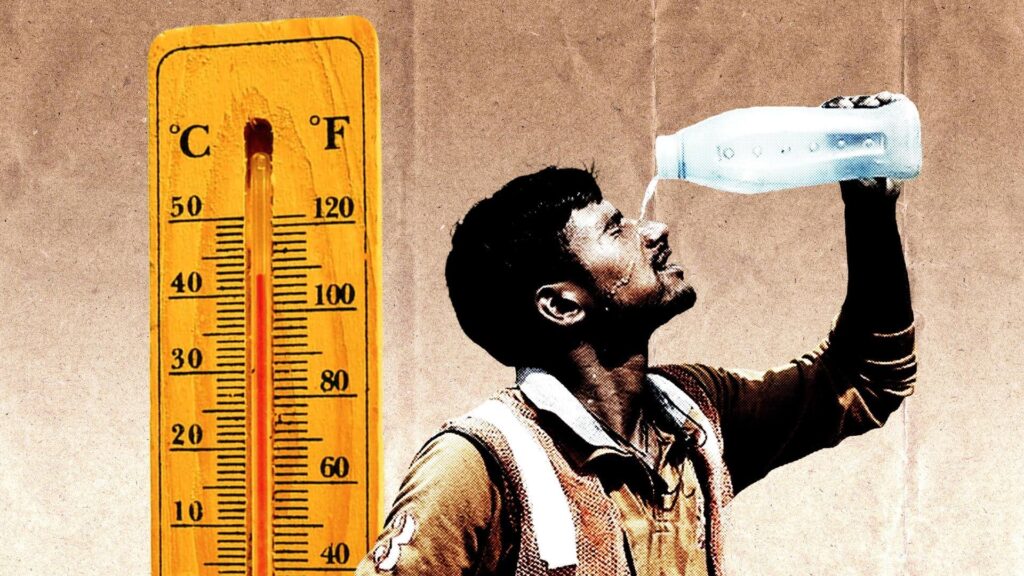
Higher temperatures increase heat‑related mortality, especially among the elderly and outdoor workers. Expanding vector‑borne diseases (e.g., malaria) have been linked to warmer climates in certain latitudes.
Economic and Infrastructure Impacts
Climate‑related disasters caused US$650 billion in damages globally between 2010 and 2020 (World Bank, 2022). Infrastructure in coastal cities faces rising sea‑level risk, estimated at 0.3 m by 2100 under moderate emission pathways.
Regional Differences
While the planet warms as a whole, the rate and consequences differ:
- Arctic: Temperatures have risen about 2 °C per decade, amplifying permafrost melt.
- Tropics: Increased heat stress and intensified tropical cyclone activity.
- Low‑lying island nations: Sea‑level rise threatens freshwater supplies and habitability.
- Mid‑latitude agricultural zones: Shifts in growing seasons alter crop yields, with some regions gaining and others losing productivity.
What Scientists Know With High Confidence
- Human activities are the dominant cause of observed warming since the mid‑20th century.
- Atmospheric CO₂ concentrations have exceeded 420 ppm, the highest level in at least 800,000 years.
- The planet’s average surface temperature has risen about 1.1 °C relative to pre‑industrial levels.
- Positive feedbacks such as water‑vapor increase and permafrost carbon release are already active.
What Remains Uncertain
Key uncertainties include the exact magnitude and timing of large‑scale carbon‑cycle feedbacks, especially permafrost and deep‑ocean carbon release. Regional climate projections also carry higher uncertainty due to complex local geography and socioeconomic pathways. Improving observational networks in the Arctic and tropical oceans will reduce these gaps.
Common Misconceptions
Misconception: “Global warming is a slow, linear process.”
Reality: Recent decades have shown a clear acceleration in temperature rise, driven by exponential growth in emissions and feedback mechanisms.
Misconception: “Natural factors like volcanoes are the main cause of recent warming.”
Reality: Volcanic aerosols have a short‑lived cooling effect; the net radiative forcing from human greenhouse gases far outweighs natural variations.
Misconception: “Planting trees alone can offset all emissions.”
Reality: Afforestation helps, but the scale required to balance current emissions exceeds realistic land‑availability and does not address non‑CO₂ gases.
Solutions and Limitations
Effective responses combine mitigation, adaptation, and restoration:
- Decarbonizing energy: Shifting to wind, solar, and nuclear reduces CO₂ emissions, but requires massive grid upgrades and material supply chains.
- Improving energy efficiency: Offers quick, cost‑effective emissions cuts, yet faces rebound effects if savings lead to higher consumption.
- Carbon‑capture and storage (CCS): Can remove CO₂ from point sources, but is expensive and still at pilot scale.
- Nature‑based solutions: Restoring wetlands and mangroves sequester carbon and provide coastal protection, though land‑use conflicts can arise.
- Adaptation measures: Building flood‑resilient infrastructure and developing drought‑tolerant crops reduce vulnerability, yet do not lower atmospheric greenhouse gases.
What Individuals, Communities, and Governments Can Do
What Individuals Can Do
Adopt low‑carbon transportation (public transit, cycling), improve home energy efficiency, and support policies that price carbon. Personal lifestyle changes reduce emissions modestly but signal demand for systemic shifts.
What Communities and Organizations Can Do
Implement district‑level renewable energy projects, develop local climate‑action plans, and protect urban green spaces to mitigate heat‑island effects.
What Governments Can Do
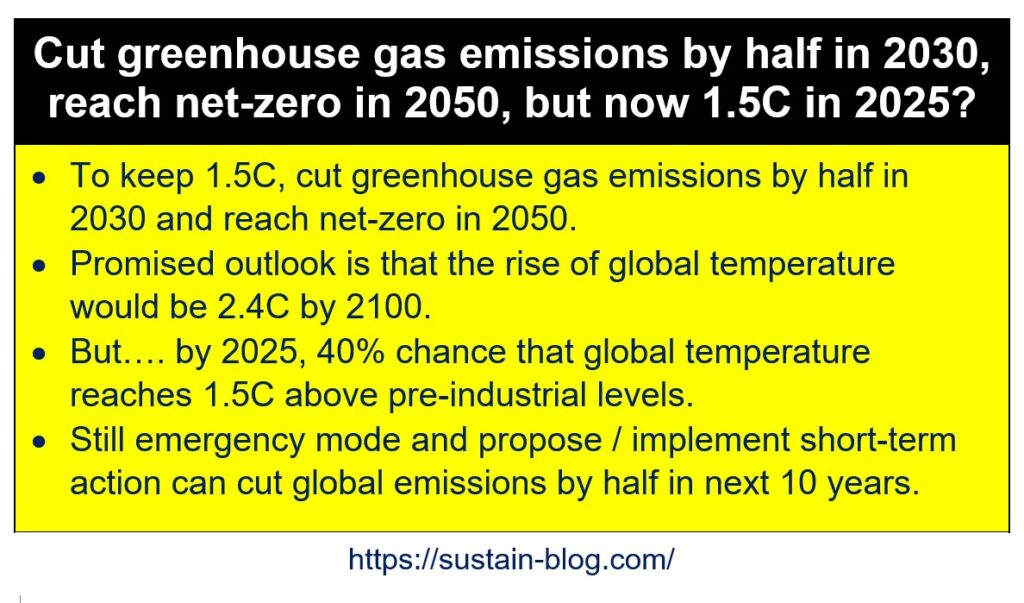
Enact ambitious net‑zero targets, phase out coal subsidies, invest in resilient infrastructure, and fund research on feedback mechanisms. International cooperation under the Paris Agreement remains essential.
What Businesses and Industries Can Do
Set science‑based emissions reductions, transition to circular production models, and disclose climate‑related financial risks per the Task Force on Climate‑Related Financial Disclosures (TCFD) framework.
Closing Synthesis
Accelerating climate change is the product of unprecedented human greenhouse‑gas emissions, reinforced by feedbacks that amplify warming. Robust observations and attribution studies give high confidence to this conclusion, while uncertainties persist around the scale of future feedbacks and regional outcomes. Mitigation, adaptation, and ecosystem restoration together offer the most viable pathway, but each carries trade‑offs that must be managed transparently. Collective, evidence‑based action across all levels of society is essential to slow the rate of change and protect ecosystems and communities worldwide.
Frequently Asked Questions
What does “climate is changing faster than ever” mean?
It describes the observed increase in the rate of global average temperature rise during recent decades, which is faster than any comparable period in the instrumental record.
How do greenhouse gases cause accelerated warming?
Greenhouse gases such as carbon dioxide and methane absorb infrared radiation emitted by Earth, trapping heat in the lower atmosphere; their rapidly rising concentrations increase radiative forcing and raise global temperatures.
Which feedback mechanisms make climate change accelerate?
Key feedbacks include permafrost thaw releasing stored carbon and methane, reduced oceanic carbon uptake as waters warm, and increased atmospheric water vapor, all of which add extra heat‑trapping gases to the system.
What are the most reliable pieces of evidence for rapid climate change?
Consistent warming trends from surface temperature records, satellite‑derived tropospheric temperatures, ice‑core data showing unprecedented CO₂ growth, and attribution studies linking over 95 % of post‑1950 warming to human emissions provide strong evidence.
What actions can individuals realistically take to help slow the acceleration?
Individuals can lower personal energy use, choose low‑carbon transportation, improve home efficiency, and support policies that price carbon or fund renewable energy, helping shift demand toward cleaner systems.








Leave a Comment