Melting glaciers present an urgent environmental crisis, yet they also reveal a fascinating linguistic quirk: the multitude of English pronunciations for the word “glacier.” Delving into the phonetic variances offers intriguing insight into the intersection of language, geography, and climate change. In this exploration, we will examine the reasons behind the different pronunciations, delve into the implications of glacier melt, and consider how these phenomena merge to form a narrative that is as complex as it is critical.
To fully appreciate why “glacier” has various pronunciations, one must first consider the origins of the word. Derived from the French term “glacier,” meaning “ice,” its roots can be traced back to the Latin “glacies,” also meaning ice. The introduction of this term into English reclaimed the icy essence of glaciers while intertwining with the English phonetics that often dictate pronunciation based on regional, social, and cultural factors.
One of the most recognized pronunciations in American English is “GLAY-sher,” which adheres closely to the French origin. Conversely, the British pronunciation often leans towards “GLAS-yer,” reflecting a linguistic evolution marked by the region’s dialectal nuances. Linguists posit that such variations are indicative of not just geographical distinctions but social identity as well. People often modify their pronunciation to align with their cultural and regional affiliations, making “glacier” a fascinating study of sociolinguistics in practice.
As we draw a correlation between linguistic variation and environmental discourse, the numerous pronunciations of “glacier” can also symbolize the diverse attitudes towards climate change across different regions. For instance, those in areas more profoundly affected by melting glaciers—such as indigenous communities in the Arctic and Alpine regions—may express a heightened urgency in their pronunciation, perhaps emphasizing an emotional connection to these majestic formations. Their very livelihood often rides on the health of these glaciers. This stark reality brings us to the heart of the environmental narrative surrounding glacier melt.
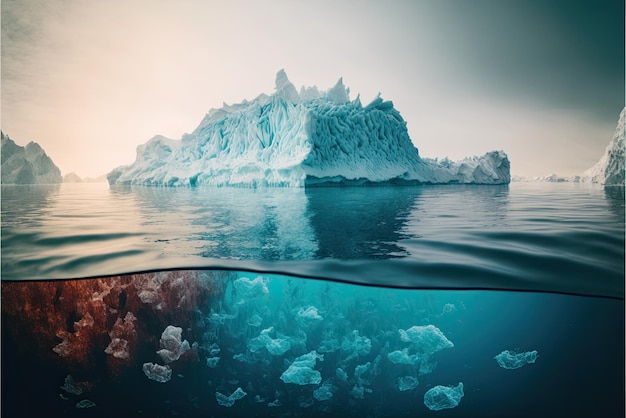
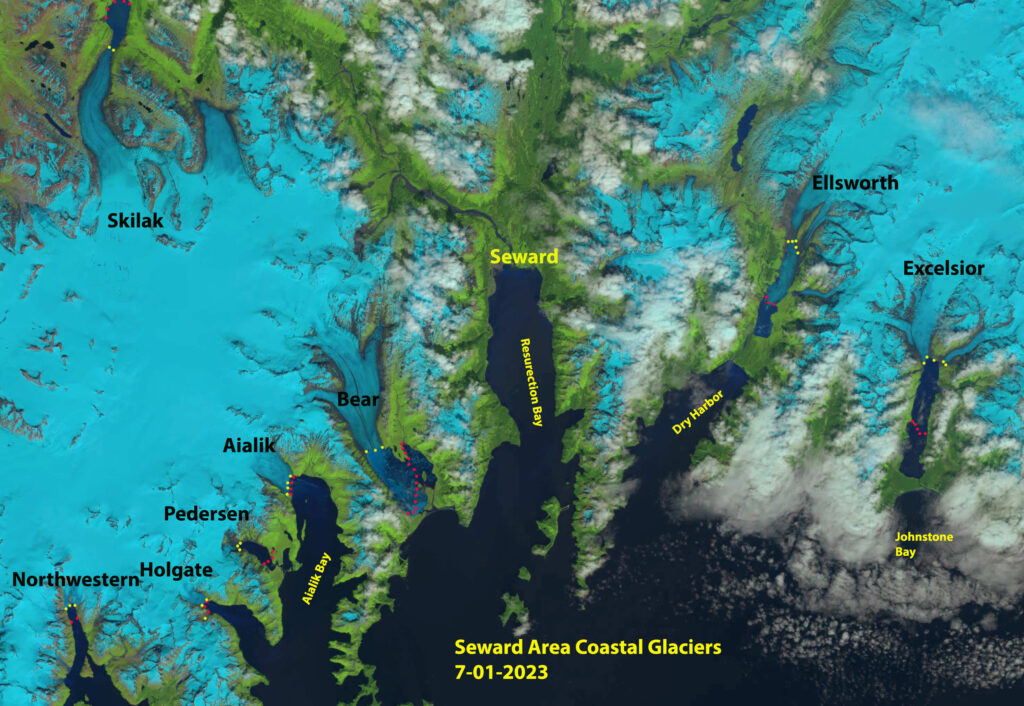
Glaciers are more than just beautiful icy expanses; they are vital freshwater reservoirs. As they recede due to rising global temperatures, the ramifications ripple throughout ecosystems and human communities alike. The melting of glaciers directly contributes to rising sea levels, threatening coastal cities and small island nations. Furthermore, variations in glacier melt can lead to unpredictable water supply issues for agriculture and drinking water, impacting food security and public health on a global scale.
In this context, the increasing recognition of glacier melt is paralleled by the urgency with which people discuss and pronounce the term. Environmental activists and scientists may emphasize the urgency through a more pronounced anglicized intonation, perhaps invoking a deeper emotional resonance. The discrepancy in pronunciation, therefore, becomes a linguistic microcosm representing broader environmental conversations.
The significance of glaciers extends beyond immediate climatological concerns. These frozen giants also serve as historical archives, preserving climatic conditions and environmental changes for millennia. The study of glacial geology provides invaluable data for climate scientists; through ice core sampling, scientists can examine atmospheric conditions from epochs long past. However, as glaciers melt at an unprecedented rate, the loss of this record threatens our understanding of historical climate patterns, potentially sabotaging future predictions and models. This too can influence how we choose to articulate the word “glacier,” depending on whether we perceive it as a relic of the past or a living entity at risk of extinction.
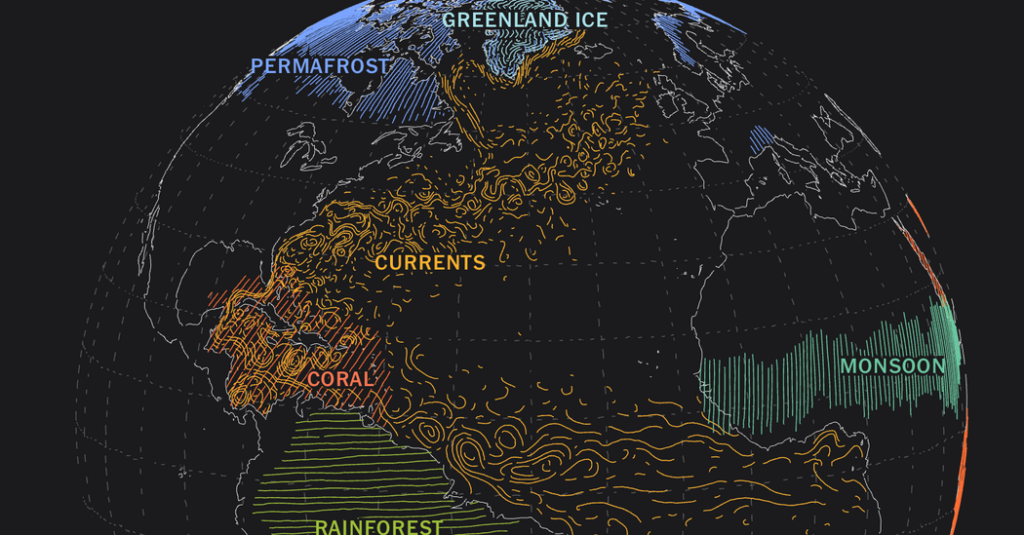
As we consider the impact of climate change on glacier dynamics, it’s essential to address how the melting of these ice masses can lead to melting permafrost, which releases potent greenhouse gases. This cycle of emissions exacerbates global warming, driving the phenomenon of glacier retreat even harder. Herein lies another linguistic evolution as the environmental lexicon expands, necessitating terms that capture new realities—terms like “cryosphere,” “permafrost,” or “glacial rebound” become intertwined with urgency as we attempt to grasp the enormity of the crisis.
The conversation surrounding glaciers and their pronunciation provides a unique avenue for environmental dialogue. It invites us to reflect not merely on the crisis itself but on how language and meaning shift in response to our collective understanding of the planet. Enhanced awareness leads to advocacy, and as more individuals engage with the subject, we may witness shifts in pronunciation as well; language adapts as we become more informed, more connected to the melting masses of ice that loom so large in our current environmental narrative.
In summary, the variations in pronunciation of “glacier” are emblematic of broader themes in language, culture, and environmental urgency. As glaciers melt, creating ripples across seas and societies, they also inspire varied linguistic expressions, uniting disparate communities around a common cause. We must take heed of these vocal intricacies, for they reflect not just our understanding of language, but also our collective consciousness regarding the climate crisis. The glaciers may be melting, but the discourse surrounding their fate is vibrant and alive, continually evolving as we grapple with the realities of our warming world.




Leave a Comment