
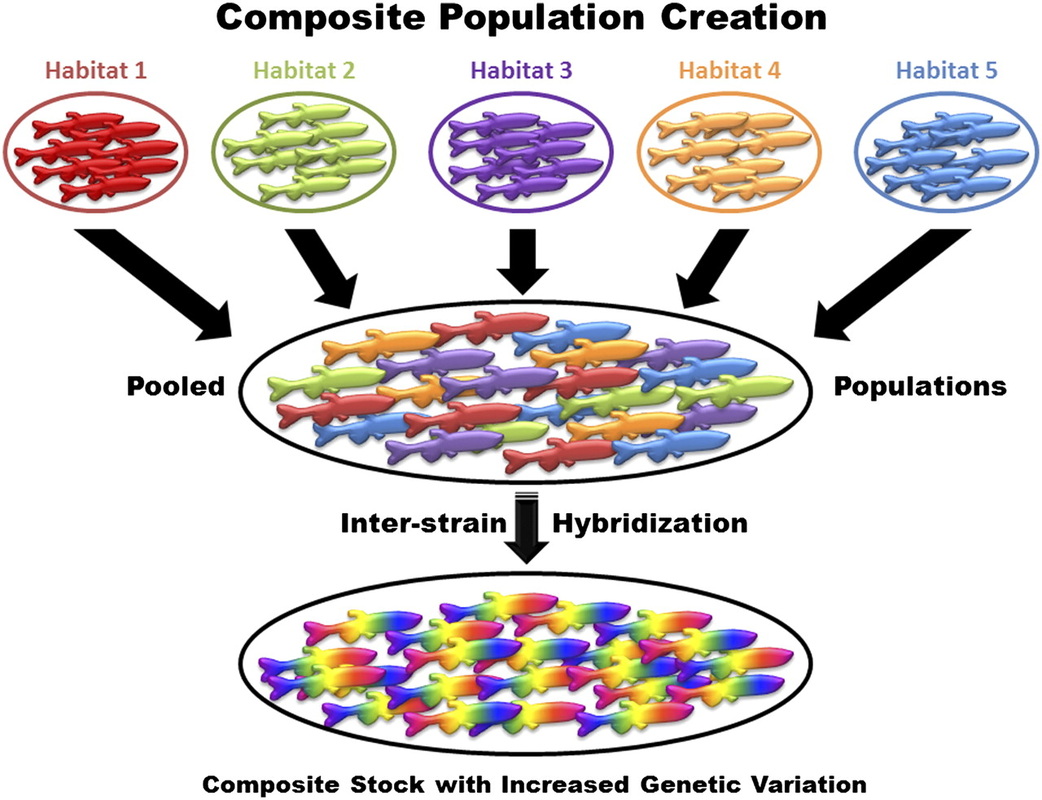
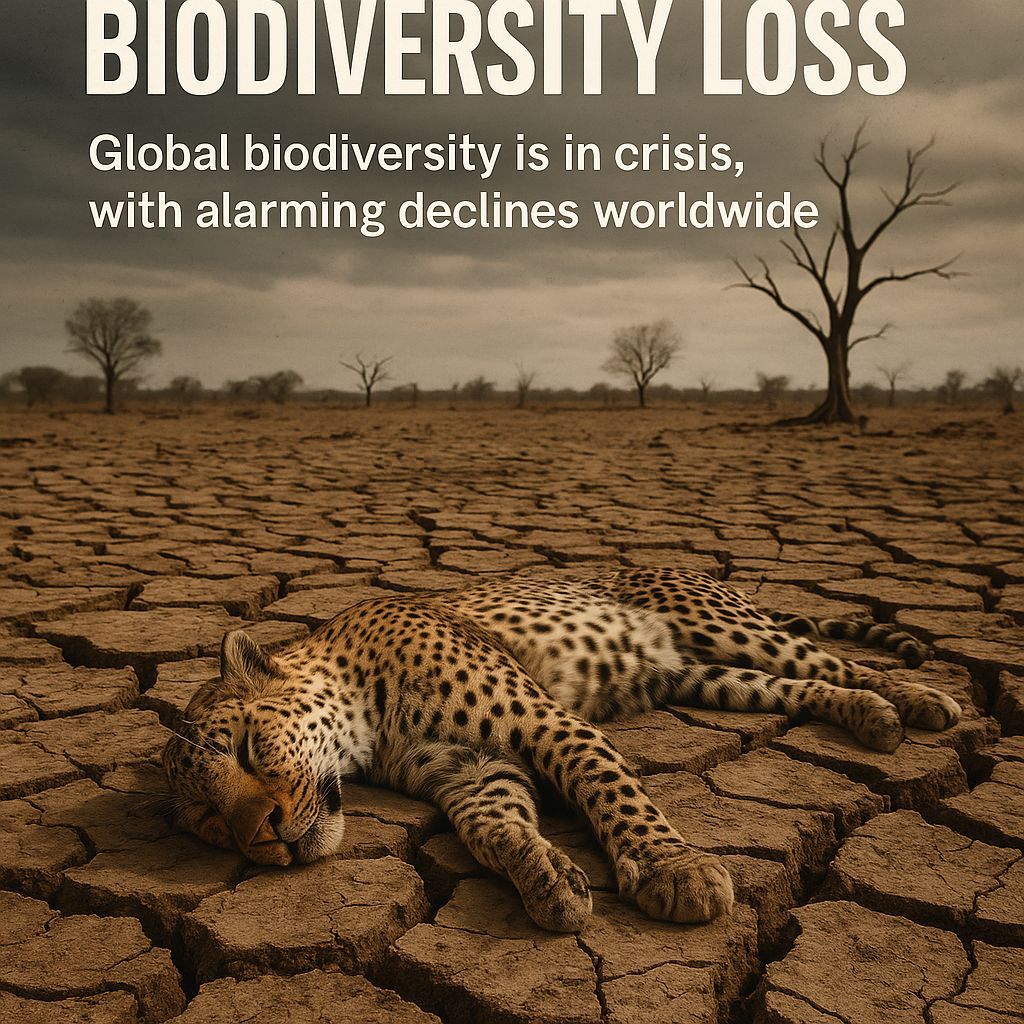
Genetic diversity—the variety of genes within species—is falling worldwide due to habitat loss, intensive agriculture, climate change, and other pressures, threatening ecosystem resilience and human wellbeing.
Quick Answer
Genetic diversity refers to the range of genetic variants present in a population or species. Across the planet, long‑term monitoring shows a measurable reduction in heterozygosity and allele richness, driven mainly by habitat fragmentation, monoculture farming, climate‑induced stress, invasive species, and pollution. The consensus among major assessments (IPBES 2019, FAO 2019) is that this loss reduces the ability of organisms to adapt to new diseases, pests, or environmental change, increasing extinction risk and undermining ecosystem services. While the direction of change is clear, uncertainties remain about the speed of loss in poorly studied taxa and the effectiveness of some restoration measures.
Key Takeaways
- Genetic diversity is a core component of biodiversity that underpins species’ adaptive capacity.
- Habitat loss, intensive monocultures, climate change, invasive species, and pollution are the primary drivers of global decline.
- Reduced genetic variation makes populations more vulnerable to disease, reduces productivity, and can impair ecosystem functions.
- High‑confidence evidence shows an average 6% decline in genetic heterozygosity in wild vertebrates since the 1970s (IPBES 2019).
- Effective solutions combine habitat protection, agrobiodiversity, climate mitigation, and genetic monitoring, but each has trade‑offs.
What Is Genetic Diversity Decline?
Genetic diversity is the variety of DNA sequences that exist within a species, including differences among individuals, populations, and sub‑species. It is measured through metrics such as allelic richness, heterozygosity, and nucleotide diversity. When these metrics fall, a species’ gene pool becomes more uniform, limiting its capacity to evolve in response to new stressors. The term differs from species diversity (the number of different species) and ecosystem diversity (the variety of habitats); it operates at the level of DNA and directly influences fitness, survival, and long‑term evolution.
How Does It Work?
1. Habitat Fragmentation Reduces Gene Flow
When forests, wetlands, or coral reefs are broken into isolated patches, individuals can no longer interbreed across the landscape. The resulting genetic drift and inbreeding lower heterozygosity. Studies of tropical birds show a 10–15% loss of allelic richness in fragmented reserves (IPBES 2019).
2. Monoculture Agriculture Narrows Crop Gene Pools
Modern agriculture often relies on a handful of high‑yielding varieties. Planting millions of hectares with a single genotype eliminates the natural variation that buffers against pests or drought. The FAO reports that over 75% of global wheat production comes from just three varieties, a concentration that heightens vulnerability.
3. Climate Change Alters Selection Pressures
Rising temperatures, altered precipitation, and extreme events shift the environmental optimum for many species. Populations that cannot migrate or adapt quickly may experience selective sweeps that purge genetic variants, reducing overall diversity. Modelled scenarios in the IPCC Sixth Assessment Report suggest a 20% decline in genetic diversity for alpine plants by 2100 under high‑emissions pathways.
4. Invasive Species Displace Native Gene Pools
Non‑native organisms often outcompete or hybridize with natives, leading to genetic swamping. The introduction of the American mink (Neovison vison) in Europe has caused loss of unique mitochondrial lineages in native mustelids.
5. Pollution Causes Mutagenic Stress and Population Declines
Heavy metals, endocrine‑disrupting chemicals, and oil spills can increase mutation rates or lower reproductive success, accelerating loss of rare alleles. A meta‑analysis of aquatic invertebrates found a consistent 5% reduction in heterozygosity in polluted sites (UNEP‑WCMC 2020).
What Does the Evidence Show?
Multiple lines of evidence converge on a pattern of global genetic erosion:
- Long‑term monitoring: The IPBES Global Assessment (2019) synthesised 1,800 population studies and reported an average 6% decline in heterozygosity across vertebrates since the 1970s.
- Genomic surveys: Whole‑genome resequencing of wild rice (Oryza rufipogon) showed a 30% loss of rare alleles after 20 years of habitat conversion in Southeast Asia.
- Experimental studies: Field experiments that artificially reduced population size in butterflies demonstrated rapid loss of genetic variance within three generations.
- Meta‑analyses: A 2021 systematic review of plant genetic diversity across 45 countries found that intensive monoculture reduced allelic richness by up to 40% compared with mixed‑crop systems.
These findings are consistent across taxa, continents, and ecosystems, indicating a pervasive trend rather than isolated incidents.
Main Causes or Drivers
Direct Causes
- Habitat loss and fragmentation (deforestation, urban expansion).
- Intensive monoculture and selective breeding in agriculture.
- Climate‑induced range shifts that isolate populations.
- Invasive species that outcompete or hybridize with natives.
- Environmental pollution that reduces reproductive success.
Underlying Drivers
- Global demand for food, timber, and land.
- Economic incentives favoring high‑yield, low‑diversity crops.
- Insufficient protected‑area networks and weak enforcement.
- Climate policy gaps that allow continued greenhouse‑gas emissions.
- Lack of systematic genetic monitoring in conservation programs.
Environmental and Human Impacts
Environmental Impacts
Reduced genetic diversity weakens ecosystem resilience. Populations with limited genetic options are less able to resist diseases, leading to die‑offs that cascade through food webs. In crop systems, genetic uniformity has contributed to historic famines—most famously the Irish potato blight of the 1840s, which exploited a single genotype.
Human Health and Social Impacts
Many medicines are derived from wild plant genetic resources. Loss of genetic variation narrows the pool of potential pharmaceutical compounds. For Indigenous peoples, declining genetic diversity in culturally important species erodes traditional knowledge and food security.
Economic and Infrastructure Impacts
Agricultural sectors that rely on narrow gene pools face higher risk of total crop failure, threatening livelihoods and national economies. The Food and Agriculture Organization estimates that a 10% loss in crop genetic diversity could reduce global yields by up to 5% under climate stress.
Regional Differences
Patterns of loss vary with land‑use history and climate:
- Temperate Europe: Extensive agricultural intensification has led to sharp declines in wild pollinator genetics.
- Tropical Amazon: Deforestation fragments rainforest habitats, causing measurable drops in heterozygosity for jaguar and macaw populations.
- Sub‑Saharan Africa: Reliance on a few staple crops (maize, sorghum) reduces agrobiodiversity, yet traditional land‑race varieties still preserve pockets of genetic variation.
- Arctic regions: Climate‑driven habitat loss threatens genetically distinct caribou ecotypes, though data are limited.
These examples illustrate that while the direction of decline is global, the magnitude and drivers are context‑specific.
What Scientists Know With High Confidence
- Genetic diversity is essential for species’ adaptive capacity and ecosystem stability.
- Habitat fragmentation and intensive monoculture are the leading direct causes of genetic erosion.
- Long‑term monitoring shows a statistically significant global decline in heterozygosity across vertebrates.
- Loss of genetic diversity increases vulnerability to pests, diseases, and climate extremes.
What Remains Uncertain
Key knowledge gaps include the rate of genetic loss in poorly studied groups such as soil microbes, the long‑term effectiveness of seed banks for restoring wild gene pools, and how emerging threats (e.g., gene‑drive technologies) might interact with existing declines. Better genomic monitoring and standardized reporting are needed to reduce these uncertainties.
Common Misconceptions
Misconception: Genetic diversity only matters for rare species.
Reality: Even common species lose genetic variation when populations become isolated, which can later precipitate declines.
Misconception: Preserving a few individuals in a zoo safeguards genetic diversity.
Reality: Captive breeding often suffers from inbreeding; without careful genetic management, it can accelerate loss rather than preserve diversity.
Misconception: Climate change does not affect genetics, only distribution.
Reality: Changing climates impose new selective pressures that can prune genetic variants, reducing overall diversity.
Solutions and Limitations
Effective responses combine prevention, mitigation, and restoration:
- Protected‑area expansion: Securing larger, connected habitats maintains gene flow, but requires political will and funding.
- Agrobiodiversity promotion: Planting diverse crop varieties and supporting farmer seed banks boosts genetic reservoirs; however, market demand for uniform products can limit adoption.
- Climate mitigation: Reducing greenhouse‑gas emissions slows habitat alteration, yet mitigation alone does not reverse existing genetic loss.
- Invasive‑species management: Early detection and eradication preserve native gene pools, but eradication is costly and sometimes ecologically risky.
- Genetic monitoring programs: Systematic DNA sampling informs management but requires technical capacity and sustained financing.
Each strategy carries trade‑offs: land‑use restrictions may affect livelihoods; intensive monitoring can divert resources from other conservation actions.
What Individuals, Communities, and Governments Can Do
What Individuals Can Do
- Support products that carry agrobiodiversity certifications (e.g., heirloom seed labels).
- Participate in citizen‑science genetics projects that collect tissue samples for monitoring.
- Reduce personal carbon footprints to lessen climate pressure on wild populations.
What Communities and Organizations Can Do
- Establish local seed banks and exchange networks to preserve crop varieties.
- Implement habitat corridors that reconnect fragmented patches.
- Engage in community‑led invasive‑species removal programs.
What Governments Can Do
- Integrate genetic diversity metrics into national biodiversity strategies and reporting (CBD guidelines).
- Provide incentives for farmers to adopt polyculture and traditional varieties.
- Fund long‑term genomic monitoring and open‑access databases.
- Strengthen enforcement of land‑use planning to protect critical genetic reservoirs.
What Businesses and Industries Can Do
- Adopt breeding programs that prioritize genetic resilience alongside yield.
- Invest in research on climate‑resilient gene pools and share results publicly.
- Report genetic‑diversity impacts in sustainability disclosures.
Putting It All Together
The worldwide decline of genetic diversity is a well‑documented, high‑confidence phenomenon driven by habitat loss, monoculture, climate change, invasive species, and pollution. This loss erodes the adaptive capacity of species, threatens ecosystem services, and endangers food security and health. While uncertainties remain—particularly for microorganisms and the long‑term efficacy of ex‑situ conservation—robust evidence points to actionable pathways: protect and reconnect habitats, promote agrobiodiversity, mitigate climate change, manage invasives, and institutionalise genetic monitoring. By aligning individual choices, community initiatives, corporate practices, and government policies, society can slow and, in some cases, reverse the erosion of the genetic fabric that sustains life on Earth.
Frequently Asked Questions
What does genetic diversity mean in simple terms?
Genetic diversity is the range of different DNA sequences found within a species, measured by how many unique genes or alleles exist among individuals. It determines a population’s ability to adapt to new diseases, environmental changes, or other stresses.
Why is genetic diversity important for ecosystems?
High genetic diversity gives species the raw material for evolution, allowing them to survive pests, climate shifts, and other disturbances. This resilience supports stable food webs, pollination, and other ecosystem services essential for human societies.
Which human activities are the biggest drivers of genetic loss?
The main drivers are habitat destruction and fragmentation, intensive monoculture agriculture, climate‑induced range shifts, invasive species introductions, and pollution. These actions reduce population sizes, limit gene flow, and increase inbreeding.
Can planting diverse crop varieties help restore genetic diversity?
Yes. Using a mix of traditional and locally adapted crop varieties preserves a broader gene pool, making agriculture more resilient to pests and climate extremes. However, market demand for uniform produce can limit widespread adoption.
What are the biggest uncertainties about genetic diversity decline?
Key gaps include the rate of loss in under‑studied groups like soil microbes, how effective seed banks are for re‑introducing lost genes, and the long‑term impacts of emerging technologies such as gene drives on existing genetic variation.





Leave a Comment