
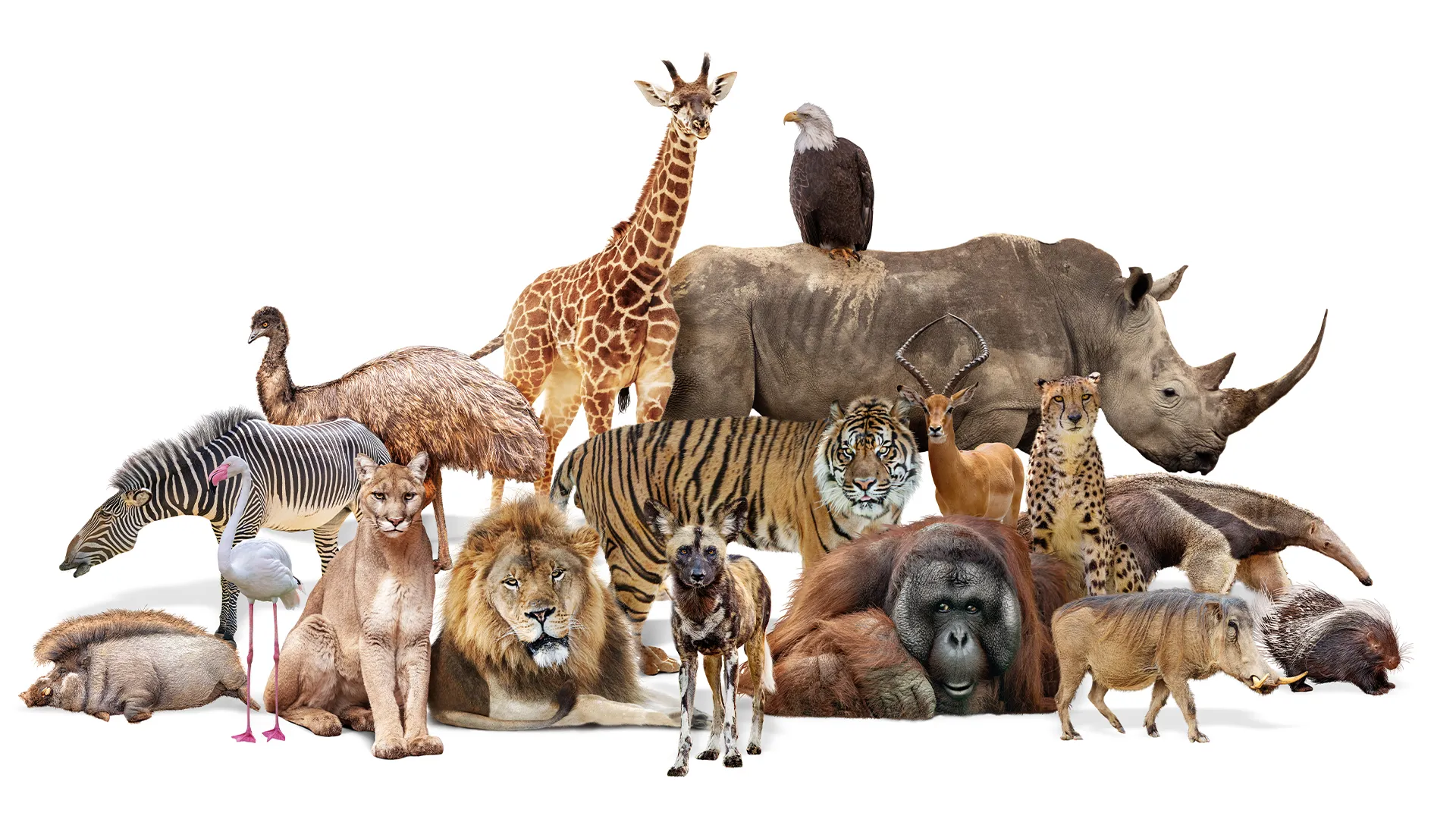
A growing number of animal species face imminent extinction due to habitat loss, poaching, climate change, and other human pressures, threatening ecosystem stability and human well‑being.
Quick Answer
Animals in danger of extinction are those classified by the International Union for Conservation of Nature (IUCN) as Vulnerable, Endangered, or Critically Endangered, meaning their populations have declined sharply and face a high risk of disappearing from the wild. The primary drivers are habitat destruction, illegal wildlife trade, pollution, and climate‑related stressors, which together undermine biodiversity and the ecosystem services on which people depend. While scientific consensus confirms these trends, uncertainties remain about exact future population trajectories for many lesser‑studied species.
Key Takeaways
- The IUCN Red List provides the global standard for assessing extinction risk.
- Habitat loss, poaching, climate change, and invasive species are the dominant drivers of decline.
- Loss of keystone species can trigger cascading effects throughout ecosystems.
- Conservation actions such as protected areas, anti‑poaching patrols, and captive‑breeding have shown measurable success for several species.
- Remaining uncertainties include the long‑term impacts of emerging diseases and climate thresholds for many taxa.
What Is Which Animals Are Currently in Danger of Extinction??
The phrase refers to any animal species that, according to the IUCN Red List, meet the criteria for Vulnerable (VU), Endangered (EN) or Critically Endangered (CR). These categories are based on quantitative thresholds such as a population decline of >30% over ten years (VU), >50% (EN), or >80% (CR), restricted geographic range, or very small population size. The term excludes species that are merely rare or locally extinct but not globally threatened. Understanding which animals are at risk helps prioritize conservation resources and informs policy decisions that protect biodiversity and the ecosystem services on which humans rely.
How Does It Work?
Assessing extinction risk follows a systematic process that integrates field data, population modelling, and threat analysis.
1. Data Collection
Researchers gather information on population size, trends, and distribution through surveys, camera traps, satellite imagery, and citizen‑science programs. For marine species, acoustic monitoring and fisheries catch data are essential.
2. Threat Evaluation
Each identified threat—such as deforestation, over‑harvesting, or disease—is quantified for its impact on survival and reproduction. The IUCN criteria assign weight to threats based on severity and scope.
3. Red List Assessment
Using the collected data, assessors apply the Red List criteria (A–E). Criterion A examines population reduction, B looks at geographic range, C focuses on small population size with decline, D addresses very small or restricted populations, and E uses quantitative extinction‑risk models.
4. Review and Publication
Independent experts review the assessment, and the final status is published on the IUCN Red List database, providing a baseline for conservation planning.
What Does the Evidence Show?
Long‑term monitoring indicates that vertebrate populations have declined by roughly 68% since 1970, according to a 2022 meta‑analysis of 4,400 populations (WWF, 2022). The 2023 IUCN Red List reports over 37,400 species as threatened, with mammals and amphibians showing the highest proportion of CR classifications. Species‑specific case studies—such as the vaquita (CR, fewer than 30 individuals in 2023) and the Amur leopard (EN, ~100 individuals in the wild, IUCN 2023)—demonstrate that targeted anti‑poaching and habitat‑restoration programs can stabilize or increase numbers when sustained over multiple years.
Main Causes or Drivers
Direct Causes
- Habitat loss: Deforestation, urban expansion, and agricultural conversion remove critical breeding and foraging grounds.
- Illegal wildlife trade: Poaching for meat, pet trade, and traditional medicines drives rapid declines in many mammals and birds.
- Pollution: Plastic ingestion, oil spills, and heavy‑metal contamination affect marine turtles, seabirds, and freshwater fish.
- Climate change: Rising temperatures and altered precipitation patterns shift habitats, especially for amphibians and high‑altitude species.
- Invasive species: Non‑native predators and competitors, such as rats on island ecosystems, decimate ground‑nesting birds and reptiles.
Underlying Drivers
- Economic demand for land and wildlife products.
- Weak governance and insufficient law enforcement.
- Global supply chains that disconnect consumers from the ecological impacts of their purchases.
Environmental and Human Impacts
Environmental Impacts
Loss of apex predators like the Amur leopard can cause mesopredator release, leading to over‑grazing and reduced plant diversity. Declines in pollinators such as certain bird species affect crop yields, while the disappearance of seed‑dispersing mammals hampers forest regeneration.
Human Health and Social Impacts
Reduced biodiversity can increase disease transmission, as exemplified by the dilution effect where diverse wildlife communities lower the prevalence of zoonotic pathogens. Cultural identities tied to iconic species—e.g., the kakapo for Māori heritage—are also at risk.
Economic Impacts
Ecotourism revenue depends on charismatic wildlife; the loss of species like the bluefin tuna has already reduced fisheries income in the Mediterranean by an estimated 30% (FAO, 2021).
Regional Differences
In tropical regions, deforestation for palm oil and soy drives the highest rates of mammal and amphibian loss, while in temperate zones, climate‑induced range shifts are more pronounced for birds and insects. Island ecosystems, such as New Zealand, experience disproportionate impacts from invasive predators, leading to rapid bird extinctions.
What Scientists Know With High Confidence
- Habitat destruction is the leading cause of species endangerment worldwide (IUCN, 2023).
- Climate change is already altering the distribution of many taxa, especially amphibians and polar mammals.
- Effective protected areas and anti‑poaching patrols can halt or reverse declines for certain species.
- Loss of biodiversity reduces ecosystem resilience and the provision of services such as pollination and carbon storage.
What Remains Uncertain
Key knowledge gaps include the full extent of cryptic species that may be at risk, the long‑term effects of emerging infectious diseases like chytridiomycosis on amphibian populations, and the precise climate thresholds that trigger irreversible habitat loss for high‑altitude species. Improved global monitoring and genomic surveys are needed to reduce these uncertainties.
Common Misconceptions
Misconception: “Only rare or exotic animals are endangered.”
Reality: Many common‑sounding species, such as the North American bison or certain freshwater fish, are listed as Vulnerable or Endangered due to historic over‑exploitation and habitat fragmentation.
Misconception: “If a species is listed as Endangered, it will go extinct soon.”
Reality: The Endangered category indicates a very high risk of extinction, but effective conservation can stabilize or increase populations, as seen with the California condor’s recovery after intensive management.
Misconception: “Climate change only affects polar bears.”
Reality: Climate impacts are global; coral‑dependent species, high‑elevation amphibians, and migratory birds all experience range shifts and reproductive failures linked to temperature and precipitation changes.
Solutions and Limitations
Conservation strategies fall into several categories, each with strengths and trade‑offs.
- Protected Areas: Designating land and marine reserves safeguards habitats, but effectiveness depends on adequate funding, enforcement, and connectivity between sites.
- Anti‑Poaching Initiatives: Ranger patrols and community‑based monitoring reduce illegal harvest, yet they require sustained political will and can be vulnerable to corruption.
- Habitat Restoration: Reforestation and wetland rehabilitation improve ecosystem function, but restored habitats may not fully replicate the complexity of original ecosystems for specialist species.
- Captive Breeding and Reintroduction: Programs for the kakapo and California condor have boosted numbers, but they are costly, labor‑intensive, and success varies with post‑release survival.
- Policy Measures: International agreements such as CITES regulate trade, yet enforcement gaps remain, especially in regions with limited resources.
What Individuals, Communities, and Governments Can Do
What Individuals Can Do
- Choose sustainably sourced seafood and avoid products linked to habitat destruction (e.g., palm‑oil free).
- Support reputable conservation NGOs that fund protected‑area management.
- Participate in citizen‑science projects that track local wildlife.
What Communities and Organizations Can Do
- Develop community‑led monitoring and rapid‑response teams to deter poaching.
- Implement land‑use plans that balance development with ecological corridors.
- Promote eco‑tourism that provides economic incentives for preserving wildlife.
What Governments Can Do
- Strengthen and fund enforcement of existing wildlife protection laws.
- Expand and connect protected‑area networks to ensure ecological connectivity.
- Integrate biodiversity considerations into climate‑adaptation planning, such as protecting climate refugia.
- Invest in long‑term biodiversity monitoring programs to fill data gaps.
Closing Synthesis
The animals currently facing extinction represent a clear signal that human activities are reshaping life on Earth. Robust evidence links habitat loss, illegal trade, pollution, and climate change to rapid population declines across taxa. While high‑confidence findings highlight the urgency, uncertainties about disease dynamics and climate thresholds remind us that knowledge gaps persist. Proven solutions—protected areas, anti‑poaching, and restoration—offer pathways forward, but each carries limitations that require adequate funding, governance, and community involvement. By aligning individual choices, local actions, and national policies with the best available science, we can reduce the risk of losing these irreplaceable species and preserve the ecosystem services essential for humanity’s future.
Frequently Asked Questions
What does it mean when a species is listed as Critically Endangered?
A Critically Endangered (CR) listing on the IUCN Red List means the species faces an extremely high risk of extinction in the wild, typically because its population has declined by more than 80% over the last ten years or its numbers are fewer than 250 mature individuals.
Which human activities are the biggest drivers of animal endangerment?
Habitat destruction, illegal wildlife trade, pollution, and climate change are the primary human drivers that push species into Vulnerable, Endangered, or Critically Endangered categories.
Can protected areas stop species from going extinct?
Protected areas can significantly reduce extinction risk by safeguarding critical habitats, but their success depends on adequate funding, effective enforcement, and ecological connectivity with other habitats.
How does climate change specifically affect amphibians?
Amphibians are highly sensitive to temperature and moisture changes; climate‑related shifts can disrupt breeding cycles, increase disease prevalence, and shrink suitable habitat, leading to rapid population declines.
What practical steps can individuals take to help endangered animals?
Individuals can choose sustainably sourced products, support reputable conservation NGOs, and join citizen‑science projects that monitor local wildlife, all of which contribute to reducing pressures on endangered species.








Leave a Comment