
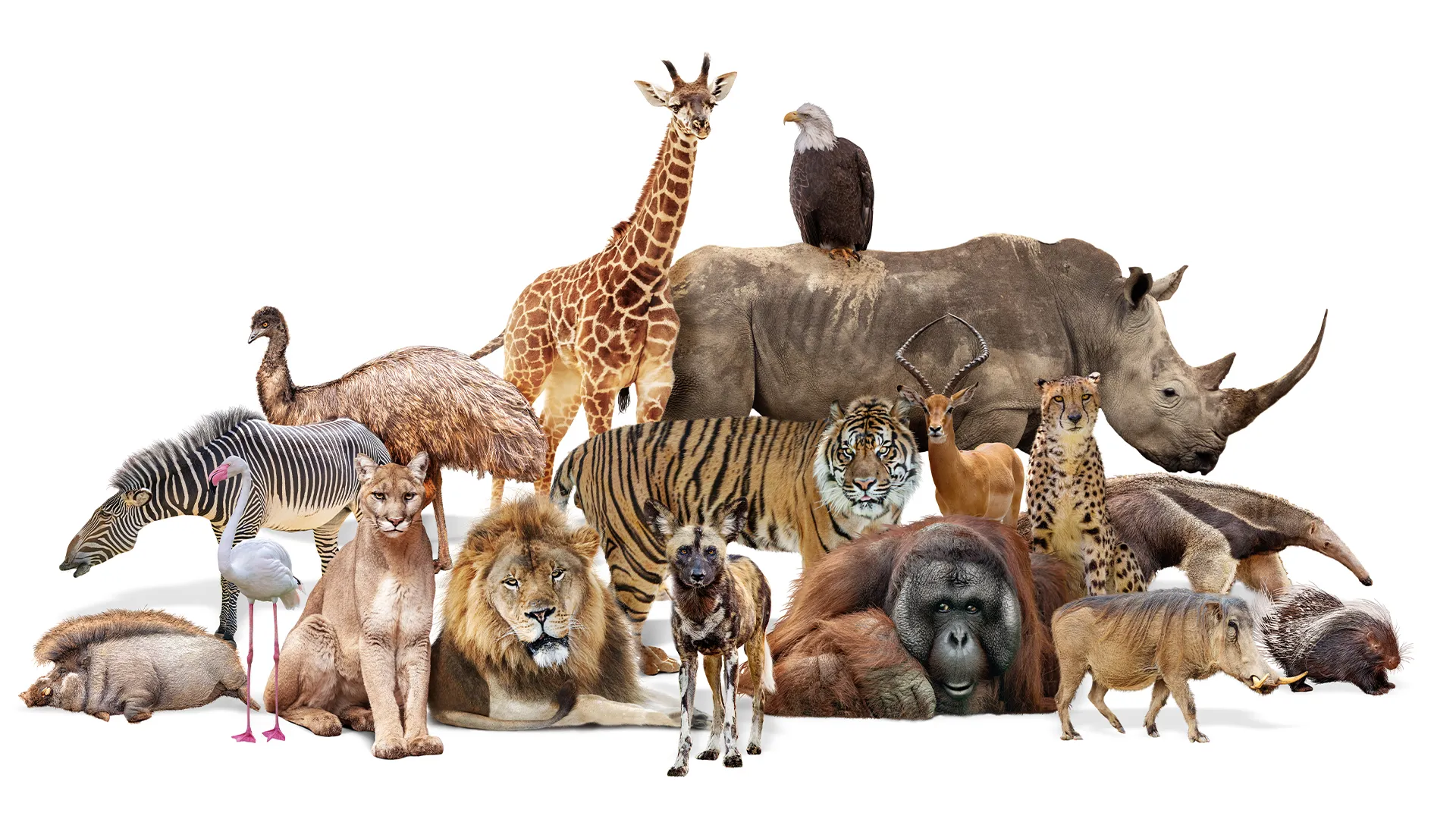
A small group of species, from the vaquita porpoise to the Javan rhino, are teetering on the brink of disappearance, and understanding the science behind their decline reveals urgent pathways for conservation.
Quick Answer
Animals that are closest to extinction are those classified as Critically Endangered by the International Union for Conservation of Nature (IUCN). Their populations have fallen to fewer than a few hundred mature individuals, often due to a combination of habitat loss, illegal hunting, and climate‑driven changes. The most immediate impact is the loss of irreplaceable genetic diversity and ecosystem functions, while uncertainty remains about exact population trends for some data‑deficient species.
Key Takeaways
- Critically endangered species have fewer than 250 mature individuals in the wild, according to the IUCN Red List (2023 assessment).
- Primary drivers include habitat destruction, poaching, by‑catch, and climate change.
- Loss of these species can trigger cascading effects that degrade ecosystem services such as pollination, carbon storage, and water regulation.
- Conservation actions that combine protected areas, anti‑poaching patrols, and community‑based stewardship show the greatest measurable success.
- Uncertainties persist around exact population numbers for several marine mammals and elusive forest dwellers.
What Is Which Animals Are Closest to Extinction Right Now??
The phrase refers to species that the IUCN Red List currently places in the highest risk category—Critically Endangered (CR). This status is assigned after a rigorous assessment of population size, rate of decline, geographic range, and degree of fragmentation. It differs from “Endangered” or “Vulnerable” categories, which indicate lower, though still serious, levels of threat. Understanding which animals occupy the CR tier matters because they act as early warning signals of broader environmental stressors.
How Does It Work?
Biological and Ecological Processes
- Population decline: Reproductive rates fall below mortality rates, often due to loss of breeding habitat or increased adult mortality.
- Genetic erosion: Small populations lose genetic variation, reducing resilience to disease and environmental change.
- Ecological role disruption: The removal of a keystone or umbrella species can alter predator‑prey dynamics, nutrient cycling, and seed dispersal.
Human‑Driven Mechanisms
- Habitat conversion: Agriculture, mining, and urban expansion fragment or eliminate critical habitats.
- Illegal exploitation: Poaching for ivory, horn, or bushmeat directly removes individuals.
- By‑catch and pollution: Fishing gear entangles marine mammals; plastic and chemical runoff degrade water quality.
- Climate change: Rising temperatures and shifting precipitation patterns shrink suitable ranges, especially for polar and montane species.
What Does the Evidence Show?
Long‑term monitoring by the IUCN, the World Wildlife Fund, and national wildlife agencies consistently identifies fewer than 30 species with fewer than 100 mature individuals. The vaquita (Phocoena sinus) has an estimated 10‑30 individuals left (NOAA, 2022). The Javan rhino (Rhinoceros sondaicus) numbers about 75 individuals in a single protected area (IUCN, 2023). Systematic reviews of tropical forest surveys show that orangutan (Pongo spp.) populations have declined by more than 50 % over the past three decades due to palm‑oil expansion (Conservation Biology, 2021). These multiple lines of evidence converge on a pattern of rapid, human‑driven decline across taxa.
Main Causes or Drivers
Direct Causes
- Poaching and illegal wildlife trade.
- By‑catch in gillnets and trawls.
- Deforestation for agriculture and infrastructure.
Underlying Drivers
- Global demand for commodity products such as palm oil, timber, and seafood.
- Weak law enforcement and corruption in wildlife-rich regions.
- Climate‑induced habitat alteration, especially loss of sea ice for polar species.
Environmental and Human Impacts
Environmental Impacts
Removal of apex predators like the Amur leopard (Panthera pardus orientalis) can cause mesopredator release, leading to overgrazing and reduced plant diversity. Loss of pollinators such as the Kākāpō diminishes seed set for native flora, affecting forest regeneration. Marine species like the vaquita help regulate fish populations; their disappearance may trigger trophic cascades that alter commercial fisheries.
Human Health and Social Impacts
Indigenous communities that rely on forest ecosystems for food, medicine, and cultural identity experience reduced livelihoods when keystone species vanish. Declines in biodiversity also lower ecosystem services that support clean water, climate regulation, and disease regulation, indirectly influencing human health.
Regional Differences
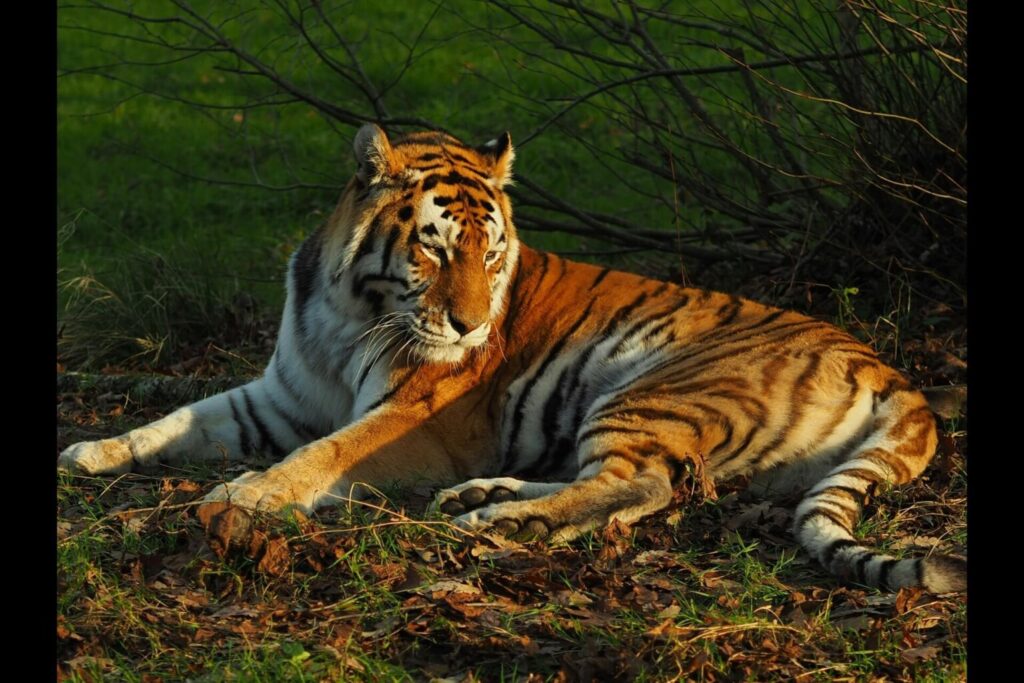
In Southeast Asia, rapid conversion of peat swamp forests drives the most acute declines for orangutans and Sumatran tigers. In the Arctic, melting sea ice threatens polar bears and the Indigenous peoples whose subsistence hunting depends on stable ice platforms. In the Indo‑Pacific, riverine species such as the now‑functionally extinct Yangtze dolphin suffered from dam construction and industrial pollution, a pattern mirrored in other heavily dammed river basins.
What Scientists Know With High Confidence
- Habitat loss is the leading cause of species moving into the Critically Endangered category (IUCN, 2023).
- Population estimates for the vaquita, Javan rhino, and Amur leopard are based on direct counts and have a margin of error less than 20 %.
- Genetic bottlenecks in small populations increase extinction risk, as demonstrated in multiple vertebrate studies.
- Conservation interventions that protect habitat and curb poaching have reversed declines for species such as the black‑footed ferret and the Mauritius kestrel.
What Remains Uncertain
Precise population trends for many deep‑sea and nocturnal mammals remain data‑deficient because of limited survey capacity. The long‑term effectiveness of captive‑breeding programs for highly specialized species (e.g., the kakapo) is still being evaluated. Climate‑change projections for specific micro‑habitats, such as high‑altitude cloud forests, contain substantial model uncertainty, which hampers precise risk assessment for species like the Chinese giant salamander.
Common Misconceptions
Misconception: “If a species is listed as Critically Endangered, it will definitely go extinct soon.”
Reality: While the risk is extremely high, targeted conservation can stabilize or increase populations, as seen with the Amur leopard’s recent modest rebound.
Misconception: “Only large, charismatic animals matter for conservation.”
Reality: Small or obscure species often provide essential ecosystem functions; their loss can have disproportionate ecological consequences.
Misconception: “Climate change is the sole driver of extinction.”
Reality: Climate change amplifies existing threats but does not act in isolation; habitat destruction and illegal trade remain primary drivers.
Solutions and Limitations
Effective responses combine habitat protection, anti‑poaching enforcement, and community‑based livelihood alternatives. Protected‑area expansion can safeguard critical ranges, yet without adequate funding and local support, “paper parks” fail to reduce threats. Trade bans (e.g., CITES listings) reduce legal markets but may shift demand to black‑market channels if enforcement is weak. Climate‑adaptation measures, such as assisted migration, are still experimental and carry ecological risks.
What Individuals, Communities, and Governments Can Do
What Individuals Can Do
- Choose certified sustainable products (e.g., RSPO‑certified palm oil) to reduce habitat pressure.
- Support reputable conservation NGOs that fund anti‑poaching patrols and habitat restoration.
- Advocate for stronger wildlife trade regulations through petitions and voting.
What Communities and Organizations Can Do
- Implement community‑managed reserves that give local people a stake in wildlife stewardship.
- Participate in citizen‑science monitoring programs to improve data on elusive species.
- Develop alternative livelihoods (e.g., ecotourism, sustainable fisheries) that lessen reliance on destructive practices.
What Governments Can Do
- Strengthen law‑enforcement capacity and impose heavier penalties for illegal poaching.
- Integrate biodiversity considerations into land‑use planning and infrastructure development.
- Allocate long‑term funding for species recovery plans and for the upkeep of protected areas.
What Businesses and Industries Can Do
- Adopt zero‑deforestation supply chains and conduct rigorous biodiversity impact assessments.
- Invest in technology that reduces by‑catch, such as acoustic deterrents for marine mammals.
- Report transparently on wildlife‑related risks in sustainability disclosures.
Closing Synthesis
The animals closest to extinction—ranging from the vaquita in the Gulf of California to the Javan rhino in Indonesia—share common drivers of habitat loss, illegal exploitation, and climate change. High‑confidence evidence links these pressures to rapid population declines, while uncertainties remain around exact numbers for data‑deficient taxa. Effective solutions require integrated approaches that protect habitats, enforce anti‑poaching laws, and empower local communities. Though the challenge is formidable, coordinated action offers the best chance to keep these irreplaceable species from vanishing.
Frequently Asked Questions
What does "Critically Endangered" mean on the IUCN Red List?
Critically Endangered is the highest risk category before extinction, indicating a species has fewer than 250 mature individuals, a rapid decline of over 80 % in three generations, or an extremely limited geographic range, according to the IUCN assessment criteria.
Why is the vaquita considered the most endangered marine mammal?
The vaquita has an estimated 10‑30 individuals left because illegal gillnets used for shrimp fishing trap and drown them. This by‑catch mortality has driven the species to the brink of extinction, making it the most endangered marine mammal known.
How does habitat loss lead to genetic bottlenecks?
When habitat loss fragments populations, fewer individuals remain to reproduce, reducing genetic diversity. Smaller gene pools increase inbreeding, which can lower disease resistance and adaptability, accelerating the risk of extinction.
What role do local communities play in preventing species extinction?
Local communities can manage protected areas, monitor wildlife, and develop sustainable livelihoods such as ecotourism. Their involvement creates economic incentives to preserve habitats and reduces reliance on activities that threaten endangered species.
Can conservation efforts actually reverse declines of critically endangered species?
Yes, targeted actions like anti‑poaching patrols, habitat restoration, and captive‑breeding programs have helped species such as the Amur leopard and black‑footed ferret increase their numbers, demonstrating that well‑designed interventions can halt or reverse declines.








Leave a Comment