
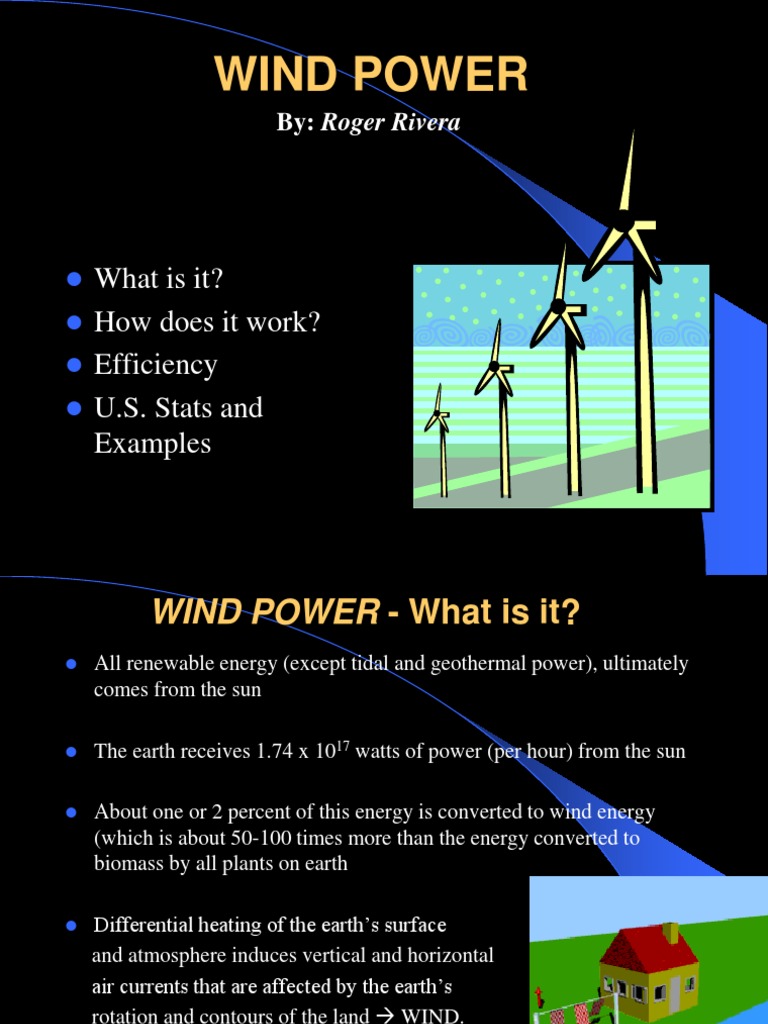
Wind power converts the kinetic energy of moving air into electricity using turbines, offering a low‑carbon energy source that can help mitigate climate change while presenting technical and social challenges.
Quick Answer
Wind power is the generation of electricity from the kinetic energy of wind. Turbines capture airflow with large blades, converting mechanical rotation into electrical current via a generator. The technology is proven, scales from small rooftop units to utility‑scale farms, and can displace fossil‑fuel electricity, reducing greenhouse‑gas emissions. Because wind varies in time and space, integration with storage or complementary generation is needed, and uncertainties remain about long‑term ecological impacts and optimal siting.
Key Takeaways
- Wind turbines transform air motion into electricity without burning fuel.
- Global wind capacity reached about 1 terawatt in 2022, according to the International Energy Agency.
- Wind energy avoids roughly 1.5 gigatonnes of CO₂ emissions per year when it replaces coal power.
- Intermittency requires storage, grid upgrades, or hybrid systems.
- Environmental trade‑offs include land use, wildlife interactions, and visual impacts.
What Is Wind Power? A Simple Explanation?
Wind power refers to the process of harvesting the kinetic energy inherent in moving air and converting it into usable electrical energy. It encompasses a range of technologies, from small‑scale residential turbines to large offshore wind farms, but the core principle remains the same: air flows past a rotor, the rotor turns, and a generator produces electricity. The term is distinct from “wind energy” used colloquially to describe any benefit derived from wind, such as sailing or natural ventilation.
How Does It Work?
Physical conversion
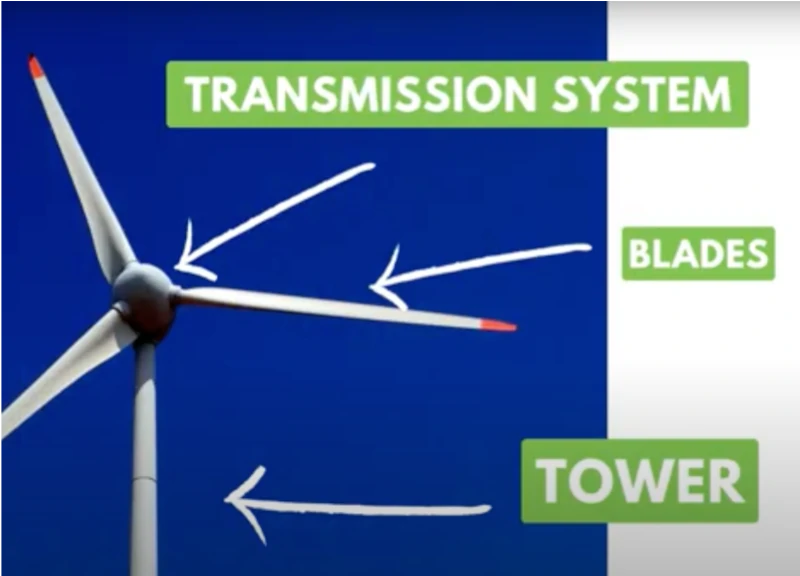
When wind strikes a turbine blade, the pressure difference creates lift, causing the blade to rotate. This rotation drives a low‑speed shaft connected to a gearbox that steps up the speed for a high‑speed shaft attached to an electrical generator. The generator uses electromagnetic induction—moving conductors within a magnetic field—to produce alternating current, which is then conditioned for the grid.
Control and optimization
Modern turbines incorporate pitch control (adjusting blade angle) and yaw mechanisms (orienting the rotor toward the wind) to maximize power capture and protect the machine during extreme gusts. Power output follows the cubic relationship P ∝ v³, where v is wind speed, meaning small increases in wind speed yield large gains in electricity.
Grid integration
Electricity from wind farms is transmitted via substations to the broader power grid. Because wind is variable, operators use forecasting, demand‑response, battery storage, or complementary generation (e.g., solar, hydro) to maintain reliability.
What Does the Evidence Show?
Long‑term monitoring by national agencies such as the U.S. Energy Information Administration and the European Network of Transmission System Operators for Electricity demonstrates that wind farms consistently produce electricity at capacity factors between 30 % and 45 % in on‑shore locations and up to 55 % offshore (IEA, 2022). Life‑cycle assessments indicate that the median carbon intensity of wind electricity is 10–20 g CO₂‑eq kWh⁻¹, far lower than coal (≈820 g CO₂‑eq kWh⁻¹) or natural gas (≈450 g CO₂‑eq kWh⁻¹) (IPCC, 2021). Studies of wildlife interactions show modest bird and bat mortality rates, which can be mitigated through siting, turbine design, and operational curtailment (U.S. Fish & Wildlife Service, 2020).
Main Causes or Drivers
Climate mitigation policies
National commitments under the Paris Agreement and renewable‑energy targets drive investment in wind power as a low‑carbon electricity source.
Technological advances
Improvements in blade aerodynamics, taller tower designs, and offshore floating platforms have expanded viable sites and reduced levelized cost of electricity (LCOE) to below $40 MWh in many regions (IEA, 2022).
Economic incentives
Tax credits, feed‑in tariffs, and renewable portfolio standards create market certainty, encouraging private sector development.
Environmental and Human Impacts
Environmental Impacts
Wind power displaces fossil‑fuel generation, directly reducing air pollutants (SO₂, NOₓ, particulate matter) and associated health burdens. Land use is relatively low; turbines occupy a small footprint, allowing agriculture or grazing beneath. However, turbine blades can pose collision risks for birds and bats, especially in migratory corridors. Noise and visual impacts are localized and subject to community standards.
Human Health and Social Impacts
By lowering emissions, wind energy contributes to improved air quality, which the World Health Organization links to reduced respiratory and cardiovascular disease. Communities may experience economic benefits through job creation and tax revenues, yet some residents express concerns about noise, shadow flicker, or cultural landscape changes. Transparent stakeholder engagement mitigates opposition.
Economic and Infrastructure Impacts
Construction creates short‑term employment; operation and maintenance provide long‑term skilled jobs. Grid upgrades are required to transport electricity from often remote, windy sites to demand centers, representing a capital cost that must be planned.
Regional Differences
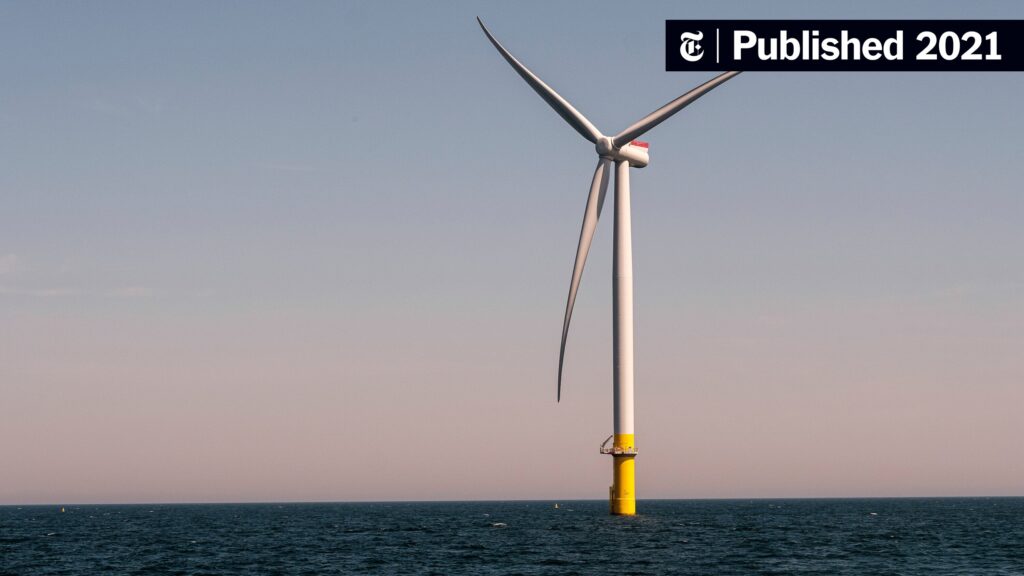
Wind resources vary with geography. Coastal and offshore regions (e.g., North Sea, Gulf of Mexico) experience higher, steadier winds, supporting large‑scale farms. Inland plains such as the U.S. Midwest and the Great Plains also host extensive on‑shore capacity. In arid or mountainous areas, terrain can both enhance and hinder wind flow, requiring site‑specific wind‑resource assessments. Developing countries may face financing and grid‑integration challenges, while some high‑income nations have mature markets and supportive policies.
What Scientists Know With High Confidence
- Wind turbines convert kinetic wind energy into electricity with well‑understood physics.
- Replacing fossil‑fuel generation with wind reduces CO₂ emissions and air pollutants.
- Modern turbines can achieve capacity factors above 30 % on‑shore and 50 % offshore.
- Life‑cycle greenhouse‑gas emissions of wind power are among the lowest of all energy sources.
What Remains Uncertain
Key uncertainties include the long‑term cumulative impacts on bat and bird populations across diverse ecosystems, the optimal mix of storage technologies needed for high penetrations of wind, and the socio‑economic outcomes of large‑scale deployment in low‑income regions where financing mechanisms differ.
Common Misconceptions
Misconception: Wind turbines generate electricity continuously.
Reality: Wind is variable; turbines produce power only when wind speeds are within operational limits, typically 3–25 m s⁻¹.
Misconception: Wind farms are major contributors to climate change.
Reality: Life‑cycle analyses show wind electricity has a carbon intensity an order of magnitude lower than coal or gas.
Misconception: Wind turbines cause significant health problems from noise.
Reality: Peer‑reviewed studies indicate that modern turbines meet noise standards that are unlikely to cause adverse health effects for most people.
Misconception: Wind power can replace all fossil fuel use without any other measures.
Reality: High shares of wind require complementary resources—storage, demand response, or other renewables—to ensure firm power supply.
Solutions and Limitations
Key response strategies include expanding offshore wind to access stronger, less turbulent winds; integrating battery storage and pumped hydro to smooth variability; employing advanced forecasting to improve grid dispatch; and implementing wildlife‑friendly turbine designs. Limitations involve high upfront capital costs, the need for transmission infrastructure, and potential ecological trade‑offs that require careful siting and monitoring.
What Individuals, Communities, and Governments Can Do
What Individuals Can Do
Support policies that promote renewable energy, choose green electricity tariffs where available, and participate in community wind projects or cooperative ownership schemes.
What Communities and Organizations Can Do
Conduct local wind‑resource assessments, engage stakeholders early, and develop land‑use plans that balance wind development with biodiversity and cultural values.
What Governments Can Do
Set clear renewable‑energy targets, provide stable financial incentives, streamline permitting processes, fund research on storage and grid integration, and enforce environmental monitoring to mitigate wildlife impacts.
Closing Synthesis
Wind power harnesses the natural movement of air to generate low‑carbon electricity, offering a proven tool for climate mitigation. The physics are well understood, and extensive monitoring confirms substantial emissions reductions. Uncertainties remain around ecosystem interactions and the best pathways for high‑penetration integration, but ongoing research and policy support are narrowing these gaps. By combining technological advancement, thoughtful siting, and coordinated actions across individuals, communities, and governments, wind energy can continue to grow as a cornerstone of a sustainable energy system.
Frequently Asked Questions
How does a wind turbine generate electricity?
A wind turbine captures airflow with its blades, which rotate a shaft connected to a generator. The generator uses electromagnetic induction to convert the mechanical rotation into electrical current that can be fed into the power grid.
What are the main environmental benefits of wind power?
Wind power produces electricity without burning fuel, so it avoids greenhouse‑gas emissions and air pollutants like sulfur dioxide and nitrogen oxides. Life‑cycle analyses show wind electricity has one of the lowest carbon intensities among energy sources.
Why is wind energy considered intermittent, and how is this managed?
Wind speed varies over time, so turbines generate power only when wind is within a certain range. Grid operators manage this intermittency with forecasting, energy storage, demand‑response programs, and complementary renewable sources such as solar or hydro.
Do wind turbines harm wildlife?
Turbines can cause bird and bat collisions, especially in migration corridors. However, studies show that mortality rates are modest and can be reduced through careful site selection, turbine design, and operational curtailment during peak activity periods.
What actions can individuals take to support wind power?
Individuals can support wind energy by choosing green electricity tariffs, backing policies that promote renewables, and participating in community or cooperative wind projects that allow local ownership of turbines.





Leave a Comment