
Climate resilience is the ability of communities, ecosystems, and economies to absorb, adapt to, and recover from climate‑related stresses while seizing opportunities for a more sustainable future.
\n\n
Quick Answer
\n
Climate resilience describes the capacity of natural and human systems to withstand and bounce back from climate impacts such as heatwaves, floods, or sea‑level rise. It involves three linked dimensions—environmental, social, and economic—that together determine how well a system can adapt and thrive. Scientific assessments, including the IPCC Sixth Assessment Report (2021), find that resilient societies reduce damage, protect livelihoods, and lower long‑term costs, though exact outcomes depend on local conditions and governance.
\n
\n\n
Key Takeaways
\n
- \n
- Resilience integrates environmental health, social cohesion, and economic stability.
- Evidence from long‑term monitoring shows that resilient ecosystems buffer extreme events.
- Building resilience requires both nature‑based solutions (e.g., wetlands) and engineered measures.
- Equity matters: vulnerable groups experience higher climate risk and need targeted support.
- Action at individual, community, and policy levels can collectively strengthen resilience.
\n
\n
\n
\n
\n
\n
\n\n
What Is Climate Resilience and Why Does It Matter Now?
\n
At its core, climate resilience is the capacity of a system—whether a coastal wetland, a city, or a national economy—to absorb climate‑driven shocks, adapt to new conditions, and recover without losing essential functions. Unlike climate mitigation, which aims to reduce greenhouse‑gas emissions, resilience focuses on coping with the changes that are already occurring or unavoidable in the near term. The urgency stems from the accelerating frequency of extreme weather, documented by NOAA’s U.S. Climate Extremes Index, which shows a marked rise in heatwaves, heavy precipitation, and droughts since the 1950s.
\n\n
How Does It Work?
\n
1. Exposure Assessment
\n
First, scientists map the degree to which a community or ecosystem is exposed to climate hazards—temperature rise, sea‑level increase, or storm intensity. Exposure maps combine climate model projections (e.g., CMIP6 scenarios) with local topography and land‑use data.
\n
2. Sensitivity Evaluation
\n
Sensitivity gauges how strongly a system reacts to a given exposure. For a low‑lying island, a modest sea‑level rise may trigger flooding of critical infrastructure, indicating high sensitivity. For a forest with diverse species, the same rise may have limited immediate impact.
\n
3. Adaptive Capacity
\n
Adaptive capacity reflects the ability to adjust, such as through early‑warning systems, diversified livelihoods, or robust governance. Higher adaptive capacity can offset high exposure and sensitivity.
\n
4. Response and Recovery
\n
Effective response—e.g., evacuation, emergency shelters, or rapid repair of damaged roads—reduces immediate losses, while recovery actions (restoring mangroves, retrofitting buildings) rebuild long‑term functionality.
\n\n
What Does the Evidence Show?
\n
Multiple lines of evidence confirm that resilient ecosystems reduce disaster impacts. A meta‑analysis of 87 studies (Nature Climate Change, 2020) found that wetlands cut flood damage by up to 30 % compared with hard‑engineered levees alone. Long‑term observations in the Netherlands indicate that adaptive water‑management policies have limited flood‑related economic losses by roughly 25 % over the past three decades (World Bank, 2022). Urban heat‑island mitigation through tree canopy expansion has been linked to a 0.5 °C reduction in summer temperatures in several U.S. cities, according to a 2019 EPA analysis.
\n\n
Main Causes or Drivers
\n
Direct Climate Drivers
\n
- \n
- Increasing atmospheric CO₂ concentrations, driving global temperature rise (IPCC, 2021).
- Sea‑level rise from thermal expansion and melting ice sheets.
- More intense precipitation patterns and longer drought periods.
\n
\n
\n
\n
Socio‑Economic Drivers
\n
- \n
- Urban expansion into flood‑prone areas.
- Economic dependence on climate‑sensitive sectors such as agriculture and tourism.
- Insufficient investment in resilient infrastructure.
\n
\n
\n
\n\n
Environmental and Human Impacts
\n
Environmental Impacts
\n
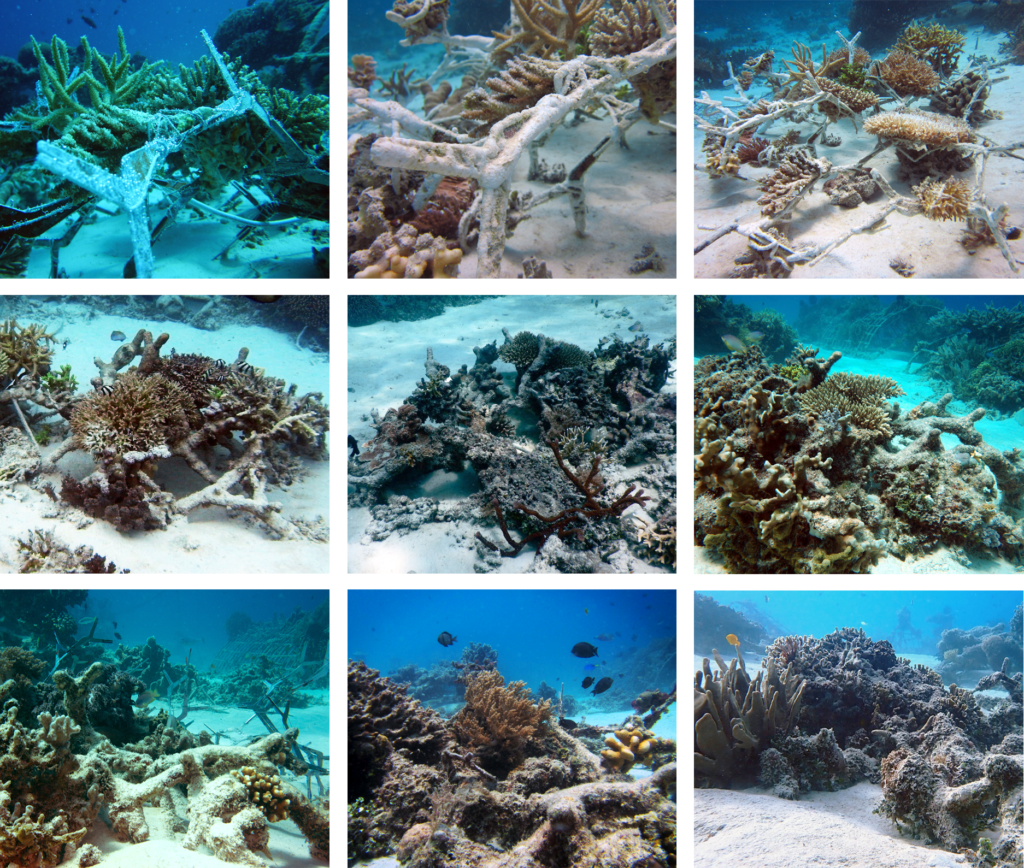
Loss of coral reefs, mangroves, and peatlands diminishes natural buffers, amplifying coastal erosion and carbon release. Climate‑induced shifts in species ranges disrupt pollination networks, threatening food production.
\n
Human Health and Social Impacts
\n
Heatwaves increase mortality risk, especially among older adults; the WHO estimates 250,000 additional deaths per year by 2030 if adaptation is limited. Displacement from sea‑level rise can exacerbate social tensions and strain public services.
\n
Economic and Infrastructure Impacts
\n
The World Bank projects that climate‑related damage could cost $300 billion annually by 2030 in low‑ and middle‑income countries alone, unless resilience measures are scaled.
\n\n
Regional Differences
\n
Coastal low‑lying nations such as Bangladesh experience high exposure to storm surges, prompting community‑led cyclone shelters and rice‑paddy elevation. In contrast, arid regions like the Sahel face increasing drought frequency, where water‑harvesting techniques and drought‑tolerant crops improve adaptive capacity. Temperate cities such as Vancouver invest in green roofs and permeable pavements to mitigate urban flooding, while tropical megacities like Lagos prioritize informal settlement upgrades and early‑warning networks.
\n\n
What Scientists Know With High Confidence
\n
- \n
- Human activities are the dominant driver of global warming since the mid‑20th century (IPCC, 2021).
- Extreme weather events are becoming more frequent and intense as the climate warms (NOAA, 2023).
- Nature‑based solutions, such as restoring wetlands, reliably reduce flood risk and provide co‑benefits for biodiversity.
- Socio‑economic vulnerability strongly influences the severity of climate impacts.
\n
\n
\n
\n
\n
\n\n
What Remains Uncertain
\n
Key uncertainties include the precise rate of Antarctic ice‑sheet collapse, which influences long‑term sea‑level projections, and the effectiveness of large‑scale geoengineering as a resilience tool. Additionally, the socioeconomic pathways that will shape future adaptive capacity—particularly in rapidly urbanizing regions—are difficult to forecast, creating a range of possible outcomes for resilience planning.
\n
\n\n
Common Misconceptions
\n
Misconception: Climate resilience means “bouncing back” to the same pre‑crisis state.
\n
Reality: Resilience also embraces transformation, allowing societies to shift toward more sustainable, low‑carbon systems rather than merely restoring the status quo.
\n
Misconception: Only wealthy nations can afford resilience measures.
\n
Reality: Low‑cost, nature‑based approaches—such as planting trees or restoring mangroves—have been shown to protect vulnerable communities at modest expense.
\n
Misconception: Resilience eliminates the need for mitigation.
\n
Reality: While resilience reduces immediate risks, it does not address the root cause of climate change; both mitigation and adaptation are essential.
\n
\n\n
Solutions and Limitations
\n
Effective resilience strategies fall into several categories:
\n
- \n
- Nature‑based solutions: Restoring wetlands, reefs, and forests offers flood protection and carbon storage, but may be limited by land availability and requires long‑term stewardship.
- Infrastructure upgrades: Elevating buildings, constructing sea walls, and retrofitting power grids reduce exposure, yet high capital costs can strain municipal budgets.
- Policy and governance: Zoning laws that restrict development in high‑risk zones and incentive programs for resilient design are powerful, but depend on political will and enforcement capacity.
- Community engagement: Early‑warning systems and local disaster‑response training improve rapid reaction, though effectiveness varies with literacy levels and resource access.
\n
\n
\n
\n
\n\n
What Individuals, Communities, and Governments Can Do
\n
What Individuals Can Do
\n
Adopt water‑saving fixtures, support local tree‑planting initiatives, and advocate for resilient city planning at public meetings. Reducing personal carbon footprints complements broader resilience goals.
\n
What Communities and Organizations Can Do
\n
Develop neighborhood emergency plans, invest in green infrastructure like rain gardens, and partner with indigenous groups to integrate traditional ecological knowledge.
\n
What Governments Can Do
\n
Incorporate climate‑risk assessments into all land‑use decisions, allocate funding for resilient public works, and create insurance schemes that reward risk‑reducing actions. Internationally, honoring climate‑finance commitments helps low‑income countries build capacity.
\n\n
Looking Ahead
\n
Climate resilience is not a static end‑point but an ongoing process of learning, adapting, and improving. High‑confidence science confirms that climate impacts are intensifying, making resilience essential for protecting ecosystems, health, and economies. While uncertainties remain—particularly around extreme sea‑level rise and future socioeconomic pathways—targeted actions across scales can reduce risk and create opportunities for a more sustainable future.
Frequently Asked Questions
How is climate resilience different from climate mitigation?
Climate resilience focuses on adapting to and recovering from climate impacts, while mitigation aims to reduce greenhouse‑gas emissions that cause climate change. Both are needed, but resilience deals with the harms that are already occurring.
What are the main components of climate resilience?
The three core components are environmental health (e.g., ecosystems that buffer storms), social cohesion (strong community networks and public health systems), and economic stability (diverse livelihoods and robust infrastructure).
Which strategies most effectively build climate resilience in cities?
Nature‑based solutions such as green roofs, permeable pavements, and urban tree canopies reduce flooding and heat‑island effects. Combined with upgraded drainage systems and clear emergency plans, these measures have shown measurable risk reductions.
How does climate resilience affect economic stability?
Resilient economies can limit damage costs from extreme events, protect jobs, and maintain productivity. The World Bank estimates that without resilience investments, climate‑related damage could reach $300 billion annually by 2030 in vulnerable regions.
What can individuals do to support climate resilience in their community?
Individuals can conserve water, support local tree‑planting or wetland restoration projects, and participate in community emergency‑planning meetings. These actions complement larger policy and infrastructure efforts.






Leave a Comment