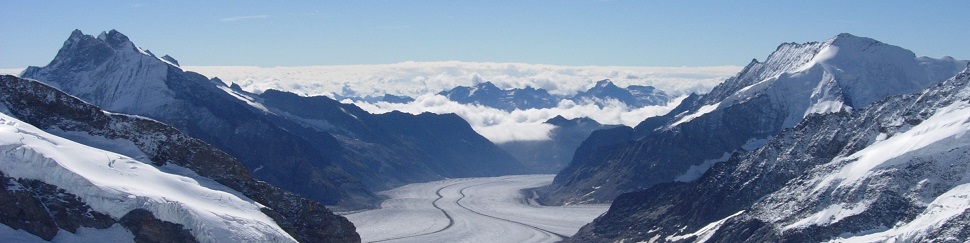
Glaciers, those colossal rivers of ice, hold a secret that beckons for attention: their slow yet relentless contribution to sea-level rise. Can we fathom a world where coastlines shift dramatically, where familiar landscapes are swallowed by the advancing tides? Such a scenario poses a challenge, not just for scientists, but for humanity as a whole. Understanding the intricacies of glacier dynamics is paramount in grappling with the impending realities of climate change.
Each year, glaciers across the globe serve as a significant reservoir of freshwater, containing approximately 69% of the world’s freshwater supply. Their gradual melting, however, has far-reaching implications. In a warming world, these vast ice sheets and alpine glaciers release not only water but also an awakening sense of urgency regarding climate stability. This article delves into the multifaceted contributions of glaciers to sea-level rise, examining the mechanisms at play, the historical context, and the challenges we face in mitigation.
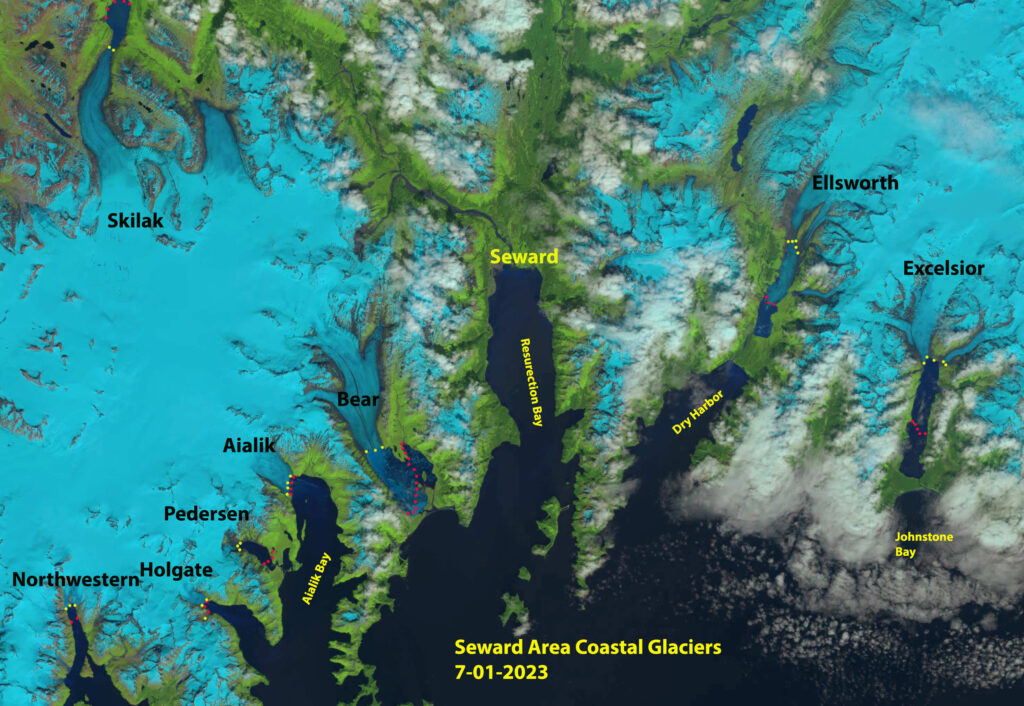
The mechanics of glacier contribution to sea-level rise can be understood through two primary processes: *thermal expansion* and *ice mass loss*. As global temperatures rise, ocean waters absorb heat and expand, leading to an increase in sea levels. Concurrently, the melting of glaciers contributes additional freshwater to oceans, exacerbating the rising tide. It is estimated that over the past few decades, glaciers have lost more ice than they have gained, creating a precarious imbalance.
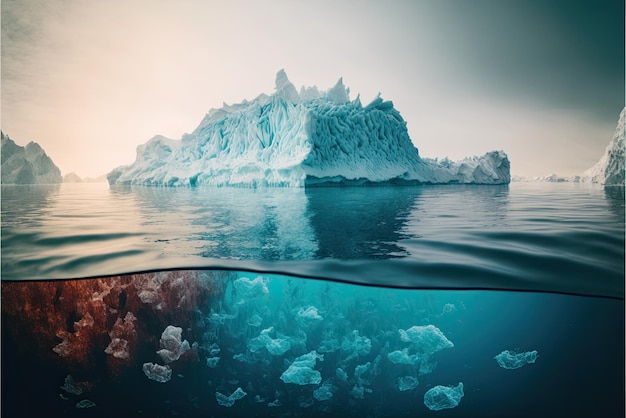
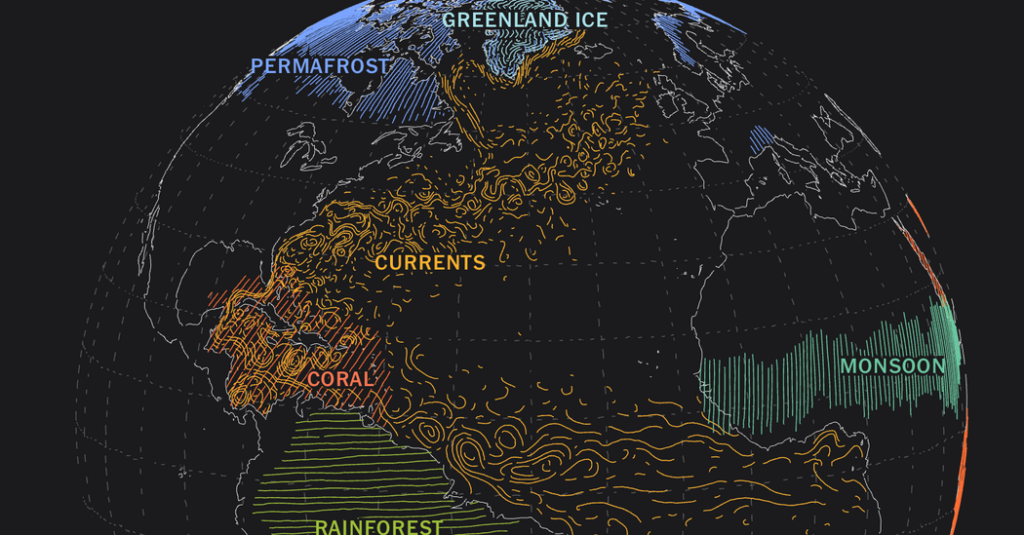
Let us consider the *Greenland Ice Sheet* as a pivotal emblem of this phenomenon. Covering an area that is almost four times the size of Texas, it harbors an estimated potential to raise global sea levels by about 20 feet if it were to melt entirely. The current rate of melting indicates that parts of this glacier are losing mass at an alarming rate. Studies reveal that as icebergs calve and the sheet retreats, more of the underlying land is exposed, diminishing the glacier’s overall stability.
The *Antarctic Ice Sheet*, on the other hand, presents a dual threat. Its sheer volume could raise sea levels by over 200 feet if fully melted, but the intricacies of its dynamics are even more complex. The collapse of the West Antarctic Ice Sheet, for instance, is often triggered by warm ocean currents encroaching around its edges, serving as a reminder of the interconnectedness between atmospheric and oceanic conditions.
Examining historical data illuminates our trajectory. During the last interglacial period, around 125,000 years ago, sea levels were approximately 20 feet higher than today, suggesting that even minor changes in climate can have monumental impacts on earth’s topography. Thus, when we consider our current situation, where global temperatures are rising at an unprecedented rate, we must confront questions not only about what we are losing but also about what awaits future generations.
In the arena of scientific inquiry, advancements in technology such as satellite observations and remote sensing have revolutionized our understanding of glacial dynamics. Researchers are now capable of monitoring fluctuations in ice mass with unprecedented accuracy. This data is crucial in creating predictive models that assess future scenarios of sea-level rise. However, despite this technological progress, substantial uncertainty remains, primarily due to the variables inherent in climate modeling, particularly those informed by human activity.
Climate change is not merely a specter of the future; it requires immediate action. The interplay between human behavior and glacier dynamics is intricate. Activities leading to increased greenhouse gas emissions are fundamentally altering weather patterns and subsequently influencing glacier melting. Urbanization, deforestation, and pollution contribute to the diminishment of ice volumes, highlighting a pressing need for sustainable practices.
As an illustration of the challenge at hand, we can consider the playful question: What if we had a collective responsibility to preserve glaciers for future generations? Transitioning toward renewable energy sources, enhancing energy efficiency, and promoting conservation are all critical steps to curbing the advancement of climate change and, by extension, mitigating glacier loss.
Engaging communities in local conservation efforts is essential. Educating individuals about their carbon footprint can foster stewardship toward the environment. Simple actions, like reducing water usage, advocating for public transportation, and supporting local sustainability initiatives, can collectively lead to significant efforts against climate change. When communities rally together toward a common goal, the potential for impact magnifies exponentially.
The existential threat posed by sea-level rise due to glacier melt necessitates an urgent, multifaceted response. Governments worldwide must prioritize policies that address not only the immediate repercussions but also the underlying causes of climate change. Enhanced international cooperation and climate agreements must serve as frameworks to unify efforts in combating this crisis.
In conclusion, the symbiotic relationship between glaciers and sea levels is a clarion call to action. By comprehending the complexities of glacier contribution to sea-level rise, we are better equipped to respond to the challenges it presents. As stewards of this planet, we must harness innovative solutions, galvanize community action, and embrace sustainable practices. Only through collective resolve can we navigate the tumultuous waters ahead, safeguarding both our coastal landscapes and the delicate balance of our earth’s ecosystems.




Leave a Comment