
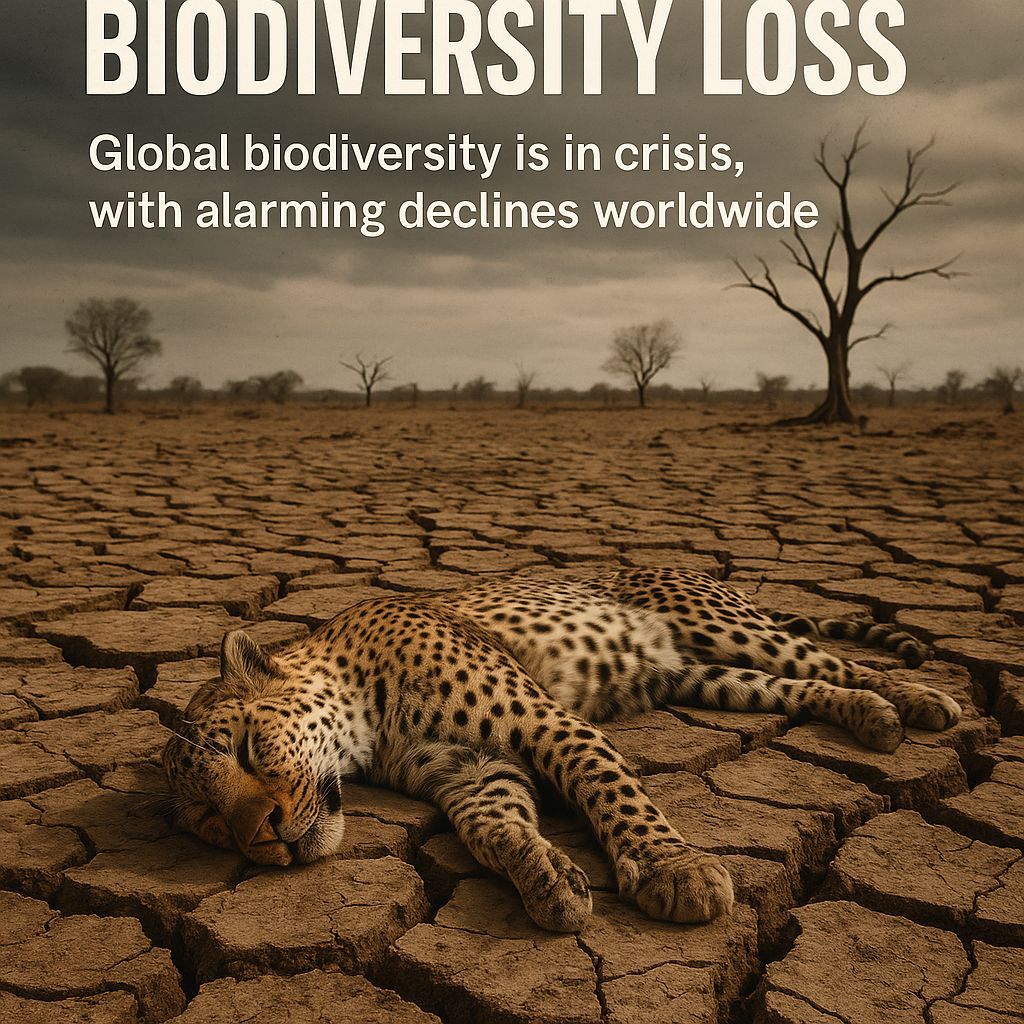
Biodiversity loss is driven by a network of human activities that destroy habitats, alter climate, spread invasive species, pollute ecosystems, and overexploit resources, creating a cascade of ecological decline.
Quick Answer
Biodiversity loss refers to the decline in the number, variety, and ecological roles of species across ecosystems. The root cause is large‑scale habitat alteration caused by human land‑use change, which is amplified by climate change, invasive species, pollution, and unsustainable harvesting. Scientific assessments consistently show that these drivers interact, leading to species extinctions, reduced genetic diversity, and weakened ecosystem services. While the direction of loss is clear, uncertainty remains about the precise timing of tipping points for many ecosystems.
Key Takeaways
- Habitat loss accounts for roughly 70% of recorded species declines (IPBES 2019).
- Climate change accelerates range shifts and extinction risk, especially for temperature‑sensitive species.
- Invasive species and pollution act as synergistic stressors that can push vulnerable populations over thresholds.
- The drivers are interlinked; addressing one without the others yields limited recovery.
- High‑confidence actions include protected‑area expansion, sustainable land‑use policies, and pollution control.
What Is The Root Cause of Biodiversity Loss Explained?
The term “root cause of biodiversity loss” denotes the underlying human‑induced processes that initiate and sustain declines in species abundance, distribution, and ecosystem function. It encompasses direct pressures such as deforestation and indirect drivers like global market demand for commodities. Unlike a single event, the root cause is a network of interacting factors that operate from local to planetary scales. Understanding it points to leverage points where policy and management can halt or reverse loss.
How Does It Work?
1. Habitat Conversion and Fragmentation
When forests, wetlands, or grasslands are cleared for agriculture, urban development, or infrastructure, the physical space that species need to feed, breed, and migrate disappears. Fragmentation isolates populations, reducing gene flow and increasing vulnerability to stochastic events.
2. Climate Change as a Stress Amplifier
Rising temperatures, altered precipitation patterns, and more frequent extreme events shift the climatic envelopes that species occupy. Species that cannot migrate fast enough or adapt physiologically face heightened extinction risk. Climate change also modifies fire regimes and ocean acidity, further degrading habitats.
3. Invasive Species Introduction
Human‑mediated transport moves organisms beyond their native ranges. In new ecosystems, invaders often lack natural predators, allowing them to outcompete or prey on native species and sometimes transmit novel diseases.
4. Pollution and Chemical Stressors
Runoff containing nutrients, pesticides, and heavy metals contaminates freshwater and marine systems, causing eutrophication, toxic effects, and habitat degradation. Plastic debris creates physical hazards and serves as vectors for pollutants.
5. Overexploitation
Unsustainable fishing, hunting, and timber harvest remove individuals faster than populations can replenish, eroding genetic diversity and ecosystem resilience.
What Does the Evidence Show?
Long‑term monitoring by the Intergovernmental Science‑Policy Platform on Biodiversity and Ecosystem Services (IPBES) indicates that, on average, global wildlife populations have declined by 68% since 1970 (Living Planet Report 2022). Remote‑sensing analyses confirm that between 1990 and 2020 the world lost approximately 10 million km² of forested area, primarily in the tropics (FAO Global Forest Resources Assessment 2020). Meta‑analyses of climate‑impact studies reveal consistent range contractions for 60% of examined terrestrial species (IPCC AR6, 2021). Invasive‑species case studies, such as the brown tree snake in Guam, show rapid native bird extinctions within two decades (U.S. Fish and Wildlife Service, 2018). These independent lines of evidence converge on a picture of multi‑driver biodiversity decline.
Main Causes or Drivers
Direct Causes
- Habitat loss and fragmentation – land‑use change for agriculture, mining, and urban expansion.
- Overexploitation – commercial fisheries, wildlife trade, and logging.
- Pollution – nutrient loading, pesticide runoff, plastic waste, and heavy‑metal contamination.
- Invasive species – accidental or intentional introductions that outcompete native biota.
Underlying Drivers
- Economic incentives – market demand for commodities drives land‑use conversion.
- Population growth – increasing demand for food, water, and space intensifies resource extraction.
- Policy and governance gaps – weak enforcement permits unsustainable practices.
- Climate change – a cross‑cutting driver that magnifies other stresses.
Environmental and Human Impacts
Environmental Impacts
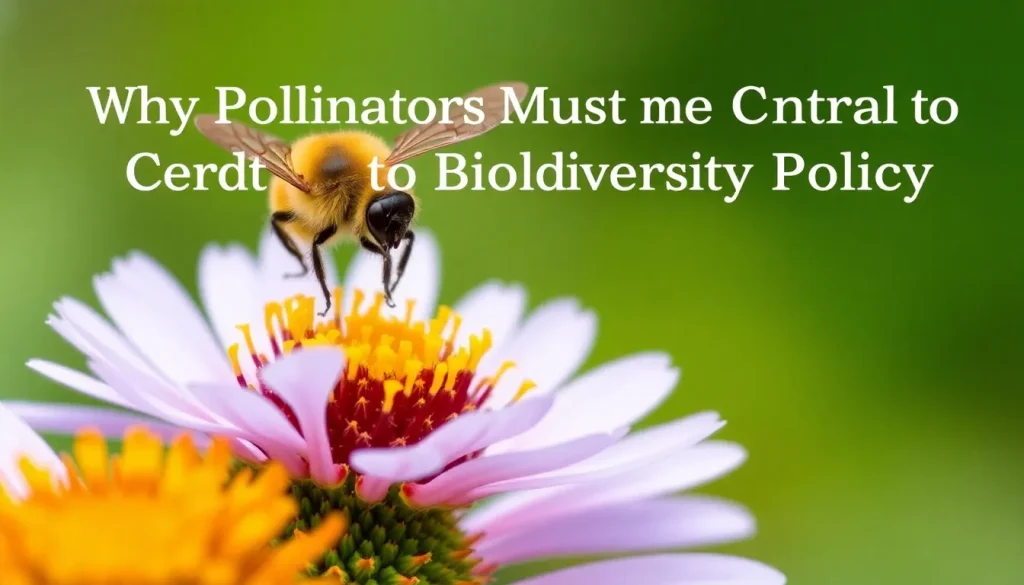
Loss of pollinators reduces crop yields, while declines in predator species can trigger trophic cascades that alter ecosystem structure. Coral‑reef bleaching, driven by warming oceans, eliminates habitat for thousands of marine species, reducing fisheries productivity and coastal protection.
Human Health and Social Impacts
Reduced biodiversity compromises ecosystem services that underpin clean water, food security, and disease regulation. For example, decreasing amphibian populations have been linked to higher incidence of mosquito‑borne diseases in some tropical regions (World Health Organization, 2020).
Economic and Infrastructure Impacts
The World Bank estimates that ecosystem‑service loss due to biodiversity decline could cost up to 7 % of global GDP annually by 2050 if trends continue (World Bank, 2021).
Regional Differences
In the Amazon and Congo basins, deforestation rates exceed 0.5 % yr⁻¹, driving rapid species loss. Temperate regions experience more subtle habitat fragmentation combined with climate‑induced range shifts. Island ecosystems such as Madagascar and many Pacific archipelagos face disproportionate invasive‑species impacts because of their isolated evolution. These patterns illustrate how the same drivers can produce different outcomes depending on geography, climate, and governance.
What Scientists Know With High Confidence
What Scientists Know With High Confidence
- Habitat loss is the single largest driver of global species decline (strong, multi‑regional evidence).
- Climate change is already causing measurable range shifts and phenological changes in many taxa.
- Invasive species are a leading cause of extinctions on islands and in freshwater systems.
- Well‑managed protected areas can reduce local biodiversity loss rates by up to 40 %.
What Remains Uncertain
What Remains Uncertain
Key uncertainties include the precise timing of ecosystem tipping points, the cumulative effects of multiple stressors at landscape scales, and the effectiveness of large‑scale restoration under future climate conditions. Data gaps persist in tropical marine biodiversity and in long‑term monitoring for many low‑income countries, limiting precise quantification of loss rates.
Common Misconceptions
Common Misconceptions
Misconception: Biodiversity loss is only a problem in remote rainforests.
Reality: Declines are documented in urban parks, agricultural landscapes, and temperate forests, affecting services that billions of people rely on.
Misconception: Climate change alone will cause mass extinctions.
Reality: Climate change interacts with habitat loss, invasive species, and pollution; without addressing these other pressures, mitigation of climate impacts alone cannot halt biodiversity loss.
Misconception: Planting a single tree solves the problem.
Reality: Tree planting helps only when it replaces cleared ecosystems, uses native species, and is part of broader land‑use reform.
Solutions and Limitations
Effective responses combine prevention, mitigation, and restoration:
- Protected‑area networks: Expanding and adequately funding protected areas curtails habitat loss, but effectiveness depends on enforcement, connectivity, and adequate management capacity.
- Sustainable agriculture and forestry: Agro‑ecological practices reduce land‑use pressure; transition costs can be high for smallholders, and market incentives are needed.
- Climate‑smart policies: Reducing greenhouse‑gas emissions limits future habitat alteration, yet requires coordinated global action.
- Invasive‑species management: Early detection and rapid response are cost‑effective, but eradication is rarely feasible once populations are established.
- Pollution control: Regulating nutrient runoff and plastic waste improves water quality, yet enforcement varies widely across jurisdictions.
Each strategy has trade‑offs. For example, large‑scale protected areas may displace local livelihoods if not designed with community participation. Sustainable farming may initially lower yields, requiring compensation mechanisms. Climate‑smart policies can be politically contentious and depend on technology transfer.
What Individuals, Communities, and Governments Can Do
What Individuals Can Do
- Choose certified sustainable products (e.g., FSC timber, MSC seafood) to lower demand for habitat‑destructive commodities.
- Reduce food waste, thereby lessening pressure on agricultural expansion.
- Support policies that fund protected‑area management through civic engagement or voting.
What Communities and Organizations Can Do
- Implement local habitat restoration projects using native species and monitor outcomes.
- Develop community‑based invasive‑species surveillance programs.
- Adopt circular‑economy practices to minimize local pollution and waste.
What Governments Can Do
- Integrate biodiversity considerations into national land‑use planning and climate‑action strategies.
- Provide financial incentives for sustainable farming and forest stewardship.
- Strengthen and enforce regulations on wildlife trade, pollution, and habitat protection.
Closing Synthesis
The root cause of biodiversity loss is not a single factor but a suite of interlinked human activities that degrade habitats, alter climate, and spread invasive species. Robust evidence from global assessments, long‑term monitoring, and meta‑analyses confirms the dominant role of habitat loss, while climate change and other stressors accelerate decline. Although uncertainties remain about thresholds and synergistic effects, high‑confidence actions—expanding protected areas, adopting sustainable resource use, and controlling pollution—offer clear pathways to halt and reverse loss. Scaling these measures, coupled with climate mitigation and equitable governance, is essential because no single action can substitute for systemic change.
Frequently Asked Questions
What is meant by the ‘root cause’ of biodiversity loss?
The root cause refers to the underlying human‑driven processes—such as habitat conversion, climate change, invasive species, pollution, and overexploitation—that together initiate and sustain declines in species and ecosystem functions.
Which driver contributes the most to global species declines?
Habitat loss is the largest single driver, accounting for roughly 70% of recorded species declines, according to the Intergovernmental Science‑Policy Platform on Biodiversity and Ecosystem Services (IPBES) 2019 assessment.
How does climate change interact with other biodiversity drivers?
Climate change shifts temperature and precipitation patterns, forcing species to move or adapt. It amplifies other stresses—such as habitat fragmentation and invasive species—by altering fire regimes, ocean acidity, and the suitability of remaining habitats.
What are effective actions to reduce biodiversity loss?
High‑confidence actions include expanding well‑managed protected areas, adopting sustainable agriculture and forestry practices, implementing strong pollution controls, and enforcing regulations on wildlife trade and invasive species.
Can individual consumer choices really make a difference?
Individual choices matter when they reduce demand for habitat‑destructive commodities—such as buying certified sustainable timber or seafood—and when they lower food waste, thereby easing pressure on land‑use expansion.





Leave a Comment