
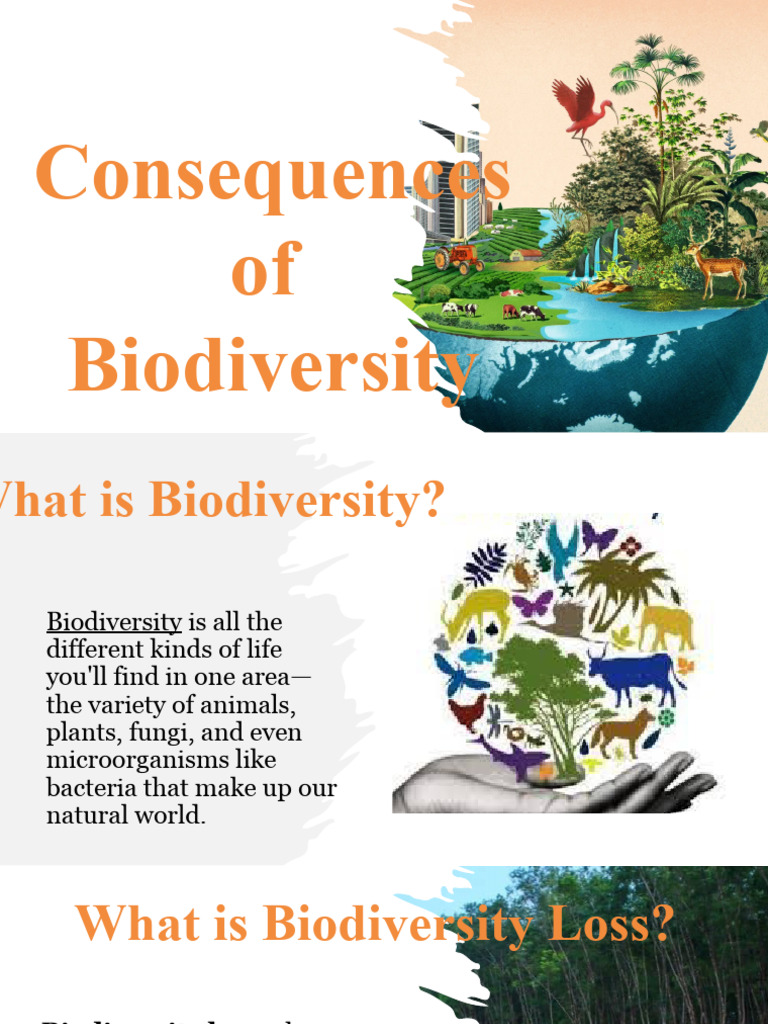
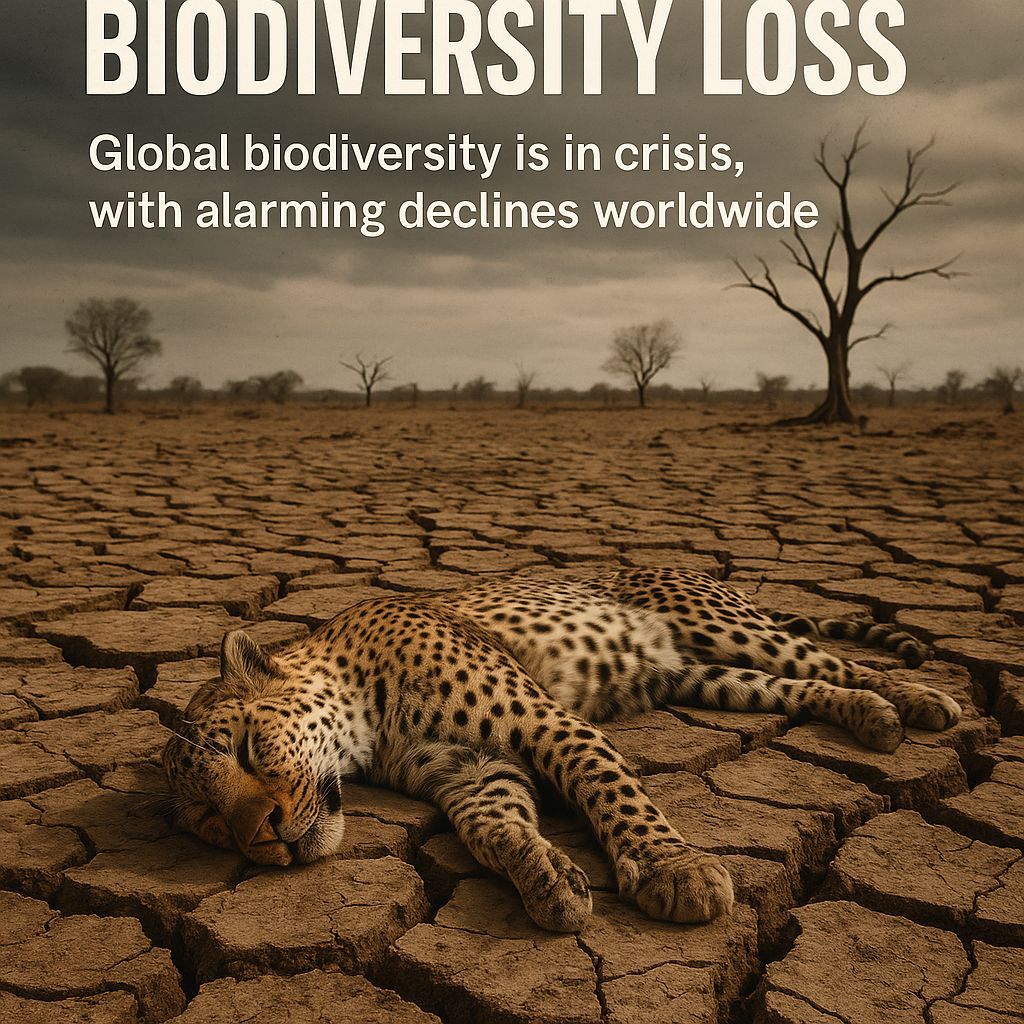
Biodiversity loss weakens ecosystem functions, reduces essential services such as food, water, and climate regulation, and threatens human health and economies worldwide.
Quick Answer
Biodiversity loss means the reduction of species variety, genetic diversity, and ecosystem complexity, which disrupts the biological processes that sustain clean air, fresh water, pollination, and climate stability. The most robust scientific evidence shows that declining species richness leads to weaker ecosystem resilience and lower yields of food, timber, and fisheries. Consequently, societies face heightened food insecurity, reduced livelihoods, and increased exposure to climate‑related hazards. Uncertainty remains around exact thresholds at which ecosystem services collapse, but the direction of impact is clear.
Key Takeaways
- Loss of species erodes ecosystem services such as pollination, water purification, and carbon storage.
- Food security, especially in low‑income regions, is directly linked to the health of pollinator and fish populations.
- Forests and wetlands store billions of tonnes of carbon; their degradation releases CO₂, amplifying climate change.
- Indigenous peoples and rural communities rely on biodiversity for medicines, cultural identity, and livelihoods.
- Effective solutions combine protected areas, sustainable land use, and policies that value nature’s contributions.
What Is The Real Effects of Biodiversity Loss on Nature and People?
Biodiversity loss refers to the decline in the number of species, the genetic variation within those species, and the range of ecosystems they compose. It is measured through metrics such as species‑richness, abundance, and functional diversity. The term differs from “habitat loss” (the physical removal of natural areas) though the two are tightly linked; habitat loss is a primary driver of species loss. Understanding the effects requires looking at how ecosystems deliver services—provisioning (food, water), regulating (climate, disease), supporting (soil formation), and cultural (recreation, spiritual). When biodiversity declines, the capacity of ecosystems to perform these services diminishes, creating ripple effects for human societies.
How Does It Work?
1. Species Interactions Build System Resilience
In a healthy ecosystem, multiple species perform overlapping roles (functional redundancy). If one species declines, others can compensate, maintaining processes such as nutrient cycling or pollination. This redundancy buffers ecosystems against disturbances.
2. Food‑Web Disruption Reduces Energy Flow
Removing predators or herbivores alters trophic cascades. For example, the loss of wolves in North America increased elk browsing, which suppressed young trees and reduced forest regeneration—an effect documented by long‑term monitoring (U.S. Fish and Wildlife Service, 2020).
3. Decline in Pollinators Lowers Crop Yields
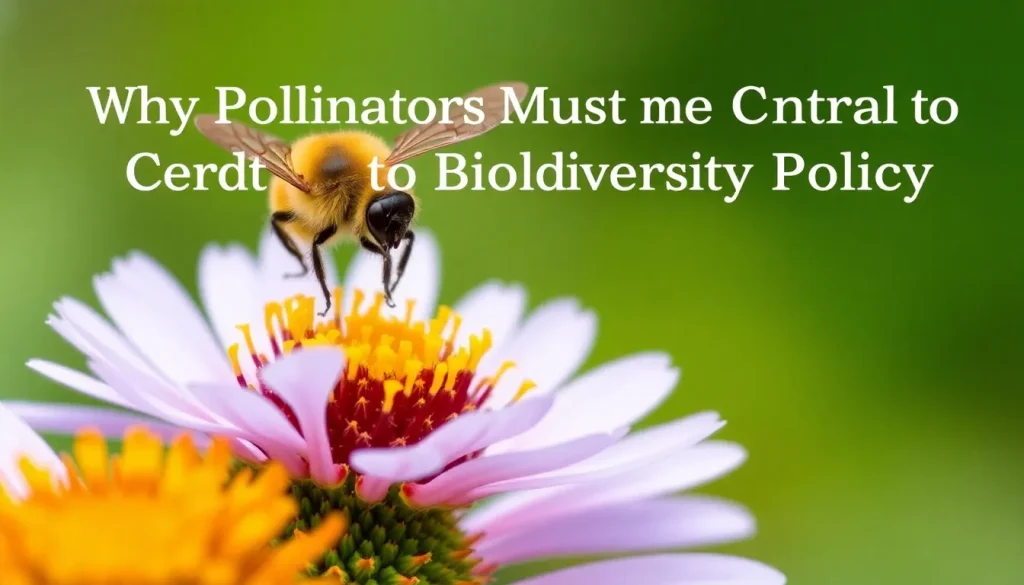
Bees, butterflies, and other pollinators contribute an estimated US$235–$577 billion to global crop production each year (FAO, 2020). When pollinator populations drop, fruit‑set and seed production fall, directly affecting food availability.
4. Carbon‑Storage Capacity Is Compromised
Forests and peatlands store roughly 289 gigatonnes of CO₂ (FAO, 2020). Deforestation and degradation release this carbon, turning a sink into a source and accelerating climate change.
5. Human‑Dependent Services Diminish
Many medicines originate from plant compounds; the World Health Organization estimates that 25 % of modern drugs are derived from natural sources. Loss of plant diversity narrows the pool of potential pharmaceuticals.
What Does the Evidence Show?
Multiple lines of evidence converge on the conclusion that biodiversity loss degrades ecosystem services:
- Long‑term monitoring: The Intergovernmental Science‑Policy Platform on Biodiversity and Ecosystem Services (IPBES) Global Assessment (2019) reports that about 28 % of assessed species are threatened with extinction, and that ecosystem productivity has declined in 75 % of studied regions.
- Experimental field studies: Meta‑analyses of biodiversity–function experiments show a positive, roughly linear relationship between species richness and biomass production, nutrient retention, and pollination efficiency (Díaz et al., 2019, *Science*).
- Economic assessments: The Food and Agriculture Organization (FAO) links pollinator decline to a 5–8 % reduction in global crop yields, translating to $235–$577 billion in lost revenue per year.
- Carbon cycle observations: Satellite‑derived forest loss data confirm that deforestation between 2000 and 2020 released an estimated 1.5 Gt CO₂ annually (NASA, 2021).
These studies span temperate, tropical, and boreal regions, indicating that the pattern is global rather than localized.
Main Causes or Drivers
Direct Causes
- Habitat conversion for agriculture, urban expansion, and infrastructure.
- Overexploitation of wildlife for food, trade, and recreation.
- Pollution, including pesticides, plastics, and nutrient runoff.
- Invasive species outcompeting native organisms.
Underlying Drivers
- Population growth and rising demand for land‑based commodities.
- Global trade networks that spread invasive species and increase resource extraction.
- Climate change, which alters temperature and precipitation regimes, stressing species already under pressure.
Environmental and Human Impacts
Environmental Impacts
Reduced biodiversity weakens ecosystem resilience, making habitats more vulnerable to disturbances such as fires, storms, and disease outbreaks. Loss of keystone species can trigger regime shifts—for example, coral reef bleaching when herbivorous fish decline, allowing algae to dominate.
Human Health and Social Impacts
People who rely on wild foods or medicines—estimated at 1.6 billion globally (IPBES, 2019)—face reduced access as species disappear. Moreover, exposure to degraded ecosystems increases the risk of vector‑borne diseases; a 2021 review linked forest fragmentation to higher malaria incidence in tropical regions.
Economic and Infrastructure Impacts
Agricultural productivity losses due to pollinator decline can raise food prices, disproportionately affecting low‑income households. Fisheries dependent on diverse marine habitats experience lower catches when coral reefs or mangroves degrade, threatening coastal economies and food security.
Regional Differences
While the overall trend of biodiversity loss is global, its drivers and consequences vary:
- Amazon Basin (tropical): Deforestation for soy and cattle has removed an estimated 17 % of forest cover since 2000, releasing large carbon stocks and threatening indigenous livelihoods.
- European temperate farms: Intensive monocultures reduce pollinator diversity, leading to a 7 % drop in oilseed rape yields compared with diversified farms (EU Biodiversity Strategy, 2020).
- Pacific island reefs (marine): Overfishing and warming seas have caused a 30 % decline in fish biomass, undermining tourism and local protein sources.
These examples illustrate that local context—climate, land‑use history, and governance—shapes both the magnitude of loss and the options for mitigation.
What Scientists Know With High Confidence
- Biodiversity underpins core ecosystem services such as pollination, water purification, and carbon sequestration.
- Human activities—especially habitat conversion and overexploitation—are the primary drivers of recent species declines.
- Loss of functional diversity reduces ecosystem resilience to climate extremes and disease outbreaks.
- Protecting and restoring natural habitats can quickly recover many services, as shown by reforestation projects that regained 60 % of pre‑deforestation carbon uptake within a decade.
What Remains Uncertain
Key knowledge gaps include the precise species‑richness thresholds at which specific services fail, the long‑term socioeconomic feedbacks of biodiversity loss in rapidly urbanizing regions, and the effectiveness of large‑scale restoration under future climate scenarios. Improved global monitoring and interdisciplinary modeling are needed to narrow these uncertainties.
Common Misconceptions
Misconception: Only “charismatic” species matter.
Reality: Ecosystem functions depend on a wide array of organisms, including microbes, insects, and understory plants that are rarely visible but essential for soil health and nutrient cycling.
Misconception: Biodiversity loss is a problem for remote wilderness only.
Reality: Over 75 % of the world’s population lives within 100 km of a natural habitat, meaning most people experience the consequences of degraded ecosystems directly.
Misconception: Replacing lost species with “engineered” alternatives solves the issue.
Reality: Synthetic or cultivated substitutes cannot replicate the full suite of ecological interactions, and reliance on them may increase vulnerability to unforeseen failures.
Solutions and Limitations
Effective responses combine protection, sustainable management, and restoration:
- Protected areas and Indigenous stewardship: Expanding well‑managed reserves can safeguard 30 % of terrestrial biodiversity, but enforcement and adequate funding remain challenges.
- Sustainable agriculture: Practices such as agroforestry, cover cropping, and reduced pesticide use enhance on‑farm biodiversity and pollination, yet adoption is limited by market incentives and knowledge gaps.
- Restoration of degraded lands: Reforestation and wetland rehabilitation recover carbon storage and water regulation, but success depends on species selection, local climate, and long‑term maintenance.
- Economic incentives: Payments for ecosystem services (PES) can motivate landowners to conserve habitats, though program design must avoid perverse outcomes like “leakage” where protection shifts pressure elsewhere.
What Individuals, Communities, and Governments Can Do
What Individuals Can Do
- Choose foods with lower environmental footprints (e.g., plant‑based proteins) to reduce pressure on pollinator‑dependent crops.
- Support certified sustainable products (e.g., FSC timber, MSC seafood) that require biodiversity‑friendly practices.
- Participate in citizen‑science monitoring programs that help track local species trends.
What Communities and Organizations Can Do
- Develop community‑led habitat corridors that connect fragmented green spaces, enhancing species movement.
- Implement school‑based environmental education to build local stewardship and knowledge about native species.
- Adopt integrated pest management to reduce pesticide runoff while maintaining crop yields.
What Governments Can Do
- Enact and enforce stringent land‑use planning that limits habitat conversion and incentivizes restoration.
- Allocate funding for long‑term biodiversity monitoring aligned with the Convention on Biological Diversity targets.
- Integrate natural‑capital accounting into economic decision‑making, ensuring that ecosystem services are valued in policy.
Closing Synthesis
Biodiversity loss directly undermines the natural processes that provide clean air, water, food, and climate stability. Robust evidence shows that human activities are the main drivers, and that the resulting ecosystem degradation disproportionately harms vulnerable populations and economies. While uncertainties remain about exact tipping points, the scientific consensus is clear: protecting and restoring biodiversity delivers tangible benefits for both nature and people. Targeted policies, sustainable land‑use practices, and community engagement together form the most effective path forward.
Frequently Asked Questions
What is biodiversity loss?
Biodiversity loss refers to the decline in the number of species, genetic variation, and ecosystem complexity, which reduces the ability of ecosystems to provide essential services such as pollination, water purification, and carbon storage.
How does biodiversity loss affect food production?
Many crops rely on animal pollinators; the FAO estimates pollinators add $235–$577 billion to global agriculture each year. When pollinator populations decline, fruit set and seed production fall, leading to lower yields and higher food prices.
Which human activities drive biodiversity loss the most?
Habitat conversion for agriculture and urban development, overexploitation of wildlife, pollution, and invasive species are the direct drivers, all amplified by population growth, global trade, and climate change.
Can protected areas reverse the impacts of biodiversity loss?
Well‑managed protected areas can safeguard up to 30 % of terrestrial biodiversity and allow ecosystems to recover functions such as carbon sequestration, but success depends on sufficient funding, enforcement, and connectivity with surrounding landscapes.
What actions can individuals take to help?
Individuals can choose sustainably sourced foods, support certified products, reduce pesticide use, and join citizen‑science projects that monitor local wildlife, thereby lowering pressure on ecosystems and improving data collection.





Leave a Comment