
Carbon Tax in Sweden: Why It’s Considered a Climate Success Story
Sweden’s carbon tax, introduced in 1991 and steadily increased since, is credited with cutting emissions about 25% from 1990 levels while the economy
May 4, 2026
Sweden’s carbon tax, introduced in 1991 and steadily increased since, is credited with cutting emissions about 25% from 1990 levels while the economy
May 4, 2026
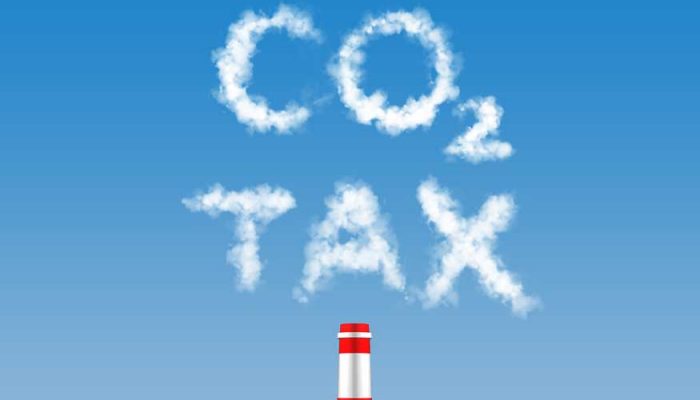
A carbon tax puts a price on carbon emissions to encourage lower greenhouse‑gas output, but its economic fairness, effectiveness, and broader impacts remain
May 4, 2026

Automation, through AI, robotics and IoT, can lower emissions, waste and resource use in global supply chains, but its net sustainability depends on
May 2, 2026
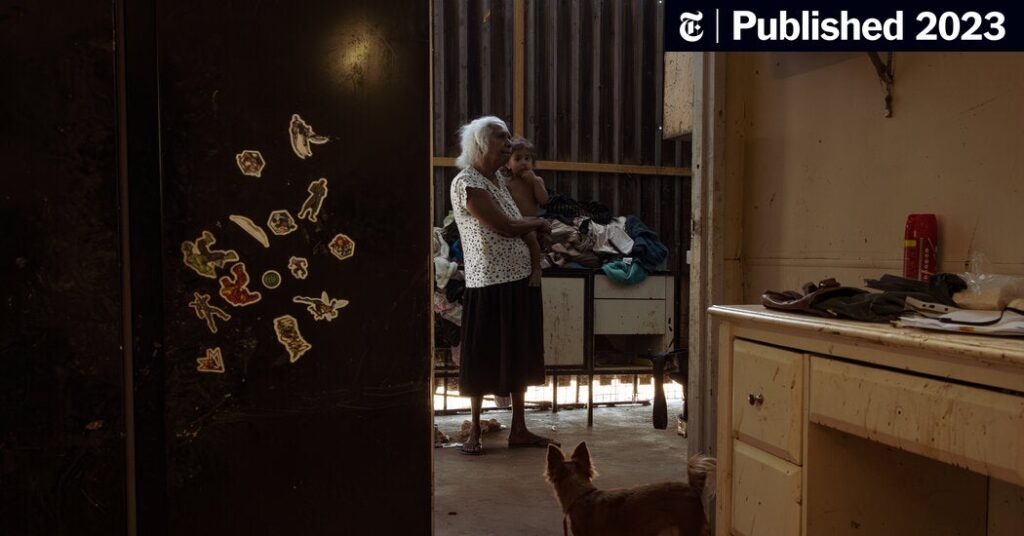
Australia’s 2023 referendum to enshrine an Indigenous advisory “Voice” in the Constitution was rejected, raising complex questions about environmental governance, land stewardship and
May 1, 2026
Australian mining firms are strengthening Indigenous Land Use Agreements and environmental impact assessments to reduce ecological harm and respect traditional custodianship, reflecting a
April 30, 2026
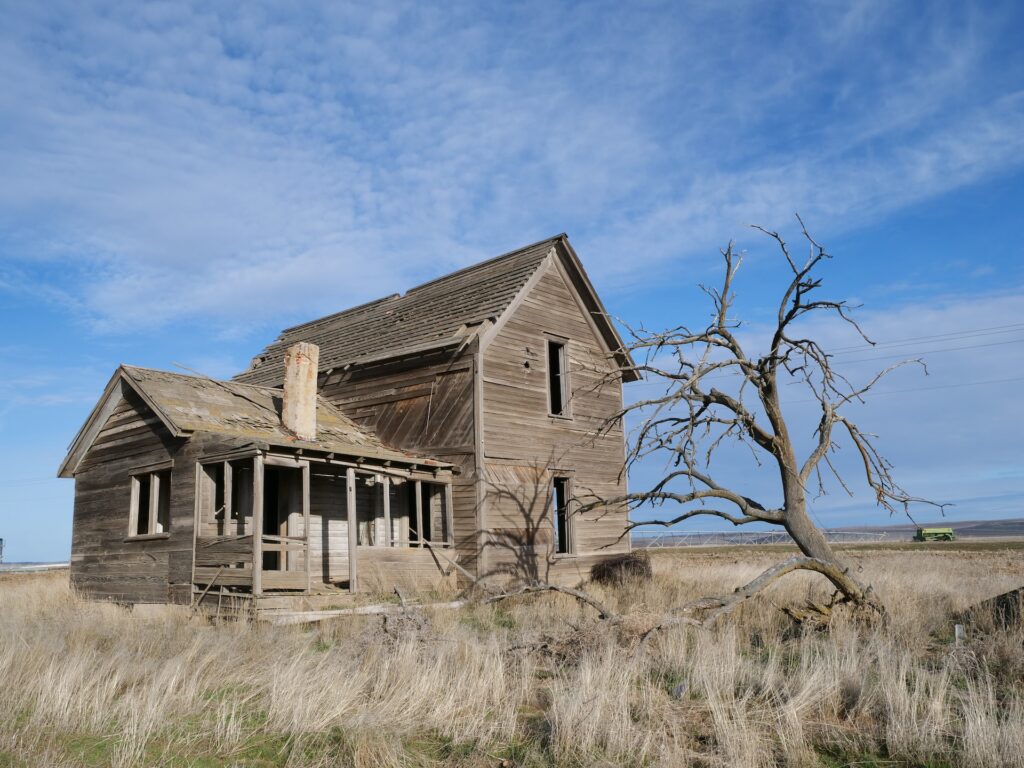
Restoring abandoned farmland can store carbon, revive biodiversity, and strengthen rural livelihoods, offering a durable yet under‑used climate solution. Quick Answer Abandoned farmland
April 27, 2026
October 18, 2026

October 18, 2026

24Earth is an independent environmental knowledge platform explaining climate, oceans, biodiversity, pollution, energy, and planetary change through accessible, evidence-based reporting.
Copyright ©2026
24Earth.