
How Do Glaciers Move? The Slow Power of Flowing Ice
Glaciers move as massive, slow‑flowing rivers of ice, driven by gravity, internal deformation, and basal sliding, reshaping landscapes and influencing sea level. Quick
October 29, 2025
Glaciers move as massive, slow‑flowing rivers of ice, driven by gravity, internal deformation, and basal sliding, reshaping landscapes and influencing sea level. Quick
October 29, 2025
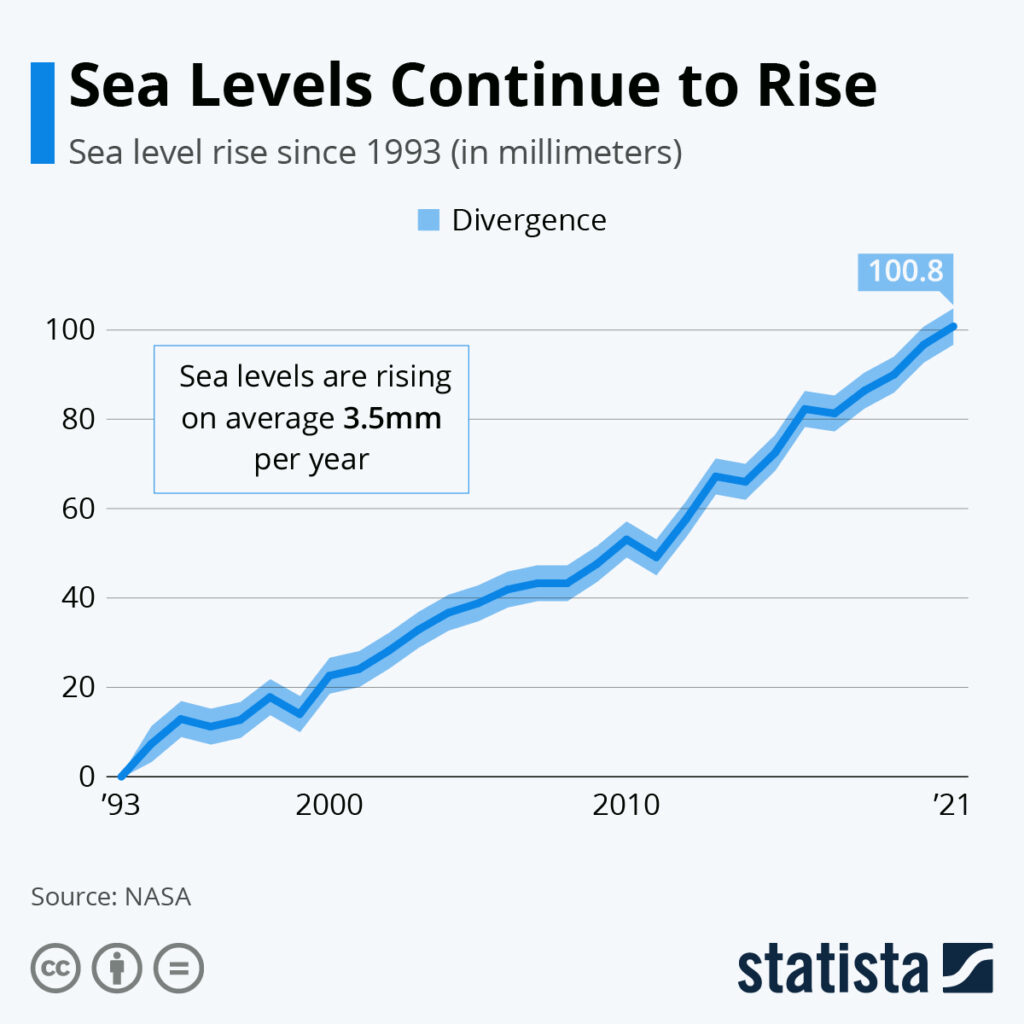
Understanding whether sea levels are rising where you live involves using tide‑gauge records, satellite observations, local agency reports, and community tools to identify
October 28, 2025
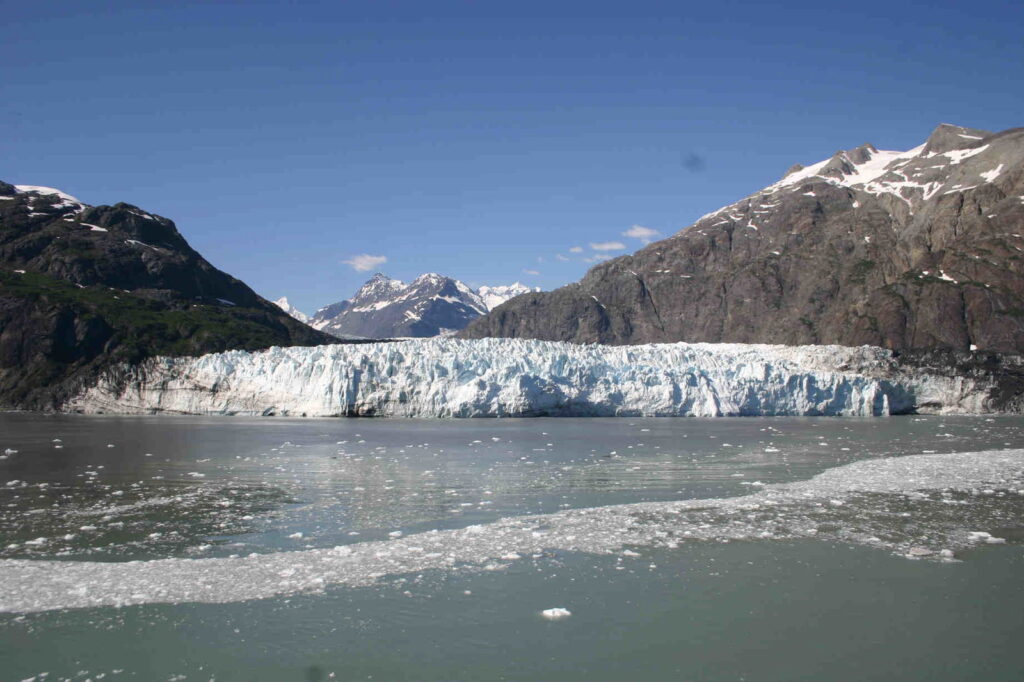
Global climate change drives the accelerated melting of glaciers, reshaping freshwater supplies, sea levels, and ecosystems worldwide. Quick Answer Global climate change, primarily
October 28, 2025
Earth’s polar ice caps have lost a measurable amount of ice over recent decades, driven largely by rising global temperatures, with significant implications
October 27, 2025
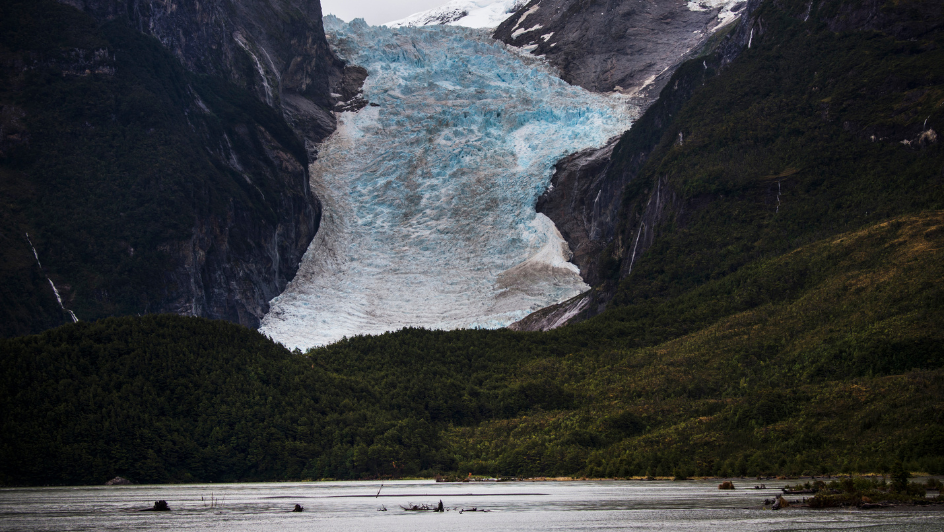
Mountain glaciers are melting faster than ever, threatening water supplies, sea levels, ecosystems, economies, cultural heritage, and climate feedbacks worldwide. Quick Answer Mountain
October 27, 2025
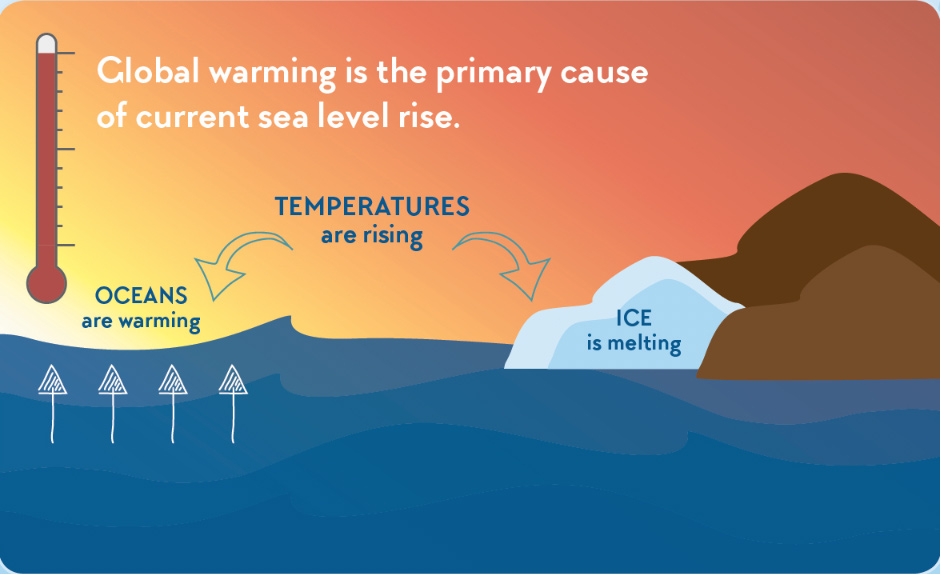
The ocean is rising because warming waters expand and melting ice adds water, with the global average sea level climbing about 3.3 mm per
October 24, 2025
October 18, 2026

October 18, 2026

24Earth is an independent environmental knowledge platform explaining climate, oceans, biodiversity, pollution, energy, and planetary change through accessible, evidence-based reporting.
Copyright ©2026
24Earth.
