Why the Melting of Sea Ice and Glaciers Is a Global Problem
The accelerating melt of sea ice and glaciers amplifies global warming, raises sea levels, disrupts ecosystems, and jeopardizes water and food security for
November 9, 2025
The accelerating melt of sea ice and glaciers amplifies global warming, raises sea levels, disrupts ecosystems, and jeopardizes water and food security for
November 9, 2025
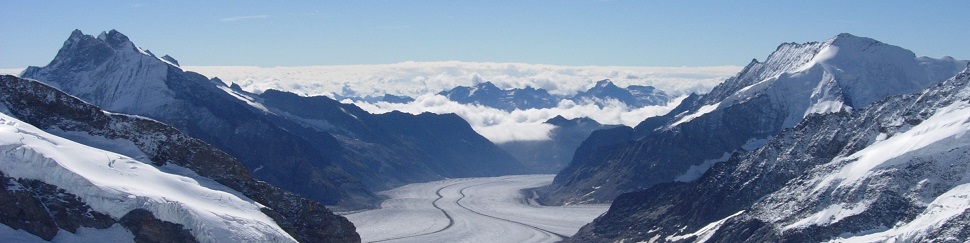
Icebergs are floating fragments that break off from glaciers or ice shelves, while melting glaciers are land‑based ice bodies that shrink in place;
November 8, 2025
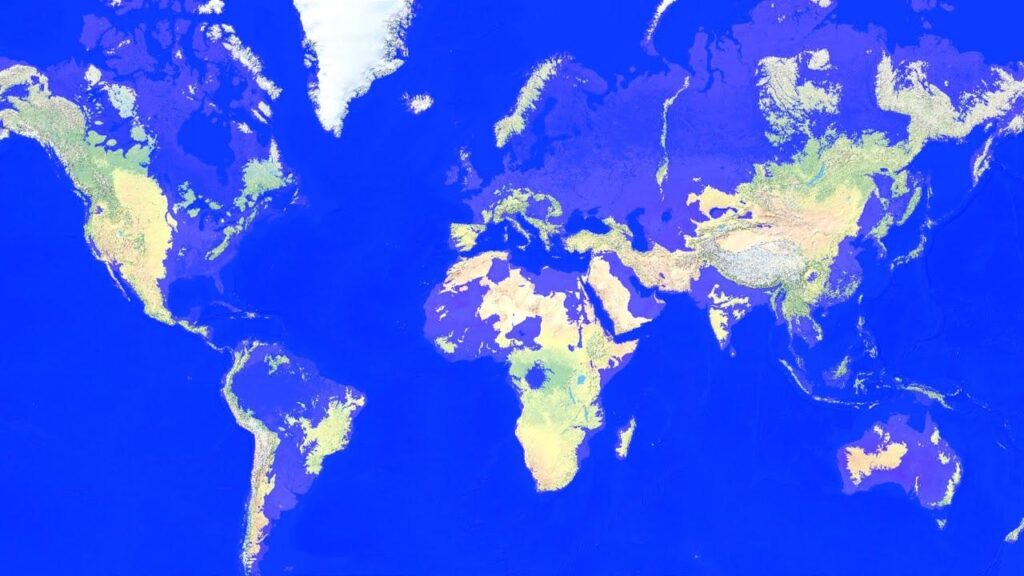
Glaciers in Greenland and Antarctica are melting six times faster than in the 1990s because rising air and ocean temperatures accelerate surface and
November 8, 2025
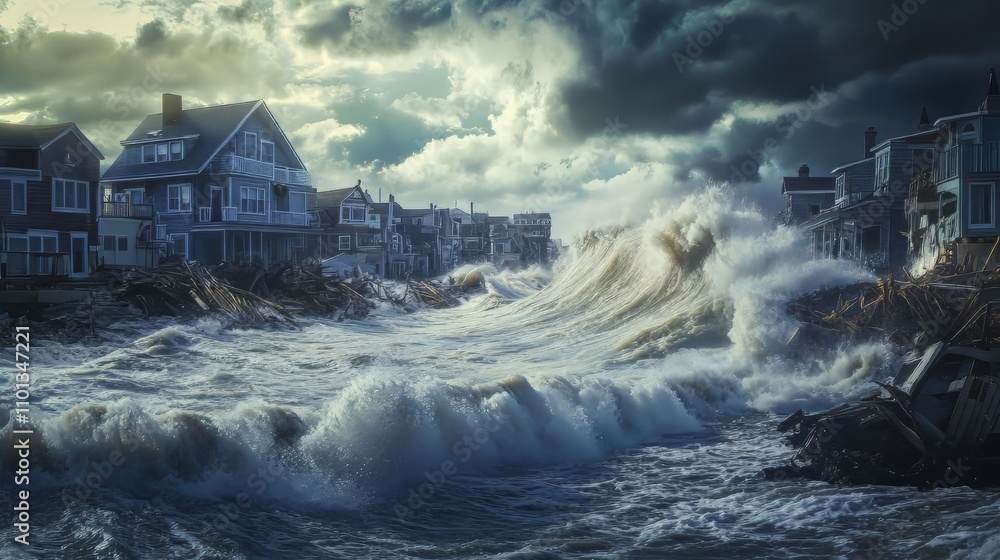
Rising sea levels shift tidal baselines, heighten high tides, and magnify storm‑driven flooding, reshaping coastlines and threatening ecosystems and communities worldwide. Quick Answer
November 7, 2025
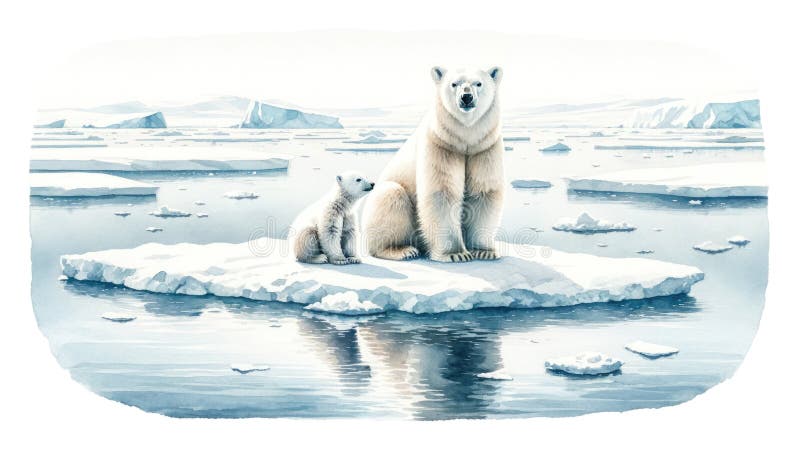
Melting Arctic sea ice does not raise sea levels because the ice is already floating and displaces its own water volume, while sea‑level
November 5, 2025
The Thwaites Glacier in West Antarctica—often called the “Doomsday Glacier”—is destabilising under warm ocean waters, and its potential collapse could add several metres
November 5, 2025