
People’s COP: UN Chief Urges COP16 Delegates to Act on Biodiversity Loss
The UN Secretary‑General’s appeal at COP16 stresses that accelerating biodiversity loss threatens ecosystem services, human livelihoods, and global stability, demanding coordinated, evidence‑based action.
Quick Answer
Biodiversity loss refers to the rapid decline in species abundance, genetic diversity, and ecosystem integrity. At COP16, the UN Chief urged parties to adopt legally binding targets, strengthen protected‑area networks, and fund nature‑based solutions. Robust evidence from the IPBES Global Assessment (2019) shows extinction rates are 100–1,000 times higher than the background rate, jeopardising food security, health, and climate regulation. While the scientific consensus on the direction of loss is strong, uncertainties remain about the precise timing of ecosystem thresholds and the effectiveness of specific policy instruments.
Key Takeaways
- Global species extinction risk is now estimated at about one million species, according to the Intergovernmental Science‑Policy Platform on Biodiversity and Ecosystem Services (IPBES).
- Habitat loss, climate change, overexploitation, invasive species and pollution are the five direct drivers identified by the Convention on Biological Diversity (CBD).
- Indigenous knowledge and community‑led conservation improve outcomes and equity, a core principle of the “People’s COP”.
- High‑confidence solutions include expanding protected areas, restoring degraded ecosystems, and integrating natural capital into economic planning.
- Uncertainties persist around the magnitude of climate‑biodiversity feedbacks and the long‑term socio‑economic benefits of large‑scale restoration.
What Is People’s COP: UN Chief Urges COP16 Delegates to Act on Biodiversity Loss?
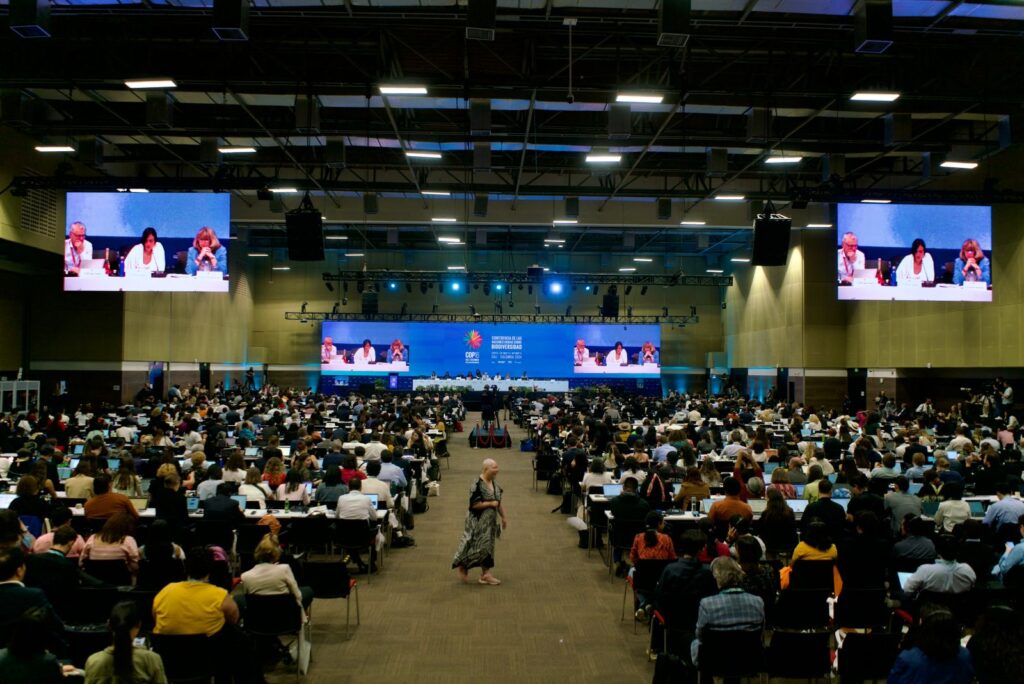
People’s COP is a participatory framing of the Convention on Biological Diversity’s 16th Conference of the Parties (COP16) that foregrounds civil society, Indigenous peoples, and grassroots movements in the negotiation process. It differs from the traditional diplomatic agenda by insisting that policy outcomes be co‑created, transparent, and accountable to the communities most affected by biodiversity decline. The UN Chief’s address in 2024 highlighted that without inclusive governance, biodiversity targets risk being under‑funded, poorly enforced, and socially unjust.
How Does It Work?
Governance and Decision‑Making
1. Delegates from 196 Parties convene under the CBD framework.
2. Parallel “People’s COP” forums enable NGOs, Indigenous groups, and youth representatives to present position papers.
3. Negotiators integrate these inputs into draft decisions on targets, financing, and monitoring.
4. Adopted decisions become binding under the CBD, with compliance monitored by the Secretariat and third‑party reviewers.
Science‑Policy Interface
Scientific assessments (e.g., IPBES, IUCN Red List) provide baseline data on species trends, ecosystem services, and climate‑biodiversity interactions. These data inform the development of quantitative targets such as “30 % of terrestrial and marine areas protected by 2030”. The UN Chief emphasized that robust, peer‑reviewed science is the foundation for credible commitments.
What Does the Evidence Show?
Long‑term monitoring by the Global Biodiversity Information Facility (GBIF) documents a 68 % decline in vertebrate population abundance between 1970 and 2016. The 2019 IPBES report, a synthesis of >15,000 peer‑reviewed studies, concluded that 1 million species face extinction risk, a rate far exceeding natural background levels. Satellite‑derived land‑cover change analyses show that 75 % of primary forest loss since 1990 is linked to agricultural expansion, a primary driver of habitat fragmentation. Field experiments demonstrate that protected areas larger than 10,000 km² retain 25 % more species than smaller reserves, supporting the effectiveness of landscape‑scale conservation.
Main Causes or Drivers
Direct Causes
- Habitat loss and fragmentation: Conversion of forests, wetlands, and coral reefs for agriculture, mining, and urban development.
- Climate change: Shifts in temperature and precipitation alter species’ ranges and increase extinction risk, especially for alpine and polar ecosystems.
- Overexploitation: Unsustainable fisheries, logging, and wildlife trade deplete populations faster than they can recover.
- Invasive species: Non‑native organisms outcompete or prey on native species, disrupting food webs.
- Pollution: Nutrient runoff, plastic debris, and chemical contaminants degrade habitats and cause mortality.
Underlying Drivers
Economic growth models that prioritize short‑term extraction, weak governance, and insufficient financing for conservation amplify the direct causes. Global supply‑chain demand for commodities such as soy, palm oil, and timber links distant consumer markets to local habitat loss.
Environmental and Human Impacts
Environmental Impacts
Loss of pollinators reduces crop yields by up to 40 % in some regions (FAO, 2020). Coral‑reef degradation diminishes fisheries productivity and coastal protection, increasing vulnerability to storms. Declines in forest biodiversity weaken carbon sequestration, creating a feedback loop that accelerates climate change.
Human Health and Social Impacts
Reduced biodiversity can increase the emergence of zoonotic diseases, as illustrated by the link between habitat encroachment and spillover events. Indigenous peoples, who manage 22 % of the world’s terrestrial biodiversity, experience cultural loss and reduced livelihood security when ecosystems degrade.
Economic and Infrastructure Impacts
Nature‑related economic losses were estimated at US$10‑$16 trillion per year in 2015 (World Economic Forum). Infrastructure built on unstable ecosystems—such as flood‑prone deltas—faces higher maintenance costs and disaster risk.
Regional Differences
In the Amazon basin, deforestation rates of 7 % per year (2022) drive the greatest loss of tropical species, whereas in the European Union, habitat fragmentation from intensive agriculture reduces pollinator diversity by 30 % (EU‑Biodiversity Strategy, 2020). Island nations in the Pacific confront simultaneous threats of sea‑level rise and coral‑reef bleaching, leading to compounded food‑security challenges.
What Scientists Know With High Confidence
- Extinction rates are orders of magnitude above the background rate (IPBES, 2019).
- Protected‑area expansion and effective management consistently improve species persistence.
- Habitat loss is the single largest driver of global biodiversity decline.
- Indigenous and community‑managed lands often outperform government‑only protected areas in conserving biodiversity.
What Remains Uncertain
Key gaps include the precise magnitude of climate‑biodiversity feedbacks, the long‑term socioeconomic returns of large‑scale restoration, and the effectiveness of market‑based mechanisms such as biodiversity offsets under varying governance contexts. Improved long‑term monitoring and standardized metrics are needed to reduce these uncertainties.
Common Misconceptions
Misconception: “Biodiversity loss only matters to scientists.”
Reality: Declining biodiversity directly affects food production, health, and economic stability for all societies.
Misconception: “Planting trees automatically solves the crisis.”
Reality: Tree planting helps but cannot replace the loss of species‑rich ecosystems like wetlands and coral reefs; restoring native habitats is essential.
Misconception: “Developing countries are the main cause of biodiversity loss.”
Reality: Consumption patterns in high‑income nations drive much of the demand for resources that lead to habitat conversion worldwide.
Solutions and Limitations
Effective responses combine prevention, restoration, and sustainable use:
- Protected‑area networks: Expanding to 30 % of land and sea by 2030 is evidence‑based, yet financing and enforcement remain challenges, especially in regions with weak governance.
- Nature‑based solutions: Restoring mangroves sequesters carbon and buffers storms, but success depends on local hydrology and community participation.
- Economic incentives: Payments for ecosystem services reward landowners for conservation, yet scaling requires reliable valuation methods and transparent monitoring.
- Regulatory measures: Bans on high‑impact pesticides protect pollinators, but may face industry opposition and require viable alternatives.
- Indigenous co‑management: Legal recognition of Indigenous land rights improves outcomes, but implementation is uneven across jurisdictions.
What Individuals, Communities, and Governments Can Do
What Individuals Can Do
- Support certified sustainable products (e.g., FSC timber, MSC seafood) to reduce pressure on wild habitats.
- Participate in citizen‑science monitoring programs such as iNaturalist to improve biodiversity data.
- Advocate for local green spaces and native‑plant landscaping.
What Communities and Organizations Can Do
- Develop community‑led conservation plans that integrate traditional ecological knowledge.
- Establish local biodiversity banks that fund habitat restoration projects.
- Partner with schools to embed environmental literacy into curricula.
What Governments Can Do
- Adopt legally binding targets aligned with the post‑2020 Global Biodiversity Framework.
- Allocate at least 10 % of national budgets to biodiversity conservation, as recommended by the CBD.
- Integrate natural‑capital accounting into national statistical systems.
- Ensure free, prior, and informed consent (FPIC) for Indigenous peoples in all land‑use decisions.
Closing Synthesis
The UN Chief’s call at People’s COP16 underscores an urgent, evidence‑backed reality: biodiversity loss is accelerating, driven by habitat destruction, climate change, and unsustainable resource use. High‑confidence science points to protected‑area expansion, nature‑based restoration, and inclusive governance as the most effective levers. While uncertainties remain around climate‑biodiversity feedbacks and financing mechanisms, the path forward is clear—coordinated, equitable action that links scientific insight with community empowerment. The decisions made at COP16 will shape the resilience of ecosystems and human societies for generations to come.
Frequently Asked Questions
What is the People’s COP at COP16?
People’s COP is the inclusive, civil‑society‑focused dimension of the 16th Conference of the Parties to the Convention on Biological Diversity, where NGOs, Indigenous groups, and youth help shape binding biodiversity decisions.
Why is biodiversity loss a climate and development issue?
Biodiversity underpins ecosystem services such as pollination, carbon storage, and water purification; its loss weakens food security, health, and climate regulation, creating feedbacks that affect both development and climate goals.
What are the main drivers of the current biodiversity crisis?
The five direct drivers identified by the CBD are habitat loss, climate change, overexploitation, invasive species, and pollution, all amplified by economic models that prioritize short‑term extraction over long‑term stewardship.
Which solutions have the strongest evidence for protecting biodiversity?
Expanding and effectively managing protected areas, restoring native ecosystems such as mangroves and forests, and integrating Indigenous co‑management have the most robust scientific support for halting species declines.
How can ordinary citizens contribute to the goals of People’s COP?
Individuals can choose sustainably certified products, join citizen‑science projects, support local green initiatives, and advocate for policies that protect natural habitats and recognize Indigenous rights.







Leave a Comment