

Onshore and offshore wind farms both generate clean electricity, but they differ in wind resource quality, cost, environmental impacts, and regional suitability, making each better suited to specific contexts.
Quick Answer
Onshore wind farms are built on land, offering lower capital costs and quicker permitting, while offshore farms sit in coastal waters where wind speeds are higher and more consistent, yielding greater energy per turbine. The scientific consensus is that offshore installations can produce 30‑50% more electricity per megawatt, but they require substantially higher upfront investment and specialized marine infrastructure. Choosing the “better” option depends on local wind resources, economic capacity, ecological considerations, and societal acceptance; both play essential roles in a diversified renewable‑energy portfolio.
Key Takeaways
- Offshore wind captures stronger, steadier winds, leading to higher capacity factors.
- Onshore projects are cheaper to build and maintain, and they can be deployed more rapidly.
- Environmental trade‑offs include land‑use and visual impacts for onshore sites versus marine habitat disturbance for offshore sites.
- Economic viability varies by region: coastal nations often favor offshore, while land‑rich countries prioritize onshore.
- Policy, grid integration, and community engagement are critical for the success of both approaches.
What Is Onshore vs. Offshore Wind Farms: Which Is Better?
Wind farms are clusters of wind turbines that convert kinetic energy from moving air into electricity. “Onshore” refers to installations located on terrestrial terrain—fields, hills, or coastal plains—whereas “offshore” denotes farms sited in bodies of water, typically several kilometres from the shoreline. Both types belong to the broader category of wind energy, a renewable resource that displaces fossil‑fuel generation and reduces greenhouse‑gas emissions. The debate over which is better hinges on differences in wind resource quality, construction costs, environmental footprints, and social acceptance.
How Does It Work?
Energy Capture Process
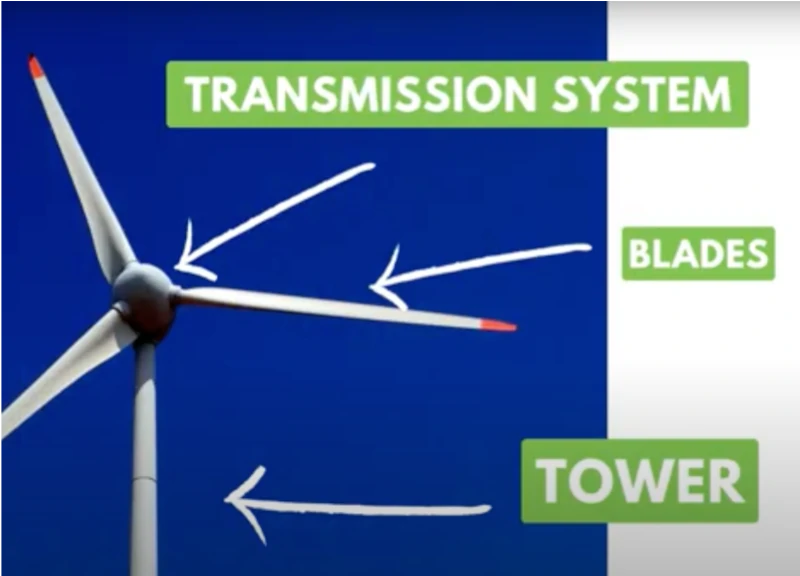
- Wind passes over turbine blades, creating lift that spins a rotor.
- The rotor drives a gearbox (or direct‑drive system) connected to a generator.
- Electrical power is produced, stepped up in voltage, and transmitted to the grid.
Onshore Specifics
Onshore turbines are often mounted on concrete or steel towers ranging from 80 to 150 m in height. Access roads and substations are built on existing land, facilitating construction and maintenance with standard heavy‑equipment vehicles.
Offshore Specifics
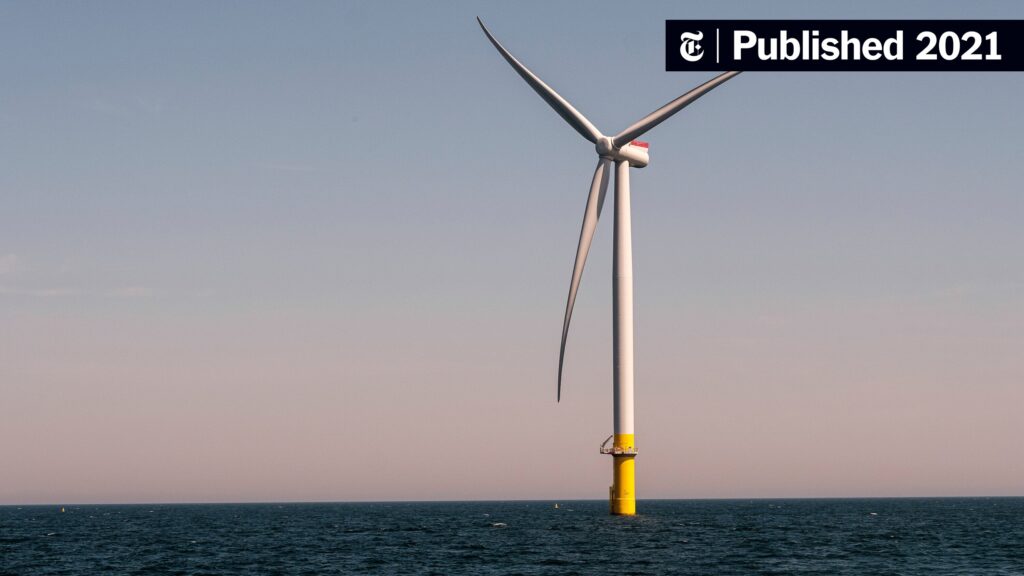
Offshore turbines require marine foundations—monopiles, jackets, or floating platforms—depending on water depth. Installation uses specialized vessels and subsea cables to connect turbines to an offshore substation, which then links to the onshore grid via high‑voltage export cables.
What Does the Evidence Show?
Long‑term monitoring by the International Energy Agency (IEA, 2022) reports average capacity factors of 35‑45% for offshore farms versus 25‑35% for onshore farms in comparable climates. A systematic review of European projects (European Wind Energy Association, 2021) found that offshore turbines generate roughly 0.4 kWh per kilowatt‑hour of installed capacity more per year than onshore equivalents, reflecting higher wind speeds (often 7‑9 m s⁻¹ offshore versus 5‑6 m s⁻¹ on land). Cost analyses indicate levelized electricity costs (LCOE) of $70‑$120 /MWh for offshore projects versus $30‑$60 /MWh for onshore projects, though recent subsidies and larger turbine sizes are narrowing the gap.
Main Causes or Drivers
Wind Resource Distribution
Atmospheric dynamics create stronger, less turbulent wind over open water because of lower surface friction. Coastal regions benefit from sea‑land breezes that amplify offshore speeds.
Economic Factors
Capital expenditure for offshore farms includes marine logistics, specialized foundations, and subsea cabling, driving higher upfront costs. Onshore farms leverage existing road networks and lower‑cost foundations.
Policy and Planning
Government incentives, permitting regimes, and grid‑connection priorities shape where developers invest. Many European Union member states have set offshore targets to meet climate commitments, while the United States has focused on onshore expansion in the Midwest.
Environmental and Human Impacts
Environmental Impacts
- Onshore: Land‑use change can fragment habitats, affect bird migration routes, and generate noise that disturbs wildlife. Visual impact is a common source of local opposition.
- Offshore: Installation may disturb benthic communities, alter fish spawning grounds, and create collision risks for seabirds and bats. However, offshore sites avoid direct competition with agriculture or dense human settlements.
Human Health and Social Impacts
Onshore turbines can produce low‑frequency noise perceived as a nuisance by nearby residents, potentially affecting sleep quality. Offshore farms are generally out of sight and sound range for most populations, reducing direct health concerns but raising questions about offshore worker safety during construction and maintenance.
Economic and Infrastructure Impacts
Onshore projects often create local construction jobs and long‑term maintenance positions, stimulating rural economies. Offshore developments generate high‑skill maritime jobs and can catalyze ports, shipyards, and supply‑chain growth, though benefits are usually concentrated in coastal regions.
Regional Differences
In the North Sea, wind speeds exceed 9 m s⁻¹, making offshore wind the dominant strategy for the United Kingdom, Germany, and the Netherlands. In contrast, the Great Plains of the United States experience strong, consistent land‑based winds, supporting large onshore farms. Tropical regions face higher cyclone risk, which raises design and insurance costs for offshore turbines, while desert interiors may lack sufficient wind to justify onshore projects.
What Scientists Know With High Confidence
- Wind energy reduces CO₂ emissions relative to fossil‑fuel generation (IPCC, 2021).
- Offshore wind has higher capacity factors than onshore wind in comparable climatic zones.
- Both onshore and offshore wind farms can be integrated into modern electricity grids with appropriate planning.
- Land‑use conflicts are a leading source of delay for onshore projects, whereas marine permitting is a primary bottleneck for offshore projects.
What Remains Uncertain
Key uncertainties include the long‑term ecological effects of offshore turbine foundations on benthic biodiversity, the scalability of floating‑platform technology in deep‑water regions, and the cost trajectory of offshore LCOE as turbine sizes continue to increase. Additionally, the social acceptance of large‑scale onshore farms in densely populated areas remains variable and context‑specific.
Common Misconceptions
Misconception: Offshore wind is always greener because it is out of sight.
Reality: While offshore farms avoid visual impacts for most people, they can still affect marine ecosystems and require substantial material inputs for foundations and cables.
Misconception: Onshore wind cannot be built near cities.
Reality: Modern turbine designs allow placement in peri‑urban zones, and proper siting can mitigate noise and visual concerns, though community engagement is essential.
Misconception: Higher cost means offshore wind is not worth the investment.
Reality: Although capital costs are higher, the greater energy yield and longer turbine lifespans often result in comparable or lower levelized costs over a 20‑year project life, especially with economies of scale.
Solutions and Limitations
Key response strategies include:
- Technology improvement: Larger rotor diameters and higher hub heights increase energy capture for both onshore and offshore sites, but manufacturing and transport limits can constrain onshore scaling.
- Hybrid siting approaches: Co‑locating offshore wind with other marine uses (e.g., aquaculture) can reduce spatial conflicts, yet regulatory coordination is complex.
- Grid upgrades: High‑capacity transmission lines and offshore substations enable efficient power export, but require significant investment and may face permitting delays.
- Stakeholder engagement: Early, transparent consultation reduces opposition, yet achieving consensus across diverse interest groups can be time‑consuming.
What Individuals, Communities, and Governments Can Do
What Individuals Can Do
Support policies that fund renewable‑energy research, participate in local planning meetings, and consider community‑owned wind projects that share economic benefits.
What Communities and Organizations Can Do
Conduct site‑specific environmental assessments, develop visual‑impact mitigation plans, and collaborate with developers to secure community benefit agreements.
What Governments Can Do
Provide stable subsidy frameworks, streamline permitting while maintaining rigorous environmental review, invest in transmission infrastructure, and set clear offshore wind targets aligned with national climate goals.
Synthesis
Onshore and offshore wind farms each offer distinct advantages: onshore projects excel in cost‑effectiveness and local job creation, whereas offshore farms deliver higher energy yields and reduce land‑use conflicts. High‑confidence evidence confirms that both contribute meaningfully to decarbonizing the power sector, yet uncertainties about marine ecosystem impacts and deep‑water technology remain. A balanced energy strategy that deploys both types where they are most appropriate, backed by robust policy, community involvement, and continued research, will accelerate the transition to a low‑carbon future.
Frequently Asked Questions
What defines an onshore wind farm compared to an offshore wind farm?
An onshore wind farm is built on land, using standard towers and access roads, while an offshore wind farm is installed in coastal waters with marine foundations and subsea cables. Both convert wind into electricity, but their locations dictate different technical and environmental considerations.
Why do offshore turbines usually generate more electricity than onshore turbines?
Offshore sites experience stronger and more consistent winds because water surfaces create less friction than land. This higher wind speed increases the capacity factor, allowing offshore turbines to produce 30‑50% more electricity per megawatt of installed capacity.
What are the main environmental concerns associated with onshore wind farms?
Onshore wind farms can fragment habitats, affect bird migration routes, and generate noise that disturbs wildlife and nearby residents. Visual impact is also a common source of local opposition, especially in scenic or densely populated areas.
How do the costs of onshore and offshore wind projects compare?
Onshore wind projects typically have lower capital costs, with levelized electricity costs ranging from $30‑$60 per megawatt‑hour. Offshore projects require marine logistics, specialized foundations, and subsea cabling, leading to higher costs of $70‑$120 per megawatt‑hour, though recent advances are narrowing this gap.
What actions can communities take to support responsible wind‑energy development?
Communities can engage early in planning processes, conduct local environmental assessments, negotiate benefit‑sharing agreements, and advocate for clear, stable policies that balance renewable growth with ecosystem protection and social acceptance.





Leave a Comment