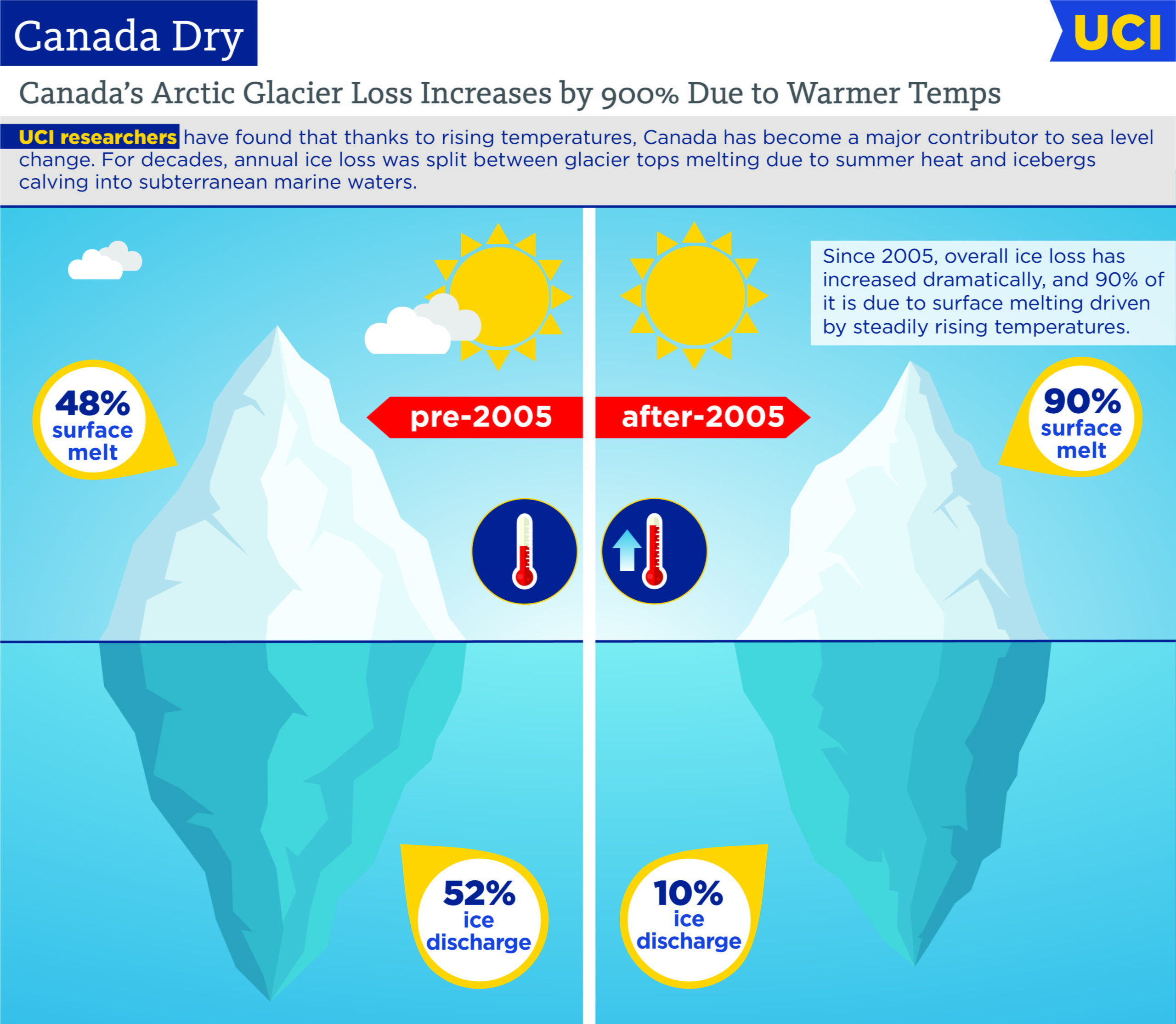
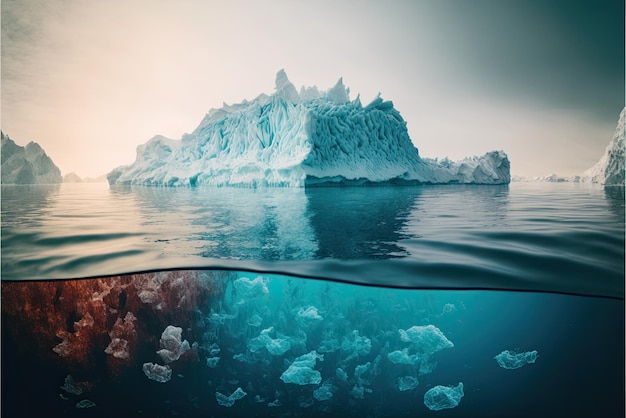
In the realms of climate science and environmental activism, the peril associated with glacial melt evokes poignant imagery and undeniable urgency. For many, glaciers represent a form of romanticism—grand, eternal ice sculptures that narrate the tale of a time long past. They provide us with awe-inspiring vistas, yet beneath their staggering beauty lies a tale interwoven with impending catastrophe. The melting of glaciers, particularly as a consequence of anthropogenic climate change, sets the stage for a meaningful discourse on the potential transformation of sea levels—an issue of global consequence that demands our attention.
To grasp the magnitude of this phenomenon, we must first contextualize the sheer volume of water contained within the world’s glaciers. Estimates suggest that if all glaciers were to melt—a prospect lamentably not confined to the realm of imagination—they could contribute to an approximate sea level rise of 70 meters or more. It is a stark reminder of the fragile balance our planet maintains. Glaciers are not mere relics of the past; they encapsulate a significant amount of freshwater, and their systematic defrosting raises multifaceted implications for ecosystems and human livelihoods alike.
The narrative of sea level rise inherently intersects with the intricacies of physics and geography. As glaciers dissolve, the water they encompass flows into the oceans. This phenomenon exacerbates an already precarious situation. Oceanic volumes are perpetually influenced by thermal expansion, a consequence of increased temperatures in the atmosphere. When glaciers contribute additional water, it accelerates the rise of sea levels worldwide—a dual force amplifying the crisis. The consequences manifest not only in coastal erosion but also in the inundation of low-lying regions, altering the very fabric of societies built upon these fertile lands.
One might wonder about the geographical disparities in how different regions experience this rise. Areas such as the Pacific Islands, the southeastern United States, and parts of Bangladesh stand at the precipice of existential threats. The plight of islands like Tuvalu, where predictions stipulate that entire communities will be swallowed by encroaching seas by mid-century, is a heartrending illustration of this reality. Here, sea level rise is not merely an abstract concept; it manifests as an immediate threat to human existence, livelihoods, and cultural heritage.
The psychological impact of this looming disaster cannot be overlooked. Human beings possess a profound attachment to place, to the shores and landscapes that define their identity. The prospect of losing these realms breeds anxiety and a visceral sense of loss. As we ruminate on the semantics of ‘home,’ it becomes evident that for many, the ocean is not a mere body of water; it is an intrinsic part of their story. The deep-seated connection between humanity and the surrounding environment ignites a passion for advocacy—a drive to safeguard our planet against the inexorable march of climate change.
However, the discourse surrounding glacial melt cannot remain confined to emotional pleas or anecdotal evidence. It necessitates a robust scientific foundation. Research indicates that glacial melt’s trajectories are not uniform. Glaciers in the Arctic and Greenland are retreating at alarming rates, while some in the Andes or the Himalayas may respond differently due to varying climatic conditions. This localized variability complicates efforts to project accurate models of sea level rise. The scientific community grapples with these multifaceted systems while striving to predict the outcomes of current climatic trajectories.
Additionally, the ecosystemic ramifications of melting glaciers represent another layer of complexity. Freshwater ecosystems rely on glacial meltwater for sustenance, particularly during arid months when precipitation is sparse. Fish populations, which thrive in these freshwater systems, are threatened by alterations in water temperature and salinity. As glaciers retreat, the delicate equilibrium of these ecosystems is disrupted, leading to shifts in biodiversity. The candor of these changes rings true for human societies reliant on fishing and aquaculture, showcasing how interconnected our fates are with those of the natural world.
The impending threat of rising sea levels has spurred innovative solutions and reimagined urban planning in some regions. Coastal cities are beginning to implement adaptive measures—fortifying coastlines, elevating infrastructures, and rethinking zoning laws. However, such adaptations require substantial investment, foresight, and collaboration across governance levels. Resiliency in the face of climatic changes necessitates an interdisciplinary approach, melding engineering with ecological preservation and community engagement.
While the challenges are formidable, glacial melt presents an opportunity for global solidarity. Collective action is imperative. The solidarity embodied in international environmental accords, such as the Paris Agreement, signifies a commitment to curtail emissions and mitigate climate change. However, it is the vigilance and activism of the citizenry that will ultimately safeguard the planet’s environments. Awareness and education lead to informed choices, activism, and a shared imperative to advocate for policies that uphold ecological integrity.
Ultimately, the narrative of melting glaciers and rising sea levels extends beyond mere figures; it is a story of our shared humanity and our collective responsibility to future generations. As custodians of the Earth, we must delve into this multifaceted dialogue with unwavering commitment, galvanizing action, compassion, and respect for nature. The intricate tapestry of life on our planet hangs in the balance, and our engagement today will determine the narratives of tomorrow.




Leave a Comment