
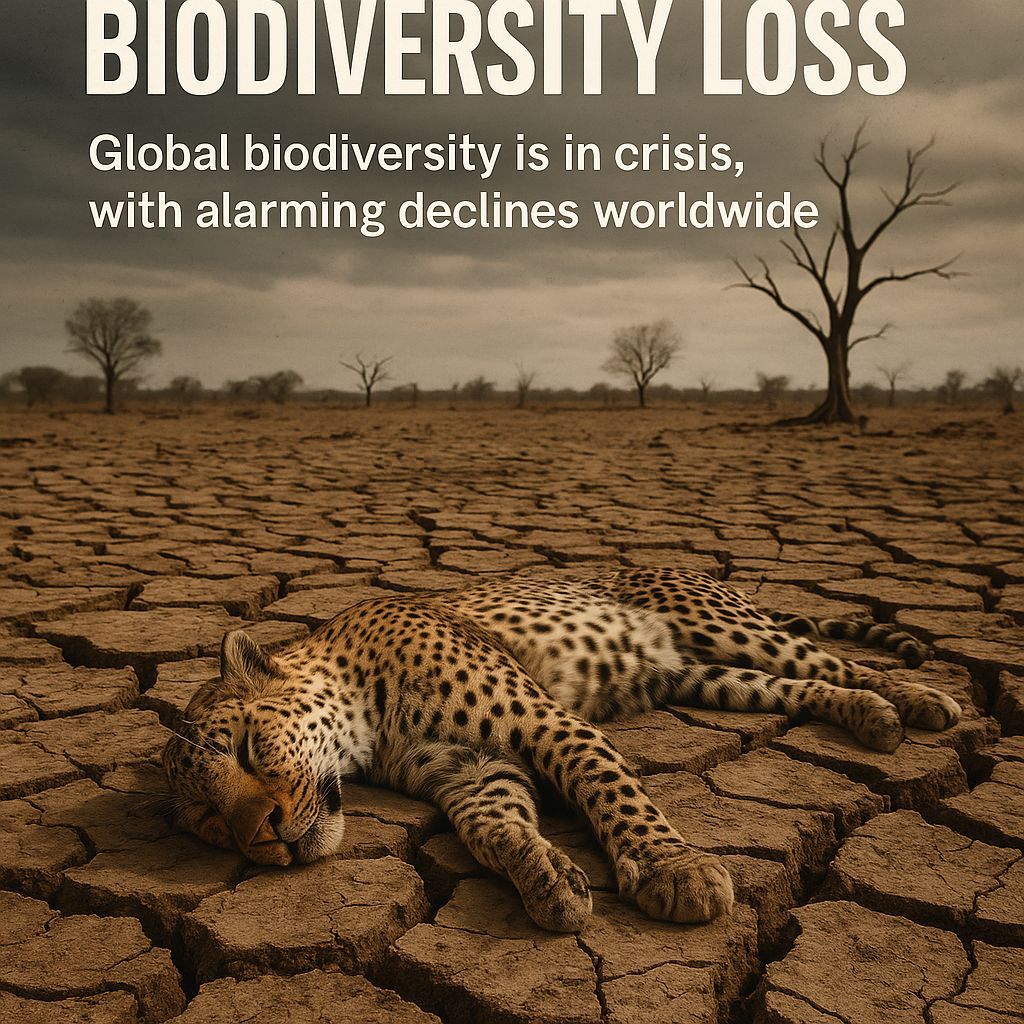
Biodiversity loss erodes the natural systems that provide food, clean water, disease regulation and climate stability, creating measurable risks to human health, livelihoods and economic security.
Quick Answer
Biodiversity loss means fewer species performing essential ecosystem functions such as pollinating crops, filtering water, storing carbon and moderating disease. Scientific assessments consistently link declining species richness to reduced food yields, poorer water quality, higher zoonotic disease risk and weakened climate buffering. While precise thresholds vary by ecosystem, the overall evidence indicates that continued loss will amplify food insecurity, health burdens and economic instability for people worldwide.
Key Takeaways
- Pollinators, water‑filtering microbes and diverse forests are core services that depend on species richness.
- Loss of pollinators could cut global crop yields by up to 10% (FAO, 2020).
- Species‑rich wetlands remove up to 30% more nitrogen than species‑poor systems, protecting drinking water.
- Forests and mangroves with high biodiversity store 10‑15% more carbon than simplified stands (IPCC, 2021).
- More than half of modern medicines trace back to natural compounds found in diverse ecosystems.
- Low‑income farmers, Indigenous peoples and urban poor experience the strongest direct impacts.
What Is How Biodiversity Loss Directly Threatens Humans?
Biodiversity loss refers to the decline of life at genetic, species and ecosystem levels. When species disappear, the web of interactions that delivers ecosystem services unravels, compromising food production, clean water, disease regulation and climate buffering. Unlike generic environmental degradation, the term focuses on the biological component that underpins many services essential for human well‑being.
How Does It Work?
1. Disruption of Pollination Networks
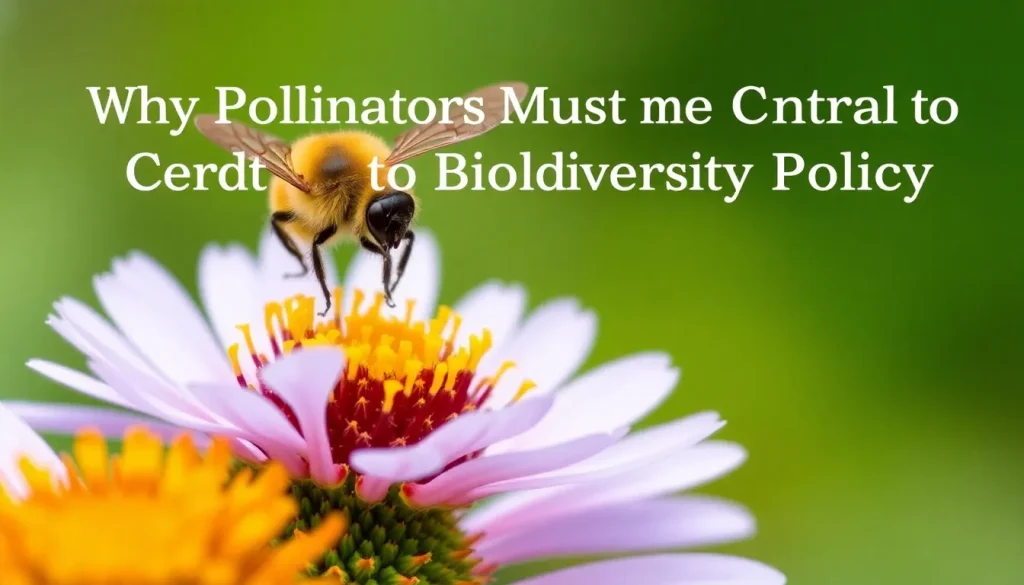
Bees, butterflies, moths and many other animals move pollen among flowering plants, enabling fertilisation. Around 75% of the world’s leading food crops rely on animal pollination (FAO, 2020). When pollinator populations decline, fruit set and seed production fall, leading to lower yields, higher prices and reduced nutritional diversity.
2. Impaired Water Purification
Riparian vegetation, emergent wetland plants and diverse microbial communities trap sediments, absorb nutrients and break down pollutants. A 2019 IPBES assessment found that loss of plant diversity in temperate wetlands reduced nitrogen removal efficiency by up to 30%, increasing the treatment burden for municipal water systems.
3. Reduced Climate Regulation
Forests, mangroves and peatlands store carbon in biomass and soils. Species‑rich forests tend to have higher above‑ground biomass and more resilient growth patterns, enhancing carbon sequestration. Modeling by the Intergovernmental Panel on Climate Change (IPCC, 2021) suggests that a 30% loss of forest biodiversity could cut carbon uptake by 10‑15% under the same climate scenario.
4. Loss of Medicinal Resources
Natural compounds from plants, fungi and marine organisms form the basis of many pharmaceuticals. The World Health Organization (2022) reports that 80% of the world’s population relies on traditional medicines derived from biodiversity. Extinction of species eliminates unknown chemical scaffolds that could become future drugs.
5. Altered Disease Dynamics
Species diversity can dilute pathogen transmission—a concept known as the “dilution effect.” Field studies in the United States and Brazil have linked reduced mammalian diversity to higher incidence of Lyme disease and hantavirus, respectively (Keesing et al., 2010). Fewer host species can concentrate pathogens and increase spill‑over risk to humans.
What Does the Evidence Show?
Long‑term monitoring across continents demonstrates consistent patterns: regions with higher species richness exhibit more stable food production, better water quality and lower rates of zoonotic spillover. A meta‑analysis of 67 studies (Díaz et al., 2021) concluded that ecosystem multifunctionality declines sharply once species loss exceeds about 20% of the original pool. The IPBES Global Assessment (2019) estimated that roughly 1 million species face heightened extinction risk, a scale that would jeopardise the provision of essential services.
Main Causes or Drivers
Habitat Destruction
Conversion of forests, wetlands and grasslands for agriculture or urban development removes the physical space needed for species to survive. The Food and Agriculture Organization (FAO) reports that 75% of terrestrial habitat loss since 1970 is linked to agricultural expansion.
Overexploitation
Unsustainable fishing, logging and wildlife trade deplete populations faster than they can recover, directly removing functional species from ecosystems.
Pollution
Chemical runoff, plastic debris and air pollutants impair reproductive success and alter food webs, especially in aquatic systems.
Climate Change
Rising temperatures shift species’ geographic ranges, disrupt phenology and increase extinction risk, particularly for specialists with narrow climatic tolerances.
Invasive Species
Non‑native organisms can outcompete, prey upon or introduce novel diseases to native species, accelerating local extinctions and reducing overall diversity.
Environmental and Human Impacts
Environmental Impacts
Reduced biodiversity weakens ecosystem resilience, making habitats more vulnerable to fires, storms and pest outbreaks. The loss of keystone species—such as sea otters in kelp forests—can trigger cascade effects that restructure entire communities.
Human Health and Social Impacts
Lower pollination rates translate into food scarcity, especially for nutrient‑dense fruits and nuts. Diminished water‑filtering capacity raises exposure to pathogens and harmful algal blooms, increasing gastrointestinal and respiratory illnesses. The dilution‑effect loss raises the likelihood of zoonotic disease emergence, as observed in recent Ebola outbreaks linked to forest fragmentation.
Economic and Infrastructure Impacts
Farmers lose income from reduced yields; water utilities face higher treatment costs; and climate‑related damages rise as carbon sinks weaken. The World Bank estimates that ecosystem‑service losses attributable to biodiversity decline could amount to $10‑$15 trillion annually by 2050 if trends continue.
Regional Differences
Tropical regions harbour the greatest species richness, so biodiversity loss there generates the most pronounced service declines. In the Amazon, deforestation has already reduced regional precipitation by up to 20% (NASA, 2020). Temperate agricultural zones in Europe experience immediate food‑security impacts from pollinator loss, while arid areas face heightened water‑quality challenges linked to wetland degradation. Indigenous peoples and small‑scale farmers in biodiversity hotspots are disproportionately exposed to these risks.
What Scientists Know With High Confidence
- Pollinators are essential for the majority of global food crops.
- Forests and wetlands act as major carbon sinks, and their capacity depends on species diversity.
- Loss of biodiversity is linked to increased frequency of zoonotic disease spillover.
- Many modern medicines originate from compounds found in biodiverse ecosystems.
What Remains Uncertain
Exact biodiversity thresholds that trigger irreversible loss of specific ecosystem services vary by ecosystem type, region and management history. Gaps in long‑term monitoring make it difficult to pinpoint universal tipping points. Additionally, the magnitude of future disease risk under combined biodiversity and climate change scenarios remains an active research area, requiring integrated modelling and extended field data.
Common Misconceptions
Misconception: Biodiversity loss only affects exotic wildlife.
Reality: The services that sustain human life—food, clean water, disease regulation—are directly tied to the diversity of local species, not just charismatic megafauna.
Misconception: One species can replace another in ecosystem functions.
Reality: Functional redundancy exists, but many services rely on unique traits; losing a keystone or specialist species cannot be fully compensated.
Misconception: Climate change is the sole driver of ecosystem decline.
Reality: While climate change amplifies stress, habitat loss, overexploitation and pollution are primary, immediate drivers of biodiversity loss.
Misconception: Protecting a few large reserves will solve the problem.
Reality: Protected‑area expansion helps conserve habitats, but it does not address overexploitation or pollution occurring outside reserve boundaries.
Solutions and Limitations
Effective responses combine prevention, mitigation, restoration and sustainable use. Protected‑area networks conserve critical habitats, yet they must be paired with enforcement against illegal logging and poaching. Ecological restoration—such as re‑forestation with native species—can rebuild carbon storage and water‑filtration capacity, but success depends on seed‑bank availability, long‑term management and local climate suitability. Sustainable agriculture practices (e.g., agroforestry, integrated pest management) maintain productivity while supporting pollinators, though they often require policy incentives and farmer training. Climate‑change mitigation reduces future stressors but does not reverse species already lost. Each strategy carries trade‑offs: restoration may compete with food production for land, and protected areas can limit local livelihoods if not designed inclusively.
What Individuals, Communities, and Governments Can Do
What Individuals Can Do
- Choose certified sustainable products (e.g., shade‑grown coffee, MSC‑certified seafood).
- Plant native pollinator gardens and avoid pesticide use.
- Support policies and NGOs that fund biodiversity research and habitat protection.
What Communities and Organizations Can Do
- Implement habitat‑restoration projects such as wetland creation or riparian buffer planting.
- Develop citizen‑science programs to monitor pollinator abundance and water‑quality indicators.
- Integrate green corridors and permeable surfaces into urban planning to enhance connectivity.
What Governments Can Do
- Set and enforce targets for protected‑area coverage (e.g., 30 % of land and sea by 2030) under the Convention on Biological Diversity.
- Provide subsidies or tax incentives for sustainable farming practices that protect ecosystem services.
- Invest in long‑term ecological monitoring networks to fill data gaps identified by IPBES.
Closing Synthesis
Biodiversity loss erodes the natural foundations of food, health, climate stability and economic security. Robust evidence links species declines to reduced pollination, poorer water quality, weaker carbon sinks and heightened disease risk, especially for communities that depend heavily on natural resources. While uncertainties remain about exact tipping points, the scientific consensus is clear: protecting and restoring diverse ecosystems is essential for human resilience. Coordinated actions—ranging from individual habitat‑friendly choices to ambitious national conservation policies—offer the most credible path to safeguard both biodiversity and the well‑being of present and future generations.
Frequently Asked Questions
How does biodiversity loss affect food production?
Biodiversity loss reduces pollinator populations and soil microbial diversity, leading to lower fruit set, decreased seed production and ultimately reduced yields for many of the world’s major crops.
What role do wetlands play in water quality?
Wetlands with diverse plant and microbial communities filter sediments and nutrients from runoff, removing up to 30% more nitrogen than species‑poor wetlands, thereby protecting drinking water sources.
Why is biodiversity important for climate regulation?
Species‑rich forests and mangroves store more carbon than simplified stands because diverse plant communities have higher biomass and more resilient growth, enhancing carbon sequestration.
Which human groups are most vulnerable to biodiversity loss?
Low‑income farmers, Indigenous peoples and urban residents in low‑income neighborhoods face the strongest impacts because they rely directly on pollination, clean water and natural medicines.
Can protected areas alone stop biodiversity loss?
Protected areas conserve critical habitats but cannot address overexploitation, pollution or habitat conversion occurring outside their boundaries, so additional measures are needed.





Leave a Comment