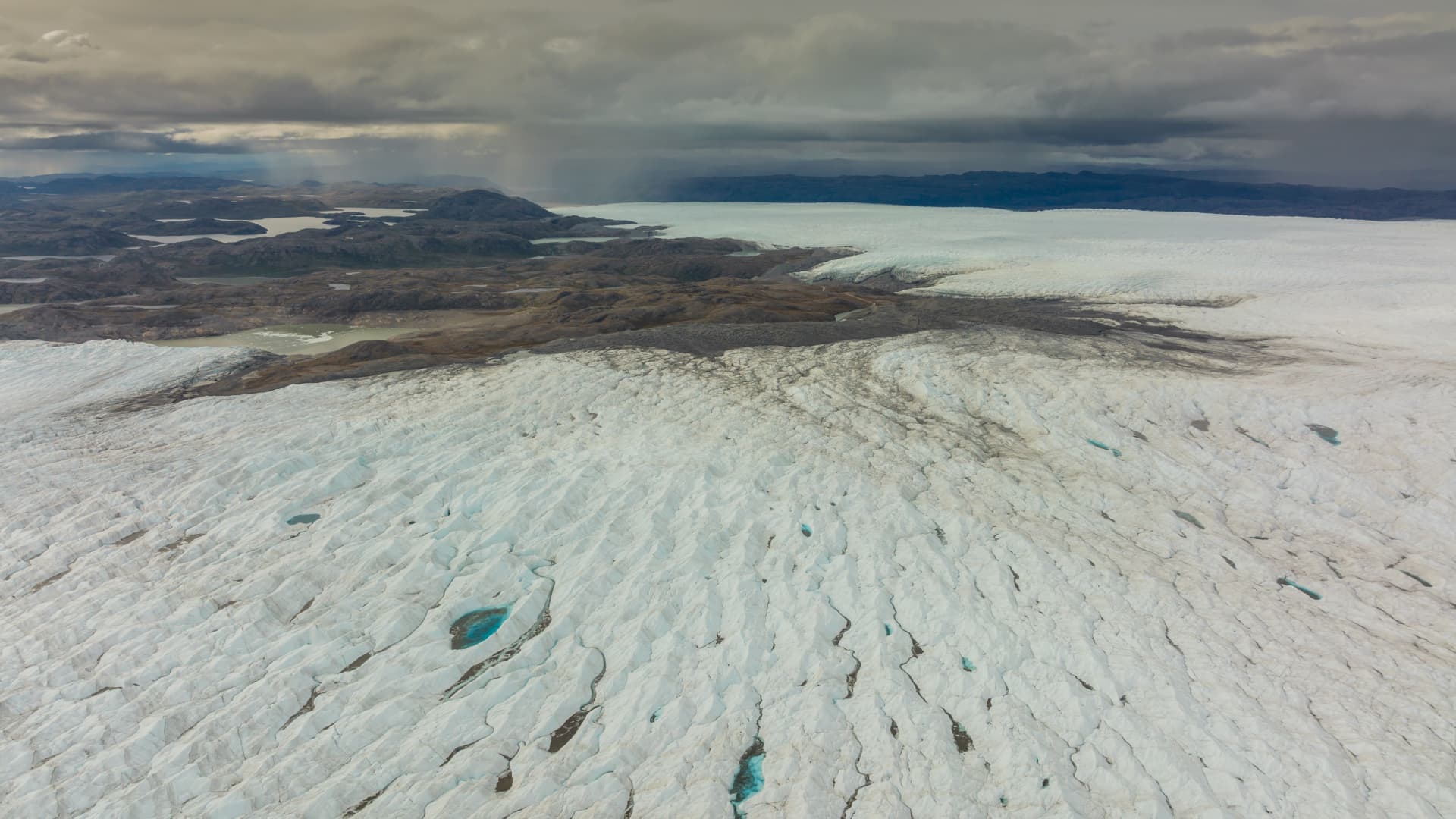
As we delve into the majestic realms of our planet’s polar regions, one cannot help but feel a poignant sense of awe and urgency. The Greenland Ice Sheet, an awe-inspiring manifestation of nature’s prowess, is currently facing an existential crisis, under siege from a multitude of climatic forces. In this exploration, we shall endeavor to dissect the intricacies surrounding the phenomenon of glacier retreat in this iconic locale, illuminating implications that stretch far beyond the icy expanse of Greenland itself.
To comprehend the dynamics of glacier retreat, one must first appreciate the enormity of the Greenland Ice Sheet. Spanning over 1.7 million square kilometers, it harbors enough freshwater to elevate global sea levels by more than 7 meters if its icy façade were to melt entirely. This colossal assembly of ice, delicate yet formidable, has been a stalwart component of Earth’s climatological equilibrium for millennia. Yet, recent observations reveal troubling trends: even the most resilient glacial formations are yielding to the relentless march of climate change.
The symphony of warming temperatures due to anthropogenic factors has initiated a rapid destabilization process within the ice sheet. A primary harbinger of this ecological rupture is the phenomenon of surface melting. As air temperatures soar, the once-immutable ice begins to succumb to a myriad of melting events. The absorption of solar radiation, coupled with the feedback loops of decreasing albedo—whereby melting ice exposes darker surfaces beneath—exacerbates the problem, catalyzing accelerated ice loss. This is not a distant threat; it is a present reality.
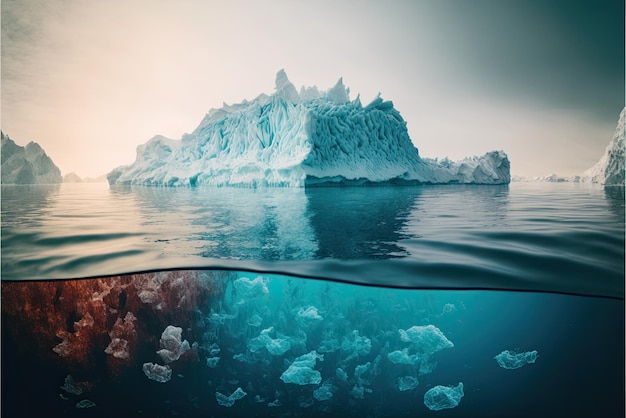
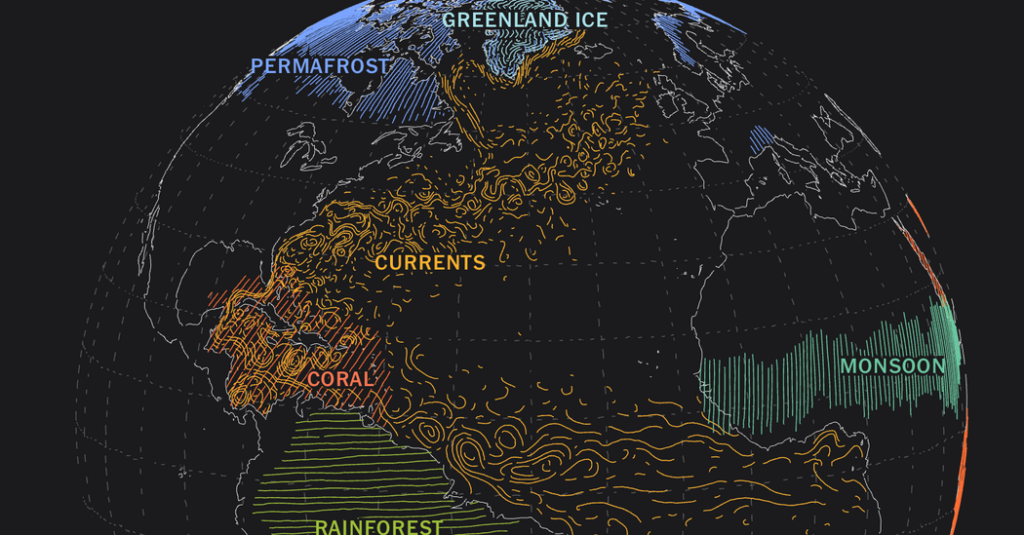
Furthermore, it becomes imperative to examine the role of oceanic influences in this narrative of loss. Beneath the icy veneer lies a complex interplay between glacial and oceanic dynamics. Warmer ocean currents infiltrate the fjords and abyssal depths, melting the undersides of glaciers that extend into the sea. The intricate dance between glacial tongues and the ocean’s thermal embrace orchestrates a paradox where the ice is both nourished and diminished. This delicate balance, once maintained by natural conditions, now teeters precariously at the precipice of irrevocable change.
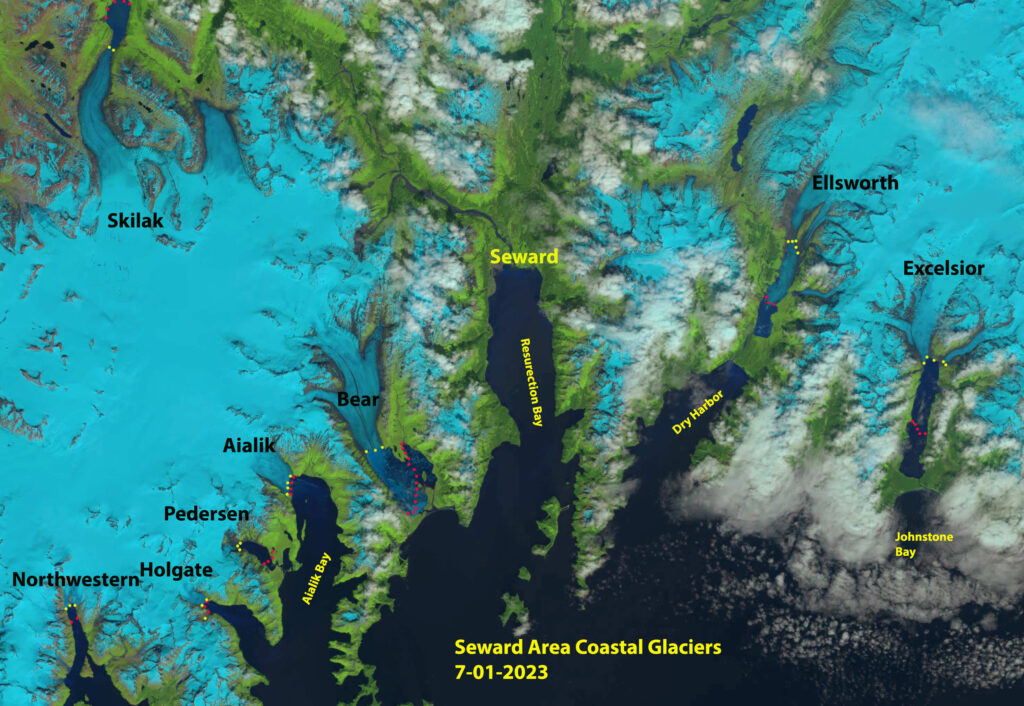
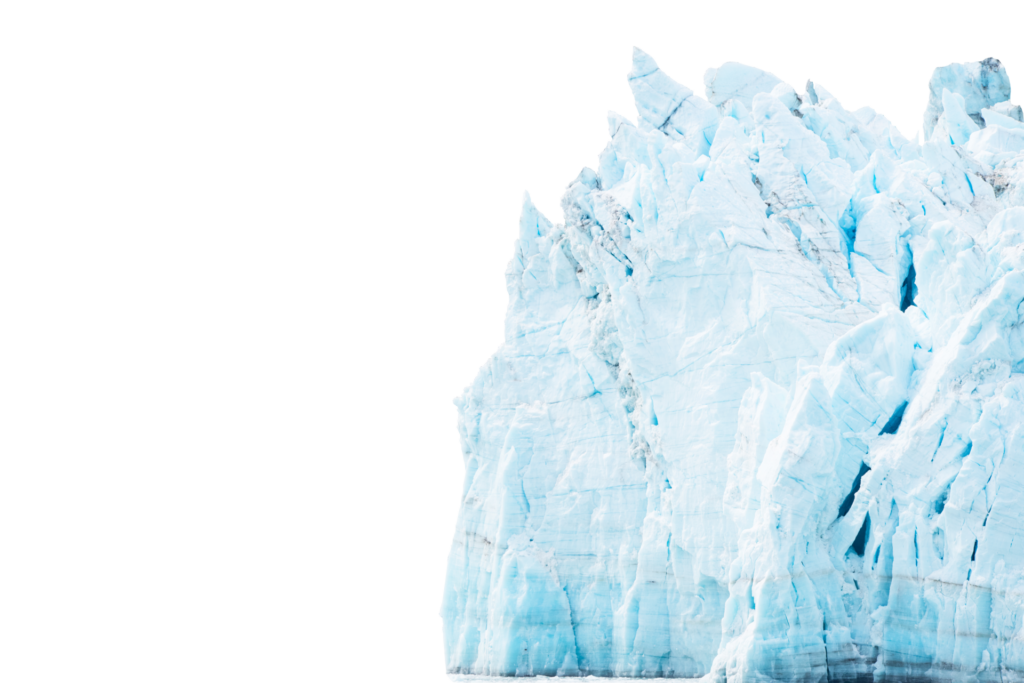
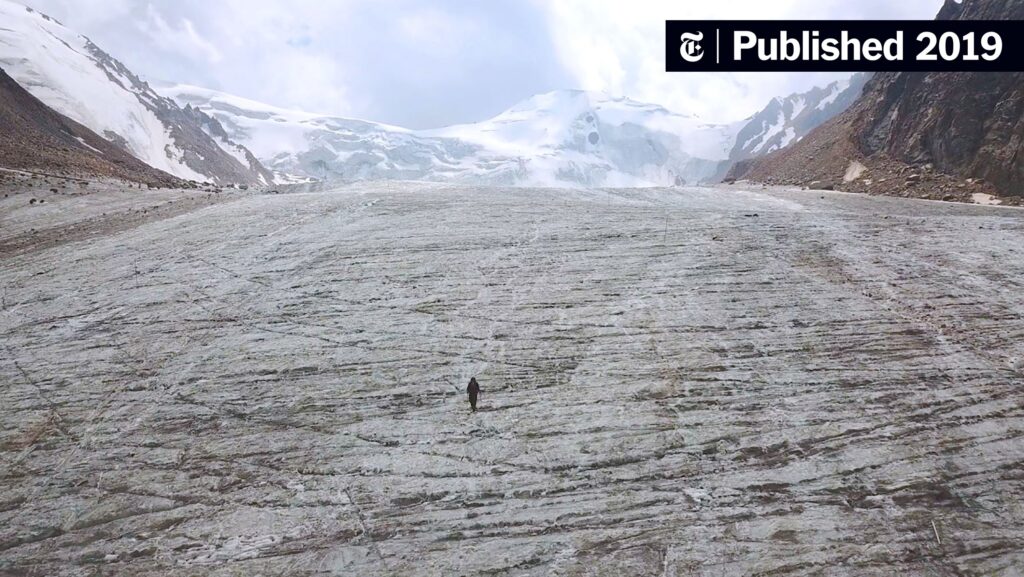
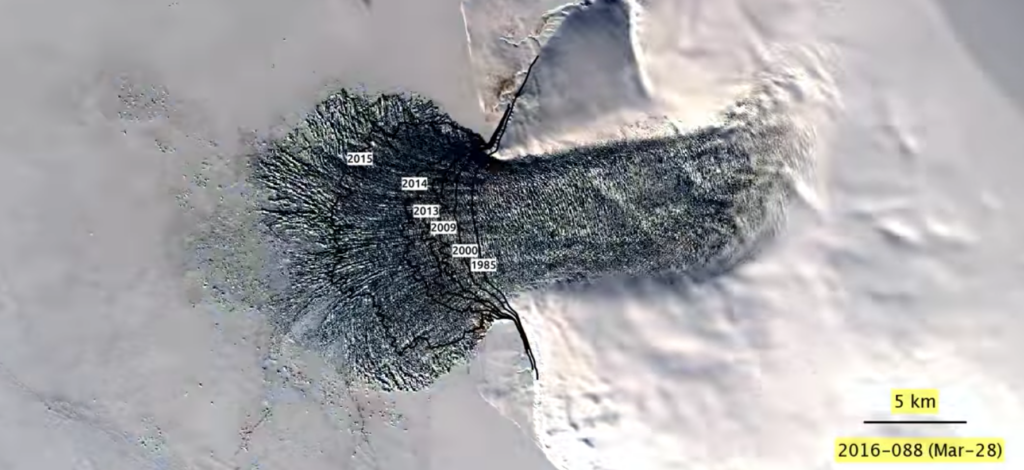
The Greenlandic landscape is evolving; tongues of ice that once grounded themselves firmly to the ocean floor are now retreating, leaving behind gaping voids and newly formed fjords. Observations from satellite imagery and aerial photography render a haunting tableau—icebergs calving, the stark visual cadence akin to nature’s own lamentation. Moreover, as glacial retreat accelerates, the ramifications extend beyond icy silhouettes; they herald a cascade of ecological consequences, from altered habitats to displaced fauna, all reverberating through terrestrial and marine ecosystems.
This poignant situation presents an intrinsic ethical dilemma. How do we, as stewards of this planet, reconcile our activities with the burgeoning evidence of our impact? The retreat of the Greenland Ice Sheet is not merely an environmental crisis—it serves as a turning point, prompting humans to reevaluate their relationship with nature. The ice, a symbol of permanence, is dissolving before our eyes, challenging our preconceptions about stability and resilience in the face of relentless change.
Moreover, it is vital to consider the socio-economic impacts that accompany glacier retreat. As sea levels rise as a direct consequence of melting ice, coastal communities around the world grapple with existential threats. Low-lying regions, especially, face imminent inundation, prompting mass migrations and geopolitical upheaval. Nations must confront the daunting prospect of climate refugees, leading to potential conflicts over resources and habitable land. This issue necessitates urgent global dialogue and collaborative strategies, transcending borders and fostering a unified approach to climate resilience.
In the quest for mitigation strategies, technological innovation and policy reform must intertwine. Renewable energy initiatives offer promise; they provide a conduit through which humanity can radically reduce its reliance on fossil fuels and curtail greenhouse gas emissions. The transition to sustainable practices is not only feasible but imperative. Investing in green technologies, conserving critical ecosystems, and promoting sustainable agriculture are essential components of a holistic response.
Yet, hope emerges from compelling examples of grassroots movements that advocate for environmental stewardship. Communities across the globe are awakening to the realities of climate change, engaging in initiatives that promote resilience and sustainability. As stewards of nature, individuals wield a powerful lever of change, capable of influencing local and global narratives toward more sustainable futures. Activism, education, and policy advocacy are instrumental in shaping a tomorrow where environmental justice can flourish.
Finally, the story of the Greenland Ice Sheet is one that transcends mere data and statistics; it is an emotional narrative woven into the fabric of our existence. Each crack and crevice in the ice tells tales of history and climate, echoing the legacies of those who came before us. As stewards of the planet, our responsibility is to honor these stories, understanding that they are intricately linked to our own and future generations. The retreat of glaciers serves as both a clarion call and a poignant reminder of the fragility and interconnectedness of our world.
In conclusion, the retreat of the Greenland Ice Sheet encapsulates a complex interplay of natural forces and human interventions. It demands our attention and evokes a profound sense of responsibility. The promises of innovative solutions, community action, and global solidarity are illuminated against the backdrop of impending change. Let us, therefore, kindle that promise into action, nurturing a renewed commitment to protect our planet and ensure that its breathtaking beauty endures for generations to come.




Leave a Comment