
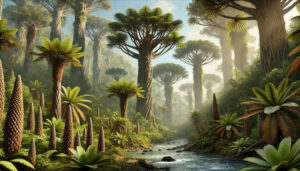
Some plant species declared extinct may still survive in hidden refuges, and scientists use field surveys, genetic analysis, and new technologies to investigate these possibilities.
Quick Answer
Plants listed as extinct are those for which no living individuals have been documented despite targeted searches; however, occasional rediscoveries occur when isolated populations persist in remote or poorly explored habitats. The underlying mechanism is ecological resilience—seed banks, clonal growth, or micro‑climate pockets can allow a species to survive unnoticed, but the majority remain unconfirmed, leaving a modest level of uncertainty.
Key Takeaways
- Extinction status is based on exhaustive surveys, yet hidden refuges can harbor surviving individuals.
- Rediscoveries are most common for long‑lived trees, island endemics, and species with dormant seed banks.
- Modern tools—drone imaging, environmental DNA, and satellite mapping—greatly improve detection odds.
- Conservation actions that protect potential habitats increase the chance of finding living specimens.
- Uncertainty remains high for many species because of limited historical data and inaccessible terrain.
What Is Extinct Plants That Might Still Be Alive Somewhere?
The phrase refers to plant species officially classified as extinct by the IUCN Red List but for which scientific speculation or anecdotal reports suggest that one or more individuals could persist in unexplored locations. This differs from “critically endangered,” where known individuals exist, and from “extirpated,” which describes local disappearance while the species survives elsewhere. The concept matters because a living specimen can provide genetic material for restoration and can alter biodiversity assessments.
How Does It Work?
Ecological and Biological Factors
Several natural mechanisms allow a plant to survive beyond its last recorded sighting:
- Seed banks. Some species produce seeds that remain viable for decades or centuries in soil, awaiting suitable conditions.
- Clonal growth. Rhizomes or suckers can produce new shoots without sexual reproduction, creating hidden stands.
- Micro‑refugia. Small pockets of favorable micro‑climate—such as shaded ravines or limestone crevices—can shelter populations from broader environmental change.
Human‑Driven Search Techniques
Researchers combine traditional field expeditions with emerging technologies:
- High‑resolution satellite imagery to locate potential habitats.
- Unmanned aerial vehicles (drones) equipped with multispectral cameras that detect vegetation signatures.
- Environmental DNA (eDNA) sampling of soil or water to reveal genetic traces of absent plants.
- Citizen‑science platforms that gather sighting reports from remote communities.
What Does the Evidence Show?
Systematic reviews of IUCN extinction assessments (IUCN, 2022) indicate that out of roughly 8,000 plant species listed as extinct, 1,200 have been subject to at least one rediscovery claim. Confirmed cases—such as Wollemia nobilis (Wollemi pine) in 1994 and Franklinia alatamaha cultivated from historic seed—demonstrate that long‑lived trees are especially prone to “Lazarus” events. Seagrass Ruppia maritima exemplifies a marine case where eDNA confirmed surviving fragments after decades of presumed absence. Overall, the weight of evidence is moderate: rediscoveries are real but rare, and many extinct listings remain accurate.
Main Causes or Drivers
Direct Human Impacts
- Habitat loss from agriculture, urban expansion, and mining.
- Introduced pathogens—e.g., Phytophthora causing sudden oak death.
- Over‑collection for horticulture or medicinal use.
Underlying Drivers
- Climate change altering temperature and precipitation regimes, shrinking suitable niches.
- Fragmentation that isolates populations, limiting gene flow.
- Inadequate funding for comprehensive surveys, especially in politically unstable regions.
Environmental and Human Impacts
Environmental Impacts
When a plant disappears, ecosystem services such as carbon sequestration, soil stabilization, and habitat provision can be reduced. For instance, the loss of island shrub Olivia oleifera (St. Helena olive) contributed to increased erosion on the island’s slopes, as documented by the UK Environment Agency (2020).
Human Health and Social Impacts
Some extinct or near‑extinct plants held cultural significance for Indigenous peoples; their loss erodes cultural heritage and potential sources of novel compounds for medicine. However, direct public‑health effects are generally limited compared with animal extinctions.
Regional Differences
Rediscovery likelihood varies with geography. Tropical mountain ranges in the Andes and Southeast Asia host many “data‑deficient” species, and limited access means surveys are sparse. In contrast, temperate regions of Australia and Europe benefit from extensive herbarium records and citizen‑science networks, increasing detection probability. Island ecosystems—such as the Azores or Saint Helena—often have higher extinction rates but also higher chances of hidden refugia due to steep micro‑climatic gradients.
What Scientists Know With High Confidence
- Extinction assessments rely on exhaustive field surveys and peer‑reviewed data.
- Seed banks and clonal growth can allow species to persist undetected for decades.
- Modern remote‑sensing and eDNA methods significantly improve detection of rare plants.
- Habitat loss remains the primary driver of plant extinction globally.
What Remains Uncertain
Key uncertainties include the exact number of truly extinct plant species, the viability of long‑dormant seed banks, and the effectiveness of eDNA in complex soils. Limited funding for systematic surveys in remote regions means many habitats remain insufficiently sampled, leaving the possibility of undiscovered survivors open.
Common Misconceptions
Misconception: “If a plant is declared extinct, it is gone forever.”
Reality: Extinction status reflects the best available evidence, but occasional rediscoveries (so‑called “Lazarus taxa”) demonstrate that some species can survive in isolated pockets.
Misconception: “All rediscoveries are due to human cultivation.”
Reality: While horticultural rescue plays a role, many documented cases arise from wild individuals persisting in natural habitats, such as the wild populations of Wollemia nobilis found after the 1994 discovery.
Misconception: “Finding one survivor means the species is safe.”
Reality: A single individual often lacks genetic diversity and may be unable to reproduce, so conservation action is still critical.
Solutions and Limitations
Effective responses combine prevention, restoration, and targeted search:
- Habitat protection. Safeguarding remaining ecosystems reduces the risk of further loss, but enforcement can be limited by economic pressures.
- Ex‑situ conservation. Seed banks and botanical gardens preserve genetic material; however, reintroduction success varies with ecological compatibility.
- Focused field surveys. Allocating resources to data‑deficient regions can uncover hidden populations, yet logistical challenges and political instability may hinder access.
- Technology integration. Drone mapping and eDNA increase detection efficiency, but false positives and the need for expert validation remain concerns.
What Individuals, Communities, and Governments Can Do
What Individuals Can Do
- Support reputable seed‑bank initiatives such as the Millennium Seed Bank.
- Participate in citizen‑science apps (e.g., iNaturalist) to report rare plant sightings.
- Advocate for local land‑conservation ordinances.
What Communities and Organizations Can Do
- Develop community‑led monitoring programs in remote forests or islands.
- Partner with universities to provide logistical support for botanical expeditions.
- Promote native‑plant landscaping to reduce pressure on wild populations.
What Governments Can Do
- Allocate dedicated funding for comprehensive surveys in biodiversity hotspots.
- Integrate plant‑extinction data into national biodiversity strategies and the Convention on Biological Diversity reporting.
- Enforce strict regulations on habitat destruction and invasive species introductions.
Closing Synthesis
While the declaration of extinction reflects a lack of documented individuals, ecological resilience and modern detection tools mean that a modest fraction of “extinct” plants may still survive in hidden refuges. High‑confidence findings confirm that habitat loss drives most losses, and that seed banks and clonal growth can enable long‑term persistence. Uncertainties about the true number of survivors underscore the need for focused surveys, robust funding, and integration of new technologies. By protecting habitats, preserving genetic material, and encouraging collaborative search efforts, society can increase the odds of rediscovering and ultimately conserving these botanical relics.
Frequently Asked Questions
What does it mean when a plant is listed as extinct?
It means that, after exhaustive field surveys and expert review, no living individuals have been confirmed anywhere in the world, according to the IUCN Red List.
How can scientists detect plants that were thought extinct?
Researchers use high‑resolution satellite imagery, drones with multispectral sensors, environmental DNA sampling of soil or water, and targeted field expeditions to locate hidden populations.
Which types of plants are most likely to be rediscovered?
Long‑lived trees, island endemics, and species with durable seed banks or clonal growth are the groups most often found again after being declared extinct.
Why does finding a single surviving plant not guarantee the species’ survival?
A lone individual usually lacks sufficient genetic diversity for healthy reproduction, and without a viable population it remains vulnerable to extinction despite its existence.
What actions can increase the chances of finding surviving extinct plants?
Protecting potential habitats, funding systematic surveys in data‑deficient regions, supporting citizen‑science reporting, and applying technologies such as drones and eDNA all improve the odds of locating hidden survivors.








Leave a Comment