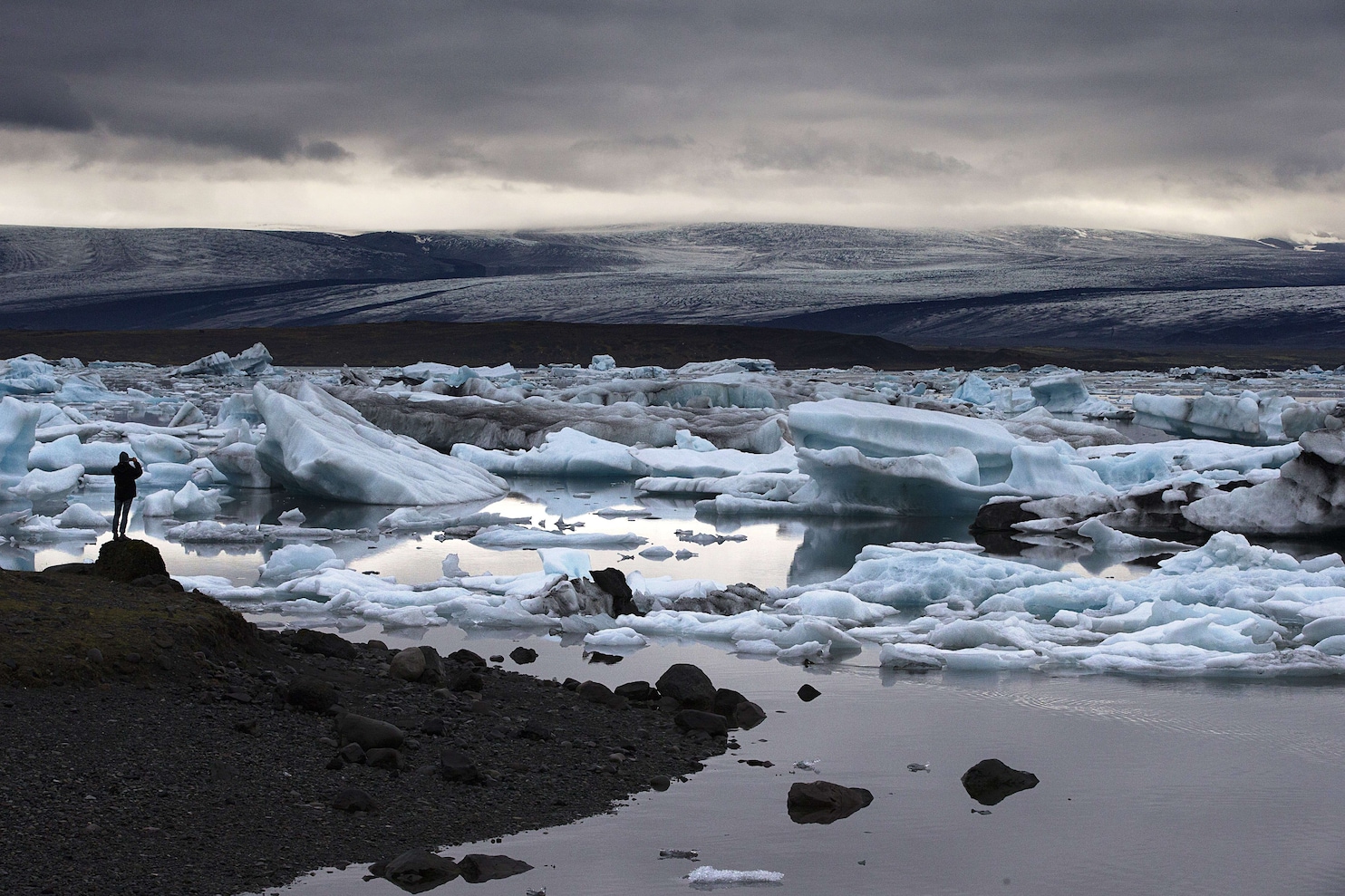
Climate change is an all-encompassing phenomenon, influencing ecosystems, weather patterns, and the intricate balance of life on Earth in profound ways. One of the most striking—and unnerving—manifestations of climate change is the accelerated melting of glaciers. Not merely a backdrop to picturesque landscapes, glaciers stand as vital indicators of the planet’s health, their retreat a barometer of changing climatic conditions. As the ice melts, it is not just water that flows away; it carries with it a narrative steeped in environmental transformations that warrant our attention.
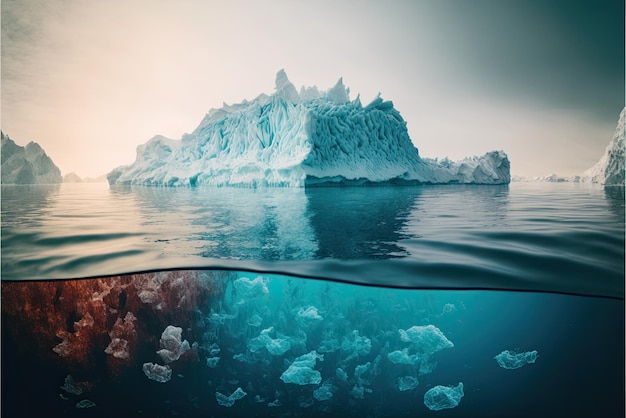
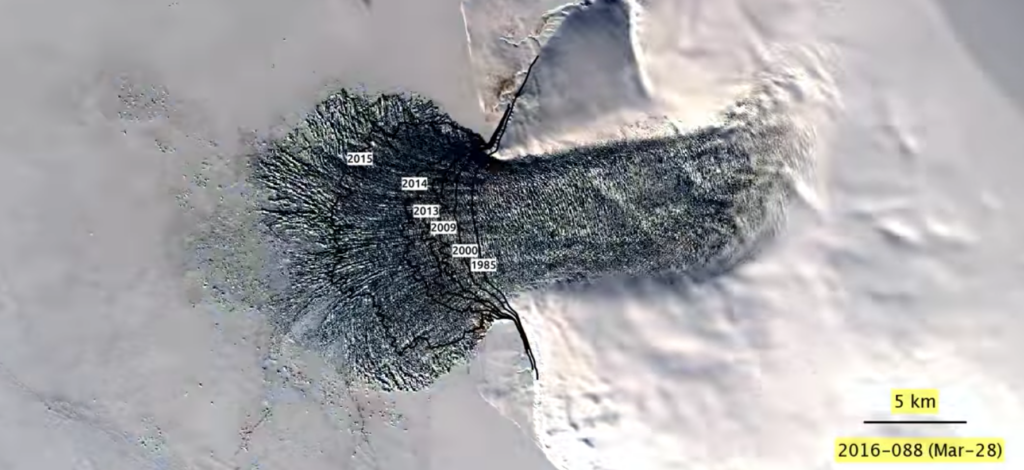
From the majestic Arctic ice caps to the towering peaks of the Himalayas, glaciers serve as freshwater reservoirs, supporting billions of lives across continents. Yet, as these icy giants dissolve under the increasing heat of global temperatures, a collective anxiety lingers over the fate of ecosystems and the livelihoods dependent on them. With every calving chunk of ice, we witness not only the physical alteration of landscapes but also an existential threat to biodiversity.
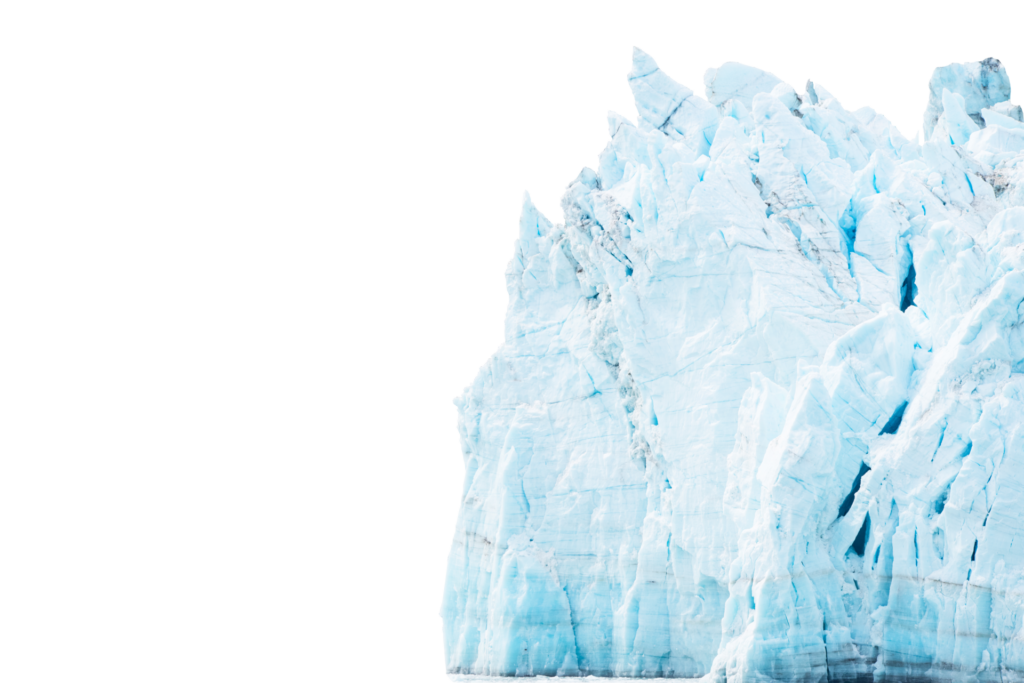
The fervor surrounding glaciers often stems from our intrinsic connection to nature’s grandiosity. There exists a common observation: we marvel at the beauty of glacial formations, their gleaming blue hues and towering heights. However, this allure masks deeper complexities. Beneath this aesthetic appreciation lies a poignant reminder of our fragility within the natural world. With every photograph capturing a glacier’s grandeur, we confront the paradox of beauty and impermanence. The same glaciers that inspire awe are the very entities threatened by human-induced climate change.
To comprehend the magnitude of the glacier retreat, one must first understand the mechanics driving this critical phenomenon. The Earth’s atmosphere has warmed approximately 1.2 degrees Celsius since the late 19th century. The culprit behind this warming is multifaceted, chiefly centered on the escalated levels of greenhouse gases being expelled through industrial activities, deforestation, and agricultural practices. This augmentation of greenhouse gases leads to a positive feedback loop, intensifying the heat absorbed by the planet.
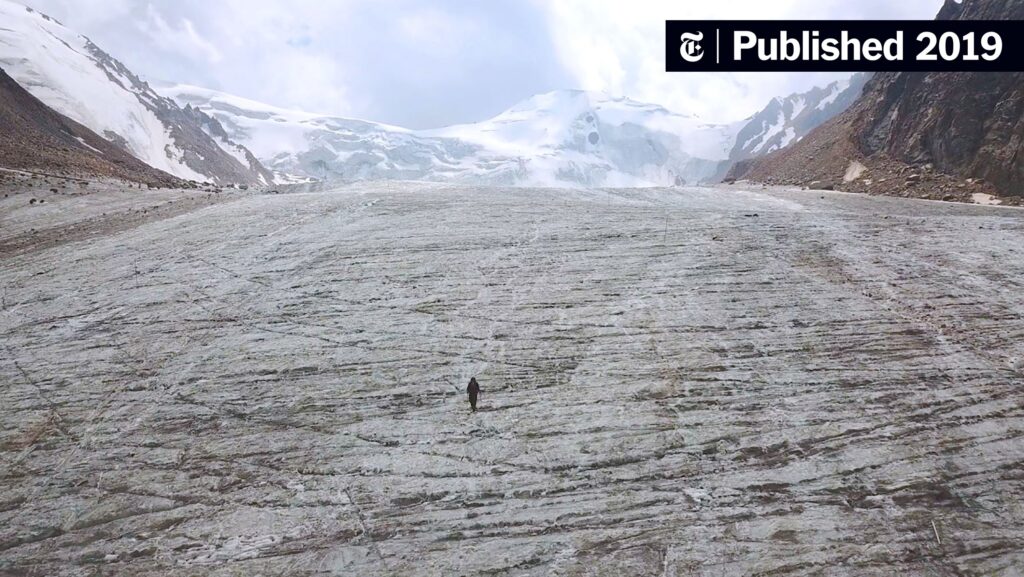
As temperatures rise, glaciers react by thinning and retreating. In mountainous regions, this is palpably observed through diminished snowpacks and early snowmelt. These shifts disrupt water supply systems reliant on glacial runoff during warmer months. Regions already beleaguered by water scarcity are faced with increasingly precarious conditions as glacial reserves dwindle. The interdependence of glacial health and human sustenance necessitates deeper contemplation on our stewardship of the planet.
Moreover, the implications of glacier melt extend beyond local borders, influencing global sea levels. As vast quantities of freshwater spill into the oceans, they contribute to rising sea levels, threatening coastal communities and ecosystems. Small island nations and low-lying areas are particularly vulnerable, facing existential threats as encroaching waters submerge habitats and displace populations. The specter of climate-induced migration looms ever larger, raising ethical, political, and social dilemmas that transcend national boundaries.
In spite of these dangers, there exists an intriguing fascination with glaciers—an allure steeped in the dichotomy of decay and resilience. While glaciers may be vanishing, their presence on the planet offers insight into ancient climate patterns, holding within layers of ice trapped air bubbles that record epochs past. Scientists extract samples, reminiscent of time capsules, to reconstruct Earth’s climatic history. This knowledge not only aids our understanding of past shifts but also arms us with data to forecast future climatic scenarios.
Glacier research serves as a poignant reminder that human actions resonate through time. Our current trajectory is unsustainable, yet the glacial retreat compels a societal reckoning. Conservation efforts, renewable energy initiatives, and climate advocacy have gained momentum, reflecting a growing recognition that each individual plays a role in the larger environmental tapestry. Collective action fosters hope—a beacon amidst the urgent need for systemic changes in relation to climate policy and environmental ethics.
In this intricate narrative of ice and water, the fate of glaciers encapsulates larger existential themes—a reflection of our relationship with nature. Awe-inspiring yet fragile, glaciers elicit a profound introspection: if these formidable stalwarts of the natural world can succumb to change, what does this portend for humanity? The disparity between human innovation and nature’s limits reaches a critical juncture, urging a paradigm shift in our understanding of progress and sustainability.
As we stand witness to the slow yet substantial metamorphosis of our planet’s icy realms, we must ask ourselves: how do we respond to this inevitability? The clarion call for climate action resonates ever louder, urging not a halt, but a transformation—a transition to a society that not only respects but cherishes the delicate balance of ecosystems. The glaciers, while melting, unveil a greater narrative that insists upon our involvement. Their retreat is not merely a story of ice; it is a call to conscientious living, urging humanity to embrace stewardship over exploitation, to value resilience over convenience.
Ultimately, the dialogue surrounding climate change and melting glaciers extends beyond environmental sciences; it beckons a philosophical inquiry into the essence of existence. As we unravel the complexities behind glacial melting, we are inevitably drawn into a relationship with the Earth that necessitates nurturing, respect, and an unwavering commitment to ecological equilibrium. The glaciers might be falling, but from their thawing emerges a clarion call for unity in purpose and vision—a chance to redefine our legacy on this planet.




Leave a Comment